Featured Topics

Landscape Light Transformers for Low-Voltage Gardens
Outdoor garden lighting usually runs through a low-voltage transformer, the box that converts household power into the voltage used by path, patio and uplight fixtures. In Australia, that starts with 240V mains, so transformer choice affects safety, lamp brightness and how neatly a system can be expanded.
This guide compares the top 5 landscape light transformers for low-voltage systems, from compact units for a front path to multi-tap models for larger gardens. It focuses on 12V LED loads, weather resistance, usable terminals and Australian support.
The shortlist includes Philips Hue, InnoGear, Havit, Kichler and a mainstream Bunnings option, with product details checked against current listings. Amazon.com.au and Home Depot are useful specification references, though plug standards and warranty terms differ from those in the United States.
Why transformer choice matters
A transformer does more than lower voltage. It also provides the connections and current capacity that keep multiple fixtures stable, and its tap arrangement can help compensate for voltage loss along long garden cables. A nominally correct 12V unit may still deliver dim or uneven light if the cable is undersized.
For circuit planning and product-selection advice, expert lighting guidance is a useful technical reference. The key rule is to add the actual wattage of every connected fixture, then allow sensible headroom rather than matching the transformer exactly to the lamp total.
That headroom helps cover inrush, provides room for a future path light and reduces stress when a dimmer is operating. Check whether the enclosure is genuinely rated for outdoor use, because a covered patio location still exposes it to humidity, insects and occasional splash.
Transformer picks and buying checks
Each option below suits a different garden scale and control method. The labels indicate the most sensible use, not a universal winner, since transformer outputs and included accessories change between model revisions.
- Philips Hue 40VA outdoor power supply — A strong match for Hue outdoor lightstrips, provided the strip, controller and proprietary connectors match. It is designed for a smart ecosystem rather than ordinary 12V garden cable, and the exact supply must suit the strip’s length and wattage.
- InnoGear 30W landscape lighting transformer — A practical choice for entry paths and modest patios, often supplied with a low-voltage cable and adjustable output taps. Current Amazon.com.au listings vary, so confirm output voltage, cable length, terminal count and ingress rating before purchase.
- Havit LV30-4A 30W waterproof transformer — A compact four-output option from a brand familiar in the Australian lighting market. It suits several spotlights or a mixed path-and-shrub run, provided its combined load stays below 30W.
- Bunnings 30W 12V outdoor transformer — Convenient for shoppers who value local returns and straightforward replacement. Confirm the current store model’s IP rating and terminal layout, as Bunnings ranges can change and photograph descriptions can blur technical details.
- Kichler multi-tap transformer — Better suited to substantial gardens or systems using different low-voltage taps, with families offered around 150VA and 300VA. Home Depot lists comparable Kichler models, but US stock is typically 120V; do not substitute it for an Australian 240V unit.
The ranking is informed by fit rather than brand prestige. For background on the author’s approach and experience, the author profile provides useful context.
Use these checks to compare the shortlisted units:
- Output: Confirm 12V for standard LED fixtures; a nominal voltage alone does not guarantee connector compatibility.
- Capacity: Sum fixture wattage and choose a transformer with roughly 20% headroom for future additions and operating margin.
- Weather rating: Look for a clearly stated IP rating, weather-resistant terminals and a ventilated or sealed enclosure suitable for the location.
- Connections: Compare lead length, cable gauge, tap positions and whether the unit accepts the cable and accessories already installed.
- Support: Prefer a local 240V product with an Australian warranty, even if a cheaper imported listing appears on Amazon.com.au.
Price alone is a poor guide because a bargain unit may need a longer cable, separate connectors or professional installation. Those extras can quickly erase the saving, while a local warranty can be worth paying for.
Sizing power without guesswork
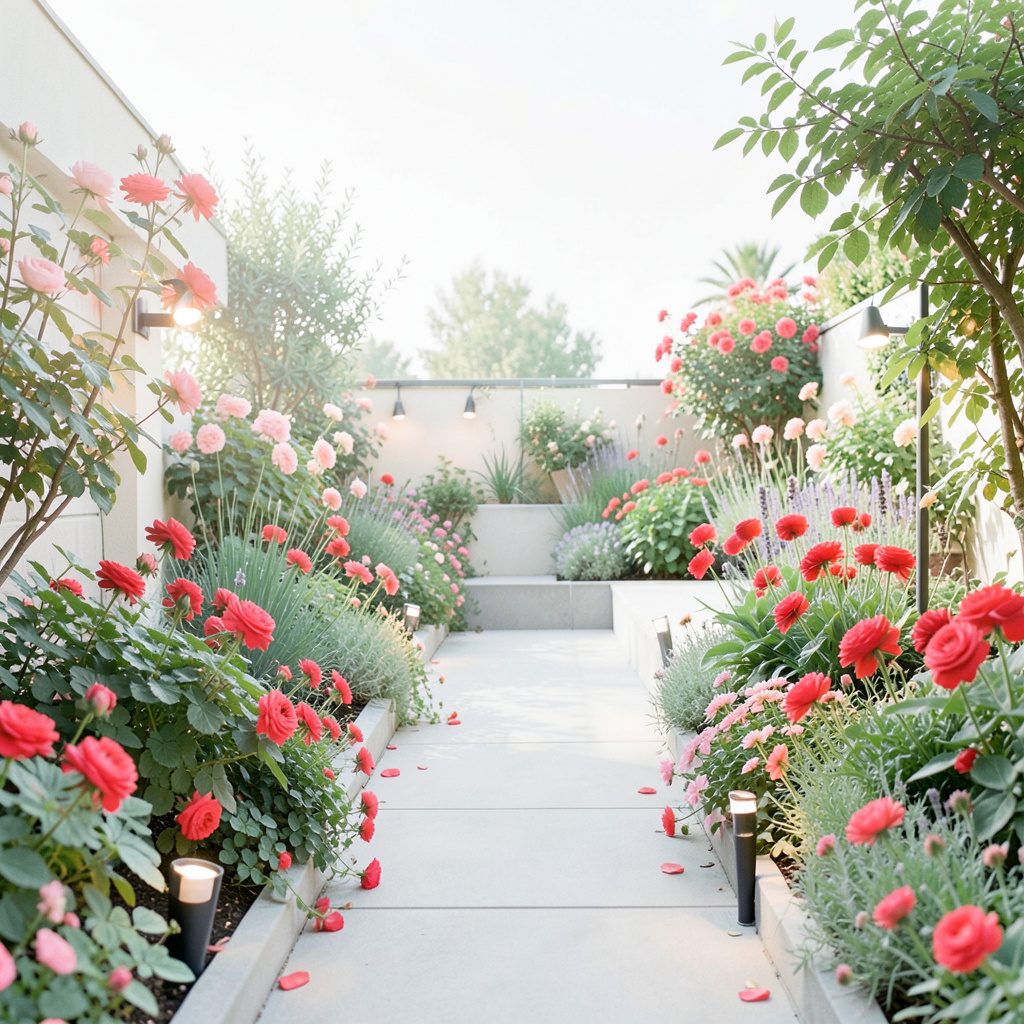
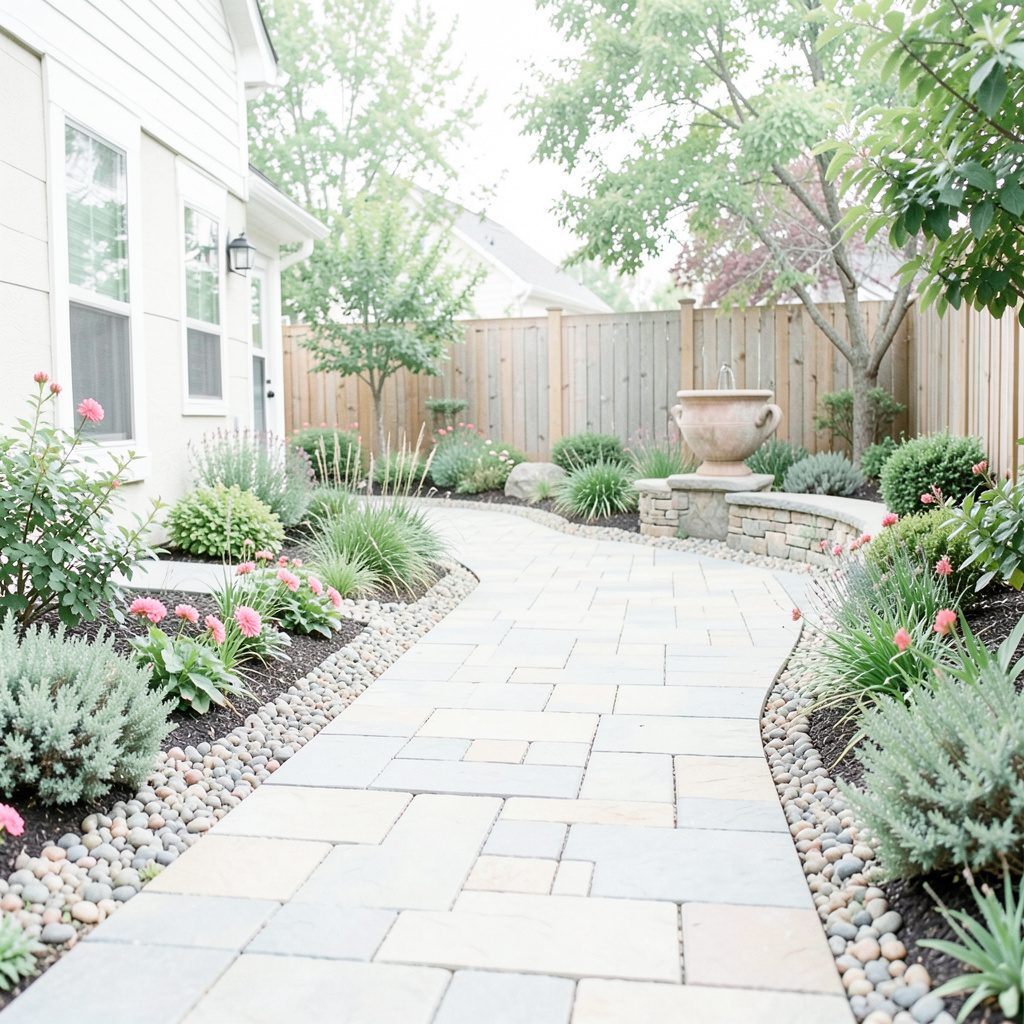
A useful plan starts with fixture positions, not transformer wattage. Sketch the patio, paths, tree canopies and any dark approach to the front door, then mark where a 240V outlet can safely sit. Meredith LBL’s garden design examples can help translate planting and hardscape shapes into a lighting layout.
Add each lamp’s rated wattage, then divide the garden into circuits that comfortably fit the transformer. For example, eight 3W fixtures draw 24W; a 30W unit leaves only 6W spare, which is tight once one inrush surge and a future lamp are considered. A 40W or 60W model is the more comfortable choice.
Cable distance matters just as much. A long run to a light at the far end of a suburban block can lose enough voltage to discolour LEDs. Use suitable outdoor cable, keep the gauge consistent with the load and total length, and split long routes into parallel circuits when practical.
Weather, salt and Australian conditions
Australian weather sets a demanding baseline. An Aussie summer can heat a closed transformer enclosure well beyond a mild spring day, while strong UV, driving rain and insects can attack terminals and seals. Choose a shaded but ventilated position under an eave, never inside a waterproof box that traps heat.
Real projects are more informative than generic IP claims. The Purple Stitch lighting project illustrates how layout, fixture type and outdoor constraints work together on a finished garden, helping buyers compare products in context rather than by wattage alone.
Coastal properties around Sydney, the Sunshine Coast or Perth need extra attention to salt corrosion, while wetter gardens in Brisbane and Melbourne call for drainage and cable protection. Check the enclosure, screws and terminals for corrosion resistance, and ask an electrician about clearances in bushfire-prone areas.
Controls, layout and garden style
Controls change the transformer requirement. A Philips Hue outdoor system needs its genuine power supply, Hue Bridge or compatible controller and approved fittings; replacing those with a generic transformer can break the smart connection. Conventional switched or dimmable 12V systems have more freedom.
For structured outdoor rooms, geometric lighting ideas show how repeated lines, framed hedges and sculptural plants can guide the eye. Place light where the beam can reveal texture, rather than pointing every fitting directly at a walkway or neighbouring window.
Path markers should remain evenly spaced, while tree uplights need space behind the trunk to create a shadow pattern. Keep security lighting lower and aimed across access routes, and reserve brighter accents for patio edges. Good layout reduces both transformer load and unwanted glare.
A safe final selection
Treat the transformer as part of the electrical installation, not garden décor. It must remain accessible for inspection, use outdoor-rated connections and never be buried. A licensed electrician should handle mains wiring, RCD protection and any fixed cable changes; outdoor-rated does not mean waterproof or safe in every position.
Buy from a seller that provides a clear Australian warranty, replacement parts and a return process. Local electrical wholesalers, Bunnings, Mitre 10 and specialist lighting stores are practical options; imported marketplace listings can work, but local voltage, the Australian Type I plug, certification and after-sales support deserve checking.
The best transformer is the one that fits the measured load, cable plan and local conditions without forcing compromises. Review the fixture list against each model’s rating before checkout, then have the installation position checked by a qualified electrician.
Tomorrow, make a quick garden sketch that marks every fixture, the proposed transformer outlet and the distance to the furthest light.