Featured Topics

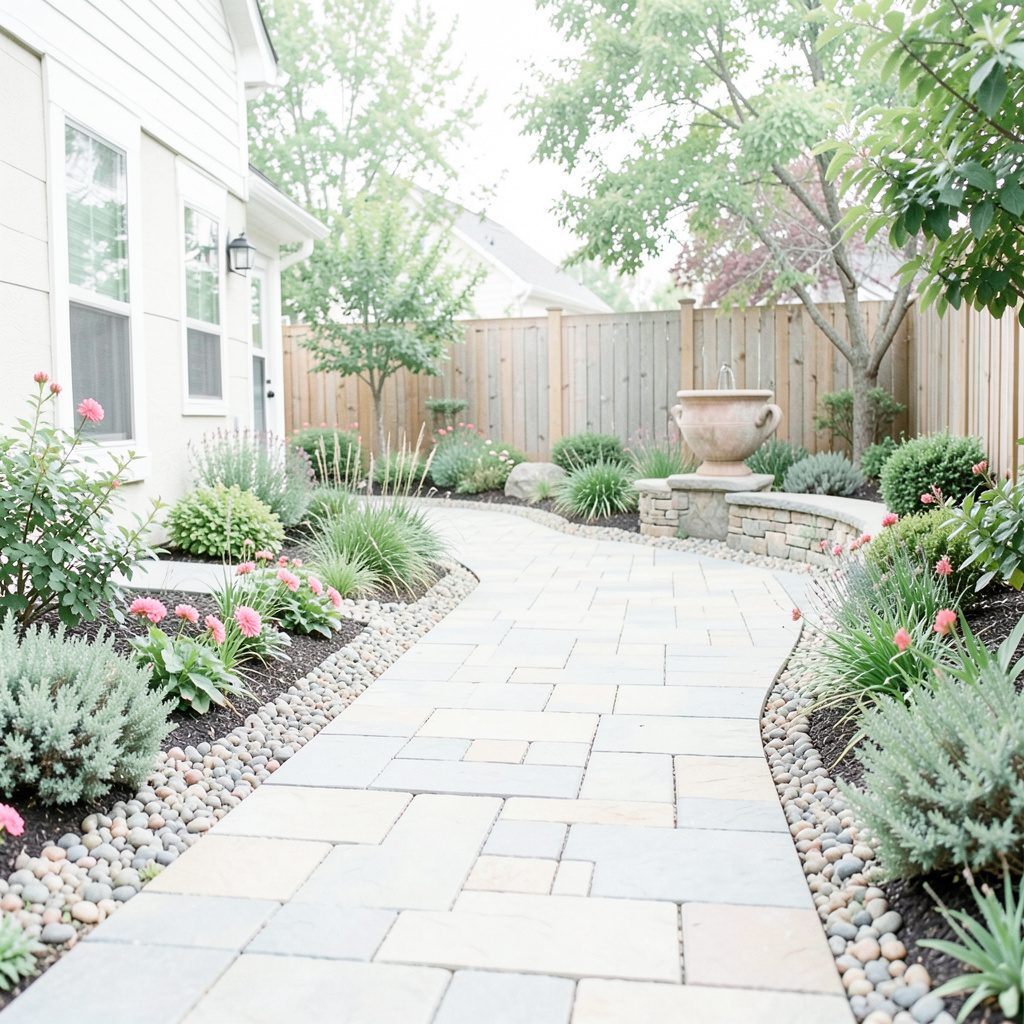
Landscape lighting for modern geometric gardens
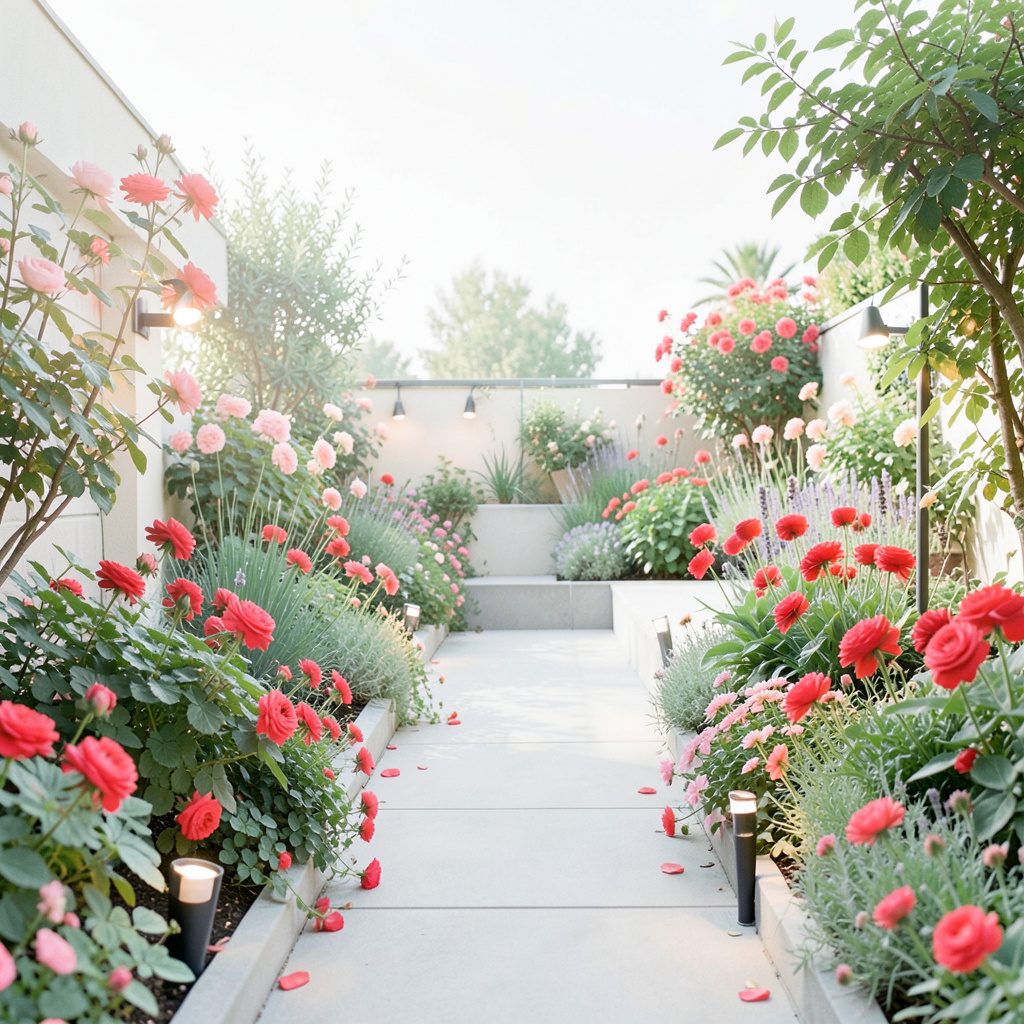
Landscape lighting for modern geometric gardens must clarify the design’s structure, not simply brighten every surface. Angular beds, clipped hedges, sculptural plants, terraces and long paved lines need different forms of illumination. Grazing light reveals texture, while narrow accent beams create depth against dark foliage. Low markers keep routes legible and preserve the garden’s crisp visual rhythm after sunset.
A successful scheme layers ambient, task, accent and security lighting rather than relying on one powerful source. Soft light under a pergola supports outdoor dining, directional light serves a working path, and carefully shielded fixtures highlight the main architectural feature. The aim is comfortable visibility with enough shadow to retain the geometry and a calm atmosphere beyond the brightest areas.
Australian homes make this particularly practical because courtyards, patios and lawns often become the main social space during long summer evenings. In Sydney, Melbourne, Brisbane, Perth and Adelaide, compact terraces and low water tables call for light that extends use without glaring into neighbouring homes. Planting may combine drought-tolerant natives, clipped exotics and broad-leaved evergreens, but every fixture still needs to suit heat, UV, rain and coastal salt exposure.
Hardware choices are plentiful, yet specification matters more than brand or price. Philips hardwired products and InnoGear solar lights represent different approaches, and shoppers often compare listings through Amazon, Home Depot and local lighting stores. Check Australian stock, warranty, voltage and lamp or panel specifications before buying. Low-voltage LED, mains-powered LED and solar systems each have a place, but they should serve a planned hierarchy rather than form a miscellaneous collection.
Let the garden geometry set the light
Treat the garden plan as a drawing with layers of brightness. Mark the entry, main circulation route, entertaining areas, architectural walls and focal planting before selecting products. This helps identify where light should be soft and continuous, where a controlled beam is appropriate and where darkness can remain. It also prevents every attractive object from receiving equal emphasis, which would quickly make a formal garden appear visually busy.
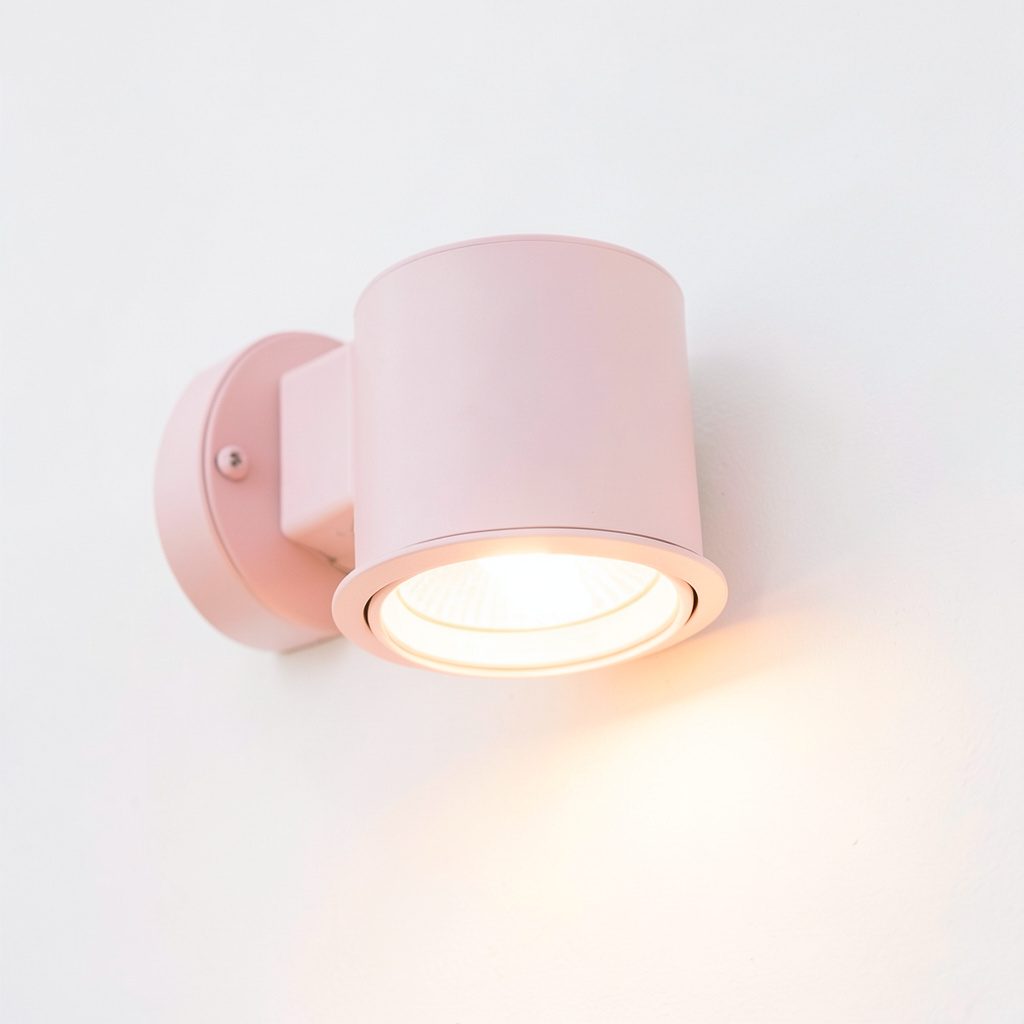
Contrast is created through direction as much as output. Light placed close to a wall can emphasise its surface texture, while light projected upward through a tree reveals branching shapes against the sky. Downward-facing fixtures preserve the dark canopy and reduce glare for people standing nearby. Before finalising underground routes, consult the BroadFork Tool catalogue when assessing cultivation equipment, since aerating or rebuilding beds can disturb shallow cable trenches.
Build light in layers
Begin with low-level ambient lighting around paths, steps and patio edges. Bollards, recessed markers and low wall washers establish the garden’s structure without requiring every surface to be illuminated. Keep the spacing consistent with the geometry: evenly repeated markers suit a straight path, while staggered fixtures can follow a curved hedge or irregular stepping-stone route.
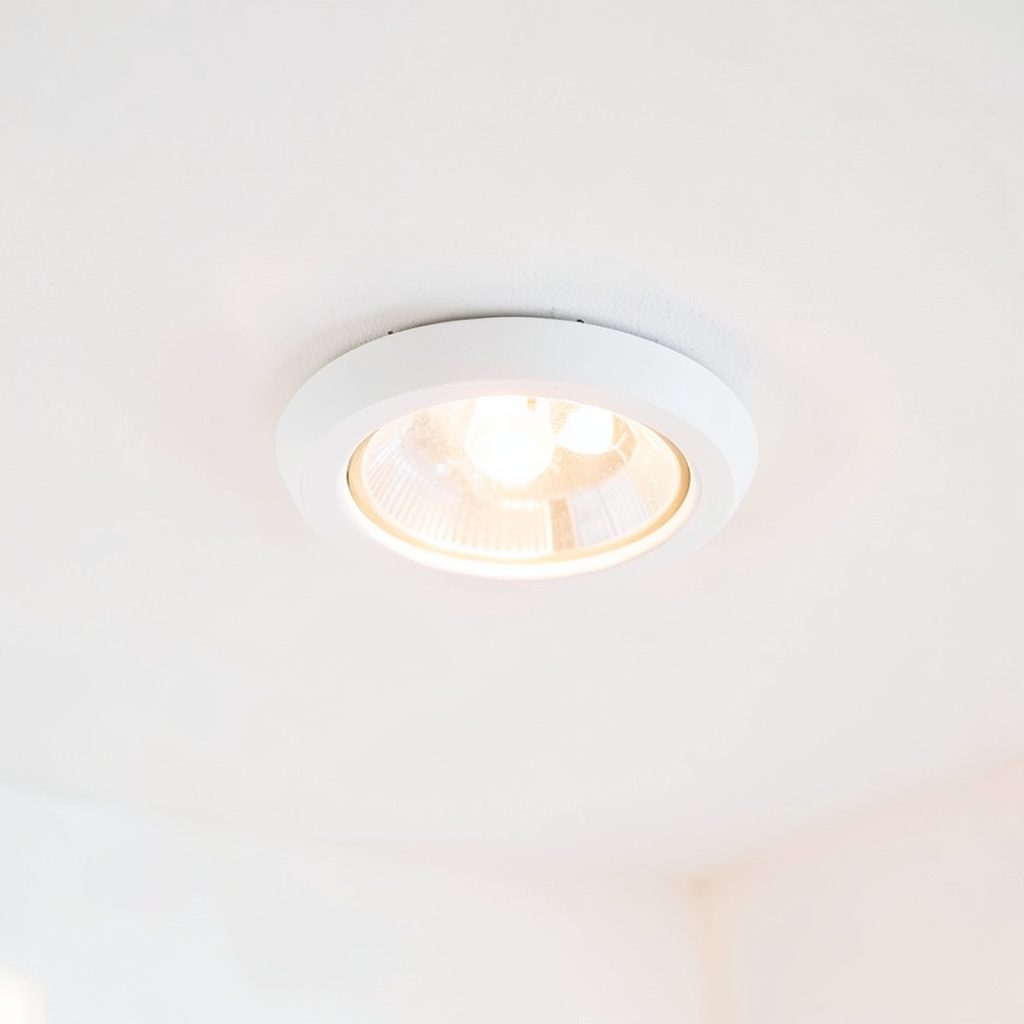
Task lighting should address actual use. Place shielded downlights beneath pergolas, near outdoor kitchens or beside seating walls. Accent lighting needs narrower control, particularly around sculpture, specimen trees and textured masonry. A beam angle between roughly 15 and 30 degrees creates a defined pool of light, whereas a wider spread softens edges and may blur the garden’s sharper design.
Security lighting should improve visibility rather than create harsh floodlit areas. Entry points, side paths and gates require enough illumination to identify obstacles, while downward placement limits disturbance upstairs. Meredith LBL’s outdoor security guide provides useful context for balancing visibility, coverage and residential comfort.
Match fittings to Australian conditions
Choose an appropriate ingress protection rating for each location. IP44 may suit sheltered fittings, while IP65 or IP67 is more appropriate where fixtures face open rain, irrigation or coastal spray. Check the manufacturer’s orientation requirements as well, since some outdoor lights are only rated for upward, downward or horizontal installation. Powder-coated aluminium and corrosion-resistant stainless steel generally tolerate Australian conditions better than untreated lightweight metal.
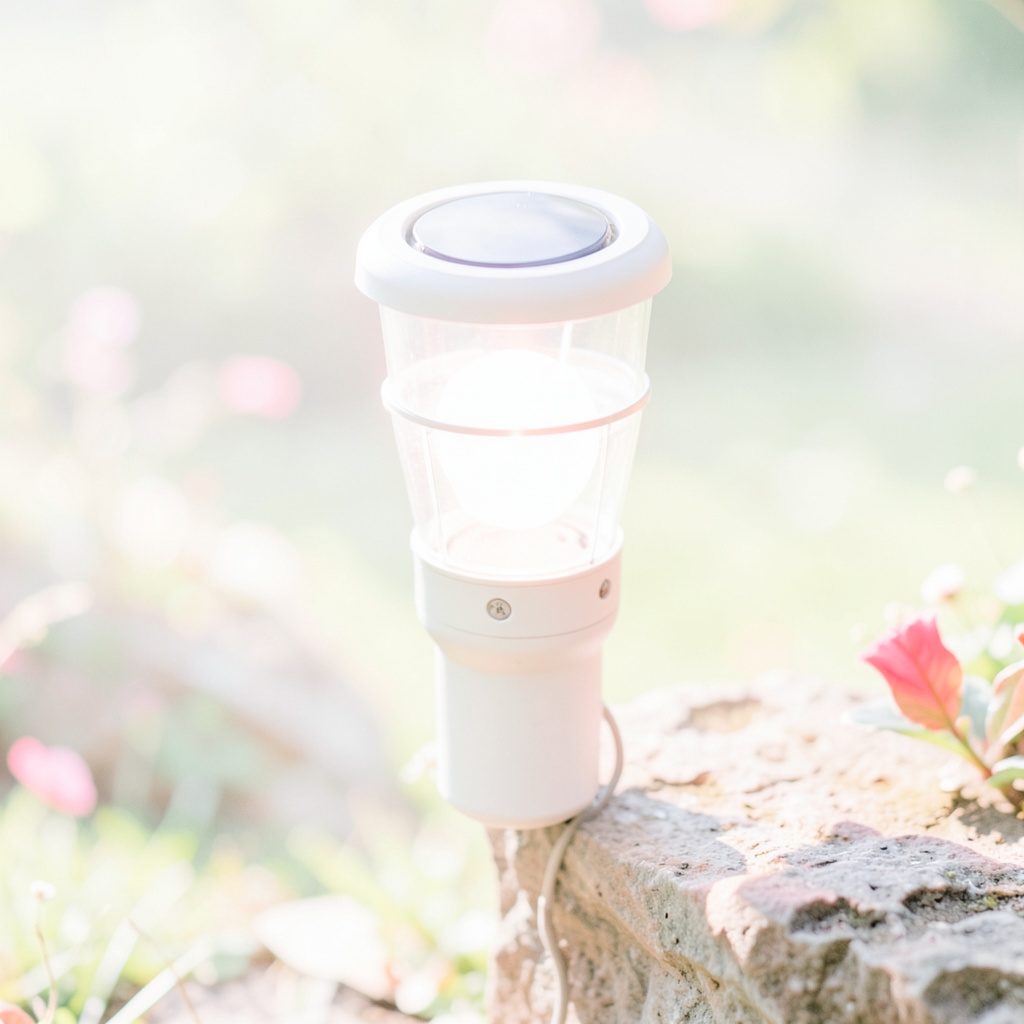
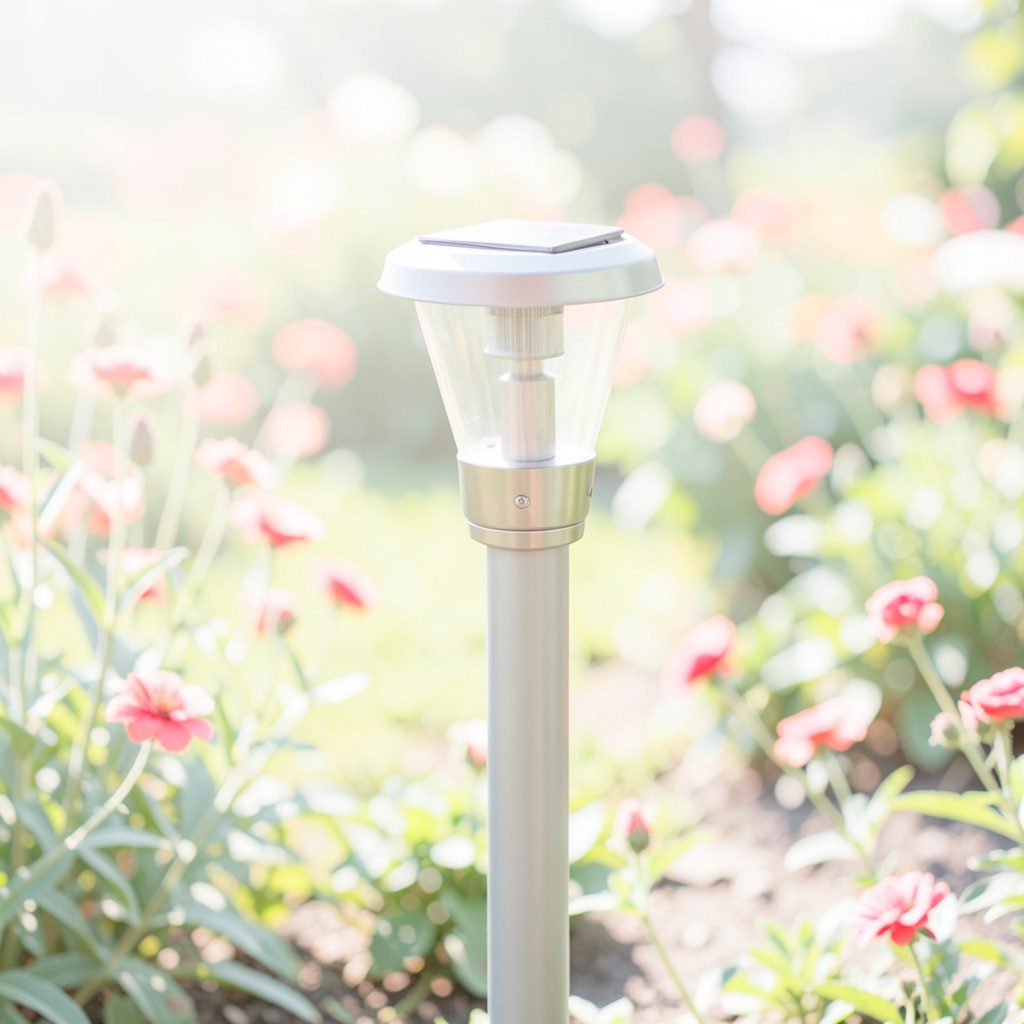
Solar lighting works well where panels receive strong, direct sun, but many geometric gardens contain shade from walls, trees and pergolas. Position the panel where it can charge efficiently, provide enough battery capacity for several cloudy days and avoid placing it beneath downlights that might trigger automatic sensors. Mains LED remains more consistent for heavily shaded routes. Philips and InnoGear offer contrasting hardwired and solar options, but retailer availability should be checked alongside local voltage, warranty and replacement-part support.
Control glare, overspill and seasonal growth at the same time. Automatic timers, dusk sensors and dimmable circuits can reduce energy use while preventing illuminated windows and gardens from becoming unnecessary nighttime features. Meredith LBL’s privacy considerations explain why shielding, positioning and neighbour-aware control are especially relevant to closely spaced homes. Prune shrubs gradually so they enhance privacy without blocking essential path lighting.
Plan a reliable, maintainable lighting system
A 12- or 24-volt low-voltage system offers flexibility for garden pathways and planting, provided cable runs, cable gauge, voltage drop and transformer loading are calculated before installation. Mains-connected fittings need suitable outdoor junctions and protective devices. Fixed wiring and electrical alterations should be handled by a licensed electrician in accordance with state Electrical Safety Rules and relevant Australian Standards, including AS/NZS 60364; residual-current protection also matters in damp outdoor environments.
Allow access to drivers, transformers and connectors without disturbing paving or planting. Keep joints accessible, label circuits and leave room for future repairs. Maintenance includes cleaning lenses, checking seals and trimming vegetation. In Tasmania, alpine regions and other cold pockets, petrol-powered equipment also needs seasonal care; the principles for winterising a gas mower explain why cleaning, fuel treatment and dry storage help protect machinery during prolonged cold periods.
- Map each zone and assign it an ambient, task, accent or security role before purchasing fixtures.
- Keep colour temperatures consistent within connected areas, using warm white around 2700K for relaxed entertaining spaces.
- Specify outdoor-rated connectors, cable and fittings with suitable ingress protection rather than relying on indoor components.
- Space path markers evenly and check their brightness from seated and standing viewpoints after installation.
- Inspect fittings and exposed connections seasonally, especially after storms, heatwaves or rapid vegetation growth.
Test the design after dark
Prototype the arrangement before committing to expensive products. Borrow or temporarily position several lights, then view the garden from the house, street, neighbouring properties and key garden entrances. Photograph each area at different brightness levels and note where beams appear harsh, plants lose definition or dark paths remain difficult to navigate. The same geometry that looks precise by day may need softer transitions after dusk.
Finalise cable routes, fixture finishes and planting adjustments while the temporary test is active. Confirm that security lighting improves orientation without making the garden conspicuous, and that decorative features remain the brightest visual focus rather than the brightest objects in the distance. The next concrete step is to mark three temporary light positions at the entry, beside the main sculptural plant and at a path corner, then evaluate them together after dark.