Featured Topics
The most energy-efficient outdoor LED bulbs for Australian gardens
Choosing the most energy-efficient outdoor LED bulbs starts with a simple distinction: low wattage helps only when the lamp still gives clear, comfortable light. In a garden, useful illumination at ground level matters more than a bright pinpoint that creates glare and leaves the path shadowy.
Australian conditions shape the choice. Brisbane’s heat, Melbourne’s damp winters and Sydney’s salt air create different stresses for outdoor fittings. Everyday habits matter too: patios host evening meals, paths are checked after dark, and garages need security lighting. Efficiency should be judged by useful light and controlled run-time, not simply the smallest wattage on a packet.
Start with useful light, not raw wattage
Compare rated lumens, watts and beam angle before choosing an outdoor LED bulb. The lumen figure describes light output, while beam angle determines whether the lamp creates a narrow accent, an even path wash or broad coverage. Match that spread to the fixture so light reaches the ground instead of neighbouring foliage.
Efficacy reveals the efficiency gap. Divide lumens by watts to obtain lumens per watt; quality LED bulbs commonly sit around 70–120 lumens per watt, while older halogen lamps may manage only 15–25. These are broad ranges, so use them to flag a weak result and confirm the manufacturer’s test data.
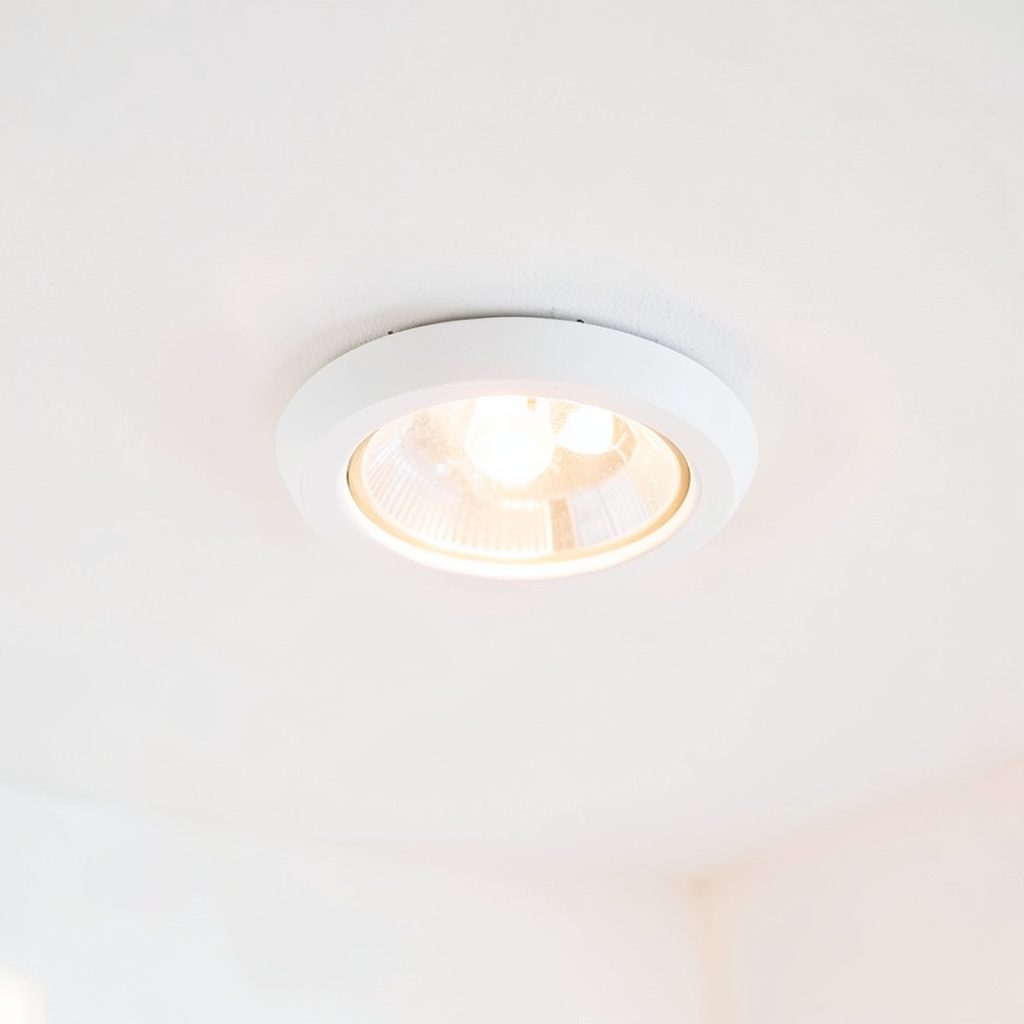
Also check whether the lamp is approved for enclosed fittings and dimming. Heat can shorten service life, and an incompatible dimmer may cause flicker. As a useful comparison, replacing a 25W halogen with a 7W LED cuts lamp electricity by 72 per cent before any control savings.
Match lamps to weather, heat and fittings
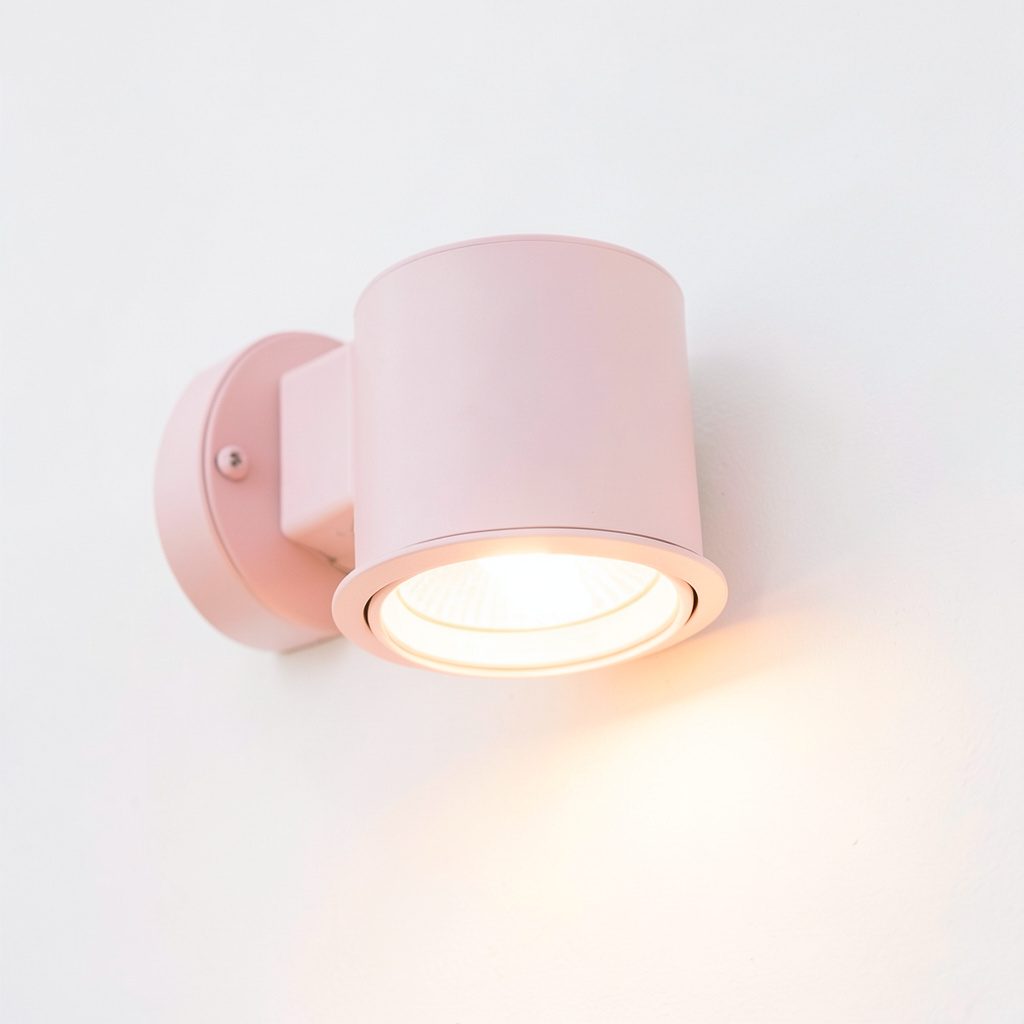
Choose an outdoor-rated fitting with suitable ingress protection: IP44 resists splashing, IP65 handles dust and water jets, and IP67 allows temporary immersion. A bulb inside a sealed fitting may not need the same rating as the enclosure, but exposed lamps and connectors do. Follow the fixture maker’s installation instructions.
Heat and corrosion can undermine a suitable product. Check maximum operating temperature for enclosed fittings in Brisbane and northern Australia, and choose corrosion-resistant fittings for exposed Sydney gardens. Ultraviolet light also hardens rubber seals, so periodic inspection helps maintain the protective enclosure.
Confirm the base, voltage, transformer type and physical size. Australian mains power is nominally 230V, while GU10 and MR16 lamps may be low-voltage. For planning beyond one fitting, the outdoor lighting guidance offers a practical way to assess coverage, placement and light spill.
Design in layers for better visibility
A garden plan works best in layers: ambient light establishes a safe level of visibility, task light serves paths, steps and patios, and accent light highlights plants or features. Security lighting can support those layers, but a bright flood aimed across a street rarely adds useful detail. Each layer can use a lower-output bulb than one all-purpose fitting.
Colour affects both comfort and visibility. Warm white at 2200–3000K generally suits entertaining areas, while 3000–3500K can make paths easier to read without looking clinical. Choose a colour-rendering index of 80 or higher, or above 90 where accurate plant and material colour matters. Consistency between fittings also matters more than maximum colour temperature.
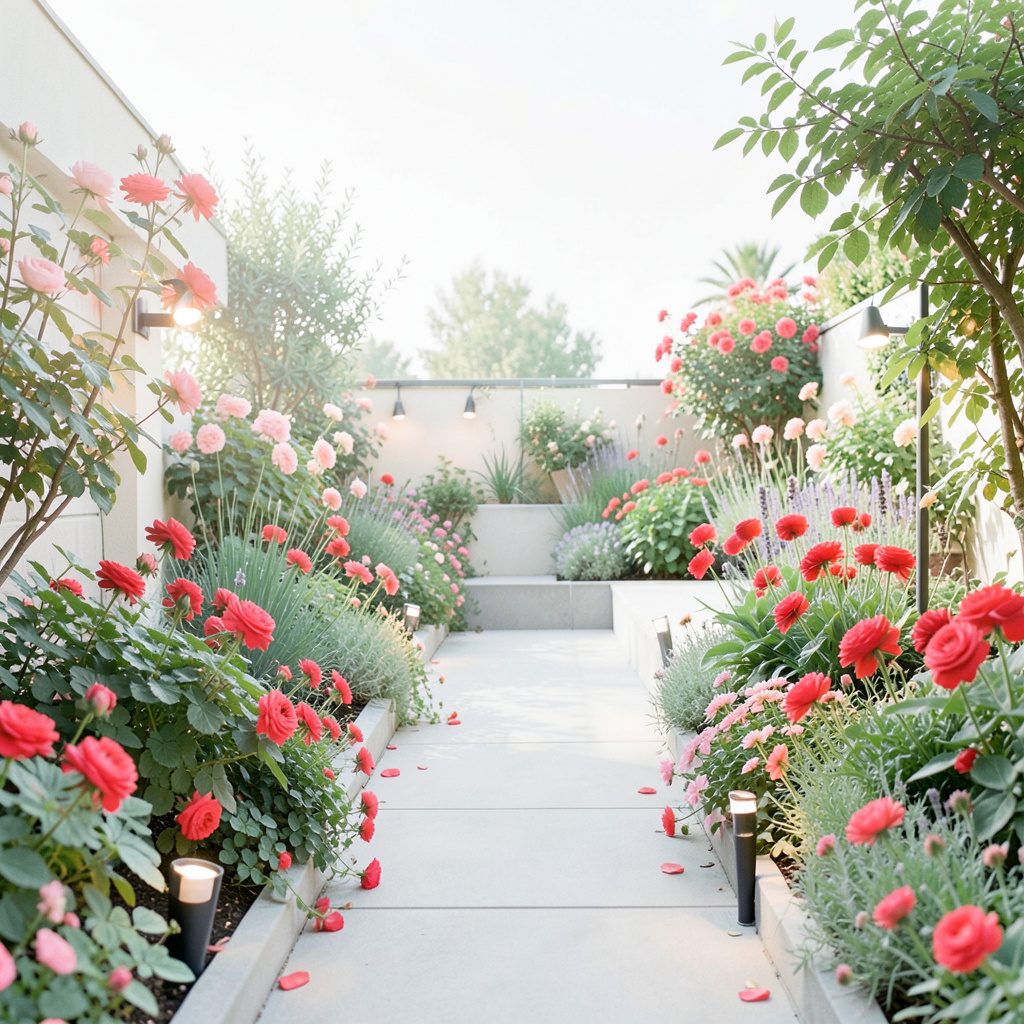
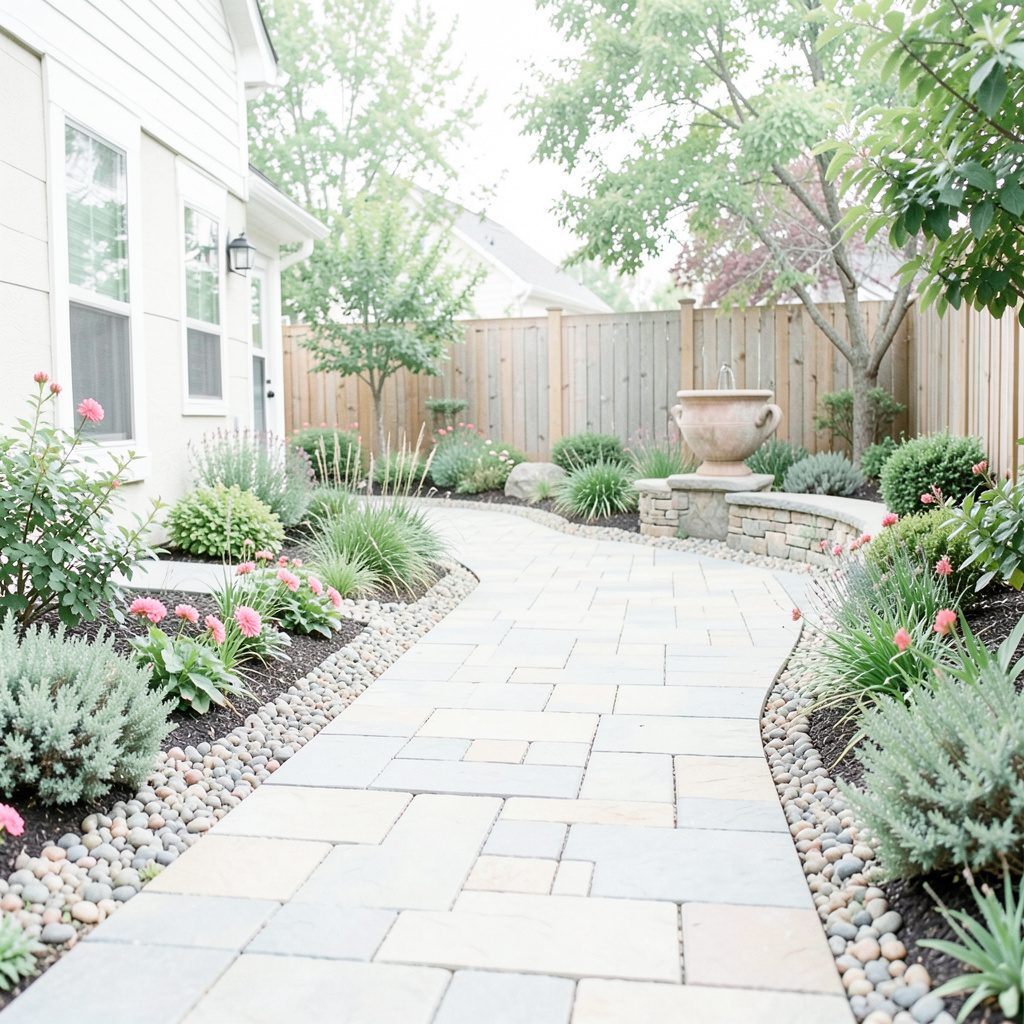
Placement and shielding determine whether the result feels comfortable. Aim light downwards, keep lamps out of direct sightlines and use narrow beams for accents. Visual examples in landscape lighting designs show how fixtures, beam angles and planting interact in a real garden.
Use controls to cut wasted hours
The cheapest electricity is the energy not used. An astronomical timer follows sunset and sunrise, a dusk-to-dawn sensor serves steady security areas, and a motion sensor can suit secluded paths. Set security lighting to detect movement rather than run at full output all night, and schedule decorative lighting around the hours the garden is actually used.
Smart bulbs add flexibility where household routines vary, but check standby consumption, app reliability and whether schedules operate locally when Wi-Fi drops. A dimming-capable model is often more useful than extra colour settings, because occupants can lower output during quiet periods and raise it for arrivals or maintenance.
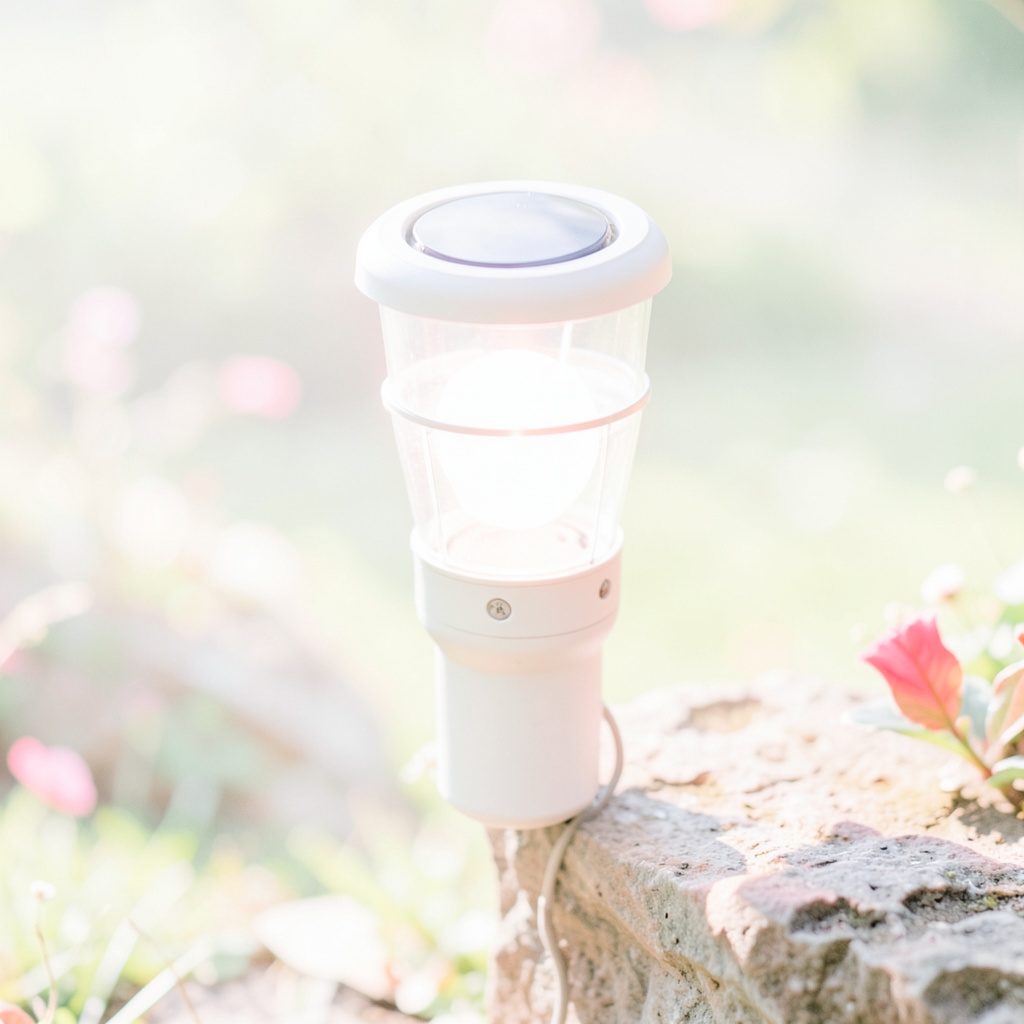
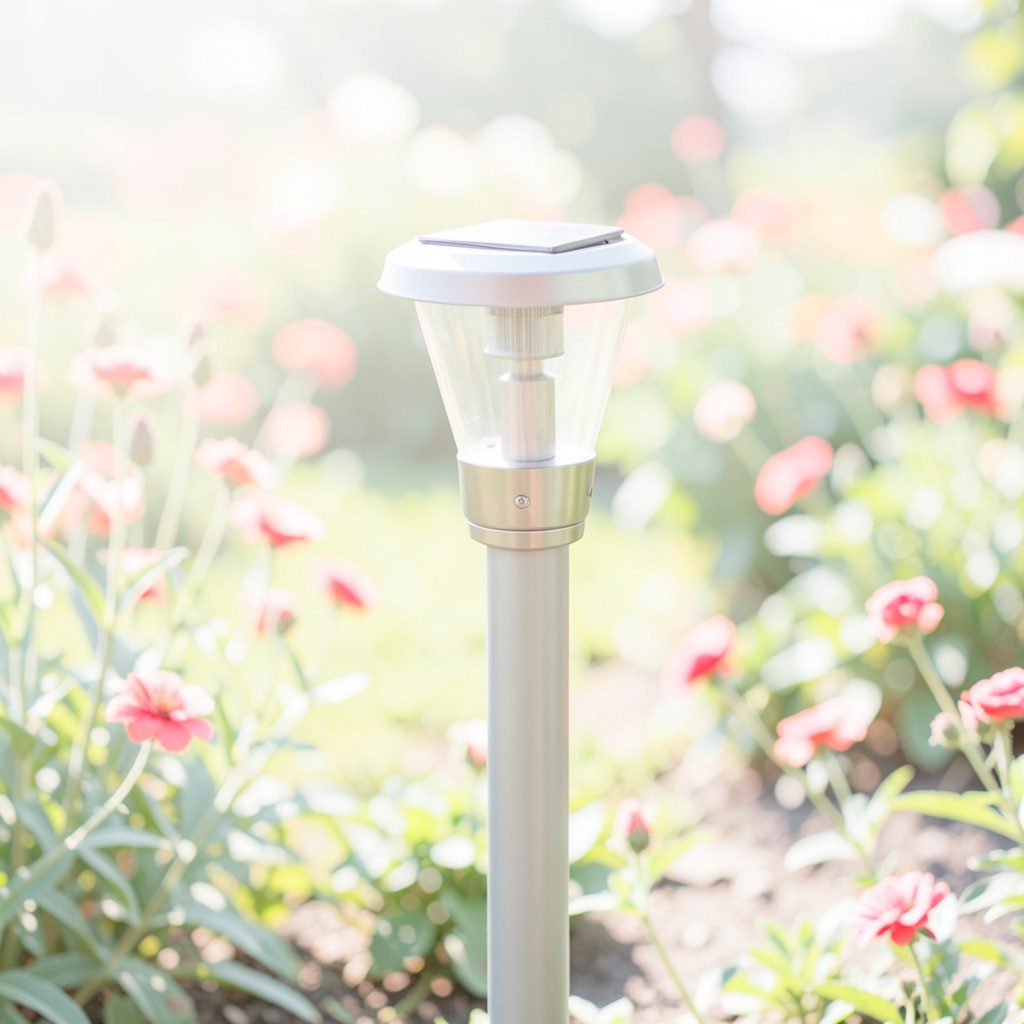
Where cabling is difficult, solar lighting can remove grid electricity entirely. InnoGear’s solar path and landscape lights are worth comparing for lumen output, panel size, battery replaceability and runtime. In Melbourne, panel placement and winter sun need attention; in Brisbane and Sydney, summer sun is stronger, so seasonal charging and shading still matter.
Compare products, power and running costs
Build a like-for-like shortlist before comparing prices. Philips is widely stocked in Australian electrical and home-improvement stores, while InnoGear is prominent in solar and low-voltage landscape ranges. Compare Amazon Australia and local listings, and check reviews for flicker, early failure and colour consistency. Home Depot pages can provide a specification benchmark, but US 120V stock is not automatically suitable here.
A useful buying sequence appears in this guide on choosing the right fixture: settle the location, required illumination, power source and fitting format first, then choose a product. For Philips lamps, match the format to the existing fitting—GU10 for many spotlights, E27 for globes, or MR16 only where a compatible low-voltage transformer is installed. Record the following for each candidate:
- Base, voltage and transformer compatibility
- Rated lumens, watts and lumens per watt
- Beam angle, including any accessory lens
- Weather rating and maximum operating temperature
- Colour temperature, colour rendering and dimming support
Next, calculate running cost from daily hours and the retailer’s current electricity tariff. A 7W lamp used for five hours a day consumes about 12.8kWh a year; a 25W lamp consumes about 45.6kWh, a difference of 32.8kWh. Compare the complete purchase rather than relying on the sticker price:
- Annual energy cost at the applicable tariff
- Cost of compatible controls, wiring and installation
- Warranty and local replacement-lamp availability
- Expected battery replacement for solar models
- Compliance documentation for the exact model
For covered lighting products, check the applicable AS/NZS 4970-series energy-performance and labelling requirements, and look for relevant GEMS records where the category is declared. Ask the supplier for applicable Australian compliance and electrical-safety evidence; a CE or FCC mark alone does not establish local compliance. If the fitting is integrated rather than replaceable, include the cost of replacing the entire fixture in the comparison.
Make one measured first upgrade
A sensible scheme combines modest-output LEDs, suitable colour, controlled hours and layered placement. Review the garden after dark for dark paths, glare and fittings that burn all night; those observations reveal where a low-output bulb is inadequate and where unnecessary wattage is doing no useful work.
For a second opinion on professional planning and product selection, read Meredith LBL’s author profile. Prioritise replacements that retain existing fittings and wiring, then consider controls before adding more luminaires. This sequence usually delivers savings with less visual clutter than replacing the entire garden at once.
This weekend, identify the outdoor lamp that runs for the most hours, record its wattage, and replace it with a compatible LED of equal or better useful output; note the reduction in scheduled run-time.