
Featured Topics



In-Ground LED Lights for Driveway Edges: Pros and Cons
A well-lit driveway does more than make a property look polished after sunset. It helps define the route from the street to the garage, highlights planting beside the pavement, and gives visitors a clearer view of steps, changes in level, and parked vehicles. In-ground LED lights can create this effect with a discreet appearance that suits both contemporary homes and established Australian gardens.
These fittings sit flush with the surface, unlike bollards or wall-mounted lanterns that remain visible during the day. Their small footprint makes them useful where a narrow driveway borders lawn, gravel, garden beds, or a pedestrian path. They can also work with warm white lamps, colour-changing systems, or smart controls for a more adaptable outdoor lighting scheme.
The best result depends on more than brightness. Drainage, vehicle loads, wiring, glare, replacement access, and local electrical rules all affect whether recessed driveway lights are a sensible investment. A carefully planned installation can be elegant and practical, while a rushed one may collect water, fail early, or make night-time reversing less comfortable.
Why Driveway Edge Lighting Appeals
Flush-mounted LED pavers give a clean visual line along the boundary of a driveway. Rather than flooding the whole surface, they create reference points that show where the concrete, pavers, or asphalt ends. This restrained approach can make a narrow driveway feel wider and can frame a garden without competing with feature trees or outdoor seating.
The appearance is especially effective on modern homes in Sydney and Melbourne, where simple architectural lines are often paired with structured planting. Warm white light around 2700K to 3000K usually feels more residential than cool blue-white light. It can also coordinate with wall sconces, patio lighting, and illuminated entry paths.
There is a practical safety benefit when the lights are spaced properly. They can reveal the edge during wet weather, assist guests arriving after dark, and make it easier to judge the turn into a garage. They should support visibility rather than act as runway markers, since overly bright or closely packed fittings can produce glare through a windscreen.
Benefits Of LED In-Ground Fixtures
LED technology uses relatively little electricity compared with older halogen garden lamps, which makes it a good match for lights that operate every evening. A low-voltage system can be connected to a timer, photocell, or smart controller, allowing the driveway to illuminate automatically around dusk. Options for connected outdoor lighting are discussed in this smart lighting guide, particularly for households that want schedules or remote control.
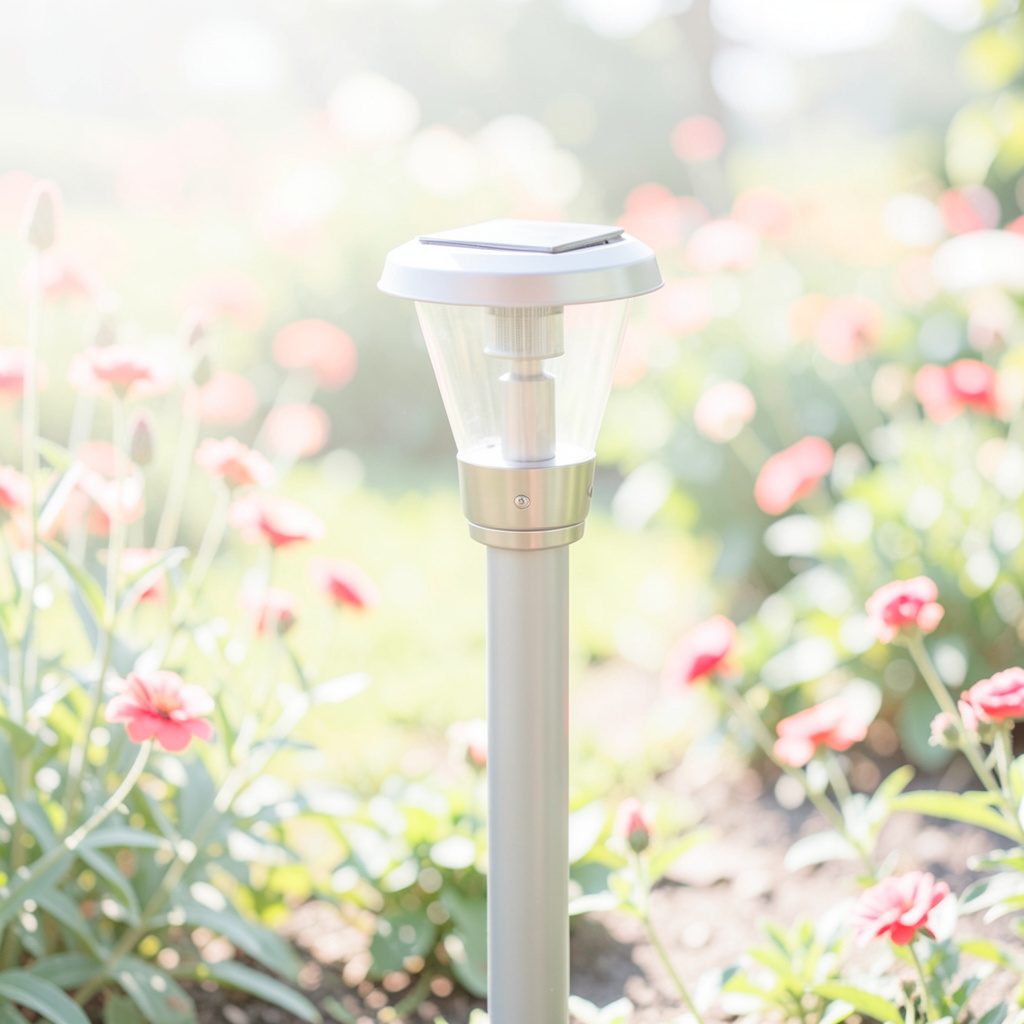
Modern LEDs also offer long operating lives and instant illumination. There is no warm-up period when a sensor detects movement, and many fittings maintain consistent colour output for years. Solar versions avoid trenching for mains cables and may suit a sunny section of lawn, although their performance can vary after cloudy days or during winter.
Recessed lights also preserve usable space. A bollard can be struck by a trailer, wheelie bin, or lawn mower, while a flush fitting is less likely to obstruct people walking beside the driveway. The low profile is useful for homes where the garden borders a narrow access lane or where the owners prefer minimal daytime hardware.
Costs And Installation Requirements
The purchase price varies widely. Basic solar pucks may be inexpensive, while traffic-rated stainless-steel fixtures, transformers, junction boxes, and professional installation can raise the project cost considerably. Products from recognised brands such as Philips may offer stronger documentation and warranties, while imported InnoGear-style kits can appeal to shoppers seeking a lower initial price.
Installation is often more involved than placing garden stakes. A fitting needs a stable, level recess, suitable drainage, protected cable routes, and enough structural strength for occasional vehicle contact. If the driveway is being resurfaced or rebuilt, installing the housings at that stage is usually easier than cutting into finished concrete later.
In Australia, fixed electrical work should be carried out by a licensed electrician. Low-voltage garden systems still require appropriate equipment and safe connections, and mains-powered components must comply with relevant Australian requirements, including the principles of AS/NZS 3000. An electrician can also determine whether an RCD, transformer location, or additional protection is needed for the proposed layout.
Drawbacks That Deserve Attention
The most common weakness is water ingress. Driveway edges receive runoff, mud, leaf litter, and grit, especially during heavy rain in Brisbane or tropical parts of Queensland. A product described as weather resistant is not automatically suitable for a location exposed to pooling water or vehicle wash-down. Look for a suitable IP rating, drainage design, corrosion-resistant materials, and clear instructions for installation below ground level.
Maintenance access is another concern. Although LEDs can last for many years, the entire fitting may need replacement if the driver, seal, or integrated lamp fails. A light buried in concrete is harder to repair than a surface-mounted fixture with a replaceable globe. Keeping a record of the model and purchasing a spare unit at the beginning can prevent a mismatched replacement later.
Glare can make these lights uncomfortable for drivers and neighbours. A bright lens aimed upward may reflect from wet paving or shine directly into a living-room window. Shielded optics, frosted covers, lower lumen output, and wider spacing are usually better than choosing the brightest available product.
Australian Conditions And Compliance
Australia’s climate makes material selection important. Coastal homes around Sydney, Adelaide, and Perth may face salt-laden air, while northern regions combine heat, humidity, intense sun, and seasonal storms. Stainless steel, UV-stable cable, sealed connectors, and a robust housing generally offer better long-term value than decorative fittings designed for mild indoor conditions.
Everyday habits also influence placement. Wheelie bins are commonly moved to the kerb on collection night, children may cross the driveway while playing outside, and many households use the front area for unloading groceries after work. Keep fixtures away from likely wheel paths and avoid creating a line that encourages people to walk over garden beds or drainage channels.
Planning should account for the driveway crossover and local council expectations. The public footpath and street verge may be council-controlled, so lights should not create glare for traffic, obstruct pedestrians, or spill into the road. In some areas, alterations near the crossover, verge, or stormwater route may need approval. Checking with the local council before construction is safer than assuming all work is confined to private land.
How To Choose A Suitable Layout
Start with the function rather than the product photograph. Mark the driveway edge, garage entrance, pedestrian route, drainage points, trees, and areas where a car’s tyres may pass. A lighting designer’s gallery, such as these garden lighting designs, can help compare understated edge lighting with brighter security-focused arrangements.
Use fewer fittings than the display image may suggest. A repeating rhythm at corners, changes in direction, and the garage threshold often gives enough guidance without turning the driveway into a bright border. Test temporary lights at night before cutting or paving, because daytime spacing can look very different after dark.
Useful selection criteria include:
- Choose a fitting rated for outdoor ground installation and occasional vehicle loads.
- Prefer warm white LEDs with shielded or recessed lenses to reduce glare.
- Check the IP rating, corrosion resistance, cable specifications, and replacement policy.
- Use a licensed electrician for fixed wiring, transformers, connections, and protection devices.
- Match the light spacing to the driveway shape, not simply to the number of products in a pack.
A sensor can be useful near the garage or entry path, while a low-level dusk-to-dawn setting may suit the driveway perimeter. Avoid linking every fitting to a highly sensitive motion sensor, as passing cats, possums, or street activity can trigger unnecessary illumination.
Buying And Comparing Outdoor Options
The Australian market includes specialist landscape suppliers, electrical wholesalers, Bunnings-style home improvement retailers, online marketplaces, and lighting showrooms. Compare the actual specifications rather than relying on terms such as “waterproof”, “premium”, or “commercial grade”. Check whether the driver is included, whether the cable length is sufficient, and whether the warranty applies to underground installation.
A useful starting point is the author profile, which provides context for evaluating outdoor lighting ideas and product-led garden recommendations. For a broader view of technical fixture styles, the Epi-Light range can also illustrate how recessed, surface, and architectural outdoor fittings differ in construction and intended use.
Solar lights remain appealing for a small garden path or a driveway section with uninterrupted northern exposure. They are less dependable beside a shaded garage, beneath dense trees, or in a location where winter daylight is limited. Wired low-voltage lights cost more to install but usually provide steadier output and greater control.
A Practical Way To Finish The Design
In-ground LEDs suit driveways where a subtle edge line, low visual profile, and automatic evening operation matter. Their advantages are strongest when the surface is being renewed, drainage is well managed, and the fittings are selected for local weather and occasional vehicle pressure. Their disadvantages become more serious when poor-quality housings are placed in wet soil, glare is ignored, or repairs have not been considered.
Before buying, sketch the driveway and mark four points: the street end, the garage threshold, each change of direction, and any drainage or pedestrian crossing. Take that plan to a licensed electrician and use it to confirm spacing, cable routes, protection, and the most suitable fixture rating.