Featured Topics

Battery-Powered Outdoor Lights That Work for Renters
Renting in Australia often means a fibro courtyard in a Brisbane Queenslander, a slim terrace courtyard in Newtown, or a balcony in a high-rise off St Kilda Road. Tenants rarely get to drill, hardwire, or leave permanent marks on the property, which makes thoughtful outdoor lighting a bit of a puzzle. Battery-powered outdoor lights solve that puzzle neatly: no sparky required, no holes in rendered walls, and no need to chase a landlord's permission before hanging a single fixture.
The local market has caught up with that need. Bunnings, Beacon Lighting, and the usual Amazon listings now stock a strong range of solar and rechargeable units from Philips, InnoGear, and a handful of reliable Australian distributors. With the right picks, even the most temporary courtyard or shared walkway can feel like a proper outdoor room after dark, and plenty of renter-friendly inspiration is collected on the Meredith LBL home page alongside the bigger retailers.
Why Renters Lean on Battery-Powered Lights
The short version is freedom. A tenant can take the lights along to the next share house, the next coastal move, or the first owned place without leaving a trail of damage. Most units clip, hang, or stake into soil, which is a real bonus for anyone whose lease includes a "no alterations" clause.
There is also a regulatory layer to consider. Many local councils, including City of Sydney and City of Melbourne, have specific rules about hardwiring fixtures on listed or strata properties. A renter installing a wired floodlight on a heritage terrace could find themselves in a bind with the body corporate. Battery-powered units sidestep the paperwork entirely, and the lights can usually be removed in under a minute when a routine inspection rolls around.
The last piece is purely practical. Australian summer storms can knock power out for hours, and a self-sufficient light source still glows while the fridge is making unhappy noises. During bushfire season in regional NSW, a charged torch in the hallway is non-negotiable, and the same logic applies to outdoor lighting on the back patio.
What to Look for Before You Click Buy
Lumens matter more than wattage these days. A warm 100-lumen path light is plenty for marking a step, while a 600-lumen spotlight will read across a small courtyard. Anything that needs to do real security work should sit above 400 lumens and ideally pair with a PIR motion sensor that ignores the neighbour's cat.
IP ratings are the other number worth memorising. IP44 handles a covered patio, IP65 shrugs off a Melbourne downpour, and IP67 is the right call for anything near a pool or the salt air of a Fremantle backyard. The fine print on cheap units often drops to IP33, which means the first southerly buster kills them.
Battery type quietly shapes the whole experience. Replaceable AA or 18650 cells are easy to swap and cheap to source at any servo. Built-in lithium packs with USB-C charging are tidier but tend to lose capacity after two summers in the direct sun. A useful side-by-side of the chemistries that hold up best in our UV-heavy conditions sits in a recent Chique House feature on portable outdoor lighting.
Solar, Rechargeable, or a Mix of Both
Pure solar units are brilliant for sunny blocks but patchy in shaded courtyards. A north-facing fence in Adelaide will charge a solar panel all day; a south-facing balcony in Hobart will barely tickle it. The trick is reading the spot honestly before buying. If the light gets fewer than three hours of direct sun, pick a rechargeable model instead.
Rechargeable units also suit renters who like to rearrange. A spotlight that lives by the BBQ in summer can move to the entryway in winter with no tools, and a single USB-C cable covers the lot. The main downside is remembering to top them up. Most modern units run eight to twelve hours on a full charge, which is enough for a long arvo that drifts into a late dinner.
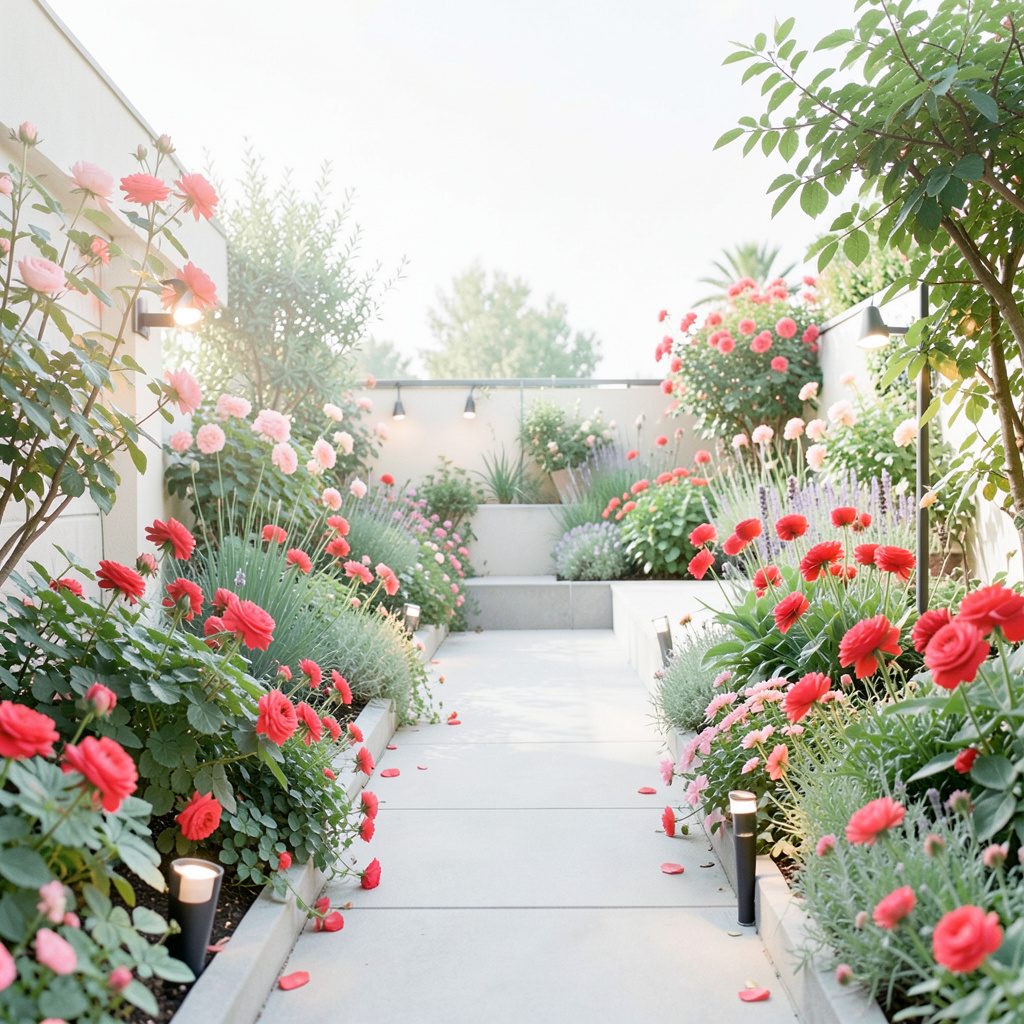
A mixed approach tends to work best in practice. A solar stake lights a pathway with zero maintenance, a rechargeable lantern handles the table, and a motion-activated flood light covers the back gate. That mix also means if one fails, the rest of the scheme keeps working. A photo essay on layered lighting in tight courtyards is a worthwhile reference before settling on a single style.
Installing Without Leaving a Mark
Command strips, removable hooks, and silicone cable clips are the renter's best friends. 3M Command hooks rated for outdoor use can hold a lantern up to about 1.5 kilograms on rendered brick, and they peel away cleanly with a hair dryer when the lease ends. Timber battens on older Queenslanders can usually take a small picture hook without complaint, though it is worth a quick check with the agent first.
For ground-level lighting, bungee balls and shepherd's hooks sit over fence posts and balustrades without a single screw. Path lights can rest on pavers rather than being staked into soil, which keeps the landlord's garden beds intact. Anyone tempted to drill into a brick letterbox or rendered wall should pause: bond money evaporates fast, and most agents will charge for patching at the next inspection.
The low-impact installation guide from Meredith LBL walks through the no-drill toolkit in more detail, including how to hide cabling along existing downpipes so the whole setup looks deliberate rather than temporary.
Styles Worth Knowing for Aussie Outdoor Spaces
String lights remain the unofficial national lighting solution. A warm 2700K festoon along a courtyard fence turns a concrete slab into somewhere people actually want to sit. Solar string sets have improved dramatically, and most now include a remote for dimming without walking across the yard in the dark.
Lanterns and table lamps work well for renters who entertain often. A rechargeable lantern with a built-in handle moves from the BBQ bench to the hallway without fuss, and the soft glow flatters a long dinner the way overhead LEDs never do. Philips makes a tidy rechargeable table lamp that shows up at most major Australian retailers, and it pairs nicely with a timber outdoor setting.
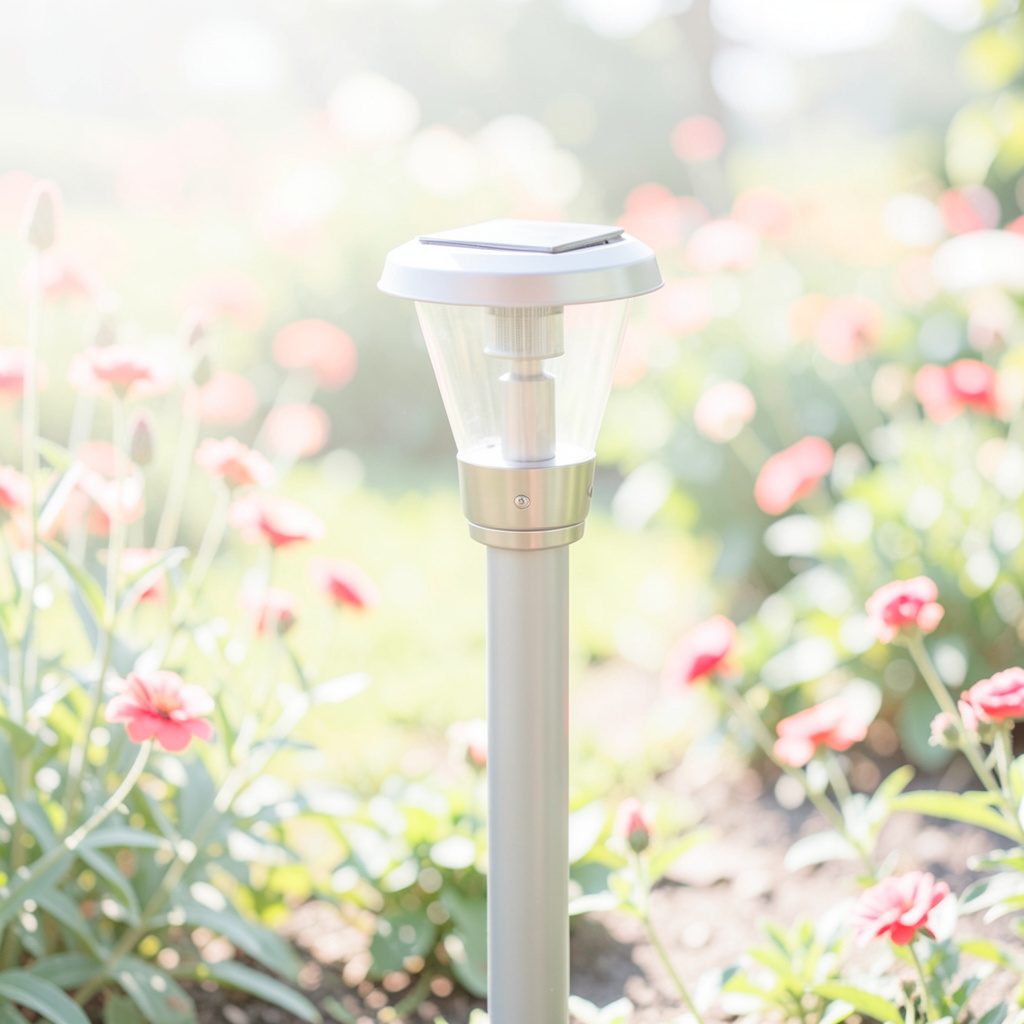
Path and spike lights handle the practical side. Solar spike lights from brands like InnoGear are popular at Bunnings and Amazon, and they slot into a lawn or garden bed without tools. For anyone with a vegie patch close to the entertaining zone, the Meredith LBL vegie-garden guide covers how to position low-level lights so they help the plants at dusk without scorching any seedlings.
End-of-Lease Care and Long-Term Habits
Pulling the setup down at the end of a lease takes about an hour if everything was installed thoughtfully. A quick wipe of silicone residue with eucalyptus oil removes most marks on rendered walls, and a handheld vacuum clears any soil that has collected around path light bases. Packing each light in its original box, or a labelled reusable container, makes the next install painless.
Battery care matters more than renters expect. Lithium cells last longer when stored at room temperature, so lights that live in a sun-baked courtyard over summer should come inside every few weeks to cool down. A monthly full discharge followed by a full charge keeps the battery calibrated, and most modern units will hold their brightness for a solid two to three years before the pack starts to fade.
Security lighting deserves a final mention. A renter worried about a dark side passage or a back gate without a peephole can add a battery-powered PIR floodlight that runs six months on a single set of cells. It draws the eye away from the door, deters opportunistic visitors, and disappears completely when the next tenant moves in.
Measure the brightest, shadiest, and wettest corners of the outdoor space this weekend, write those three measurements next to a quick phone photo of each spot, and take that list to a Bunnings lighting aisle to match fixtures against the real conditions of the courtyard.