Featured Topics
Solar string lights with remote control: Features and brands
Solar string lights with remote control make it simple to change a garden’s mood without walking outside. They suit patios, terraces, lawns, pathways and decks, while a battery and compact solar panel remove the need to run mains cable across beds or paving.
For Australian homes, the useful differences lie in charging time, weather resistance, light quality and wireless remote range, not just LED count. The features and brands below cover practical outdoor use, from small city balconies to longer runs in suburban gardens.
What remote control adds to garden lighting
Most solar string light controllers provide on/off control, several brightness levels, timed operation and preset effects. Some use a radio-frequency remote that works through walls; others use infrared and need a clear line of sight. Check which type is included, along with its stated range.
A timer is particularly useful for Australian evening routines, including after-work dinners, barbecues and late walks to the gate. It can switch the lights off after a set period, while dimming reduces glare for neighbours and nearby roads.
A basic remote does not create an internet connection. If the system also supports an app, voice assistant or security camera, check what data it handles and review the relevant privacy policy before enabling those features.
Features that handle Australian conditions
Look for a stated IP rating rather than vague words such as “weatherproof.” IP65 suits exposed outdoor strings; IP67 offers stronger protection for splash-prone positions. Also look for UV-resistant cable, sealed cable joints and corrosion-resistant fittings, especially along the coast.
Solar-panel position is crucial in Australia. A north-facing panel generally receives better year-round exposure in the southern hemisphere, subject to shade and surrounding buildings. Melbourne’s cloudier winters, Brisbane’s intense heat, Adelaide’s bright sun and Sydney’s coastal salt can each affect charging, battery life or fittings in different ways.
Compare usable evening runtime, battery capacity and charging time, not only the number of LEDs. A larger panel may support longer runs or brighter output. Check whether the battery is replaceable, since sealed units can still be economical when their cells eventually fail.
Brands and products worth comparing
Philips is familiar through Hue and Festive lighting, but many of its popular outdoor strings are mains-powered rather than solar. Treat the brand name as a starting point: verify the exact model’s power source, remote compatibility and weather rating before buying a Philips listing.
InnoGear is commonly listed for affordable solar string lights with remote controllers and multiple lighting modes. Compare its lumen output, panel size, timer functions and customer feedback across models, since specifications and bundle contents can change. A controller with more modes is not automatically better if the light is dim or charges slowly.
Australian buyers can check current stock through Amazon.com.au, Home Depot Australia, Bunnings and specialist lighting sellers; established brands such as Govee may also offer app-based or colour-changing options. Prices and imports change often, so read the warranty terms carefully. For transparency about the site’s product-review approach, see the about the author details.
Balancing light, layout and garden style
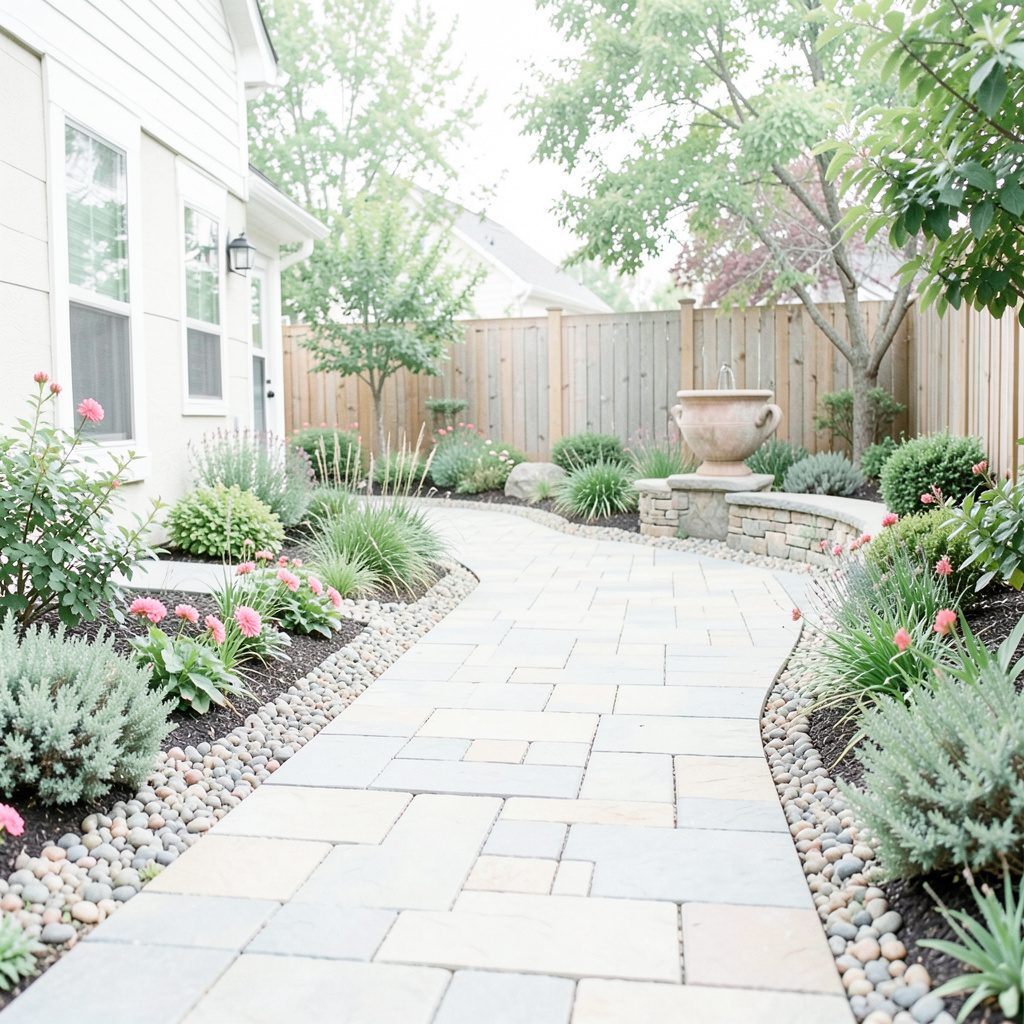
Choose warm white LEDs around 2200–2700 K for brick, timber and established gardens, while cooler tones suit contemporary paving and metal. Extending an indoor palette outdoors can create visual continuity; the balance principles in mixed interior styling offer useful comparisons.
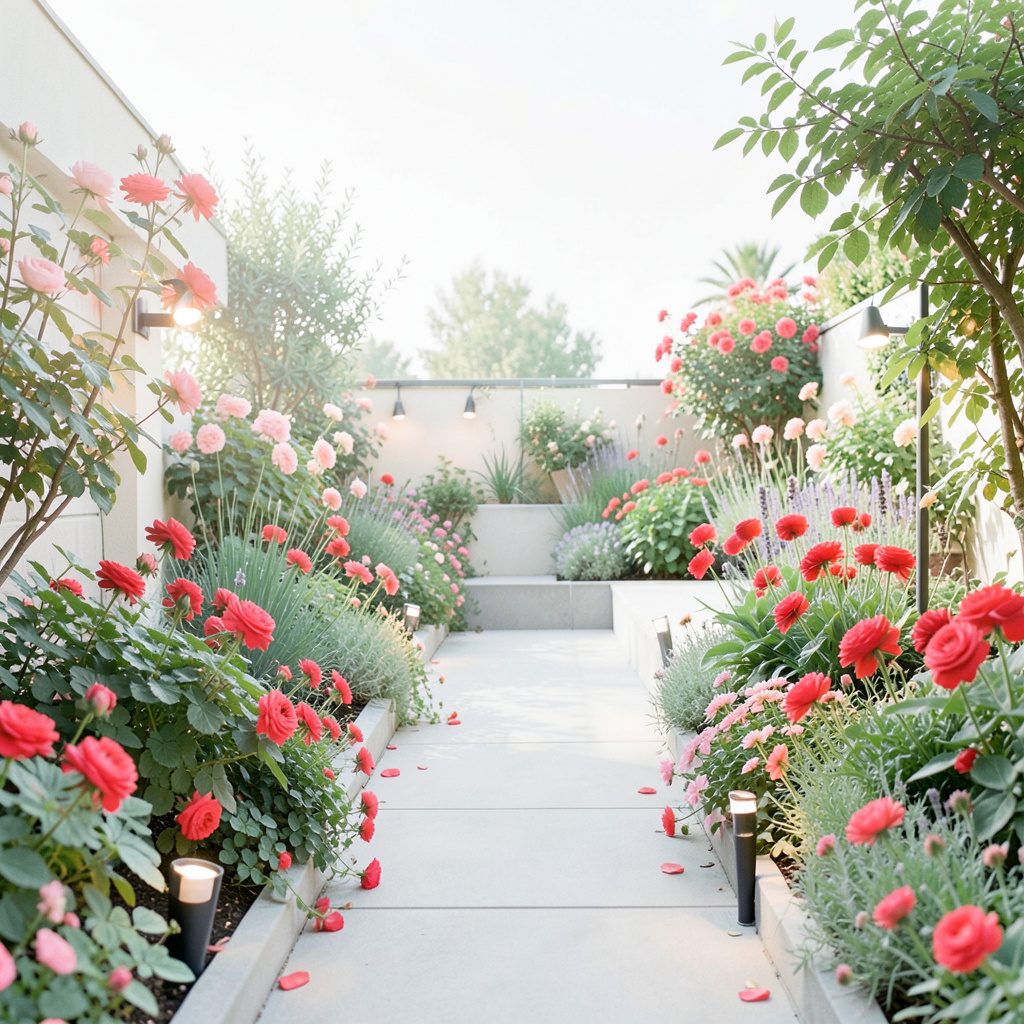
For pathways, aim for gentle pools of light rather than continuous glare. Patios and terraces need slightly brighter coverage for tables, while lawns are usually best marked with widely spaced points of light. Colour-changing bulbs add atmosphere but are rarely needed for everyday security or navigation.
Use the remote to create distinct scenes: low light for late evenings, a brighter path setting for arrivals and a decorative mode for entertaining. Test these levels after dark, because a comfortable setting in a showroom may look harsh beneath trees or beside reflective windows.
Installation details that prevent early failures
Give the panel the best available sun position and follow the maker’s stated charging time, commonly six to eight hours of direct sun. Keep it clear of tree drip, sprinklers and dense shade. In very hot weather, leave airflow around the panel and avoid placing it on dark surfaces that can become extremely hot.
A useful step-by-step installation guide can help with spacing, low-voltage connections and testing the controller before everything is fixed down. Mount the solar panel and any non-weatherproof receiver under cover, and route cable away from mower paths and irrigation heads.
Check local council rules before attaching lights to trees or public-facing areas, particularly in bushfire-prone parts of outer Melbourne or northern Sydney. Clean the panel, tighten corroded fittings and replace damaged cables promptly. Any added mains-powered lighting should use products approved for Australian electrical safety, with hardwired work completed by a licensed electrician.
A practical buying checklist for dependable outdoor lighting
If the run crosses a lawn, keep vulnerable cables away from mower traffic and soft, wet turf. Advice on sandy lawns is available in bahiagrass lawn care, which is also relevant to choosing a stable route for low-voltage lights.
A balanced purchase should meet these practical criteria:
- Choose a clearly stated IP rating, UV-resistant components and rust-resistant fittings.
- Compare panel size, battery capacity and realistic runtime instead of relying on LED count.
- Confirm the remote type, range, timer settings and available brightness modes.
- Plan sun exposure, cable routing and weather protection before fixing the lights.
- Buy from an Australian seller and retain the receipt; the Australian Consumer Law requires goods to be of acceptable quality and fit their disclosed purpose.
The most dependable setup matches a weather-rated light to the site, gives the panel genuine sun exposure and treats brightness and runtime as functions of charging conditions rather than LED count alone.