Featured Topics

Solar String Lights for Pergolas: Buying Guide and Top Picks
A pergola turns an ordinary patch of lawn into an outdoor room, especially when dinner moves outside. Solar string lights add atmosphere without running cable across the garden, making them practical for renters, established suburbs and anyone avoiding trenches.
Their performance depends on sunlight, battery capacity and placement. This guide explains how to compare brightness, runtime, weather resistance and controls, then suggests suitable options for pergolas in Australian conditions.
How Solar String Lights Work
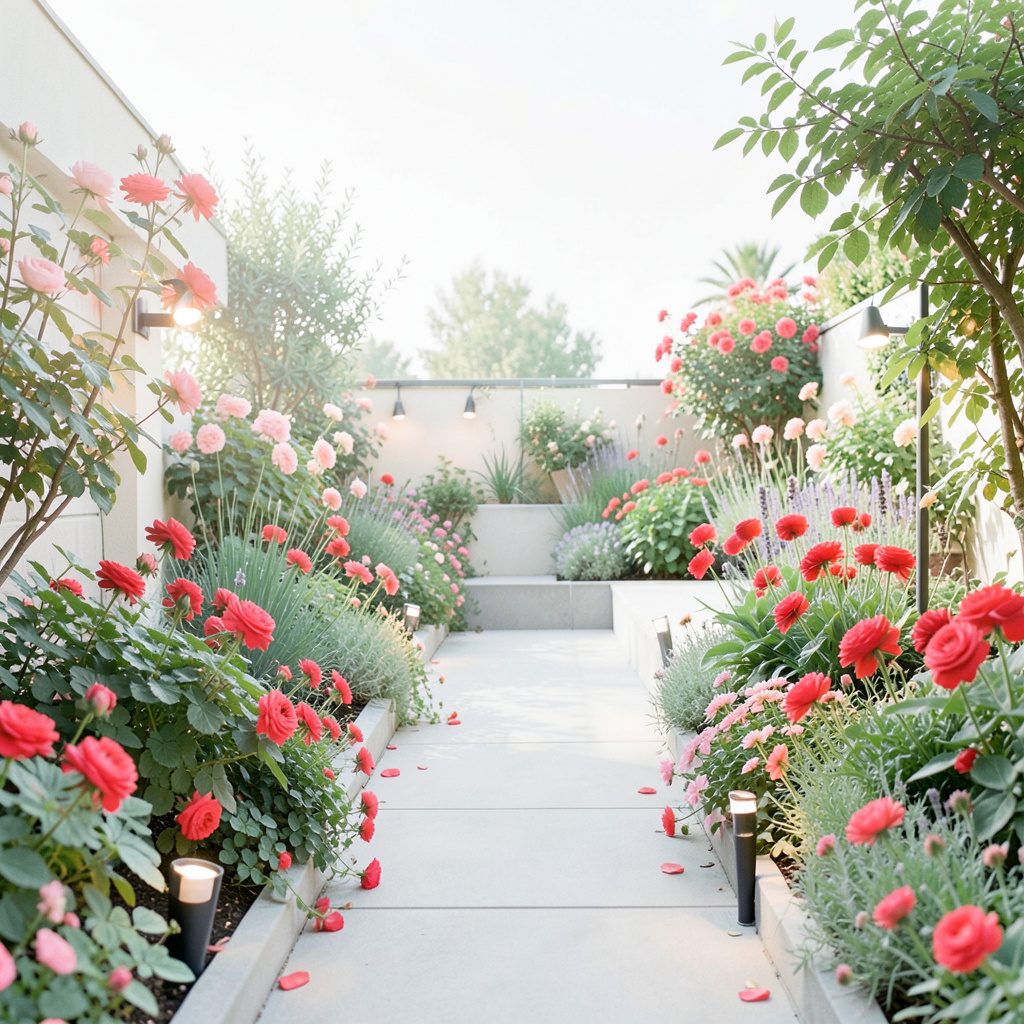
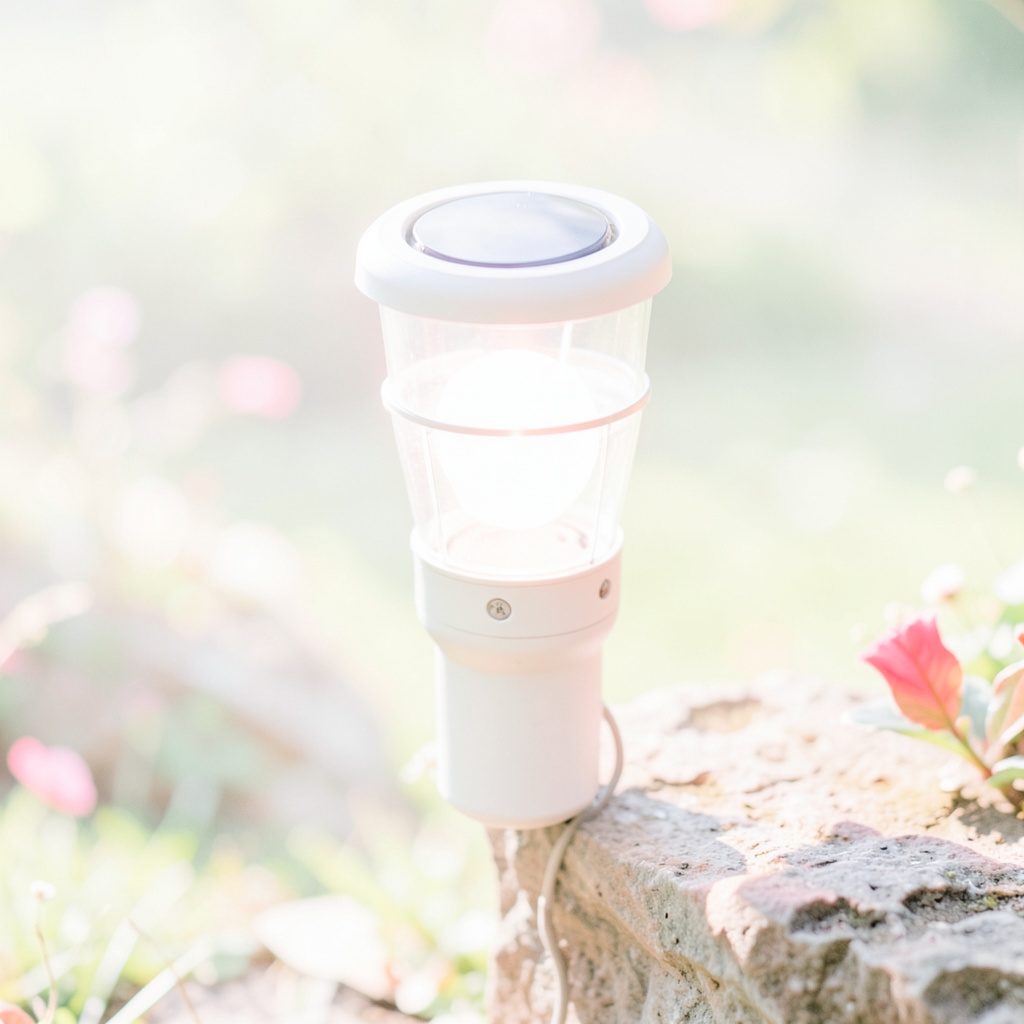
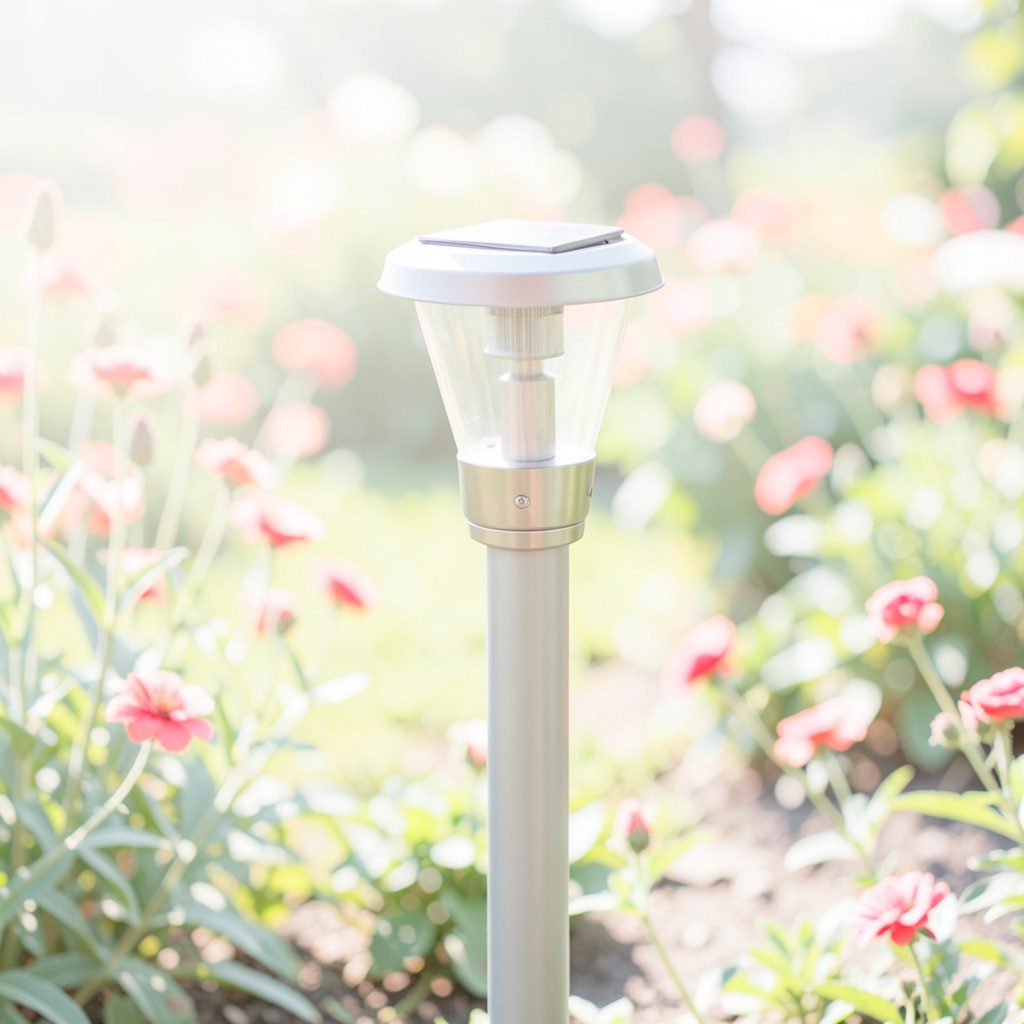
A solar set combines LED bulbs, a rechargeable battery and a small photovoltaic panel. The panel charges the battery during the day, and a sensor activates the lights at dusk; some models add timers, dimmers or colour controls. For wider landscape planning, garden lighting ideas can help coordinate the pergola with paths and planting.
Australian sunlight is generous, but shade changes everything. A panel beneath a roof, beside a fence or under a tree may charge poorly even when the bulbs appear bright. Place it in direct sun, often facing north, and allow the manufacturer’s stated charging time, commonly six to eight hours. The pergola can sit in partial shade if the panel has a clear view of the sun.
Measuring Your Pergola and Checking Electrical Needs
Start with the longest straight run, attachment points and the likely route to the panel. Fixed bulb spacing suits regular beams, while flexible festoon strings offer more placement freedom. Make sure the lead reaches without sharp bends, trip hazards or tension pulling at each fixing.
Understand the ratings. IP44 is a common minimum for sheltered installations; IP65 gives stronger protection against water jets. Neither guarantees survival in severe weather. Look for a stated rating, UV-resistant cable and sealed connections, especially near salty air in Sydney, Newcastle and coastal Queensland.
Mains-powered equipment sold in Australia must meet electrical safety requirements, and any adaptor should carry a valid RCM mark. Hardwired changes belong with a licensed electrician. If an outlet is already close, this guide to hiding outdoor wiring offers practical ways to keep leads discreet along a pergola. Low-voltage solar lights avoid fixed wiring, but their charger and battery must stay dry.
Features Worth Prioritising
Compare usable light, not LED count. More tiny LEDs may look impressive while leaving the table dim. Check lumen totals, bulb spacing and colour temperature: warm white around 2700K suits dinner, while 3000K feels crisper. Output may fall as the battery drains, so design for ambience rather than floodlight brightness.
Controls should match household routines. A dusk sensor suits everyday evenings in Perth and Brisbane, while a timer prevents late dinners leaving lights on. Remotes and apps can add dimming or presets; check whether an app needs a separate hub and whether physical controls remain available.
Retail wording deserves the same scrutiny. In promotional material, unfamiliar labels can be misleading. The explanation of what a same game concerns betting terminology rather than a lighting specification, so it should never replace a product description. Read the description, specification sheet and warranty separately, without treating a promotional label as proof of lighting quality.
Planning Coverage and the Space Beneath
A short pergola may need one strand along a beam or above the table. A larger structure often suits two or three connected runs, creating depth without lighting every square metre. Buy within one range where possible, as mixed panels and batteries can produce inconsistent colour and charging.
Keep the space beneath usable as well as attractive. Cable across the lawn can obstruct a mower or mobility aid. This electric push mower guide provides a practical comparison for seniors and offers a broader lesson in planning a clear route around seating.
Visualise three layers: a brighter strand over the table, softer lights along the beam and a path leading towards the pergola. Separate solar path stakes are often more economical than extending one string. Test the arrangement before installation, leaving space for plants without hiding bulbs.
Solar Picks for Different Pergola Setups
InnoGear solar string lights are a practical all-round choice, particularly the warm-white versions. Many kits include a remote, lighting modes and a timer, making them easier to operate than a basic dusk-sensor model. Choose the strand length that matches the measured run instead of paying for bulbs hidden behind posts or beyond the structure.
Feenolite solar festoon sets are worth comparing for visible globe bulbs above a dining table or along a terrace. Look for warm-white options and confirm whether the batteries are replaceable and how long they last in your preferred mode. Check Amazon Australia and Home Depot for current stock, but verify the specification on the actual product page rather than the gallery image.
For broad decks, two smaller matched sets can offer better control than one oversized strand and allow each panel to reach sunlight. Philips Hue outdoor strings provide excellent colour and smart controls, although common versions are mains-powered and belong in a wired comparison, not a solar shortlist. Product ranges change, so check the label before buying.
Installation, Charging and Maintenance
Charge the lights fully and test the strand indoors before mounting it. Many solar strings need their switch left on for automatic operation. Install the panel in direct sunlight, ideally facing north, and keep it clear of irrigation spray and foliage. Read the pairing instructions before separating components.
Secure cables with UV-resistant ties or clips suited to the pergola material. Protect conductors from sharp corners, moving parts and pinch points, and keep connectors joined unless the manual says they are weatherproof when separated. Do not add an extension lead between the panel and string. For a freestanding pergola, check wind stability and use the maker’s fixings.
Clean dust and leaves from the panel regularly, since a dirty or shaded panel often causes short runtime. After outdoor gatherings, check for moisture, insects and damaged ties. Replace cells only with the specified type and use a suitable battery-recycling or e-waste service rather than general rubbish. Council acceptance rules vary, so check local facilities first.
Final Checks Before Purchase
Solar lighting provides installation freedom and no electricity cost for the lights, balanced by charging time, battery replacement and potentially lower output. A wired system suits a pergola near a safe outlet; a solar system suits a lawn without trenches. Compare the full setup, including panels, batteries, adaptors and any electrician.
Promotional terms are easiest to judge by reading the small print. This deposit match comparison examines welcome packages and free bets in India, illustrating why a headline offer is not the same as guaranteed value. The same principle applies to lighting: a discount does not alter battery specifications, local warranty or electrical compliance.
Before checkout, verify lumen output, charging time, runtime per mode, IP rating, connector type, battery replaceability and warranty. Any mains adaptor should be RCM-registered for Australian sale. Australian Consumer Law requires acceptable quality and applicable warranties, while the invoice and packaging make a claim easier. Prefer a local seller with accessible spare parts.
The next practical step is to measure the longest straight run of your pergola with a tape and record the length in centimetres.