Featured Topics
LED flood lights for Australian backyard sports and hosting
The Aussie backyard has always been more than just grass and a fence. It is the open-air living room where families gather for summer barbecues, where kids practise cricket catches until the last light fades, and where friends settle in for big matches on a portable screen. With the right illumination, that space keeps working long after sunset, turning ordinary evenings into something memorable without pushing up the power bill.
LED flood lights have quietly become the most practical upgrade for Australian homes that take their outdoor entertaining seriously. They handle our coastal humidity, shrug off the heat of a January afternoon, and sip energy compared with old halogen fittings. From a casual Friday gathering with neighbours to a full pickup game under lights, the right setup changes how the whole yard feels.
Brightness, beam and the way Aussies use their yards
Lumens matter more than watts these days, and the figures feel abstract until you picture the space. A small patio off a Brisbane weatherboard home might only need around 1,500 lumens to keep a dinner table glowing, while a half-court in a Perth backyard will want closer to 8,000 to keep players safe and the ball visible. The wider the beam angle, the more even the spread, but a tighter throw is useful for raking light across a long lawn for backyard cricket.
Colour temperature shapes the mood just as much as raw brightness does. Cool white around 4000K tends to flatter sports play, helping a tennis ball or frisbee pop against the grass, while a slightly warmer 3000K casts a softer wash that suits a table full of plates and a chat. Many Australian homeowners mix the two, placing cooler fittings near a court area and warmer ones around the entertaining zone.
Heat tolerance is worth a look, especially inland where January afternoons push past forty degrees. Quality LED flood lights from brands such as Philips and InnoGear come with heat sinks that let them run for hours without dimming, and the housings cope with the odd summer storm rolling in from the coast. Anyone comparing options can find inspiration in a broader motion sensor security analysis that covers similar outdoor hardware.
Smart controls and savings in a sun-soaked climate
Australians are paying closer attention to running costs, and LED technology delivers on that front. A modern 50W LED flood light produces roughly the same usable light as a 250W halogen, which translates into noticeable savings on quarterly bills for households that leave outdoor lighting on for hours during long summer evenings.
Dusk-to-dawn sensors and timers are the easiest way to get the most out of fittings without thinking about them. Lights come on at sunset, run through the typical cricket or football viewing window, then switch off in the small hours. Smart versions, including models from Philips Hue outdoor ranges, let owners dim or group fittings through an app, which is handy when the neighbours pop over and the noise level rises.
Motion-activated modes suit security-conscious homeowners in suburban streets from Sydney to Adelaide. A short trigger zone over the side gate or near the shed adds peace of mind without lighting the whole yard all night. For readers wanting a deeper look at how these systems compare, an external inspection reference covers similar considerations in detail.
Installation, safety and the Australian rule book
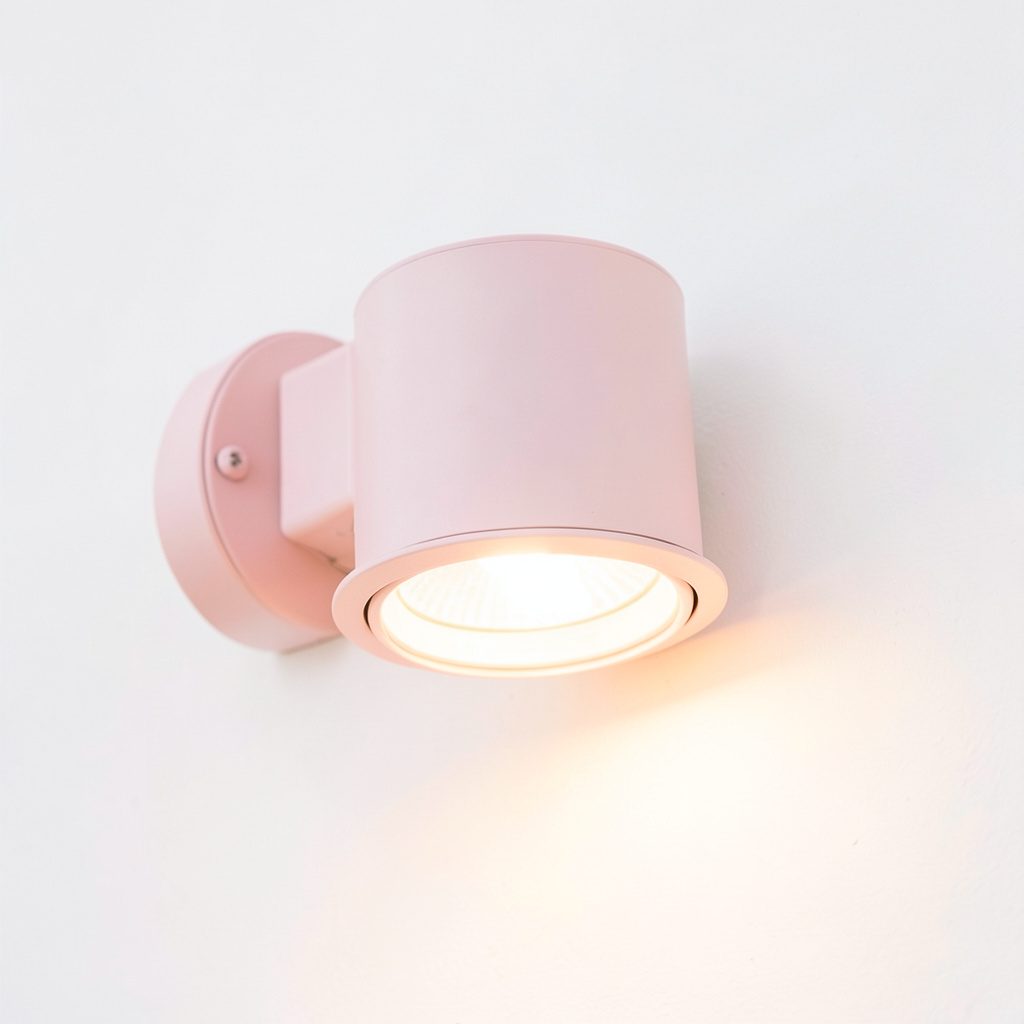
Anyone planning a new flood light installation in Australia should know that hardwired 240V fittings need a licensed electrician. That covers most wall-mounted or eave-mounted setups, and it also satisfies insurance requirements. DIY plug-in models are still available and suit renters, though they should always run through an RCD-protected outdoor outlet.
IP ratings deserve attention. For an open yard, IP65 is the practical minimum, keeping dust and rain jets out of the housing. Coastal properties around Wollongong, the Mornington Peninsula or the Illawarra should push for IP66 or higher, as salt air quietly eats through cheaper fittings over a few seasons. Mounting height also matters: too low and the light blinds players; too high and it becomes a sky-flooding waste.
Local rules occasionally kick in too. Some council areas restrict spill light onto neighbouring properties, particularly in newer suburban estates where houses sit close together. Aiming fittings downward, adding shields and choosing modest brightness in the right places keeps everything neighbourly.
Layering light for match play and long evenings
Sports and entertaining pull in different directions. A pickup basketball or netball game needs bright, even, shadow-free coverage over a defined playing zone, while a relaxed dinner wants warmth, low glare and pockets of softer light. Layering solves the problem.
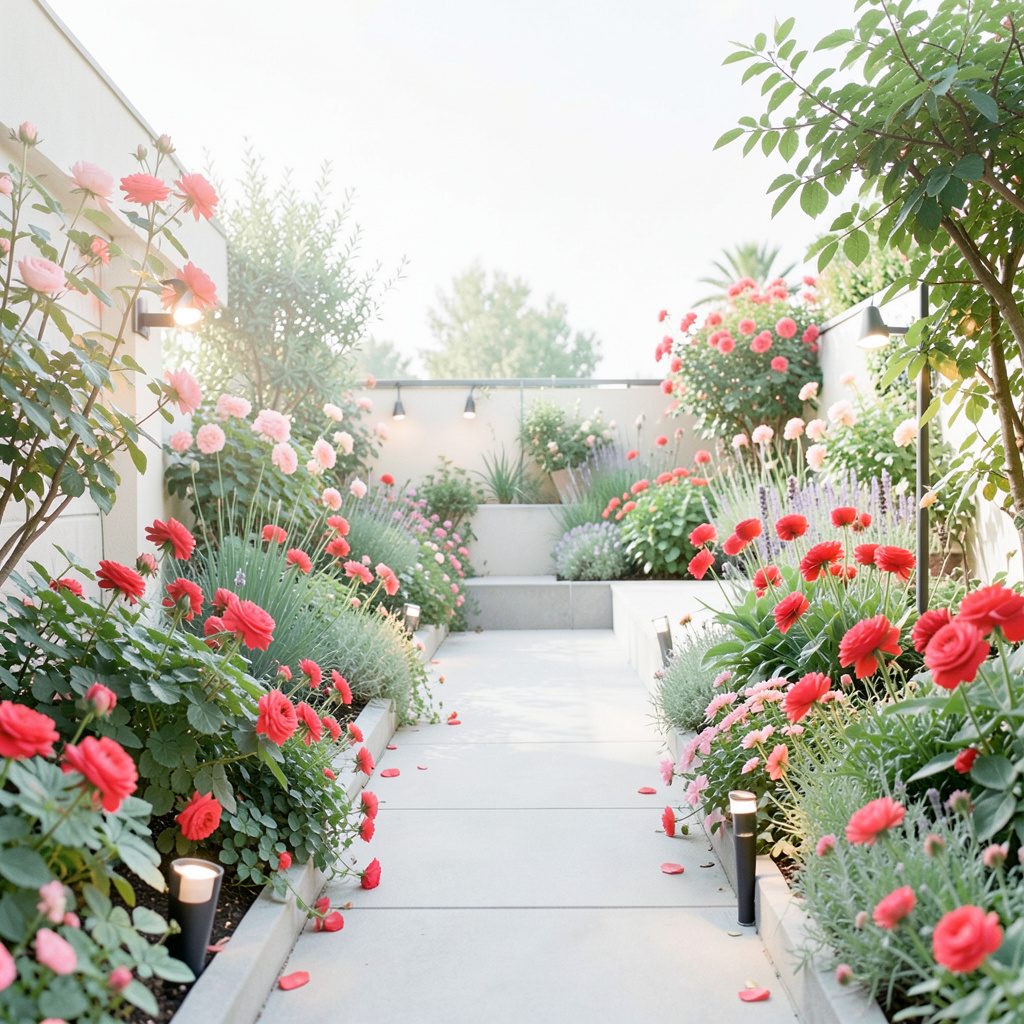
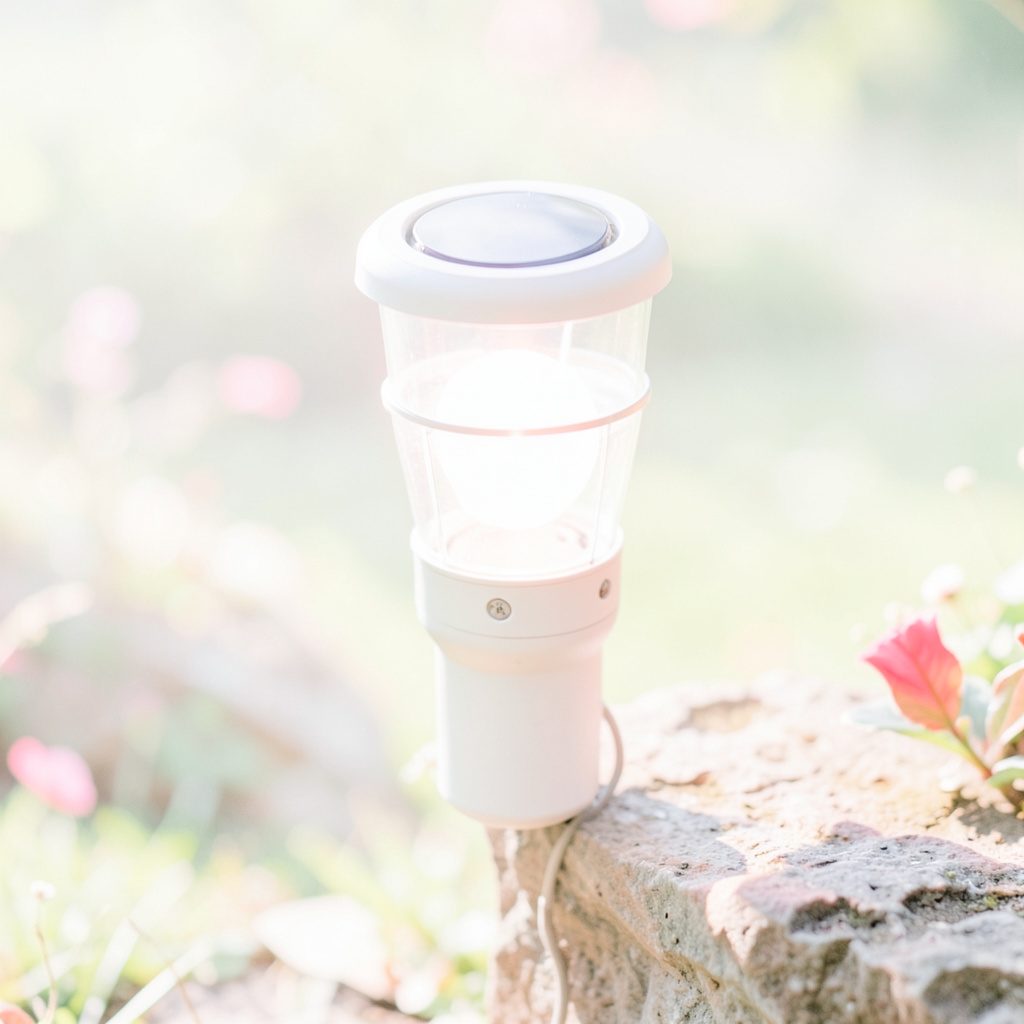
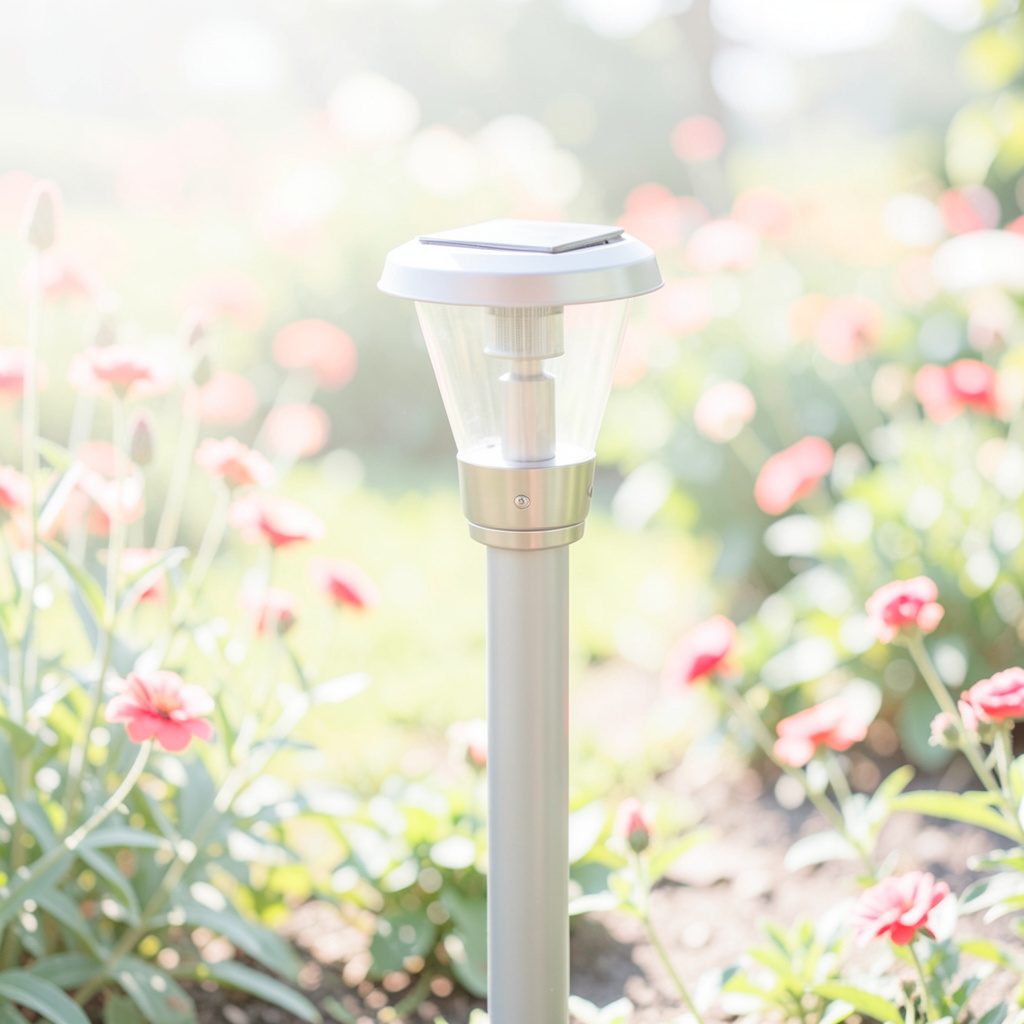
Start with one or two higher-output flood lights aimed squarely at the court area, mounted high enough to avoid dazzle. Then add lower-output wall washers or spike lights around the entertaining zone to define edges, light steps and pick out a feature plant or two. Solar-powered spike lights from brands like InnoGear suit a pathway between the patio and a pool setting, charging through the day and glowing automatically at dusk.
For homeowners who want a single switch to do it all, smart relays let a Match scene turn on the bright floods while a Dinner scene drops those off and brings the warmer ones up. The same trick works for movie nights outdoors, where a screen needs a dark surround but the seating area still benefits from a soft glow. A short walk through about the author pages on specialist sites can point readers toward writers who test these setups in real homes rather than showrooms.
What to weigh up before buying
A short checklist helps separate impulse buys from genuinely useful fittings for an Australian backyard. The points below cover the choices that tend to matter most once the lights are actually up on the wall.
- Match lumen output to the activity: around 1,500–2,500 lm for dining, 5,000–10,000 lm for a backyard court or active play zone.
- Choose a colour temperature that suits the moment, with cooler tones for sport and warmer tones for socialising.
- Look for IP65 as a minimum for open yards and IP66 or higher in coastal suburbs.
- Pick fittings with a sturdy aluminium body and a sensible warranty, particularly for hot inland summers.
- Decide between hardwired and plug-in early, since hardwired work in Australia needs a licensed electrician.
- Lean on dusk-to-dawn sensors, timers or smart controls to avoid wasted energy through the night.
- Plan the beam direction before mounting, so light falls where it is needed and not into neighbours' windows.
Walking the yard at dusk before buying helps reveal dark corners, glare hot spots and which neighbour's window might catch a stray beam, all easier to plan around than to fix after drilling. It also gives a clear sense of how much area the new lights need to cover and whether existing fittings can be reused or repositioned.
For readers exploring further, the outdoor lighting hub gathers product suggestions and gallery inspiration across patios, lawns and terraces, helping homeowners picture what their own space could look like once the sun goes down.
A well-planned LED flood light setup turns the backyard into a true extension of the home, ready for a casual evening, a competitive match or a long summer dinner without anyone worrying about the dark.