Featured Topics
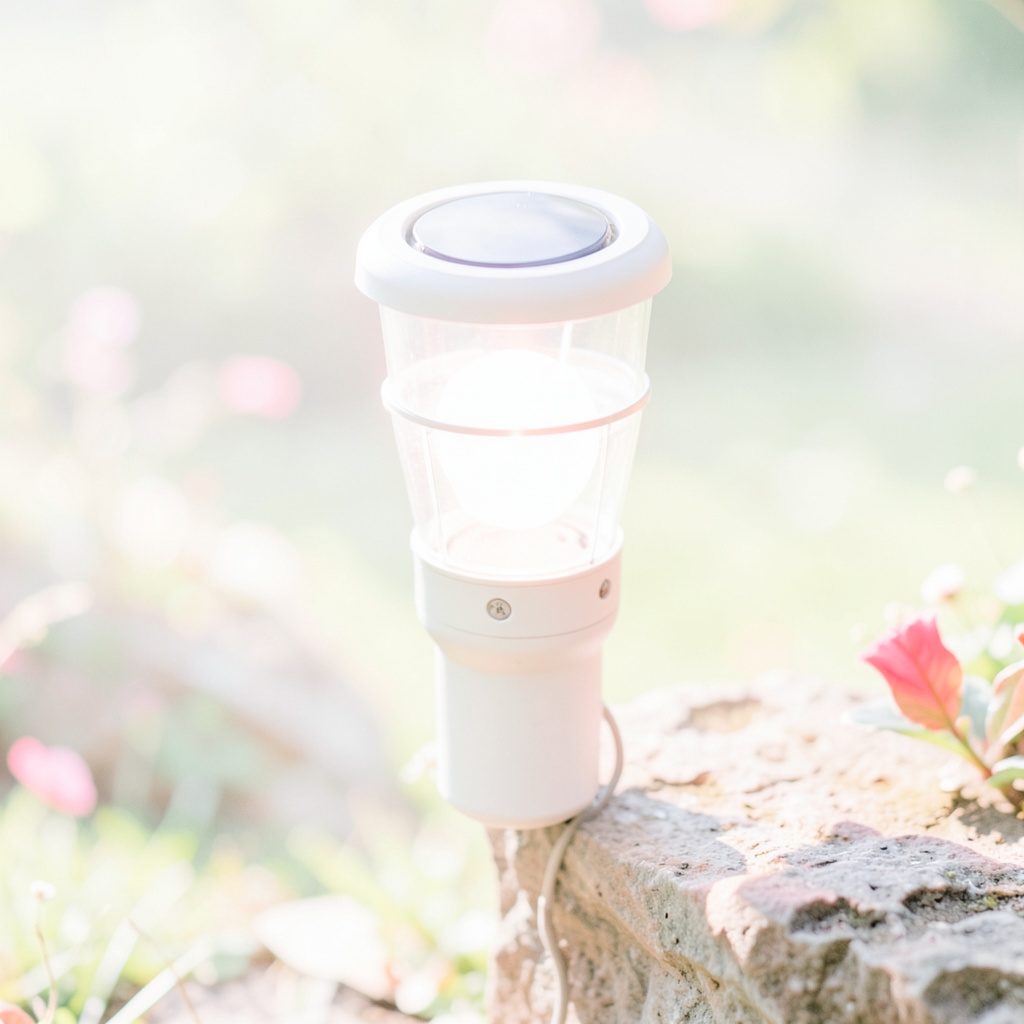
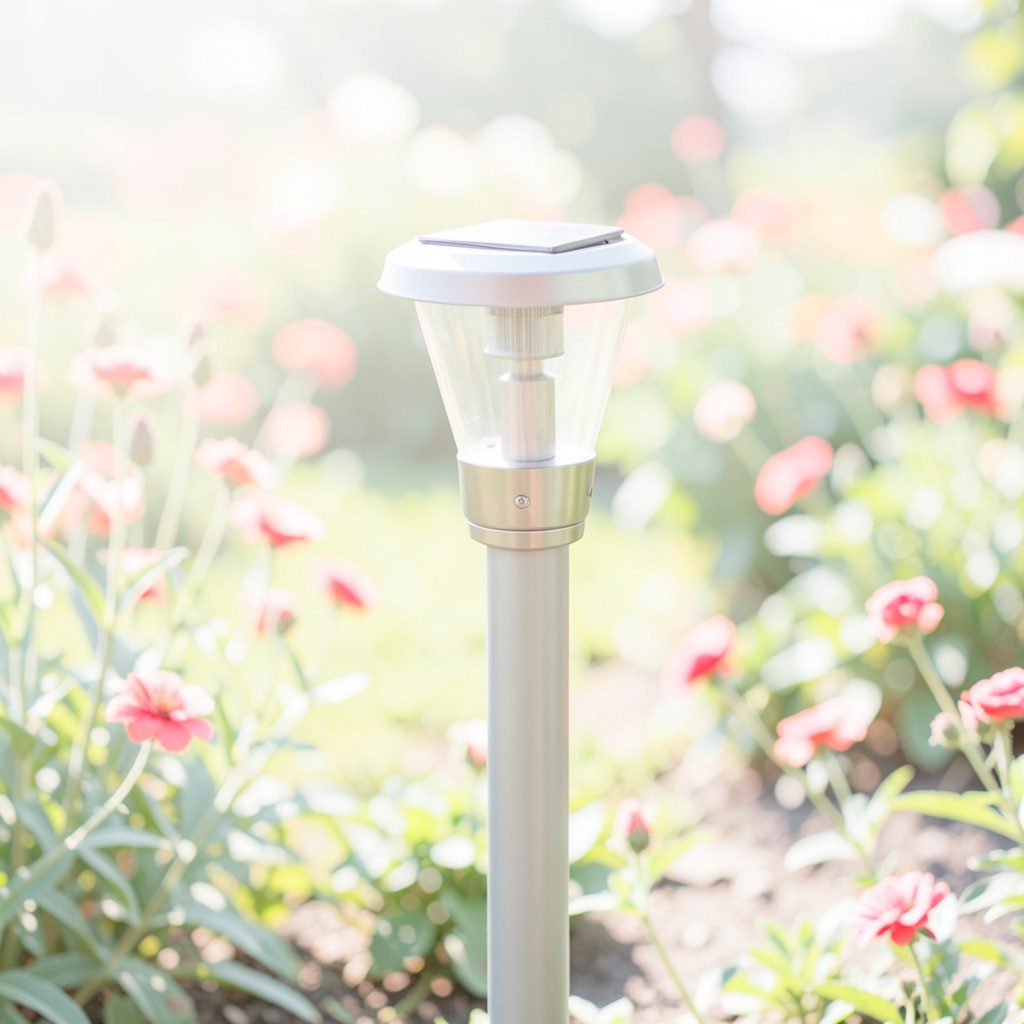

Solar Pathway Lights With Metal Stakes: Durability Test
Solar pathway lights can make a front garden, side passage or entertaining area feel finished without running cable through paving. Models with metal stakes are especially appealing because they look more substantial than all-plastic alternatives and can hold their position in compacted soil. Learn more about Meredithlbl.com.
For Australian gardens, durability means more than surviving a few wet nights. A light may face harsh ultraviolet exposure in Perth, salty air near Sydney or Adelaide, heavy summer storms around Brisbane, and constant movement when the ground dries and cracks. This test focuses on the parts that determine whether a solar path light remains useful after its first season.
What Durability Means In An Australian Garden
A durable pathway light needs to resist corrosion, impact, water entry and repeated movement. The metal stake should enter the ground without bending, while the connection between the stake, shaft and lamp head should remain tight after wind and maintenance. A strong finish matters because scratched steel can begin rusting quickly in damp soil.
Australian conditions make placement important. A lamp beside a sheltered Melbourne walkway may age slowly, while the same model installed near a coastal lawn can develop surface corrosion much sooner. Salt carried by sea breezes, fertiliser residue and wet leaves all add stress to exposed metal.
The best outdoor solar lighting also has a practical design rather than a decorative shell covering weak components. A useful lighting collection can help compare different lamp shapes, beam effects and installation styles before focusing on construction quality.
How The Durability Test Works
The test begins with a physical inspection. Check whether the stake is stainless steel, aluminium, painted steel or plated mild steel, and look closely at welds, threaded joins and the point that enters the ground. Thin, sharp stakes may be easy to install but can twist when pushed into firm clay or dry lawn.
Next, assemble the light several times and apply gentle sideways pressure to the shaft. This simulates mowing, gardening and a child brushing past the fixture. A quality connection should flex slightly without wobbling. If the solar head rotates freely or the pole separates from the stake, long-term performance will suffer.
The battery compartment and solar panel receive equal attention. Look for a gasket around the cover, a secure latch and screws that can be removed without stripping. Product testing should record these simple observations clearly; a useful durability guide is more valuable when it explains why a feature matters in everyday use.
Metal Stake Construction And Corrosion Resistance
Metal does not automatically mean long-lasting. Stainless steel generally performs well in outdoor gardens, although its grade and finish still influence resistance to tea staining and salt corrosion. Aluminium will not rust in the same way as steel, but a thin aluminium stake can bend more readily in hard ground. Powder-coated steel offers good protection when the coating remains unbroken.
A practical check is to examine the transition from the stake to the pole. This is where water, soil and movement meet. A broad connector with a clean thread is preferable to a narrow press-fit joint. Avoid lights with sharp burrs, chipped paint or visible rust marks straight from the package.
For readers interested in how metal components are produced, this manufacturing reference provides useful background when comparing fabricated parts and finishes. The central point is simple: a sturdy-looking lamp still needs a well-made joint at its weakest point.
Resistance To Rain, Sun And Coastal Air
Ingress protection is worth checking, but an IP rating does not guarantee that every part of a solar light will age evenly. Water can enter through a loose battery door, a cracked lens or a poorly sealed cable opening. After rain, inspect the inside of the housing for condensation. A small amount of moisture may disappear, while repeated fogging suggests an unreliable seal.
Ultraviolet exposure is often the bigger issue in Australia. Prolonged sun can make plastic brittle, fade black finishes and weaken small clips. Place lights where they receive enough direct sun to charge but avoid positioning them beside reflective white walls that intensify heat. In coastal suburbs, rinse metal parts occasionally with fresh water and dry them before nightfall.
Severe weather deserves a separate check. Brisbane and northern New South Wales can receive sudden downpours, while summer storms can loosen soil around a stake. In bushfire-prone areas, keep decorative lights clear of dry grass and leaf litter, and follow local council or fire authority guidance for outdoor items.
Light Output, Battery Life And Solar Performance
A strong stake cannot compensate for a poor solar system. The panel should sit at an angle that receives several hours of direct sun, not merely bright shade. In a dense garden, foliage that looks harmless in winter may block charging once it becomes thicker during spring and summer.
Battery performance is easiest to judge over several nights. After a full sunny day, a reliable light should provide steady illumination rather than a bright first hour followed by a weak glow. Cloudy weather will reduce output, so compare several nights instead of judging the lamp after one overcast evening.
Warm white LEDs are usually more comfortable along a path than very cool blue-white emitters. The beam should illuminate stepping areas without shining directly into a bedroom window or neighbouring property. For entertaining spaces, a lower, softer output often looks better than a brighter security-style beam.
Buying And Comparing Pathway Lights
Price comparisons should include replacement batteries, warranty terms and the cost of buying extra units. A cheap light may become expensive if its battery is sealed, its stake is proprietary or the entire fitting must be discarded after one poor season. Check whether replacement parts are available through the manufacturer or an Australian retailer.
The local market includes Amazon Australia, Bunnings and independent lighting shops, while larger international brands may have different warranty arrangements for Australian buyers. Philips products can be easy to recognise and compare, whereas smaller brands such as InnoGear often offer multipacks with varied brightness and styling. Read recent local reviews carefully because performance can differ between climates.
A review should separate appearance from measurable performance. This beginner diet review is an unrelated example of why clear testing criteria matter: readers benefit when claims, practical experience and limitations are kept distinct rather than blended into general enthusiasm.
Checks Before You Install
Use the following checks before placing lights along a path, terrace or lawn edge:
- Confirm the stake material, coating and warranty details.
- Test every threaded connection before pushing it into soil.
- Inspect the battery door, gasket and solar-panel seal.
- Look for replaceable rechargeable batteries and spare parts.
- Compare the light’s beam with the width of the walkway.
Installation technique has a direct effect on service life. Do not hammer a metal stake into compacted ground, because the shaft can bend and the lamp housing may crack under the shock. Water the soil lightly, make a pilot hole with a narrow garden tool, and press the stake in vertically.
Keep the lamp away from mower paths, sprinkler impact and roots that may lift the soil. Along a paved path, place each unit far enough from the edge that shoes and bags will not catch it. A neat row is attractive, but small variations in spacing often look more natural in an Australian front garden.
Maintenance And The Final Verdict
A simple maintenance routine can extend the life of metal-stake lights. Wipe dust from the solar panel every few weeks, remove cobwebs, clear leaf litter from the base and check for movement after heavy rain. At the end of winter, inspect paint chips and treat early surface rust before it spreads.
Use these seasonal reminders:
- Clean the panel after dusty or pollen-heavy weather.
- Tighten loose heads and connectors before summer entertaining.
- Rinse salt deposits from fixtures near the coast.
- Replace tired rechargeable batteries as a matched set.
- Store damaged units rather than leaving exposed wiring in the garden.
The strongest models combine a corrosion-resistant stake, a secure lamp connection, a sealed battery compartment and a panel large enough for dependable charging. Metal construction is a useful starting point, not proof of quality. In Australia, correct placement and occasional cleaning often determine whether a pathway light lasts one year or several.
Begin the test this weekend by installing one sample light in a representative spot, photographing its joints and finish, and recording its overnight brightness for seven consecutive nights.