Featured Topics

Durable Solar Path Lights for Busy Australian Gardens
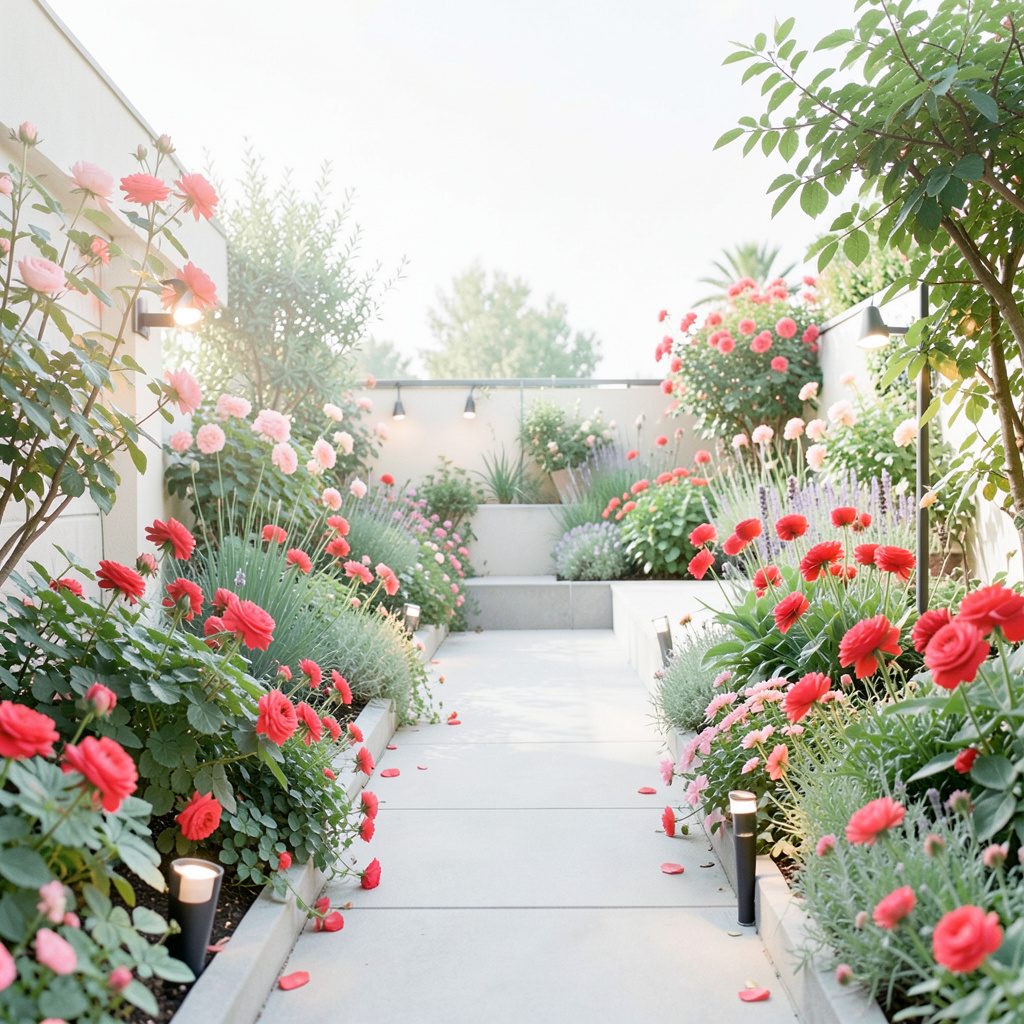
Solar path lights can make a front walk, patio edge, or garden border safer after dark without trenching cables or increasing the power bill. In high-traffic areas, however, appearance is only part of the decision. A light that tips over, clouds up, or stops charging after a season quickly becomes a maintenance problem. Learn more about Meredithlbl.com.
The most durable solar path lights are built for repeated contact, changing weather, and regular outdoor use. Australian conditions add several considerations: intense ultraviolet exposure, sudden summer storms, salty coastal air, and darker winter evenings in cities such as Melbourne and Hobart. Choosing the right construction and placement helps a lighting feature remain useful rather than decorative for a few weeks.
What Makes a Path Light Durable
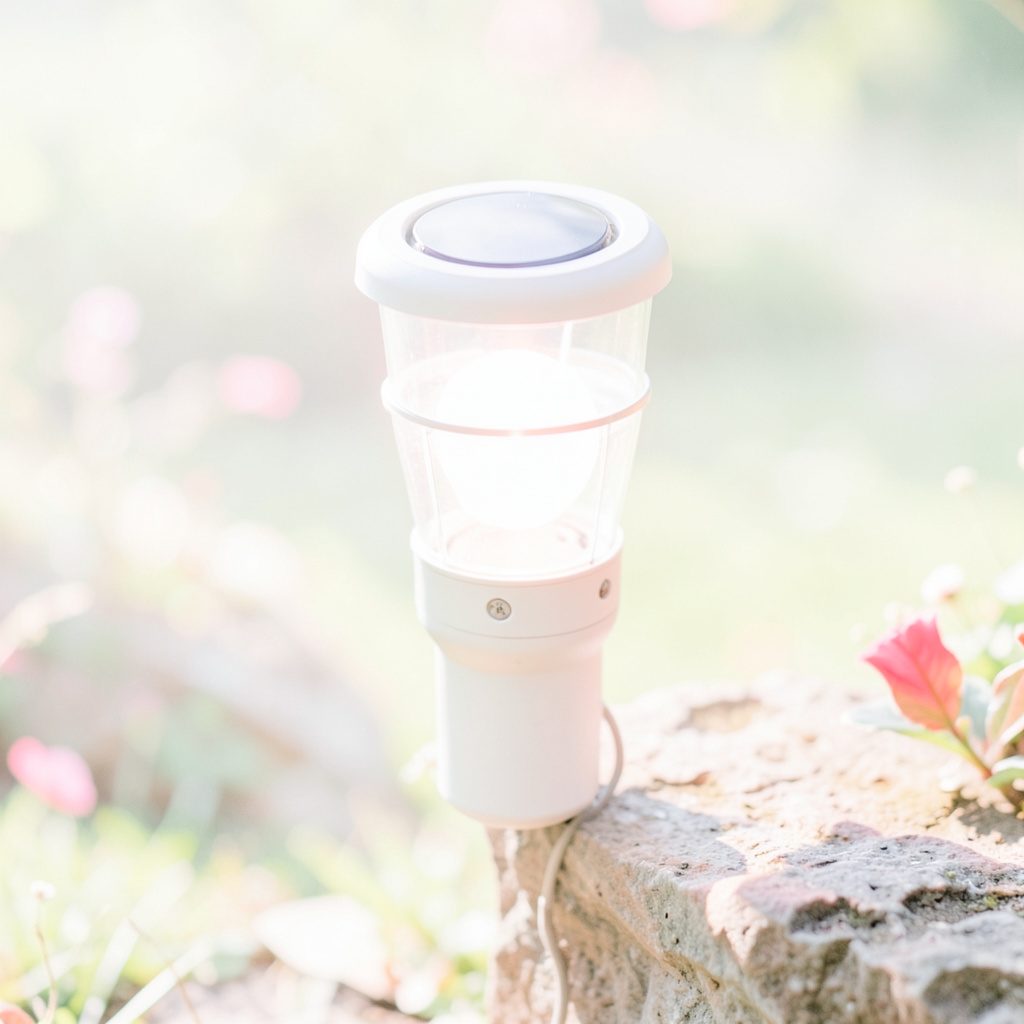
The housing should be made from powder-coated aluminium, stainless steel, thick ABS plastic, or another material designed for outdoor exposure. Lightweight decorative plastic may be adequate beside a quiet flower bed, but it is more likely to crack, fade, or become brittle when positioned beside a driveway or a frequently used walkway.
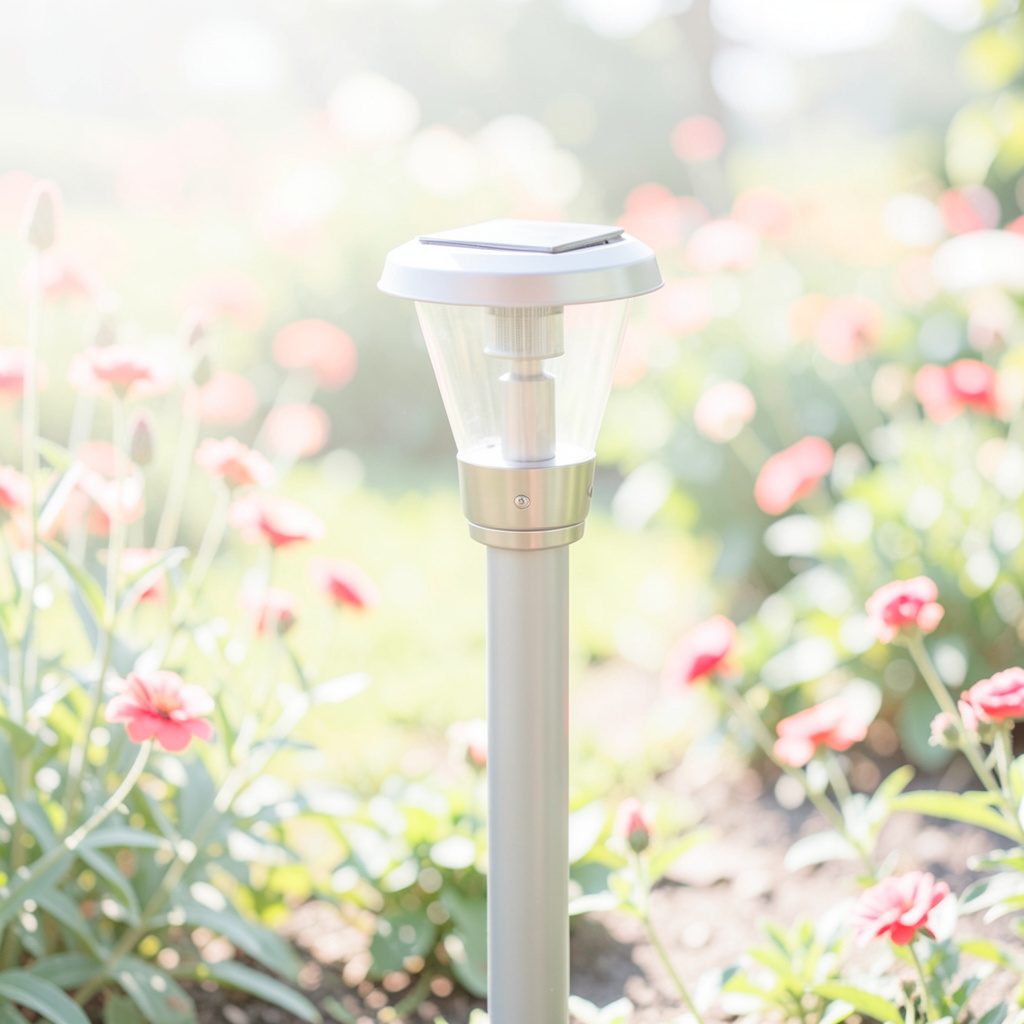
Look closely at the ground stake and the connection between the stake, stem, and lamp head. A thick stake with a reinforced neck is less likely to snap when someone brushes past it or when hard soil pushes back during installation. For sandy coastal gardens, a corrosion-resistant finish is particularly valuable, while powder coating can help protect metal from moisture and strong sun.
Weather resistance should be treated as a basic requirement rather than a bonus. A product rated IP65 or higher generally offers stronger protection against dust and water jets than an unclassified model, although the rating does not make a light indestructible. Sealed battery compartments, covered switches, and a lens that sits firmly against the housing are useful signs of sensible outdoor construction.
Choosing Light for Busy Walkways
High-traffic zones need even illumination rather than a row of weak points. A lamp with a broad diffuser can reduce harsh glare and spread light across the walking surface. Warm white light around 2700K to 3000K usually suits entertaining areas and planted borders, while a slightly cooler tone can make steps and changes in level easier to see.
Spacing depends on brightness, beam angle, and the width of the path. Placing lights too close together can create a runway effect and waste available solar energy. Wider spacing may look calmer, but it should not leave dark patches near stairs, gates, or bends. Test the arrangement with temporary markers before committing the stakes to the ground.
Think about how people actually move through the garden. A path to a clothesline, bin storage area, garage, or outdoor dining space often receives more foot traffic than a purely ornamental border. In Sydney and Brisbane, where alfresco entertaining can continue well into the evening, lights around gates and patio transitions deserve stronger construction than those used at the far end of a lawn.
Features Worth Prioritising
A durable model needs enough solar capacity to recharge during the available daylight. South-facing placement is not automatically ideal in Australia, so check the local sun path and avoid shade from eaves, fences, pergolas, and established trees. Gardeners planning new planting beds can combine lighting decisions with vegetable garden ideas, keeping taller crops and trellises from blocking the panels later.
Prioritise these practical construction details when comparing products:
- Replaceable rechargeable batteries, preferably with a common size such as AA or AAA
- Thick, firmly moulded stakes that resist bending during installation
- Sealed solar panels and battery covers with no visible gaps
- UV-resistant housing that will not become chalky or brittle quickly
- A wide diffuser that spreads light without exposing a sharp glare
- A switch or mode control positioned where it can be reached for seasonal checks
The best feature list will vary according to the location. Motion activation can conserve energy near a side gate, while dusk-to-dawn operation is more convenient along a front path. In areas where possums, pets, or children may disturb fittings, choose a model with a low centre of gravity or install the stem into a short sleeve of compacted soil.
For a high-use entrance, also assess these operating details:
- Six to eight hours of expected illumination after a good charge
- A solar panel angle that can be adjusted or cleaned easily
- A diffuser that remains clear after exposure to rain and dust
- Consistent output rather than a sharp drop in brightness after midnight
- Spare parts or replacement batteries available through the local market
Installation for Stability and Better Charging
The strongest light can fail if it is installed in loose soil or positioned beneath shade. Pressing a stake into hard ground can damage the joint, so loosen the soil first with a narrow tool. In clay-heavy areas around Melbourne, watering the ground lightly before installation may help, while sandy soil near Perth or coastal Queensland may need firming around the base.
For paths that are frequently swept, mowed, or used with wheelbarrows, place lights just outside the main line of travel. A low edging strip or a small gravel margin can make the boundary obvious without creating a trip hazard. Avoid placing lamps where lawn equipment can strike them, and keep the panel free of leaves, bird droppings, and salt residue.
A considered garden layout makes a modest lighting set look more intentional. Resources such as outdoor garden guidance can help with broader placement ideas, especially where paths connect planting areas, terraces, and entertaining spaces. In Australian backyards, leave enough clearance around panels for summer growth and inspect locations after a storm to ensure runoff is not washing soil away from the stakes.
Getting More Years from Solar Lighting
Routine care takes only a few minutes but has a noticeable effect on performance. Wipe the panel with a soft damp cloth every month or two, and clean it more often near the coast or after dusty weather. Do not use abrasive cleaners, as fine scratches can scatter sunlight and reduce charging efficiency.
Battery life is usually the component most likely to decline first. If lights become noticeably dim or run for only a short period, replace the rechargeable cells with the correct chemistry and capacity specified by the manufacturer. Remove batteries before long storage, and switch units off during extended periods when the garden is not being used.
Australian weather can be hard on inexpensive electronics. Brisbane storms may expose housings to driving rain, while Adelaide and inland areas can combine heat, dust, and intense sunlight. Philips outdoor products may appeal to shoppers who prefer an established lighting brand, while InnoGear offers a range of solar-focused designs commonly found through online marketplaces such as Amazon Australia. Compare warranty terms and replacement availability rather than judging solely by the initial price.
For a front entrance or a path beside a pool, reliability should take priority over novelty. Flashing modes, ornate shapes, and colour-changing settings may suit a feature bed, but a stable warm glow is generally easier to live with in a passage used every night. Home Depot listings can provide useful product references for design ideas, although Australian buyers should confirm voltage, shipping, warranty support, and availability through local retailers.
A sensible selection process is straightforward: measure the path, identify the busiest points, observe the sunniest mounting locations, and shortlist lights with strong housings, replaceable batteries, and suitable water protection. Install them beyond the main walking line, clean the panels regularly, and replace weak batteries before winter. The practical choice is a well-sealed, firmly anchored warm-white light that keeps steps and edges visible through ordinary Australian weather.