Featured Topics

Solar pathway lights with copper finishes: style guide
Solar pathway lights with copper finishes bring a warm, architectural note to a garden without needing mains cabling. The appeal is easy to see at dusk, but the best results come from treating the copper tone, light output and solar performance as one design decision. This guide explains how to combine those elements along paths, lawns, patios and entryways.
Copper-coloured metal or glass can echo brick, sandstone, timber and terracotta, while an aged finish sits comfortably among eucalyptus and native shrubs. The colour may be intentionally distressed: some fixtures develop a convincing patina, while others keep a neat brushed surface. Decide whether you want a heritage look, a crisp modern edge or a colour that blends into the planting before choosing a shape.
Australian conditions make those details more than decorative. Strong UV, intense summer heat, wet storms around Brisbane, cool damp mornings in Melbourne and salt-laden air near Sydney can all affect a light exposed outdoors. Panels also face a different sun path from northern hemisphere gardens. Quality glass, corrosion-resistant fixings and a sensible charging reserve matter more here than a finish that looks convincing in a showroom.
Shopping usually happens through Bunnings, Mitre 10, specialist lighting stores and Amazon.com.au, where displayed prices normally include GST. Home Depot can still be useful for comparing product specifications and customer photos, although Australian shoppers generally need local delivery, warranty support or a replacement part. Philips and InnoGear both appear across outdoor-lighting ranges, so the useful comparison is between individual models rather than brand names.
Copper tones that suit Australian gardens
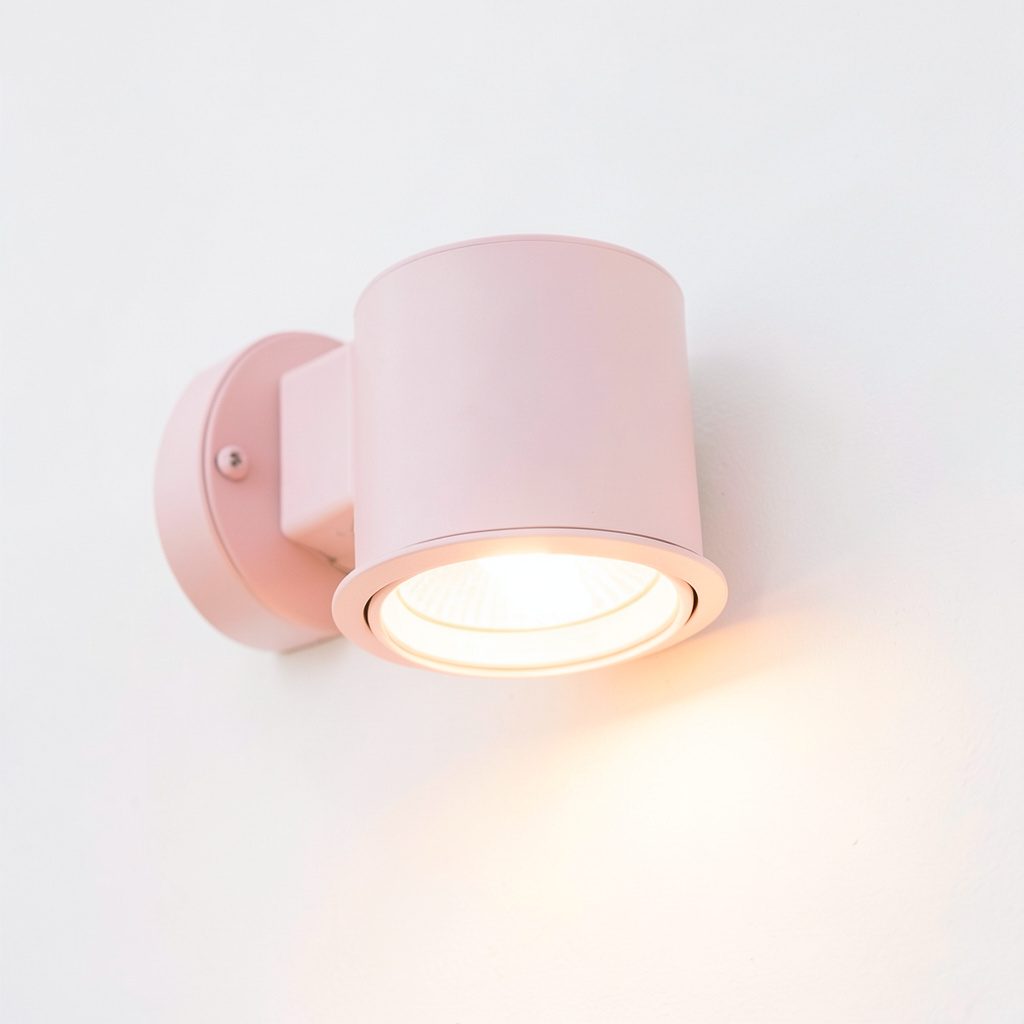
Copper finishes vary considerably between manufacturers. “Copper” may describe a polished metallic coating, a muted brown with copper highlights or an artificially aged surface with darker edges. Under warm white LEDs, some shades become subtly pink, so check customer photographs taken outdoors rather than relying on a studio image or product name. Event photographs can also reveal how metallic finishes behave under low light; the warm scenes associated with Cape Coral event lighting offer a useful mood comparison.
The best colour depends on the surrounding architecture. Warm copper works well with red brick, cream render, sandstone paving and timber decking, while an aged finish bridges modern concrete and established native planting. In a typical Aussie backyard, it can visually connect the front yard, garden beds and back patio without requiring every surface to match. Keep polished copper away from salty coastal settings unless the fixings and coating are clearly rated for corrosion resistance.
Planning the path and light spacing
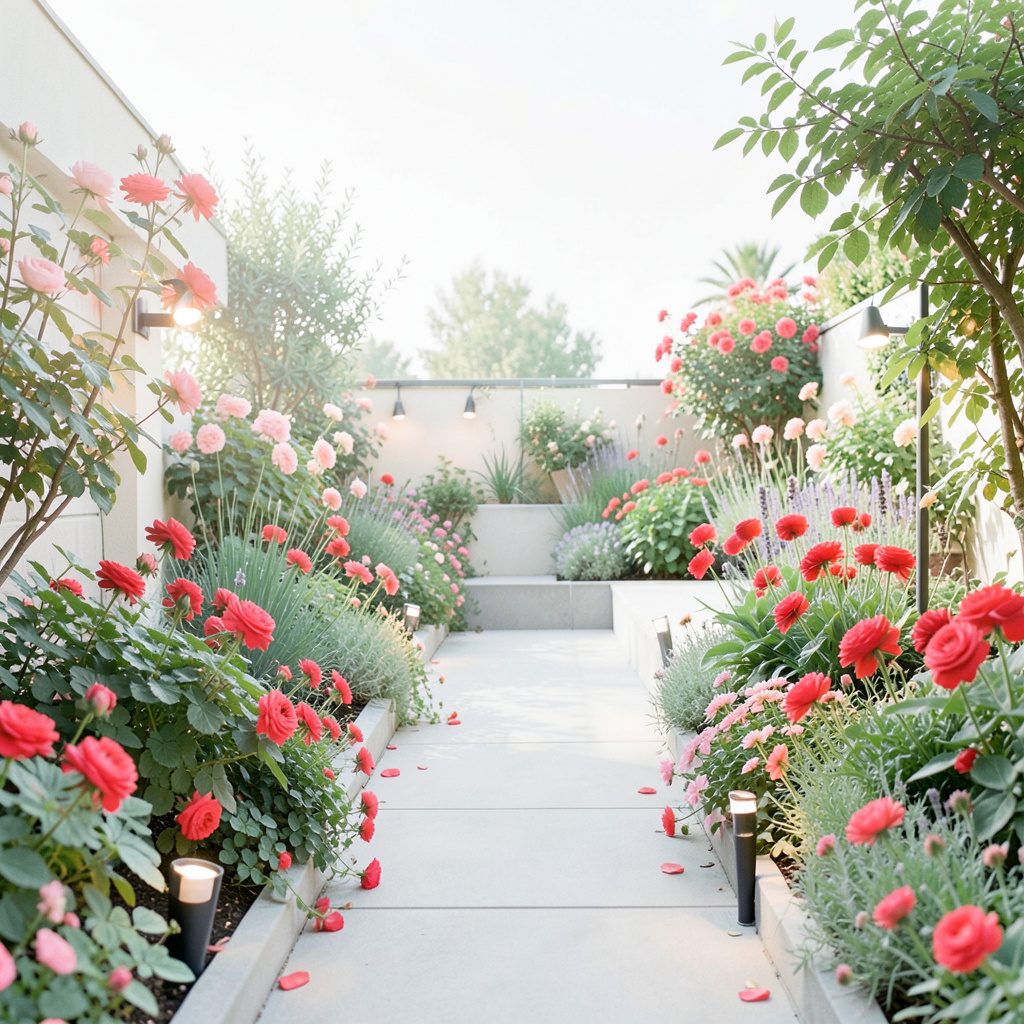
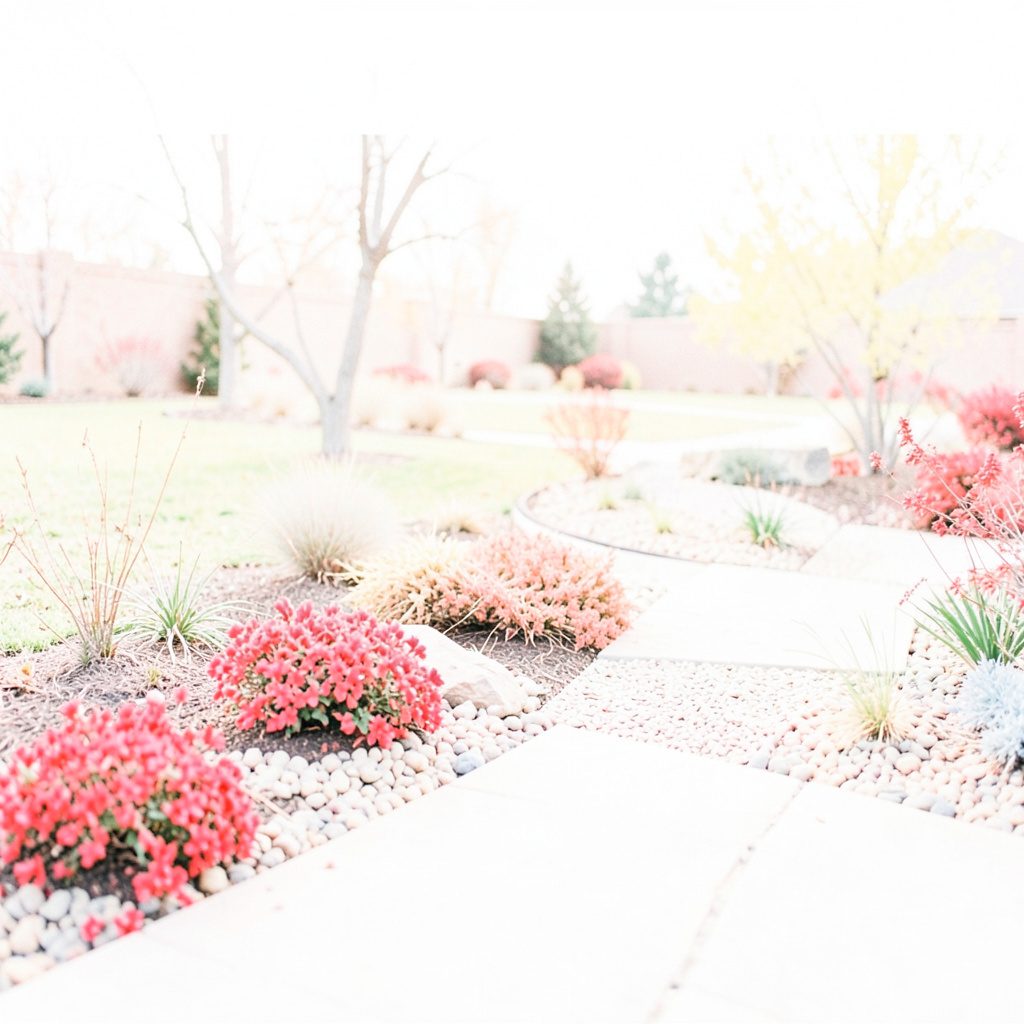
Begin by observing how people use the route. A main path from the front gate to a back patio may need brighter markers than a narrow step beside a garden bed. Mark the points where direction matters, such as a turn, slope, gate or change in paving, rather than placing lights at perfectly even intervals regardless of purpose. In a large garden, that approach creates a more natural rhythm and reduces unnecessary fixtures.
Solar panels need unobstructed sunlight, which can conflict with decorative placement beneath shrubs or beside a wall. Keep the panel above surrounding foliage and orient it toward open sky rather than directly along the path. Stake fixtures should sit firmly enough for wind, and cables must not cross the walking surface. Check that the light source is shielded from eye level so the path is visible without producing glare for drivers, neighbours or guests.
Choosing light output and solar performance
For residential paths, a warm-white LED between roughly 2200K and 3000K usually complements copper finishes better than a cool blue-white beam. A soft warm tone can make the metal appear richer, but brightness still depends on the lens design. Compare the stated lumens, beam angle and lamp colour rather than assuming a higher figure creates a better garden effect. A dusk-to-dawn sensor also helps by keeping the fixture off during daylight and switching it on only when needed.
Solar specifications deserve close attention because quoted performance can vary with panel size, battery capacity and the number of hours of darkness. Look for an IP44 or higher weather rating, sealed connections and a battery that can be replaced if the unit is no longer holding a charge. Philips products can suit a coordinated lighting setup, while InnoGear solar fixtures are often chosen for straightforward stake lights and automatic sensors. Design references such as Meredith LBL lighting designs help with judging scale, finish and visual balance.
Matching fixtures to paths, lawns and patios
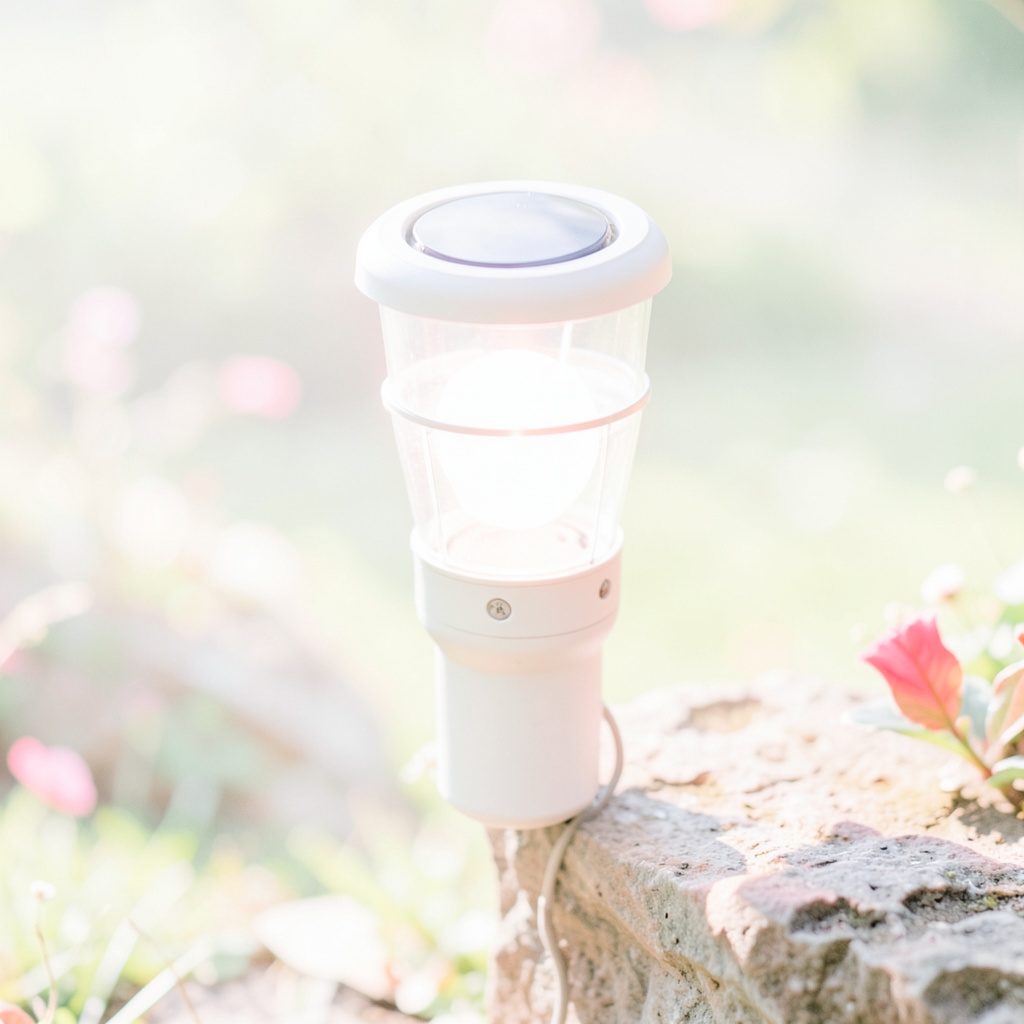
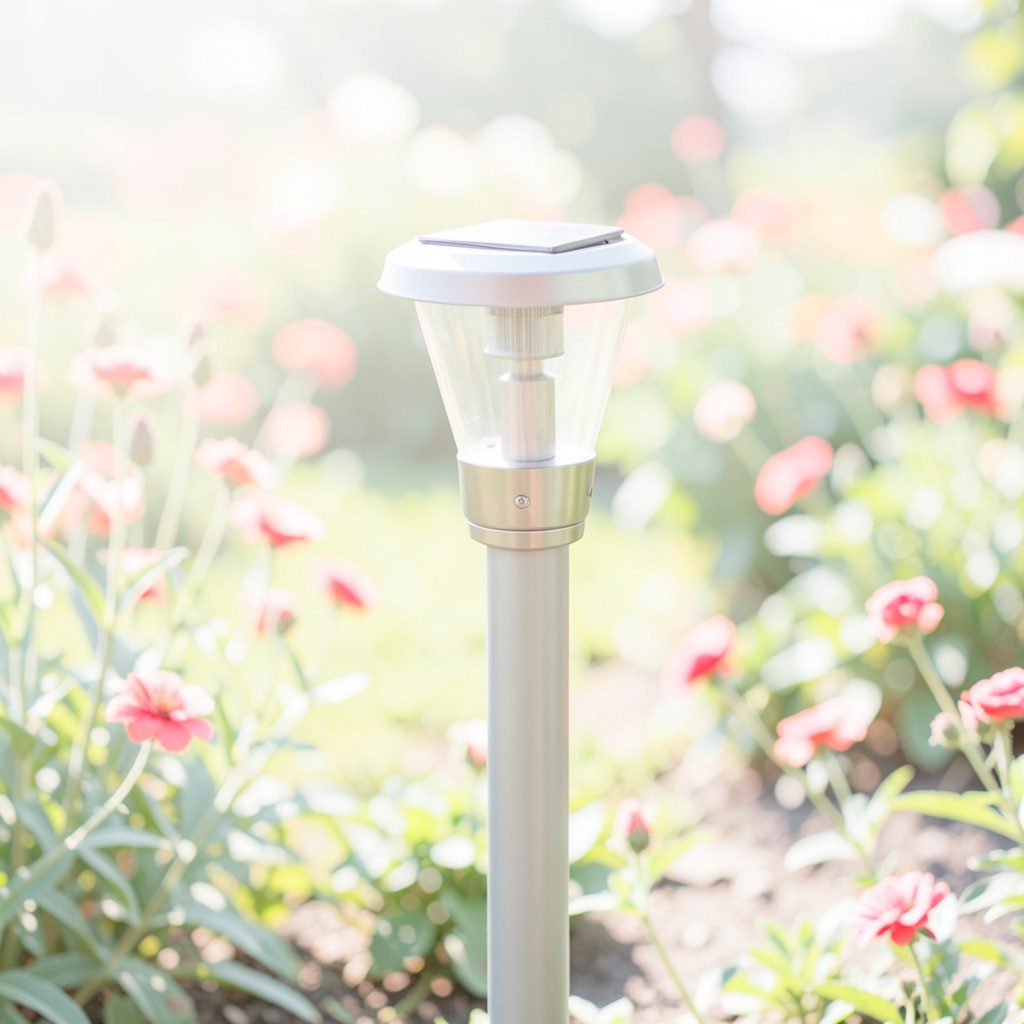
Low stake lights work best beside paving, where their light pools across the surface and the copper body remains close to the border. Taller bollards suit wider walkways, entrances and retaining walls, but their scale can dominate a small lawn. In-ground lights need careful placement because they are vulnerable to mower damage and soil movement. Choose a fixture whose housing, stake and solar panel are proportioned for the location rather than simply repeating one model throughout the garden.
On a patio, copper-toned path lights can echo outdoor furniture, door hardware and planter finishes without looking like matching retail sets. Allow more space between visible fixtures on a lawn, where the aim is to reveal its shape after dark. Near a deck or entertainment area, reduce the brightness so the lighting supports the gathering rather than competing with it. Warm, downward light usually creates the most comfortable atmosphere.
Copper-finish selection checklist
Start with these style and lighting checks:
- Finish colour: Compare daylight photographs and check whether the copper tone is polished, brushed or artificially aged.
- Light colour: Aim for warm white around 2200K–3000K to complement the metal and surrounding timber or brick.
- Glare control: Choose a shielded or downward-facing lens that lights the path without shining into nearby windows.
- Solar position: Confirm that the panel will receive several hours of direct sun without being hidden by foliage.
- Weather resistance: Look for at least IP44 protection, sealed cable entries and corrosion-resistant exterior fixings.
Then compare these practical ownership details:
- Charging performance: Check the stated runtime, battery capacity and recommended hours of direct sun for the selected model.
- Battery service: Find out whether a failed battery can be replaced instead of requiring a complete new fixture.
- Physical dimensions: Measure the path, border and clearance above the soil before ordering.
- Independent reviews: Look for photographs and comments about brightness, finish durability and performance after several months.
- Australian support: Compare local warranty handling, replacement parts and the cost of return postage.
Styling the route from entryway to patio
A coordinated route can begin with a brighter pair of lights near the gate, continue with lower fixtures along the front path and finish with softer illumination around the back patio. This progression makes the entrance feel intentional while keeping the more heavily used areas easy to navigate. It also allows different solar exposure: an open driveway may power a strong fixture, while a shaded step beside a wall may need a separate panel or supplementary lighting.
Scale is especially important near seating. A compact fixture works better than a tall bollard beside a small café table, where excessive brightness can flatten the atmosphere. A selection of outdoor lights for two can provide useful context when judging that balance. Keep the copper treatment consistent, but vary brightness and height enough to reflect different surfaces and activities along the route.
The details worth remembering
A convincing copper finish is only the first layer of the design. The lighting must also suit the architecture, provide comfortable glare control and remain exposed to enough sun to charge reliably. Local weather, vegetation and the distance between fixtures can change the result, so a product that performs well in one garden may disappoint in another.
The detail to remember is simple: let the copper finish establish the style, while spacing, warm output and honest solar specifications determine whether the lights remain useful night after night.