Featured Topics
Solar mushroom lights for brighter Australian backyards
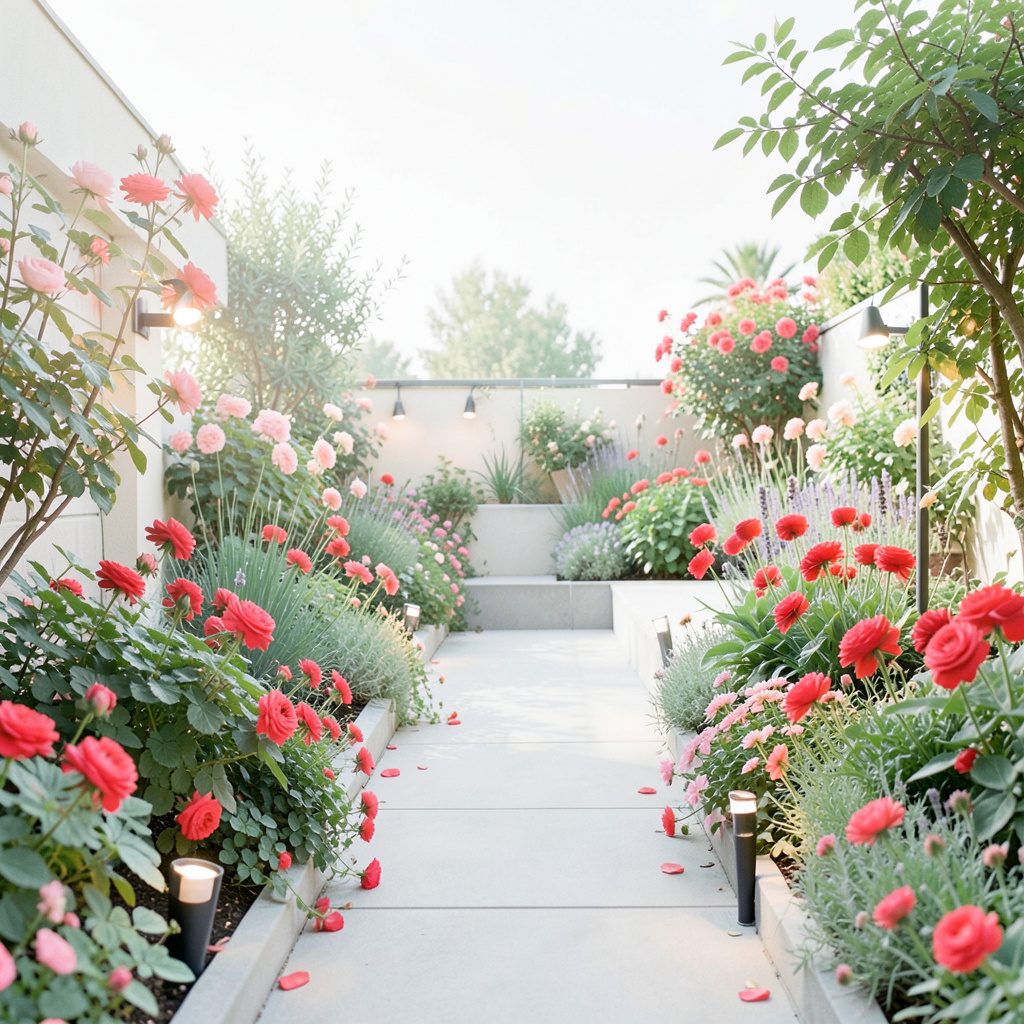
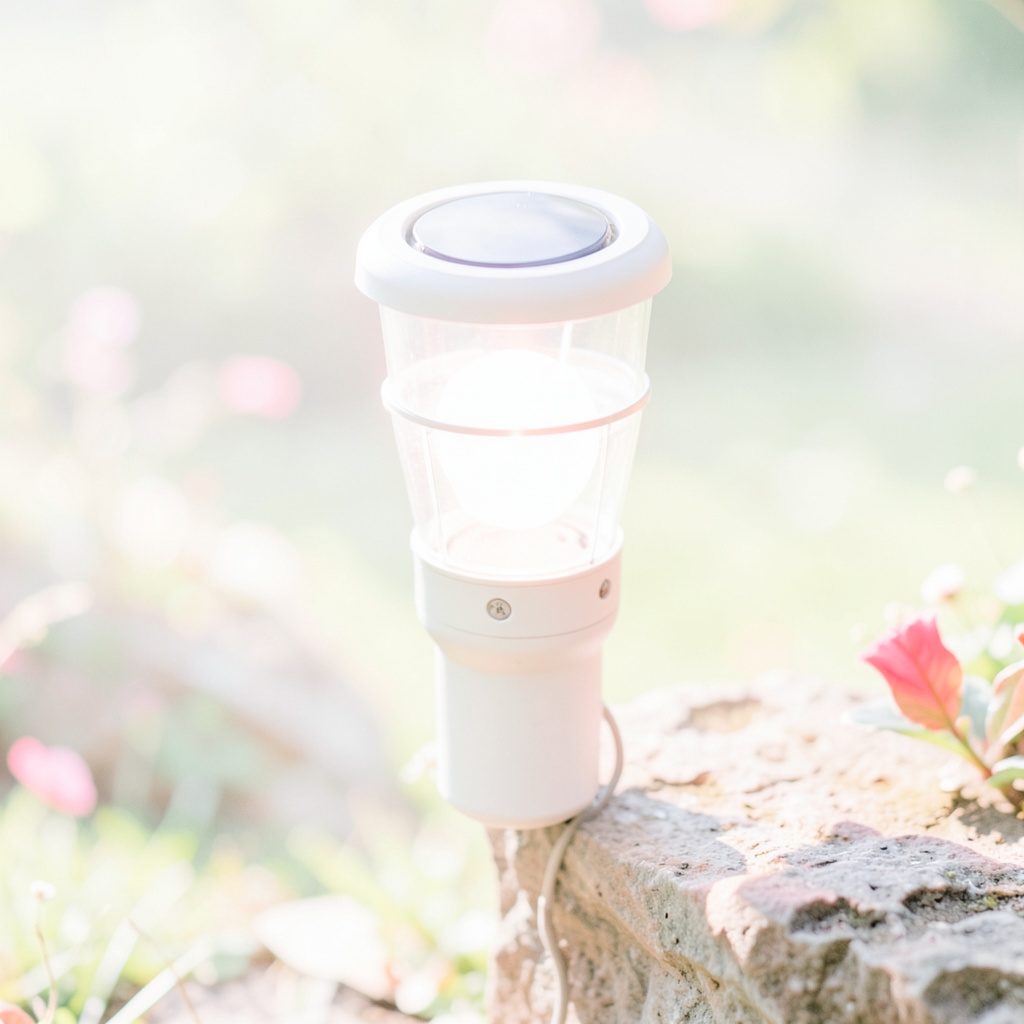
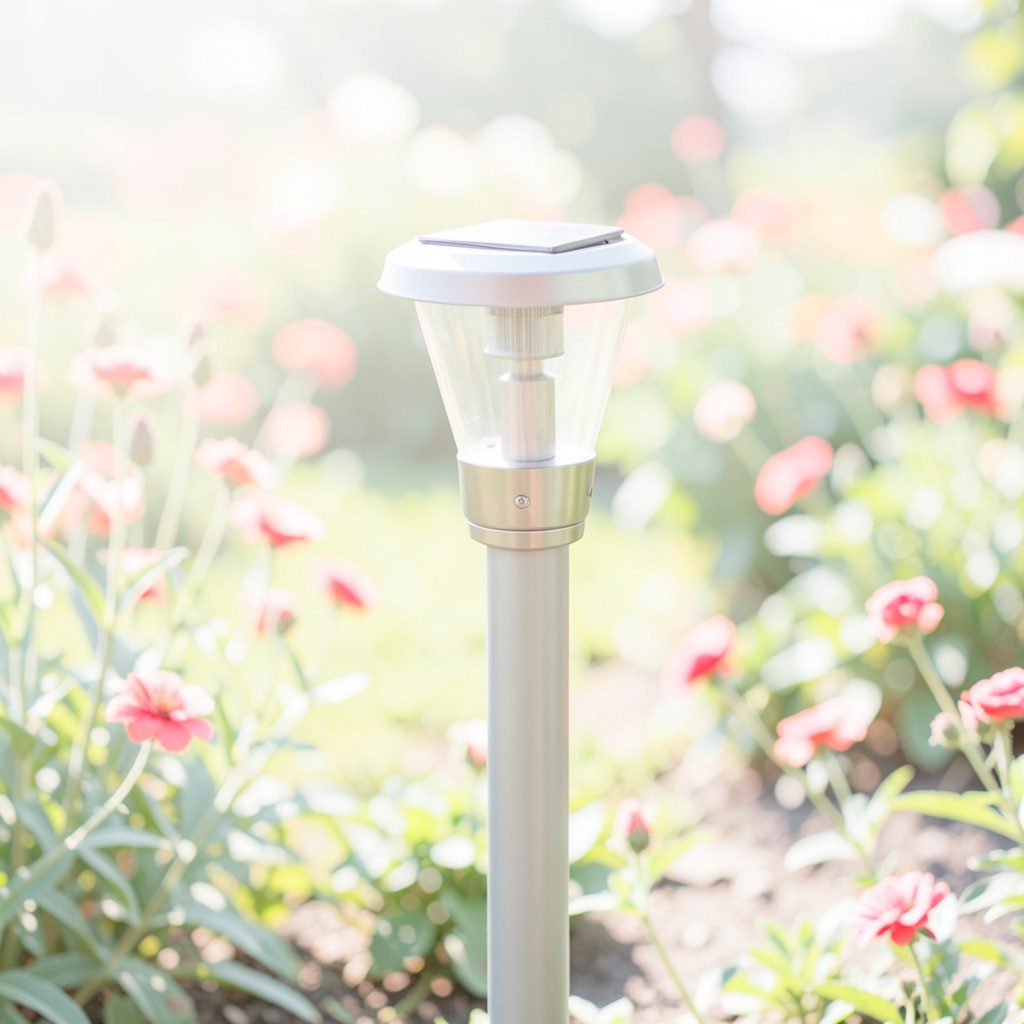
Solar mushroom garden lights sit at the edge of a lawn, beside a path or under a shrub, turning a functional stake light into a landscape feature. Their domed diffuser spreads a soft pool of light rather than aiming a harsh beam across the yard. By day, the cap disappears among foliage; after dusk, it marks edges, softens timber and stone and makes a backyard feel more considered.
Performance depends on the photovoltaic panel, rechargeable cell and LED working together. A generous panel restores energy quickly, while a well-matched battery carries that charge through cloudy nights. Brightness alone tells you little: a lamp with a large lumen claim may waste energy, glow sideways from an exposed diffuser or provide poor ground coverage.
Australian conditions reward careful placement. Sydney gardens may face salt-laden coastal air and sudden summer storms; Melbourne and Canberra often have dull, short winter days; Perth and Adelaide bring intense heat and hard UV; Brisbane combines humidity with heavy rain. A fixture that performs in a sunny display garden may disappoint beneath trees or beside a north-facing wall.
Aussie gardeners expect outdoor fittings to cope with a backyard, not merely survive a catalogue photograph. For solar mushroom lights, ask how long they stay lit, whether the battery can be replaced, whether the panel faces the sun and whether the housing suits coastal or exposed positions. These checks connect design choices with real performance.
How solar mushroom lights work
Most mushroom lights place a small solar panel on top of the moulded cap, with a rechargeable battery and one or more LEDs beneath the diffuser. A control board switches the lamp on when its light sensor detects dusk. Models with a separate panel can position the collector in full sun while the lamp hides among planting, which is useful beneath dense canopies.
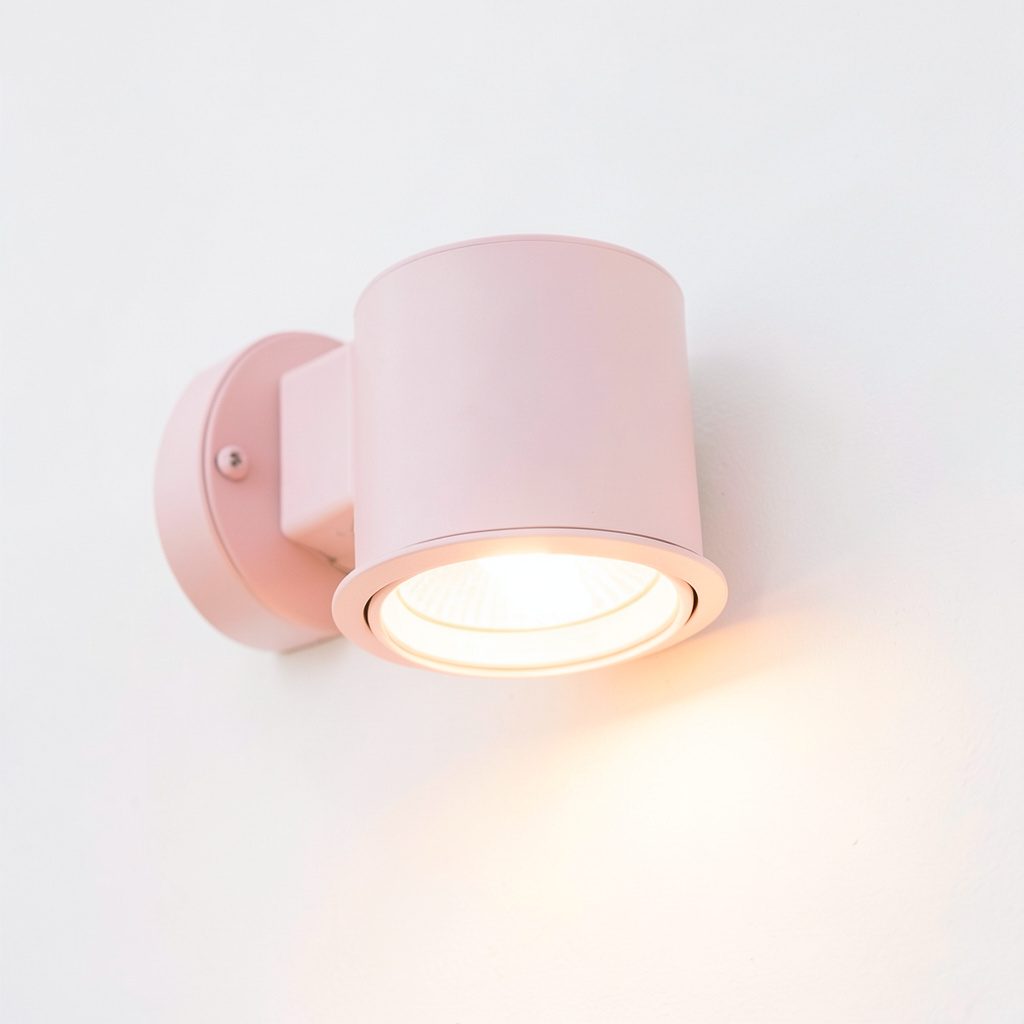
The lens shape affects both decoration and utility. A frosted dome spreads light in all directions, a textured cap creates patterned shadows, and a flatter shade throws more light forward. The landscape lighting collection shows how low-level markers, uplighters and wall lights can work together. Solar mushrooms are best treated as atmosphere and wayfinding rather than a replacement for every task light.
Designing for Australian conditions
In southern Australia, a north-facing solar panel usually receives the longest useful exposure because the sun travels through the northern sky. Keep the collector clear of tree roots, leaves, shade cloth and irrigation spray. A lamp beside a fence may look right at night yet charge poorly all day. Check the panel at noon in winter, when the lower sun makes existing shade even more obvious.
Temperature and water management matter as much as orientation. In Perth and inland areas, dust can mute output and heated housings shorten battery life; in Brisbane and coastal Sydney, moisture and salt can enter screw joints or corrode stakes. Look for a clearly stated ingress rating, sealed cable entries and UV-stable plastic. IP44 suits many sheltered spots, while IP65 is a safer choice for open paths, garden borders and places frequently hit by irrigation.
Summer performance can be misleading. A hot cell may deliver a bright first night, then lose storage capacity as temperatures rise, while a cool, cloudy winter exposes a weak battery. Replaceable cells are therefore more valuable than a sealed pack with an unknown specification. Choose a charger and cell format available locally, and leave enough room to open the base without crushing the cable grommet. In cooler districts, a larger panel and modest output often work better than maximum brightness.
Judging brightness and battery performance
Compare usable light rather than a single headline specification. A decorative path marker producing roughly 20–60 lumens can be pleasant without becoming a floodlight; brighter fittings are useful around steps, seating or a gate. Look for a beam description, diffuser opacity and colour temperature. Warm white around 2200–2700K generally feels comfortable in a courtyard, while a cooler tone can make paths look sharper and more commercial.
Battery claims need context. A light advertised for three nights may assume full summer sun, a fresh cell and an uninterrupted charging cycle. Melbourne’s grey weeks or a position under a jacaranda can reduce that figure sharply. Ask what cell voltage and chemistry are used, how long the LEDs run at the stated output and whether replacement cells are available. Moderate output with a replaceable battery may outperform a brighter sealed unit over a season.
Real-world testing is straightforward. Place one candidate in its intended position, record when its panel receives direct sun, then observe three consecutive evenings. Check whether the light starts reliably, remains evenly bright and fades before dawn. If it fails, diagnose the cause before blaming the LED. Moving the panel, cleaning the collector or fitting a larger battery will solve more problems than adding decorative lamps to a shaded location.
Placing lights for atmosphere and security
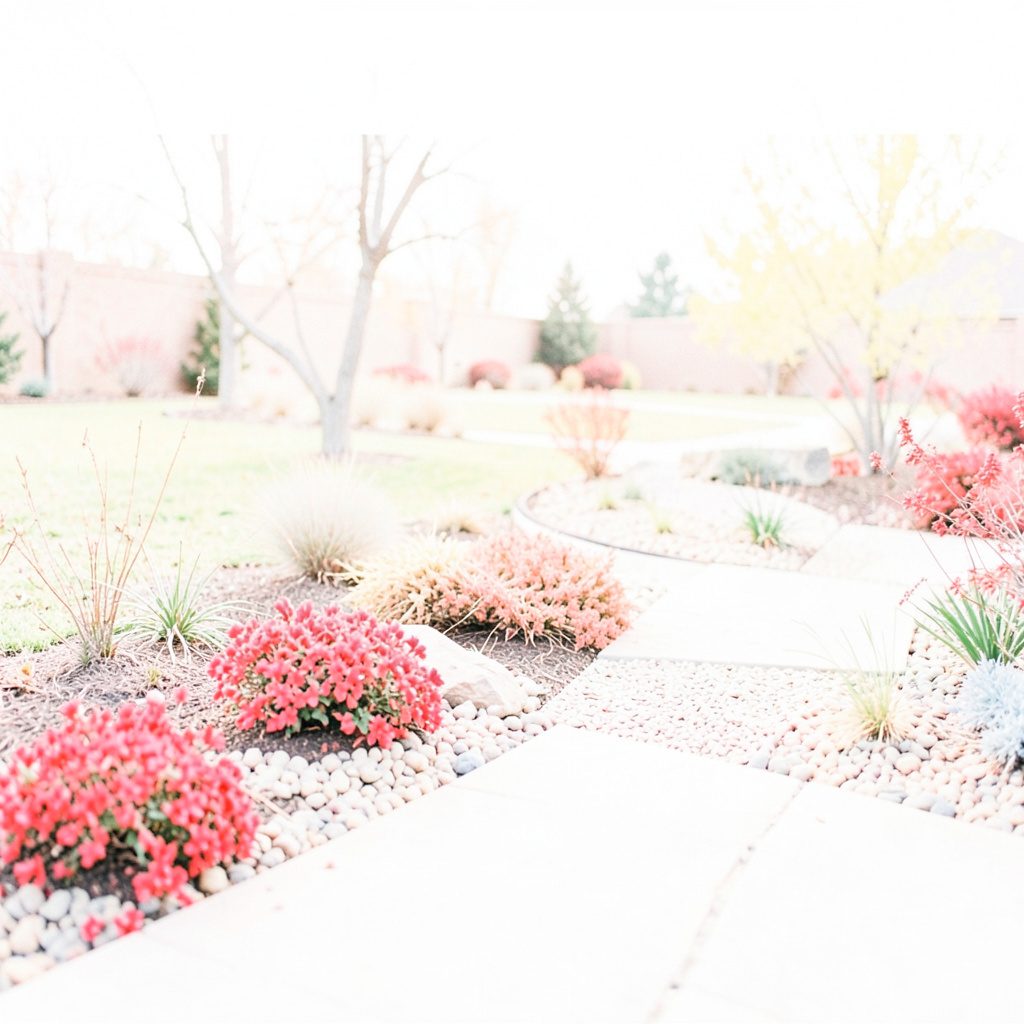
Spacing depends on the purpose. For a path, place lights close enough to create a rhythm, commonly 1.5–3 metres apart, and offset them from walking lines so stems do not snag feet. Keep them low enough to reveal uneven paving and trip hazards. In a lawn, a loose curve can suggest a border without looking regimented, but avoid a perfectly straight row unless the garden itself is formal.
Security lighting needs detection and reach rather than decorative glow alone. Solar mushrooms can mark a gate or reveal a visitor’s approach, yet their low output and delayed dusk sensor may not match a camera’s needs. The motion sensor security guide explains how detection patterns and coverage affect outdoor safety. Use brighter wall washers or suitable mains fittings where dependable illumination matters, then let mushroom lights guide the eye between them.
Product options and buying checks
Start with the job rather than a brand or lumen number. InnoGear solar path lights, commonly listed through Amazon.com.au, suit simple marker duties and can be compared by panel size and cell type. Philips outdoor products fit broader connected or mains-powered schemes rather than every solar format. Home Depot listings can help with size and specification comparisons, although import, voltage, replacement parts and Australian warranty need separate checks.
- Set a brightness limit: choose 20–60 lumens for relaxed path markers and higher output only where stronger coverage is needed.
- Favour replaceable batteries, because cells weaken faster in heat and a sealed pack can end the fixture’s useful life.
- Require IP65 for exposed beds, coastal positions and paths close to sprinklers, especially where fittings are driven into soil.
- Match panel area to local winter sun; larger panels are more valuable than extra LEDs in cloudy or shaded gardens.
- Choose warm-white, shielded light near windows and seating to reduce glare and generally draw fewer insects than cool-white lamps.
- Compare runtime over several nights, not a single bright evening, and confirm that the switch can operate in darkness.
- Mix solar accents with mains LED task lighting, keeping solar power for low-level markers where wiring would be disruptive.
For adjacent formats, browse EPI outdoor lighting options for wall washers, spike lights and path fittings that can fill the same visual language. Buy the solar fixture as a complete set, then verify that the cell, switch, stake and diffuser are serviceable before committing to a larger order.
Build a practical backyard lighting plan
Begin with a dusk walk, not a product catalogue. Note where people step, where the path disappears and which surfaces would benefit from a soft wash. Mark no more than three lighting zones, such as entry, main path and seating. A restrained layout will usually look calmer than an even ring of lights around every plant.
Prototype the difficult zone first. A dim, shaded spot can indicate whether a remote-panel model is needed; a busy street can reveal whether a warm diffuser is essential. The Meredith LBL collection helps compare broader fixtures and finishes before solar and wired pieces are combined. Check voltage, connector standards and warranty support for anything sourced across borders.
Then order one or two lights, test them through a full night and expand only if the result matches the plan. Record charging positions as you go, because summer placement is not always best in winter. On your next evening at home, map three dark points along the main path and place a test light at the sunniest practical spot before buying the full set.