Featured Topics

Solar Firefly Lights: Magical or Gimmicky?
Solar firefly lights sit somewhere between garden lighting and outdoor decoration. Their fine stems, warm points of light and gentle movement can make a patio, balcony or planted border feel enchanting after sunset. They are especially appealing when a conventional spotlight would look too harsh or a string of bulbs would feel too obvious.
The important distinction is between atmosphere and illumination. These lights can create a beautiful evening mood, but they rarely provide enough brightness for cooking, walking safely or monitoring a gate. Their value depends on choosing the right location, accepting their seasonal limitations and using them as one layer in a wider garden-lighting scheme.
What Firefly Lights Actually Do
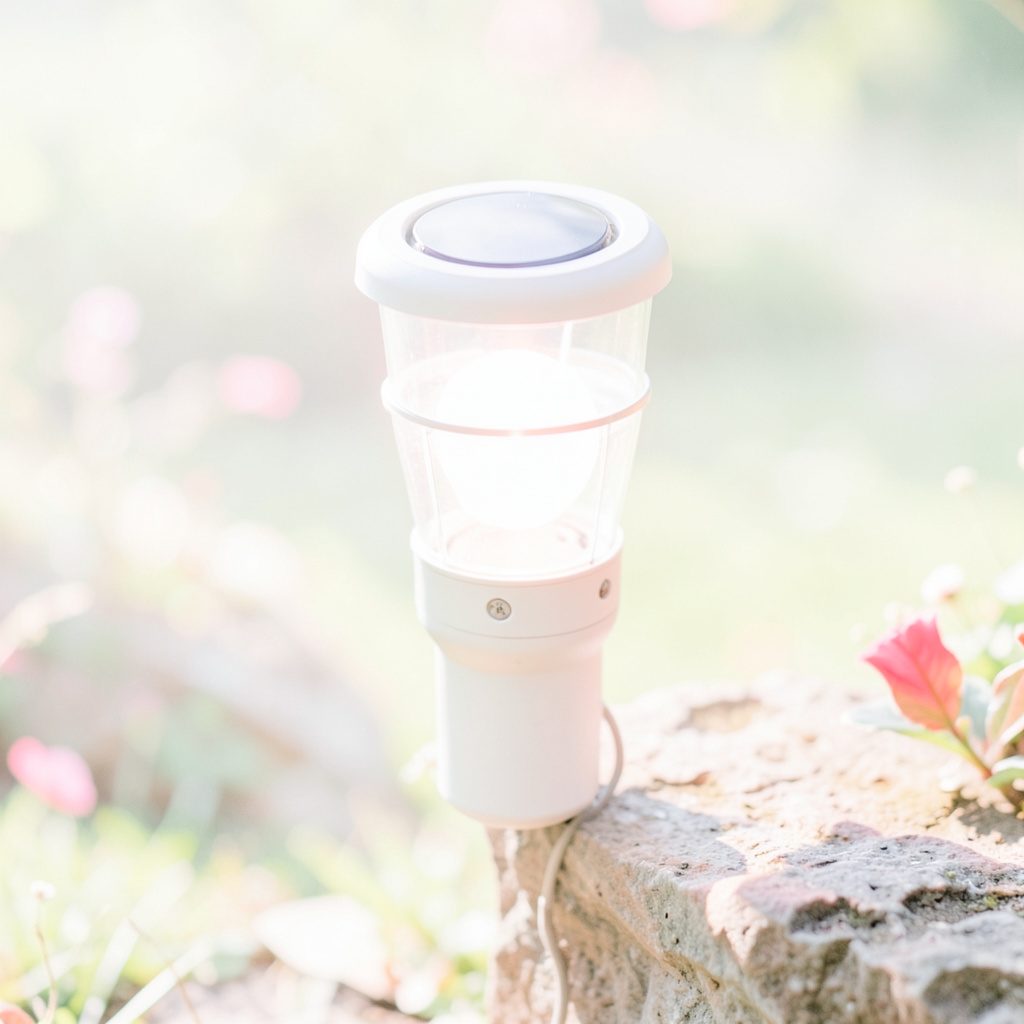
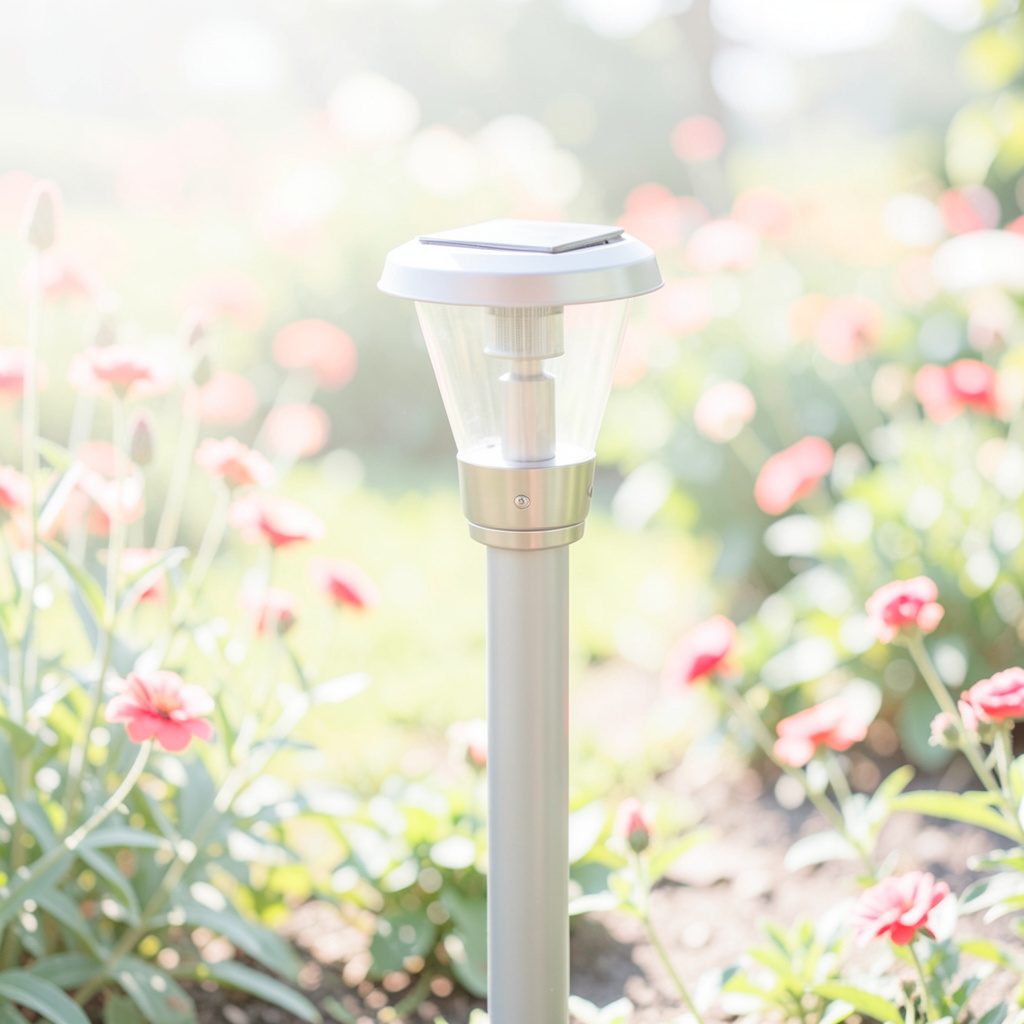
Most solar firefly lights use a small photovoltaic panel, a rechargeable battery and several flexible wire stems tipped with LEDs. During the day, the panel collects sunlight; after dark, a light sensor activates the LEDs. Some models offer a steady glow, while others flicker or pulse to imitate insects hovering over grass.
The “firefly” effect comes from movement as much as brightness. A breeze causes the thin stems to sway, scattering tiny points of warm white or amber light. This makes a planted bed appear animated without flooding it with glare. In practical terms, they work best as accent lighting rather than task lighting.
Many products are sold as a set of three, six or more stems. This creates a fuller effect when the lights are grouped together, although spacing them through a border can produce a more natural, scattered appearance. Check the battery type, operating time and replacement options before buying, since these details often matter more than the promotional photographs.
Why The Effect Feels Magical
Firefly-style garden lights succeed because they imitate something familiar from nature. Their light is irregular, low-level and visually delicate, so it feels less like a fitting and more like a small discovery within the landscape. A cluster beside ornamental grasses or lavender can give a simple courtyard considerable character.
They are particularly effective when viewed from indoors. Place them near a living-room window, along the far edge of a lawn or around a terrace seating area, and the eye sees depth beyond the immediate patio. A few points of light in the distance can make a compact garden seem larger.
Warm white LEDs usually create the most convincing result. Cool white versions may appear sharper and more artificial, especially against brick, pale paving or silver foliage. For a relaxed Australian backyard, amber or soft warm light tends to complement timber decking, sandstone, terracotta and leafy planting.
When The Gimmick Takes Over
The effect can become underwhelming when the lights are expected to perform jobs they were never designed for. A small solar panel cannot always recharge a battery fully after several cloudy days, and a decorative LED may be too dim to reveal uneven paving, steps or garden edging. Treating them as security lights creates a false sense of coverage.
Build quality also varies widely. Thin plastic stems can snap during installation, while lightweight panels may tilt or become buried in soil. In coastal areas such as Sydney, Perth or Adelaide, exposed metal parts can suffer from salt and moisture. Look for weather-resistant construction, sealed battery compartments and a stake that can be pushed into soil without excessive force.
The flicker setting is another personal preference. A subtle irregular shimmer can look natural, but rapid flashing may seem distracting from a dining area or irritating from a bedroom window. If possible, choose a product with multiple modes or a simple on-off setting.
Australian Conditions Matter
Australia’s strong sunlight is helpful for solar charging, but intense ultraviolet exposure can fade plastic and weaken flexible components. Panels should receive several hours of direct sun, particularly in winter when the sun is lower. A spot that is bright in summer may sit in shadow behind a fence or pergola during Melbourne’s shorter winter days.
Weather patterns differ considerably across the country. Brisbane gardens may need products that cope with humid air and heavy rain, while a Canberra installation must handle cold nights and occasional frost. In bushfire-prone regions, keep decorative lighting away from dry mulch, dead grass and easily ignited leaf litter, and follow advice from the relevant state or territory fire authority.
Solar lights are generally low-voltage products, but mains-powered garden lighting is a different matter. Any fixed electrical work or outdoor power connection should use compliant equipment and a licensed electrician, with installation consistent with Australian requirements. For everyday shopping, compare specifications from Australian retailers and marketplace sellers rather than relying on generic claims such as “waterproof” without an ingress rating.
Choosing A Reliable Set
Start with the panel and battery. A larger panel is usually better for recovering energy after a dull day, while a replaceable rechargeable battery can extend the useful life of the light. Check whether the advertised runtime refers to a full charge under ideal conditions; actual winter performance may be shorter.
The light colour should match the rest of the garden. Warm white works well around entertainment areas, amber suits a naturalistic planting scheme, and colour-changing LEDs are better reserved for temporary events or children’s spaces. If comparing firefly products with other decorative options, this guide to best LED string lights can help clarify the difference between flexible strands and individual light stems.
Inspect the warranty, controls and charging instructions. A manual with clear battery specifications is a good sign. So is a realistic product photograph showing the lights at night rather than an extensively edited garden scene. Before ordering from an unfamiliar online seller, review its contact details, returns policy and payment protections; general site availability details are a reminder that an accessible webpage alone does not establish that a retailer is dependable.
Placing Them Around The Garden
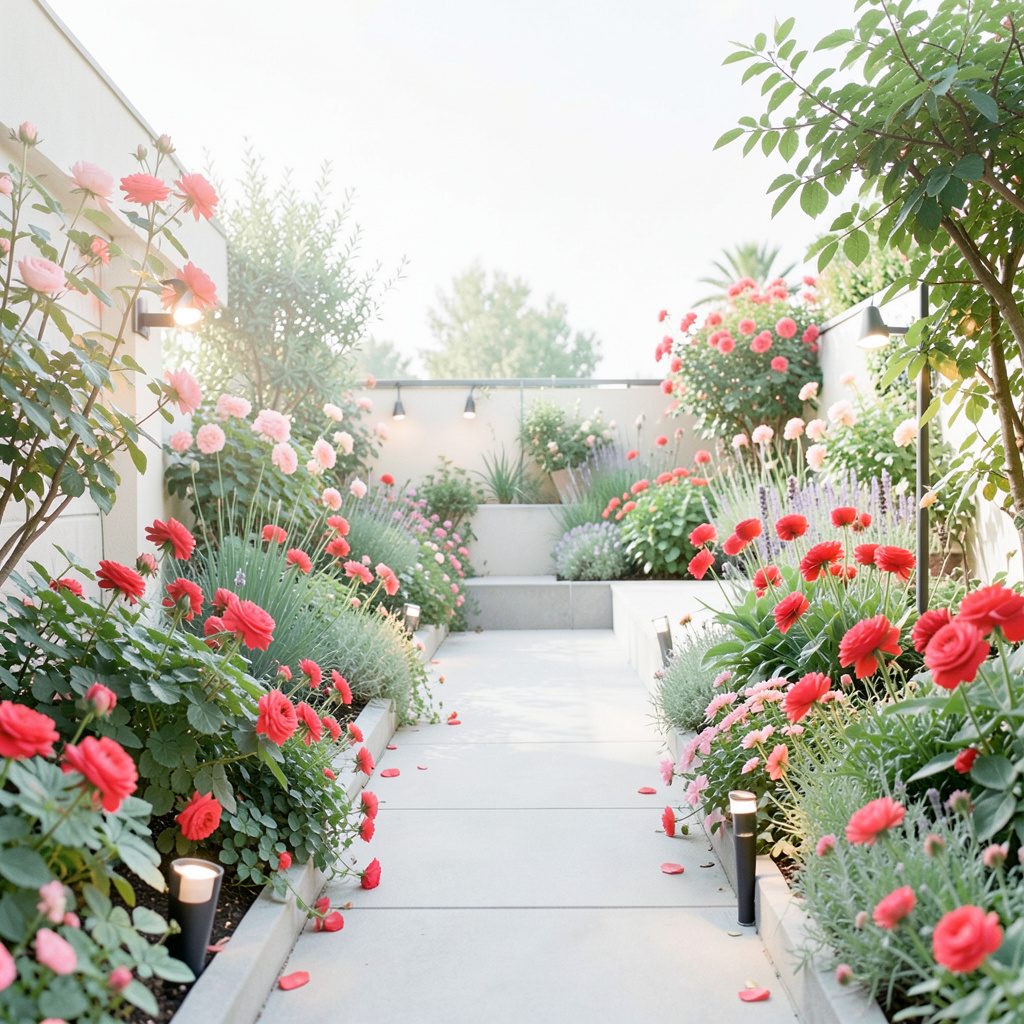
Use firefly lights to support the garden’s existing shapes. A loose group beside a path can draw attention to a curve, while three stems around a feature pot can give a balcony or small courtyard a soft focal point. Avoid lining them at perfectly equal intervals, since repetition can make the display look more like a car park than a natural setting.
They look strongest when partially surrounded by planting. Tuck the stakes among grasses, low shrubs or groundcovers, leaving the light tips visible above the foliage. A vegetable bed can also benefit from gentle decorative light at its edge, although the panel should remain clear of leaves. For planning edible spaces alongside ornamental features, these vegetable garden ideas may provide useful planting context.
Keep the panel unobstructed and angle it toward the strongest available sunlight. Do not place it under a dense tree canopy simply because the position looks attractive during the day. For a safe installation, firm the stake into soil rather than compacted gravel, and use a careful step-by-step approach such as this installation guide when assembling unfamiliar outdoor lighting.
Making Them Part Of A Larger Scheme
A polished garden usually needs several lighting layers. Firefly lights supply sparkle, path lights provide orientation, wall lights add structure and a brighter fitting near a barbecue supports practical tasks. Combining these types prevents the decorative lights from carrying too much responsibility.
Keep brightness restrained near seating. The charm of tiny LEDs disappears if a nearby floodlight overwhelms them. A timer, dusk sensor or smart plug can also prevent unnecessary overnight operation, while strategic placement avoids shining into neighbours’ windows.
Style matters as much as technical performance. A contemporary terrace may suit slim black stems arranged in a clean group, while a cottage garden can handle a more irregular scattering. For broader visual references, browsing Hannah Moskowitz can offer a useful reminder that small details, materials and planting relationships often determine whether an outdoor space feels considered.
Are They Worth Buying?
Solar firefly lights are worthwhile when their role is clear. They can transform an overlooked border, soften a hard patio edge and add movement to an evening garden for relatively little cost. They are also easy to relocate, making them practical for renters or anyone who changes seasonal planting.
They become poor value when chosen as the only outdoor lighting, installed in deep shade or purchased without checking battery and weather specifications. Expecting year-round equal performance is unrealistic, particularly during wet winters, extended cloud or periods of heavy plant growth.
The best approach is to combine a small number of quality firefly sets with dependable path or security lighting. Let the brighter fittings handle visibility and safety, while the delicate solar LEDs provide the atmosphere. Place them where the sun reaches the panel, keep combustible debris cleared from the installation, and judge success by the mood they create rather than by how much ground they illuminate.