Featured Topics
Solar fence post caps reviewed for Australian gardens
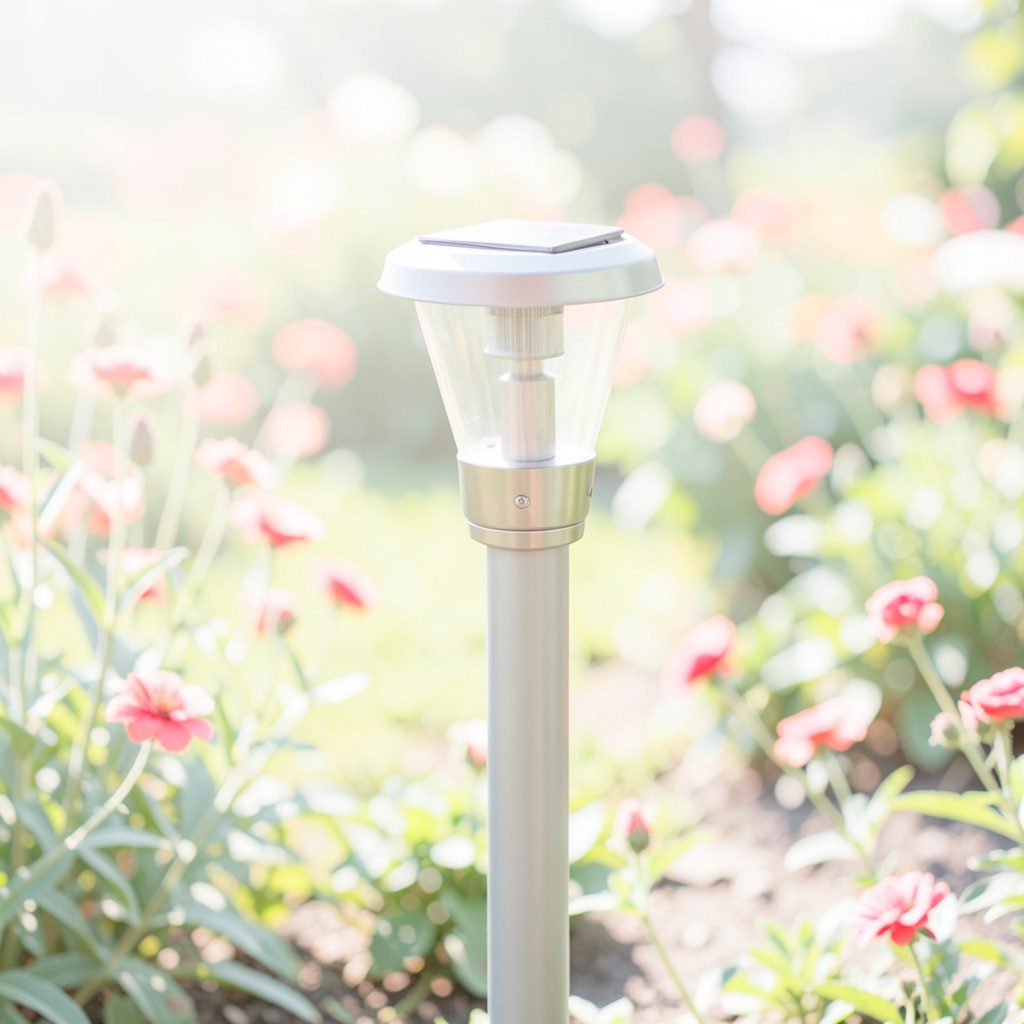
Solar fence post caps are a practical way to give a boundary, deck or courtyard a finished look after dark. During the day, they sit quietly on timber, steel, masonry or composite posts; after sunset, their small LED modules provide a soft marker light that can make steps, gates and garden edges easier to see.
The best models balance brightness, weather resistance, battery capacity and appearance. A cap that looks attractive in a product photo may produce very little useful light, while a powerful unit can seem harsh beside a relaxed coastal garden. In Australia, the right choice also needs to cope with strong sun, sudden rain and, in some areas, salty air.
This comparison focuses on the features that matter in real outdoor settings, from Sydney courtyards and Melbourne backyards to humid Queensland patios and dry Western Australian gardens. It also considers the difference between decorative fence lighting and a fitting intended to provide dependable security or wayfinding.
Choosing the right cap style
The most common solar post cap designs are lantern, contemporary cube, pyramid and flat-top styles. Lantern-shaped fittings suit traditional timber fencing and cottage gardens, while low-profile square caps look more natural with modern horizontal slat fencing. Pyramid tops can cast attractive patterns across a patio, although their decorative lenses may reduce the amount of direct light.
Check the post dimensions before choosing a product. Many caps are made for standard timber posts, but the mounting collar may be too wide for a narrow steel post or too small for a substantial masonry pier. Adjustable bases and included adaptor rings are useful when replacing older caps, especially if the existing posts are slightly weathered or irregular.
Warm white LEDs usually create the most inviting result around seating areas. Cool white light can look crisp beside charcoal fencing and concrete paths, but it may feel stark near sandstone, timber or dense planting. For a broader garden lighting scheme, the design principles in this outdoor lighting guide are useful when matching fence caps with wall lights, uplighters and path markers.
What to compare in solar performance
Solar garden lights rely on a small photovoltaic panel to charge a rechargeable battery during daylight. Panel size, battery capacity and exposure all affect runtime. A cap installed beneath a dense tree may perform well in summer but fade quickly during Melbourne’s shorter winter days or after several overcast afternoons.
Look for a stated runtime alongside a charging time, rather than relying on vague claims such as “long-lasting.” Six to eight hours of illumination is a reasonable target for decorative use, but actual performance varies with season, shade and the brightness setting. Models with automatic dusk-to-dawn sensors are more convenient than lights that require frequent manual switching.
A replaceable battery is a worthwhile advantage. Rechargeable cells gradually lose capacity, and replacing the battery is usually less wasteful than discarding the entire fitting. Some budget caps use sealed units that are difficult to service, so inspect the product description and user reviews before buying several for a long fence line.
Reviews of popular design types
Classic black lantern caps are strong all-rounders for timber fences and heritage-style homes. Their patterned lenses can produce a pleasant glow, and their darker finish hides dust better than white plastic. The trade-off is that decorative frames may block some light, and inexpensive versions can have fragile clips or thin plastic panes.
Modern square caps are usually the easiest match for new fencing. Their broad top panels often collect more daylight than heavily ornamented designs, and their simple shape works well with aluminium, composite and painted hardwood posts. Look for a sealed lens and a secure base, since water can collect around flat joins during heavy storms.
Metal-look models offer a more substantial appearance than lightweight plastic, but “metal finish” does not always mean solid aluminium or stainless steel. Read the construction details carefully. A powder-coated aluminium shell is generally a better choice than a thin plated surface that may peel or corrode near the coast. For a similar comparison of durable outdoor fittings, see these metal solar path lights.
Materials and weather resistance
Australian gardens expose outdoor lighting to intense ultraviolet radiation. A cap that survives one mild season may become brittle after years of summer heat if its housing is made from low-grade plastic. UV-stabilised ABS, powder-coated aluminium and stainless-steel fasteners are preferable for exposed fences.
Water resistance also needs closer attention than a simple “outdoor” label. An IP rating gives a clearer indication of protection against dust and moisture, although the rating does not guarantee that a product will tolerate poor installation or standing water. Position the cap so rain can drain away, and avoid covering the solar panel with sealant, paint or decorative film.
Coastal homes around Brisbane, Newcastle, Adelaide and Perth should pay particular attention to corrosion. Salt carried by sea air can affect screws, springs and battery contacts even when the main housing still looks clean. Rinsing fittings occasionally with fresh water and choosing corrosion-resistant hardware can extend their useful life.
Light quality and practical visibility
Solar post caps are best treated as low-level marker lighting. They can define a boundary, highlight a gate or make a change in level easier to recognise, but they rarely replace a bright sensor floodlight. If security is the priority, combine decorative caps with a separate motion-activated fitting positioned near doors, side access or a garage.
A diffuser creates a smoother glow and reduces glare when the fence is close to a window or seating area. Clear lenses can produce more sparkle and stronger shadows, but they may be uncomfortable to look at directly. Some premium-style caps include multiple brightness settings; this is useful when you want a brighter light early in the evening and a softer setting later.
Consider spacing before purchasing. Caps installed on every post may look balanced along a short terrace, while a long suburban boundary can appear overlit or become expensive to equip. On a large property, place brighter fixtures near entrances and use softer caps along secondary fence runs.
Installation and maintenance in the garden
Most solar fence post caps can be installed with a screwdriver, but the post top should be level and structurally sound. Loose timber, cracked masonry or a leaning post will make even a well-designed fitting look untidy. Use the supplied screws where suitable, and choose exterior-grade replacements if the originals seem short or prone to rust.
Clear leaves, dust and bird residue from the panel several times a year. A soft damp cloth is usually enough; abrasive cleaners can scratch the surface and reduce charging efficiency. Trim branches that gradually shade the panel, particularly after summer growth.
The same attention to garden maintenance helps keep the whole outdoor space working well. For example, improving the cut of a lightweight lawn mower with this mower weight guide can make it easier to maintain the grass and planting beds around a newly lit fence.
Features worth paying for
The most useful upgrades are those that improve reliability rather than simply adding visual detail. Before comparing brands and prices, separate essential features from styling preferences.
- A replaceable rechargeable battery
- A sealed, UV-resistant housing
- A reliable dusk sensor
- Stainless-steel or corrosion-resistant fixings
- An adaptor system for different post sizes
A higher price can be justified when the fitting has better construction, a larger panel or a serviceable battery. It is less persuasive when the extra cost only buys a decorative finish that does not suit the rest of the garden.
Australian buying checklist
Local availability can make replacement parts and returns easier. Bunnings, Amazon Australia, specialist lighting retailers and home-improvement stores often carry different ranges, so compare the dimensions and warranty terms rather than choosing solely by star rating. Philips is a familiar name in residential lighting, while InnoGear and many other brands appear across online solar-light categories; product specifications still matter more than the logo.
Before ordering, use this checklist:
- Confirm the post width and base shape
- Check the stated IP rating and warranty
- Look for real customer photos after installation
- Confirm whether batteries or adaptors are included
- Estimate winter sunlight at the installation site
In bushfire-prone areas, keep fittings and wiring-free decorative lights clear of dry leaf litter and combustible vegetation. Solar caps do not create the same cable hazards as mains-powered products, but their plastic housings and batteries still need sensible placement. Areas with water restrictions may also benefit from low-maintenance lighting that improves the garden’s appearance without adding irrigation demand.
A careful privacy check is sensible when shopping online, particularly if you are comparing retailers, delivery services and payment providers; the retailer’s privacy policy explains how personal information may be handled.
The strongest choice is usually a simple, weather-resistant cap with a useful battery, a dependable sensor and a finish that complements the fence. Decorative brightness matters, but reliable charging, secure installation and suitability for Australia’s sun and weather will determine whether the lights remain attractive after the first season.