Featured Topics

Solar bollard lights with adjustable height: Reviews
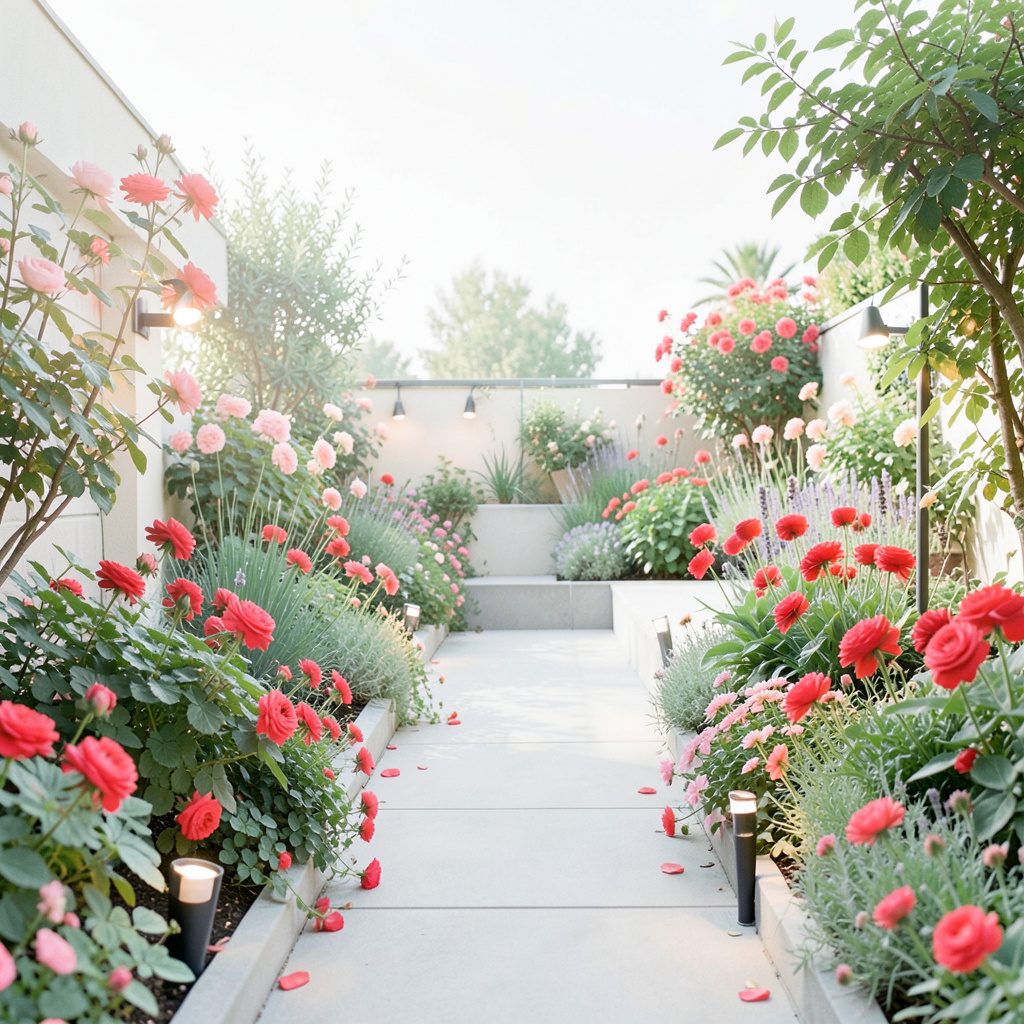
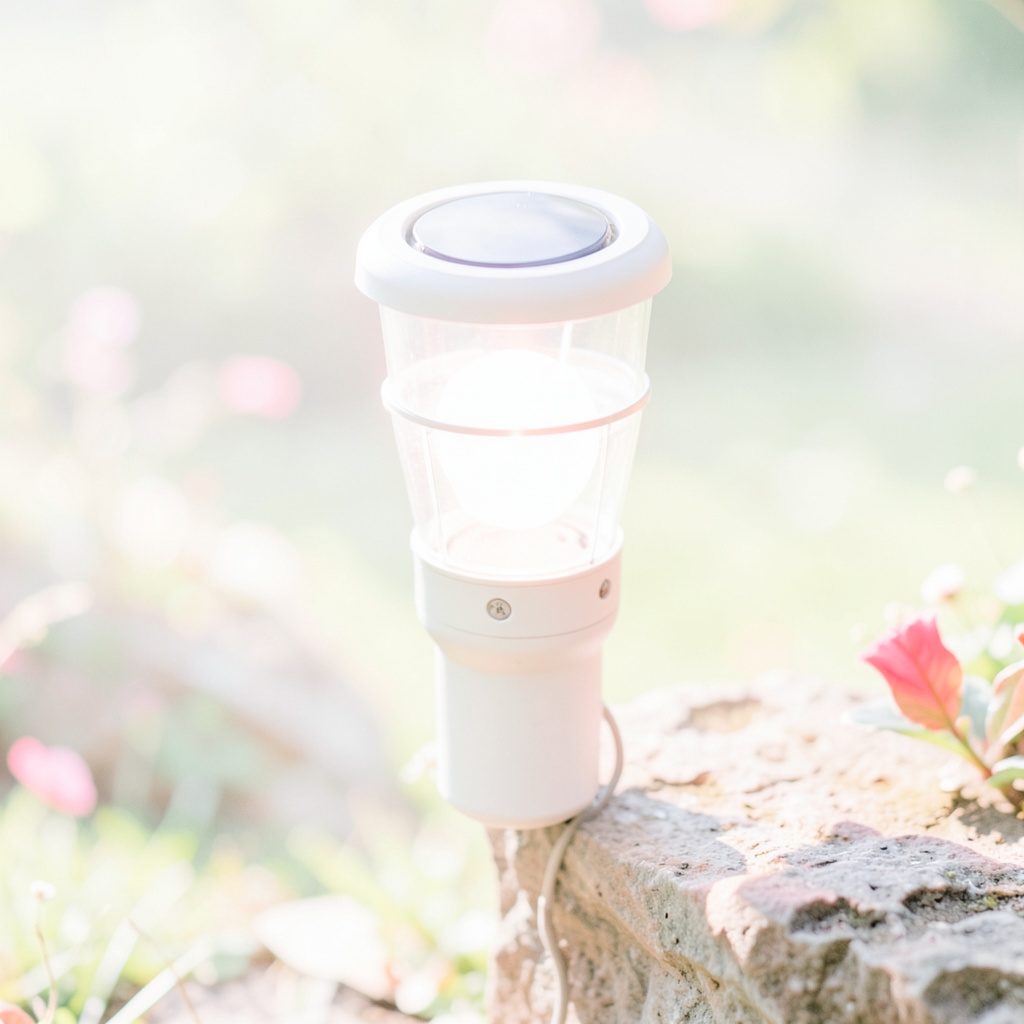
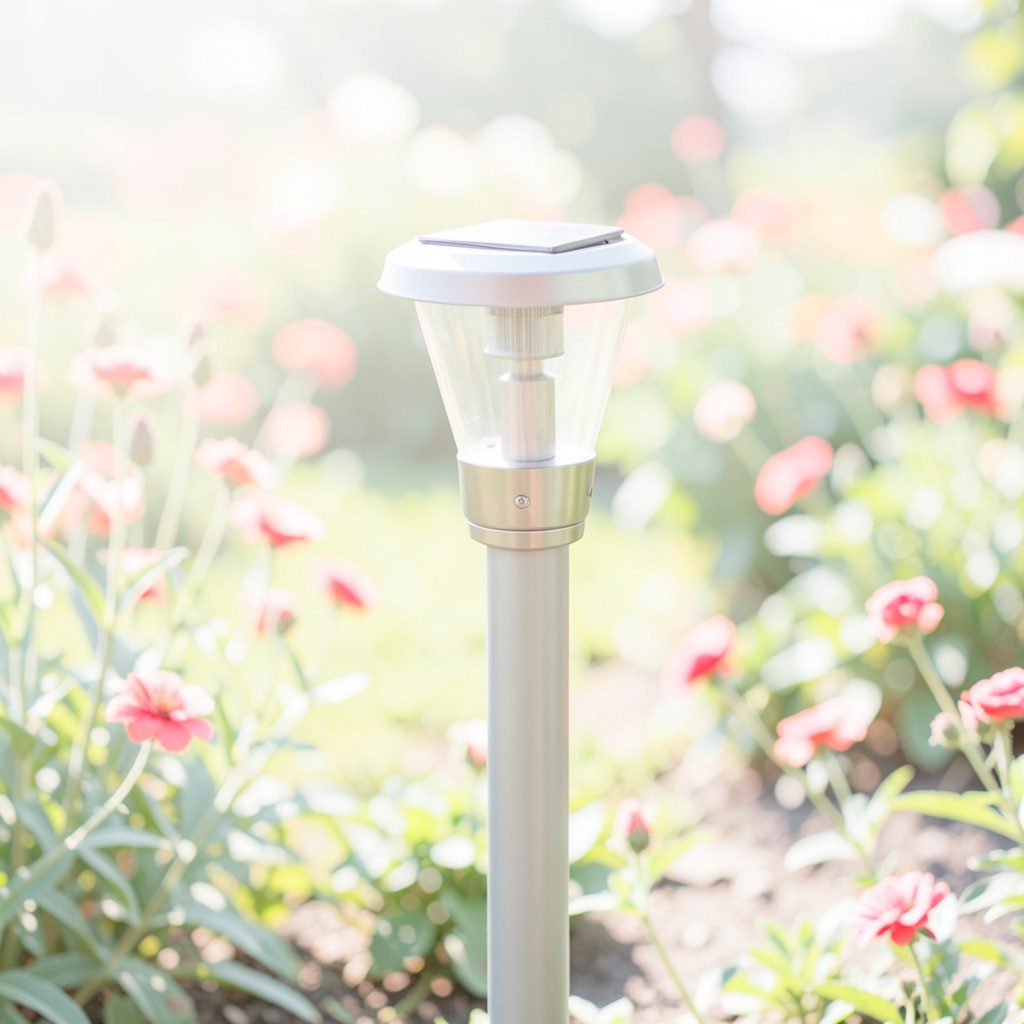
Solar bollard lights add a low, attractive glow to paths, lawns and patios, while taller posts can define a driveway or illuminate planting beds. Adjustable versions offer useful flexibility: a compact model can guide visitors through a front garden, then be extended when a wider lawn or longer path needs greater visibility. Their solar construction also avoids mains-cable trenches, making them popular for renovated courtyards and established homes.
This comparison focuses on telescopic and modular bollards rather than fixed-height path markers. The assessment considers light quality, stability, charging performance, weather resistance and practical differences between the main designs. It also reflects Australian conditions, where summer storms, coastal salt, intense UV and winter cloud can affect performance quite differently.
What height adjustment changes in practice
Most adjustable bollards use a telescopic post, a screw-together extension or a lamp head mounted on a sliding stem. Adjustment lets the light sit above low shrubs or bring the beam closer to the ground for a softer appearance. Extension can also improve the apparent brightness of a small pathway, although it does not increase the lamp’s actual output.
The useful range depends on the installation. A minimum height of roughly 30–50 centimetres suits garden edging, while 70–100 centimetres works better beside driveways and open lawns. Taller posts create more visual impact but need a weighted base because raising the lamp also raises its centre of gravity. For trips beyond the garden, solar lanterns for camping provide portable light for a different set of conditions.
How adjustable-height designs perform
Four construction styles appear most often. Screw-extension posts are inexpensive and easy to assemble, but their joints may develop a slight wobble. Sliding tubes with a locking pin feel more solid and suit exposed lawns. Detachable heads make panel positioning easier, while modular bollards offer interchangeable lenses or lamp sizes. The best all-round design combines a rigid lower post, a secure locking collar and a downward-facing lens.
Light quality depends more on the diode, lens and beam angle than on the height of the post. A well-shielded bollard spreads light evenly across a path without sending glare toward a house or neighbouring property. Adjustable models perform especially well when the extension places the illuminated section above the planting line. Poorly aligned heads can leave the lower section dark or create harsh patches beneath the lamp.
Adjustable-height listings on Amazon frequently use generic product names and may change from one seller to another, so the design and specifications matter more than a temporary model title. Philips and InnoGear remain familiar names in outdoor lighting, although many of their available products are wall lights, spotlights or fixed-height path markers. Those remain worthwhile alternatives when telescopic height is unnecessary. Home Depot listings can also help with dimensions and customer feedback, but United States pricing, availability and replacement parts may not translate to Australia.
Brightness, battery and control options
Decorative bollards commonly produce a modest pool of light, while brighter models are better suited to driveways or security applications. Warm-white light around 2200–3000 Kelvin usually complements timber decks, brick and native gardens. A neutral 4000 Kelvin tone looks crisper beside pale paving, while colourful LEDs are mainly decorative and can make path edges harder to distinguish.
Runtime depends on battery capacity, the number of LEDs, panel area and how often the light operates at full output. Quality batteries provide useful illumination through several long winter nights, provided the panel receives several hours of direct sunlight. Replaceable cells are valuable if a replacement becomes available locally. Brightness reduction and motion sensing can extend runtime, although an aggressive sensor setting may leave the first few metres of a path briefly dark.
Bollards can also frame a driveway games area or the edge of an alfresco space. If guests are learning a game during a gathering, a free craps practice resource can settle the rules before play begins. Warm, shielded lighting then keeps the social area welcoming without turning the pavement into a brightly lit entertainment zone.
Fitting adjustable bollards into Australian gardens
Sydney and Brisbane can receive intense summer storms, while Melbourne often brings cool, windy weather and extended cloudy periods. Perth’s strong sun and UV exposure raise concerns about cable and housing deterioration. Coastal properties also face salt-laden air that can corrode steel fasteners. Bollards for these locations should have at least IP65 weather protection, sealed connectors and corrosion-resistant fixings; IP67 is preferable where splashing is likely.
Panels generally capture more energy when they face north because Australia lies in the Southern Hemisphere. Trees, fences and dense shrubs can reduce charging sharply, so apparent sunlight should be checked across the year rather than only at installation. Place the lamp where it lights the walking route without shining into a bedroom window. It should also sit outside the immediate splash zone of a pool, and any mains-connected alternative would require suitable protection and licensed installation.
Local shopping habits influence the decision as much as the specifications. Australian garden retailers such as Bunnings and Mitre 10 commonly stock solar path lights, while Amazon Australia offers a broader range of adjustable and imported designs. Measurements in metres, prices in Australian dollars and the popularity of backyard barbecue areas make low-glare, warm-white products particularly relevant. A metre of unnecessary height in a crowded courtyard can look more industrial than the same bollard shown in a wide garden catalogue.
Buying criteria and garden-specific choices
Before comparing prices, check the specifications that determine whether a model will remain useful after installation:
- Minimum and maximum height in metres
- Base weight and resistance to wind
- Steady light output and beam angle
- Battery capacity and replaceability
- IP rating and UV resistance
- Locking mechanism and warranty
Broader garden lighting ideas can help establish a consistent style before comparing individual bollards. The best choice depends mainly on the area being lit:
- Compact entry: short model with warm-white light
- Long pathway: medium extension for even spacing
- Open lawn: tall, slender post with a weighted base
- Coastal garden: IP65 or IP67 with sealed hardware
- Alfresco edge: dimmable, downward-facing and glare-free
The durable choice worth remembering
A good adjustable solar bollard should remain stable at its tallest setting, recharge under realistic sunlight and provide a comfortable pool of light without overwhelming nearby plants. Fixed-height Philips or InnoGear products can suit simpler layouts, but adjustable designs are more adaptable when paths, shrubs and entertaining areas change over time.
When purchasing directly from an online lighting brand, account details and delivery information may be requested, so the retailer’s privacy details and return policy deserve attention before checkout. The model worth remembering is the one whose brightness, weather rating, stability and maintenance needs match the actual garden rather than the most impressive specification on the box.