Featured Topics
Solar lanterns for camping and backyard glamping
Australian campsites and backyard gatherings rarely use light in the same way. A fair comparison of the top solar lanterns for camping or backyard glamping therefore starts with local conditions: strong UV exposure, sudden summer storms, cool evenings, and camps or terraces where mains power is inconvenient. Sydney and Perth campers may rely on bright panel hours, while Melbourne gardens often need a lantern that holds its charge through a changeable week.
Marketers often quote peak lumens, but daily usefulness depends on runtime, controls, and where the lamp can be hung. A bright lantern for a camp kitchen has different needs from a soft marker beside a tent. Backyard glamping adds atmosphere through warm colour, low glare, and placement among plants rather than simply covering an area with white light.
Solar does not mean maintenance-free. Panels still need sun, batteries age, and a lantern stored damp in a drawer may not perform as expected. Choose a device sized for the trip, test it before departure, and carry a backup light when camping far from vehicle access.
For Australian buyers, the market includes established lighting names such as Philips, online ranges from brands like InnoGear, and products sold through Amazon.com.au, Home Depot, Bunnings, and specialist outdoor retailers. Check Australian warranty coverage and electrical compliance rather than assuming an imported listing has the same inclusions or support as a local product.
Solar light for Australian campsites
For tent markers and footpaths, a compact lantern in the 20–60-lumen range is usually enough for a soft pool of light. For cooking, cards, or finding gear, look for an adjustable 100–300-lumen mode. Brighter output can help at a large campsite, but it often shortens runtime and may dazzle neighbours at a popular campground.
Place the panel where it receives unobstructed sunlight, even if the lamp itself belongs under an awning. A separate panel is valuable beneath dense trees or inside a vehicle camp. In winter, expect longer charging periods, while northern Australian campers should select a battery designed for high ambient temperatures rather than judging capacity by a mild-weather laboratory result.
A hanging lantern with a hook or fold-out handle adds flexibility at camp and home. For a tent or camp kitchen, InnoGear RGB strip lights can provide a controlled colour accent, although those lights need their own suitable power source. Keep decorative RGB lighting separate from the main lantern so a drained accessory does not leave the site dark.
Glamping glow for backyard spaces
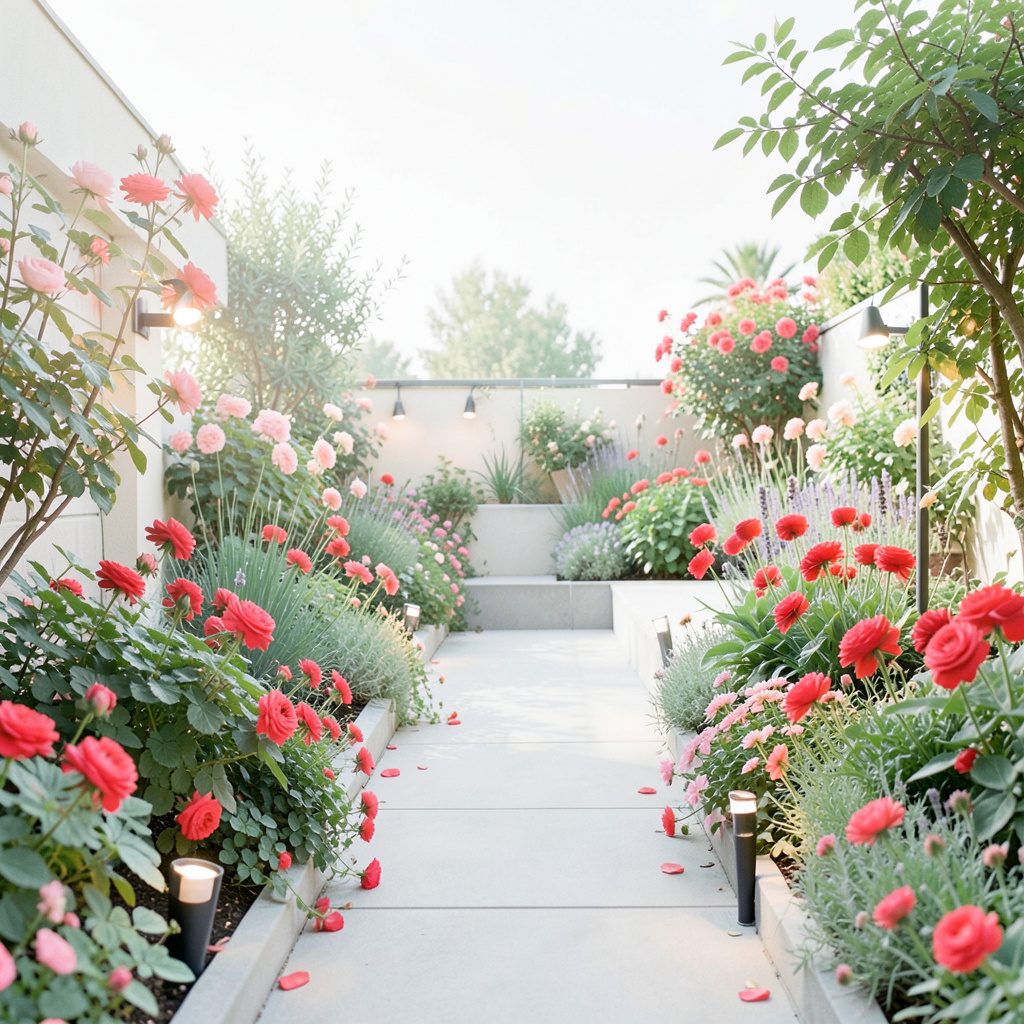
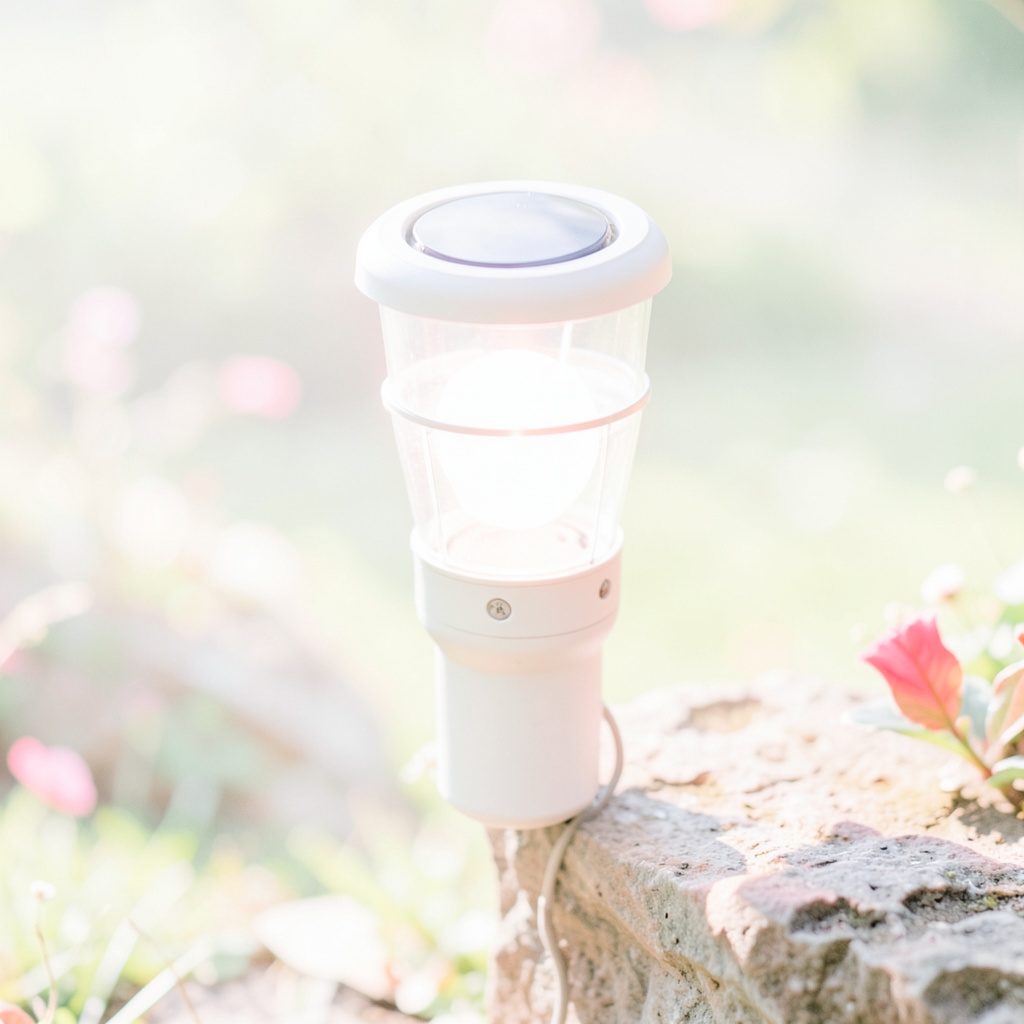
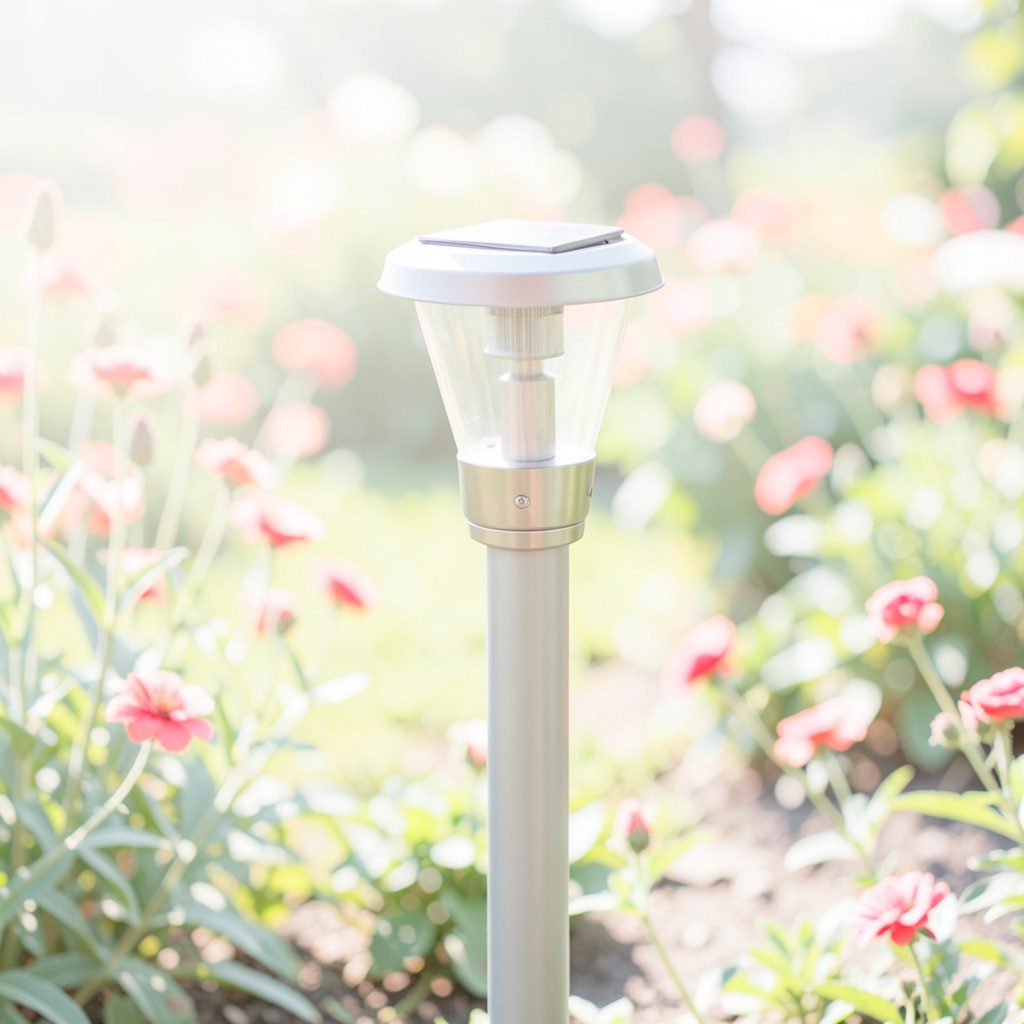
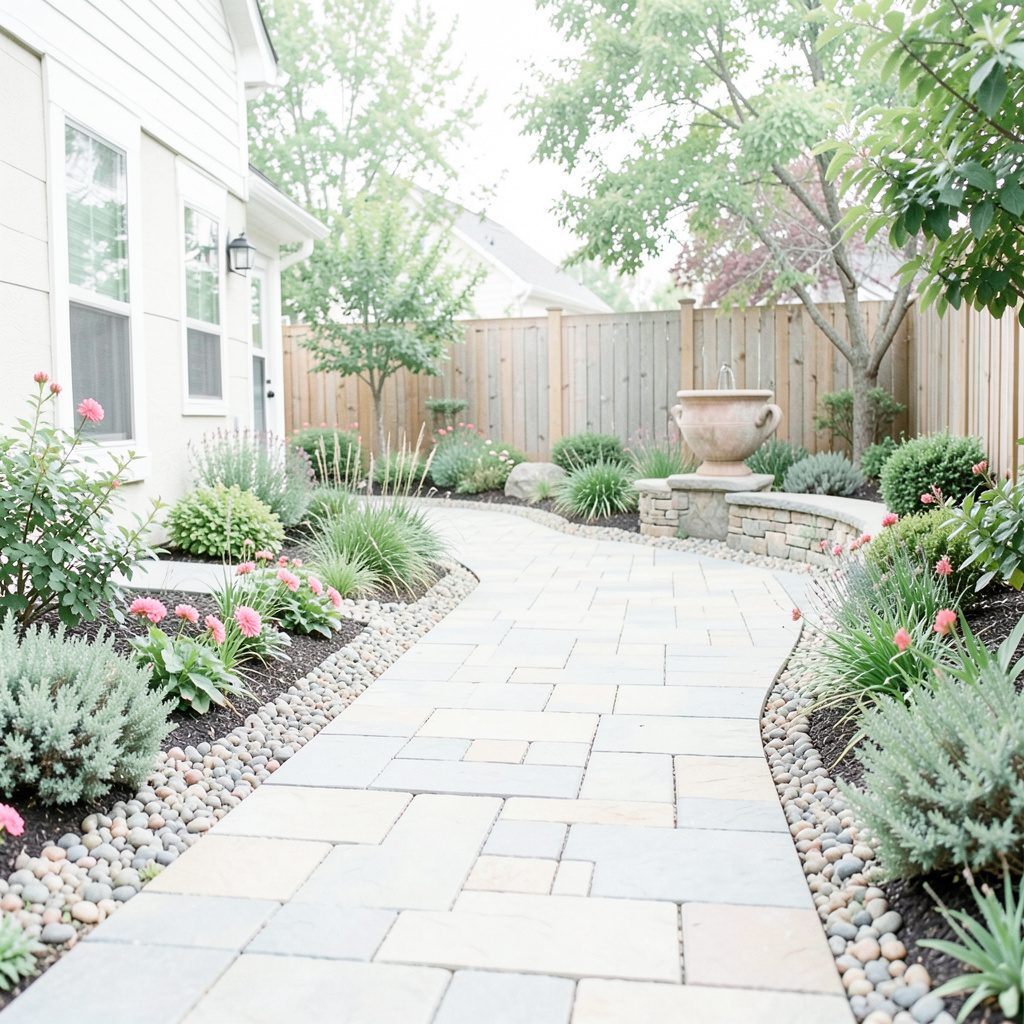
Backyard glamping works best when lighting is layered. Use low, warm lamps along a deck edge, brighter task light over a barbecue, and narrow solar stakes or wall lights to define steps and planting beds. This creates a relaxed setting after an everyday Australian barbecue without turning the whole garden into a floodlit area.
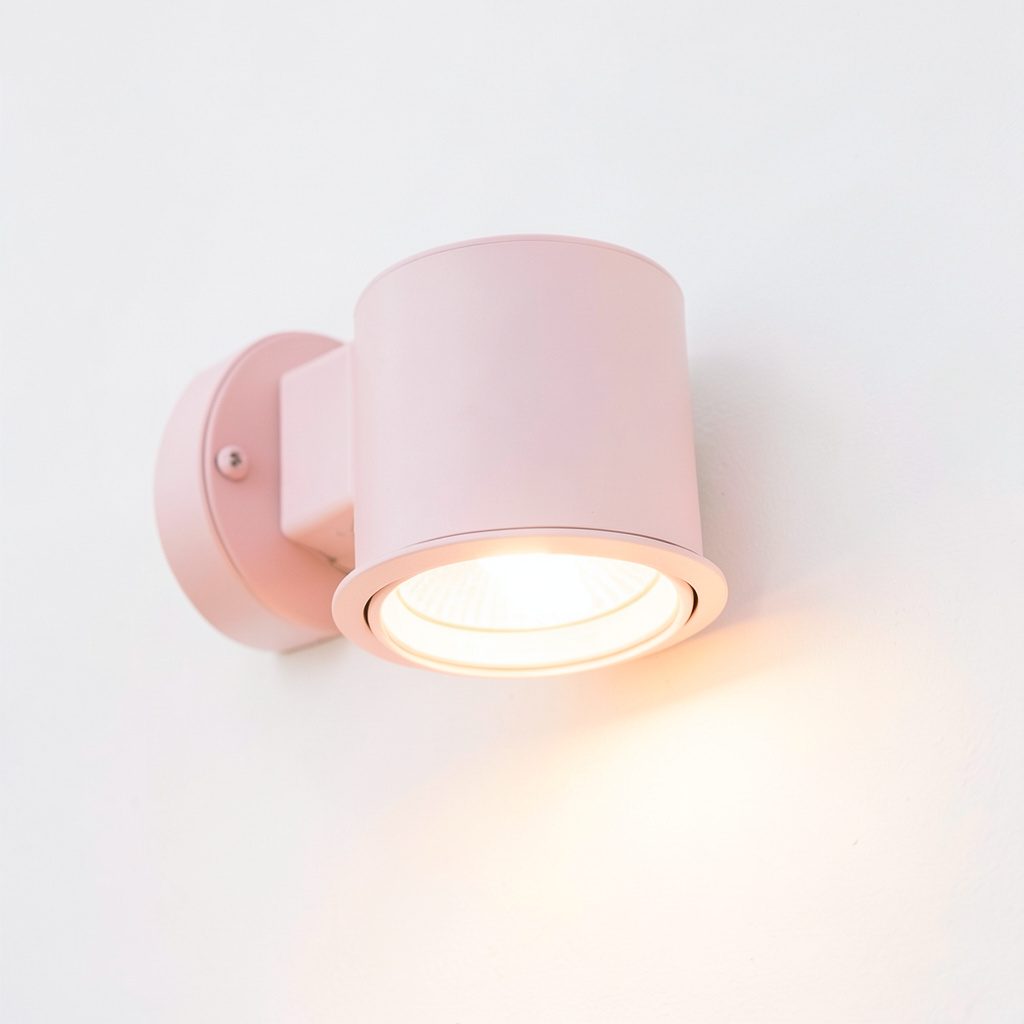
Philips outdoor and solar ranges are useful starting points for people who value familiar finishes and established lighting design. For a weekend tent, inspect seam strength, ventilation, and a stable way to suspend the lantern. A freestanding globe can soften a canvas wall, while a shielded fixture near neighbours reduces glare.
For imaginative, low-cost yard details, Purple Stitch Project provides a useful direction for DIY atmosphere. Test paint, fabric, and reclaimed materials outdoors before an event because a decorated lantern can still attract insects. Place it away from dry vegetation, and use a removable, washable cover if children or pets are nearby.
A practical buying checklist
No single specification decides quality, so compare each lantern against the job it must do. Treat the following lists as a purchase screen rather than a fixed ranking.
- Light output: Confirm low, medium, and high modes, plus actual runtime for each; a single maximum-lumen figure can be misleading.
- Charging: Compare panel area and claimed full-charge time, then check whether USB-C input allows charging away from direct sun.
- Battery: Look for a stated capacity, charge-level indication, and replaceability where the manufacturer offers it.
- Weather resistance: IPX4 suits splash exposure, while IP65 is more appropriate for exposed decks, paths, or unpredictable rain.
Placement and control deserve a second pass because basic specification sheets may omit practical details.
- Runtime and controls: Verify whether brightness can be changed without cycling through every colour mode.
- Mounting: Check the hook, handle, base weight, and whether the unit can stand on uneven ground.
- Colour temperature: Warm white is easier on the eyes at bedtime, while neutral white helps with food preparation and finding items.
- Power bank use: Treat USB output as a bonus, not a reason to depend on a camping lantern for phone charging.
Before buying, switch every mode, read the runtime chart, and inspect the panel frame and ports. Reviews are most useful when they mention battery condition after several weeks outdoors because new units represent only the beginning of the product’s life.
Buying in the Australian market
Amazon.com.au offers a convenient way to compare portable solar lights, reading levels, and customer feedback, but sponsored rankings can hide weak battery claims. Compare dimensions with Australian camping-gear storage in mind. A lantern that seems compact online may still be awkward beside a toilet roll, swag roll, or folding table.
Home Depot is useful for checking fixture design and broader lighting ranges, although international delivery, local warranty, and voltage arrangements need confirmation. Bunnings and specialist Australian camping stores may offer simpler returns. Philips is commonly easier to find locally than niche brands, while InnoGear products may depend more heavily on online fulfilment. Availability changes, so check the Australian seller rather than the logo alone.
Safe and dependable lighting plans
Any adaptor or power bank sold for Australian use should meet applicable electrical safety and electromagnetic-compatibility requirements, with RCM compliance where applicable. The Australian Consumer Law provides consumer guarantees, yet those guarantees do not remove the need for correct use. Imported gear can still be unsafe if its charger, plug, battery, or instructions do not fit the intended setting.
Campground and state rules also matter. Solar lanterns have no flame, but lithium-ion batteries can still be damaged by heat, crushing, or water. Follow the manufacturer’s charging and storage directions, protect the terminals, and do not leave a unit in a hot vehicle. Check local fire-danger ratings and site instructions, particularly where restrictions cover powered equipment or naked flames.
Test a new lantern at home for a full day, then use its low mode during a weekend camp. Shade the panel to see how the controls behave, inspect the housing for moisture, and confirm that the battery does not drain overnight. More testing guidance and the writer’s background appear in the Meredith LBL author profile, which can help readers understand how the products were evaluated.
The most valuable camping lantern is the one you can find in the dark without walking across rough ground. It should match its light to the task, recharge within the available daylight, tolerate expected weather, and pack easily beside a bedroll or backyard chair.
For glamping, a restrained mix of warm path markers, shielded task lamps, and one colour accent creates more atmosphere than a single brilliant lamp. That balance should be the lasting measure of a successful outdoor lighting setup.