Featured Topics

Philips Smart Outdoor Floodlight With Camera Review for Australian Gardens
Outdoor lighting has shifted from simple dusk-to-dawn illumination to a combination of atmosphere, security and connected-home control. A smart floodlight with an integrated camera can brighten a driveway, side gate or entertaining area while giving you a clearer view of movement around the property.
The Philips Smart Outdoor Floodlight with Camera is most appealing to homeowners who want those functions in one installation rather than separate garden lights and a standalone security camera. Its suitability depends on placement, Wi-Fi coverage, privacy expectations and the way your household already uses smart-home technology.
What This Philips Outdoor Camera Light Offers
The central appeal is the pairing of a broad outdoor beam with video monitoring. A conventional floodlight may discourage unwanted activity, while a camera can provide visual confirmation through a connected app. This makes the unit useful near a garage, front path, bin area or rear access point where low visibility is a concern.
Floodlighting also improves everyday comfort. A bright fitting can make it easier to find keys, guide visitors up steps or supervise a backyard after dark. Unlike decorative solar lanterns, a hardwired smart floodlight is designed for consistent output, including during overcast evenings when small solar panels may not fully recharge.
The exact camera resolution, storage arrangement, detection zones and subscription features should be checked against the Australian listing before purchase. Philips has released connected security products in different configurations, so the name used by a retailer may not describe every regional specification.
Light Quality And Coverage After Dark
A floodlight is judged by useful coverage rather than maximum brightness alone. The Philips fitting should be aimed to wash a target zone evenly, avoiding a harsh white patch directly below the camera. Mounted over a driveway, it can cover vehicles and approaching paths; installed too high or pointed towards a neighbour’s property, it may create glare and reduce useful detail.
Colour temperature matters in a home garden. Cool white light can provide a crisp security appearance, but warmer light is often more comfortable around patios and entertaining areas. If the system supports adjustable brightness or colour settings, use a stronger setting for detection and a softer setting for ordinary evening use.
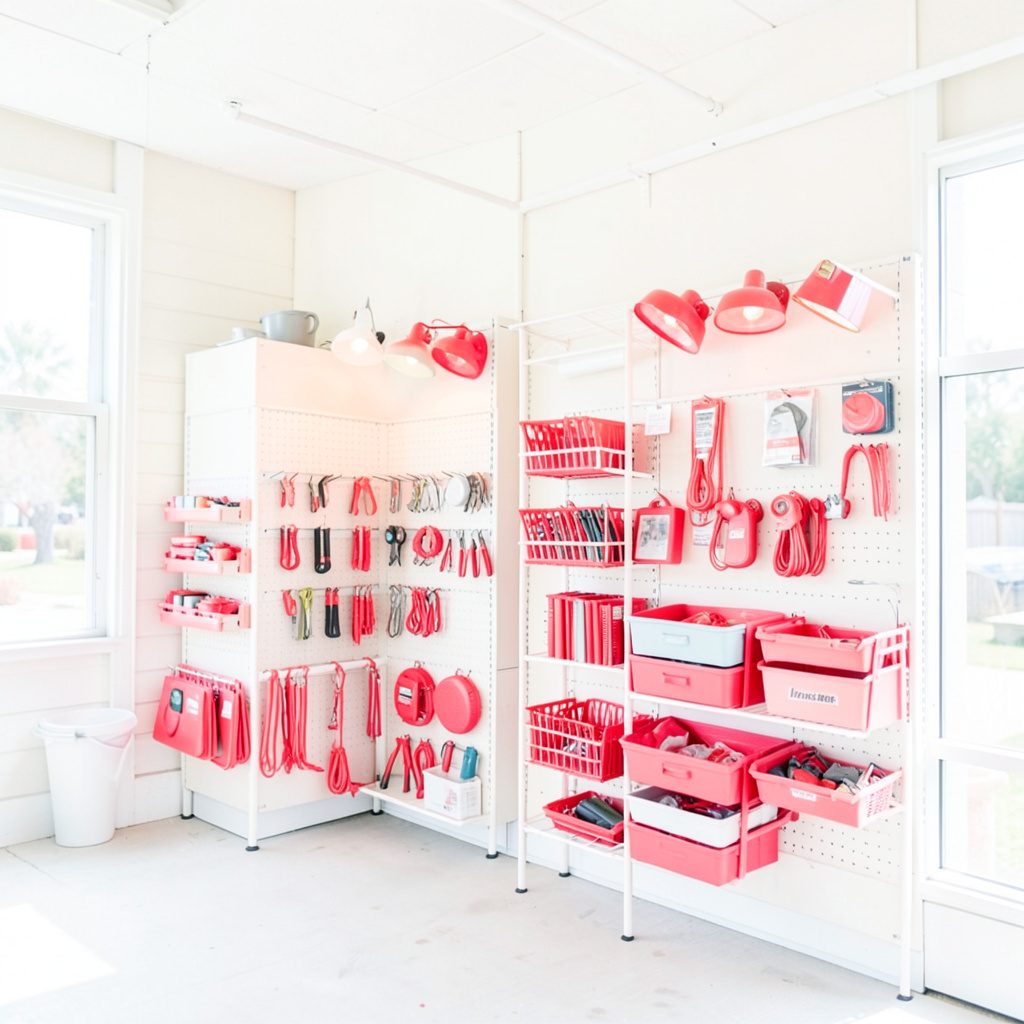
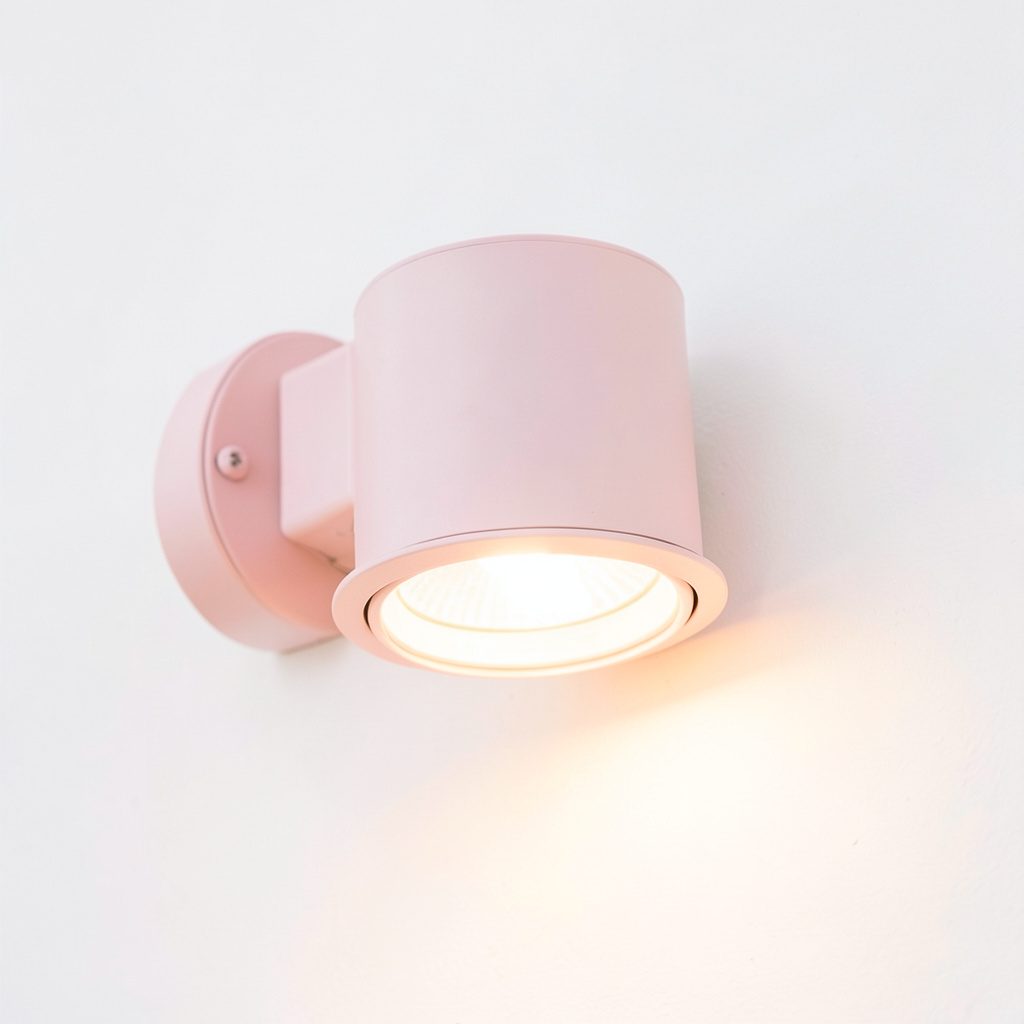
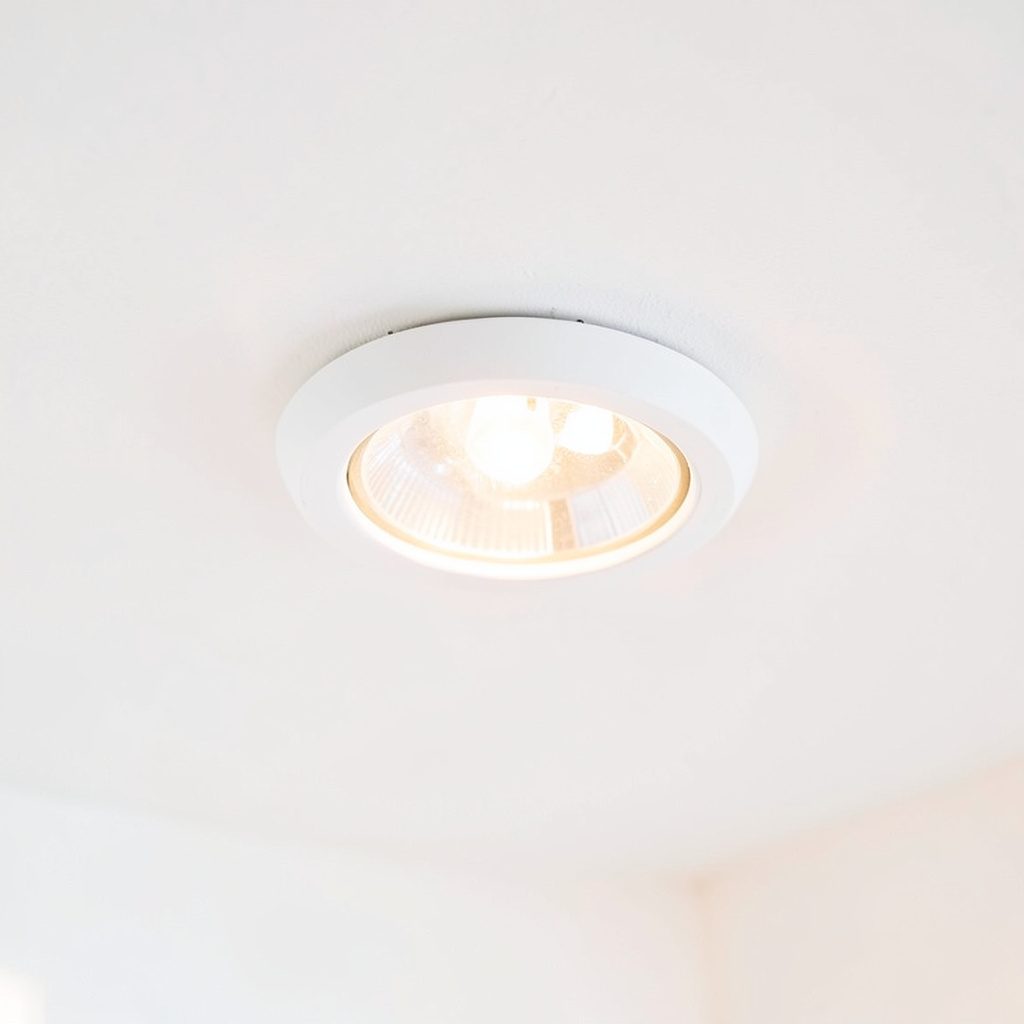
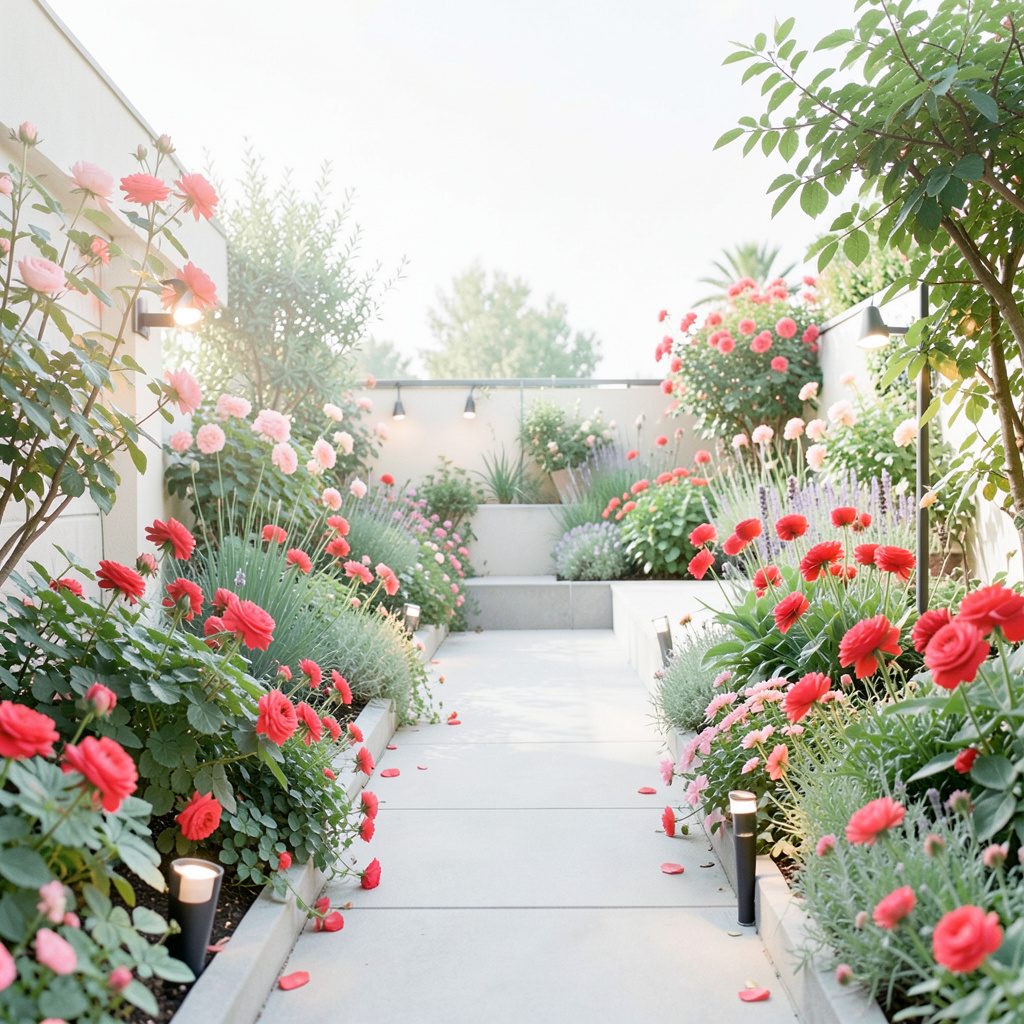
It is worth pairing the floodlight with lower-level path lighting rather than asking one fixture to illuminate the entire garden. InnoGear solar path lights or Philips garden fixtures can fill dark edges without forcing the security light to operate at full intensity all night. Ideas for combining layers are shown in these lighting examples, particularly where a property needs both ambience and practical visibility.
Camera Performance And Motion Detection
The camera’s position has as much influence on results as its sensor. A mounting point around two to three metres high can provide a useful balance between facial visibility and tamper resistance, although the ideal height depends on the wall, gate and viewing direction. Avoid aiming directly at a bright streetlight, reflective fence or pale wall, since glare can affect night footage.
Motion detection should be configured for the property rather than left at its most sensitive setting. In an Australian suburban street, passing pedestrians, cats, possums, moving tree branches and headlights may trigger frequent alerts. Activity zones and sensitivity controls can help concentrate notifications on a driveway or gate.
Night vision and floodlight-assisted colour footage are valuable features, but they do not turn a wide garden into a perfectly recorded scene. Rain, insects near the lens and strong backlighting can reduce clarity. A regular lens clean is especially sensible in dusty areas around Perth or during dry periods in Adelaide.
App Control And Smart Home Integration
The connected app is where the product becomes more than a wall-mounted lamp. A homeowner may be able to switch the light remotely, review an alert, adjust brightness and create schedules. This is convenient when returning home late or checking activity while travelling between Melbourne and a regional property.
The experience depends heavily on the household network. A floodlight mounted at the front boundary may be farther from the router than expected, particularly in a double-brick house or a long Queenslander. Check the 2.4 GHz requirements, wireless range and any need for a mesh Wi-Fi node before fixing the unit permanently.
Integration with a wider Philips Hue setup can be useful if outdoor lights, indoor lamps and routines already run through the same ecosystem. It is less compelling if the camera requires a separate account, a paid cloud plan or a different app from the rest of the lighting system. Read the privacy policy and storage terms as carefully as the brightness specifications.
Installation, Weather Protection And Privacy
This type of floodlight is generally better suited to a qualified electrician than a casual weekend installation. A wired outdoor fitting needs a suitable power supply, secure mounting and weather-protected connections. Australian homes also present varied conditions, from salt air around Sydney and Brisbane beaches to intense sun and dust in inland suburbs.
Look for the product’s IP rating, operating temperature and warranty terms, then compare them with the proposed location. An exposed western wall can receive punishing afternoon heat, while a coastal property may need extra attention to corrosion-resistant hardware. Positioning under a modest eave can offer protection without blocking the camera’s field of view.
Privacy deserves equal consideration. Avoid recording a neighbour’s windows, private courtyard or public footpath beyond what is reasonably necessary for your property. In Victoria, New South Wales and other states, surveillance laws and recording expectations can vary, so camera placement should respect local rules and household discussions. A visible installation and a carefully limited detection zone are sensible safeguards.
How It Compares With Separate Garden Lighting
A combined floodlight camera saves wall space and can simplify control. One fixture handles illumination, alerts and visual checking, which is attractive for a narrow side passage or compact townhouse entrance. It may also look tidier than installing a camera beside a separate security spotlight.
The trade-off is flexibility. If the camera fails, the floodlight may be affected; if the light is too bright for the patio, changing the camera position can also alter the security view. Separate components allow decorative lighting, pathway illumination and surveillance to be tuned for different jobs.
Solar lighting remains useful away from mains power. Weather-resistant fairy lights and small path fittings can add gentle glow to a pergola, shed approach or garden bed, although they should not be treated as a substitute for a security floodlight. These notes on solar fairy lights are useful when comparing battery and solar options for exposed Australian gardens.
Australian Buying And Running Costs
Australian shoppers should compare local warranty support, delivery, electrical compliance information and replacement options rather than relying only on an overseas product description. Amazon Australia may list Philips smart outdoor equipment, while Bunnings and specialist electrical retailers can provide more practical advice about compatible hardware and installation. Home Depot is not a normal local purchasing route, so imported listings deserve extra scrutiny around plugs, standards and returns.
The purchase price is only part of the cost. Add electrician fees, a possible Wi-Fi extender and any recurring cloud-storage subscription. A cheaper camera can become expensive if it needs a monthly plan for useful recordings, while a higher-priced system may provide local storage or broader control without ongoing charges.
Electricity use will vary with brightness, operating hours and motion activity. In a Sydney or Melbourne suburb, scheduling the floodlight for the evening rush and motion events may be enough. In a rural property with a long driveway, a second lower-power light or a separate camera could deliver better coverage than running one high-output fitting continuously.
Practical Buying Checks For Your Property
Before selecting a model or retailer, use the following checks:
- Confirm the Australian model number, electrical requirements, warranty and weather-resistance rating.
- Measure Wi-Fi strength at the proposed mounting point, not just inside the nearest room.
- Decide whether cloud recording, local storage or a paid security plan suits your privacy and budget.
- Map the beam and camera view so the system covers entrances without shining into neighbouring homes.
- Include licensed installation, brackets, cable work and any mesh Wi-Fi equipment in the total cost.
- Compare the floodlight with separate Philips, InnoGear or solar fixtures if decorative garden lighting is also needed.
For a useful visual reference, browsing broader garden lighting ideas can help distinguish areas that need strong security illumination from spaces that would benefit more from subtle pathway or patio light.
Overall Suitability For An Australian Home
The Philips Smart Outdoor Floodlight with Camera makes the strongest case at entry points where dependable light and video monitoring are both important. It can be a practical solution for a driveway, garage frontage or side gate, especially when the property already uses Philips smart lighting and has reliable Wi-Fi outdoors.
It is less suitable as a complete garden-lighting system. A floodlight can flatten planting design, create glare and consume more energy than low-level fixtures. The best result usually comes from using it as the security layer, then adding softer solar, LED or mains-powered lights for paths, steps and entertaining areas.
Before ordering, measure the Wi-Fi signal and mark the intended camera view on the wall so the fitting can be professionally installed with its beam aimed at the actual access point.