Featured Topics
Philips Hue Discover outdoor floodlight review for facades
The Philips Hue Discover Outdoor Floodlight is built for architectural accent lighting: washing a rendered, brick or stone facade with white or coloured light rather than flooding every inch of a yard. For Australian homes, its strongest use is highlighting entry points, terrace walls and architectural texture after dark. It also fits neatly into a broader plan for patio and pathway illumination.
Its appeal comes from familiar Hue colour scenes, scheduling and voice-control options, but it is not a cable-free garden lamp. This review weighs installation, beam quality, weather suitability and whole-system value for buyers in Australia, where summer storms, coastal salt and high daytime temperatures are ordinary design conditions.
Design and physical appeal
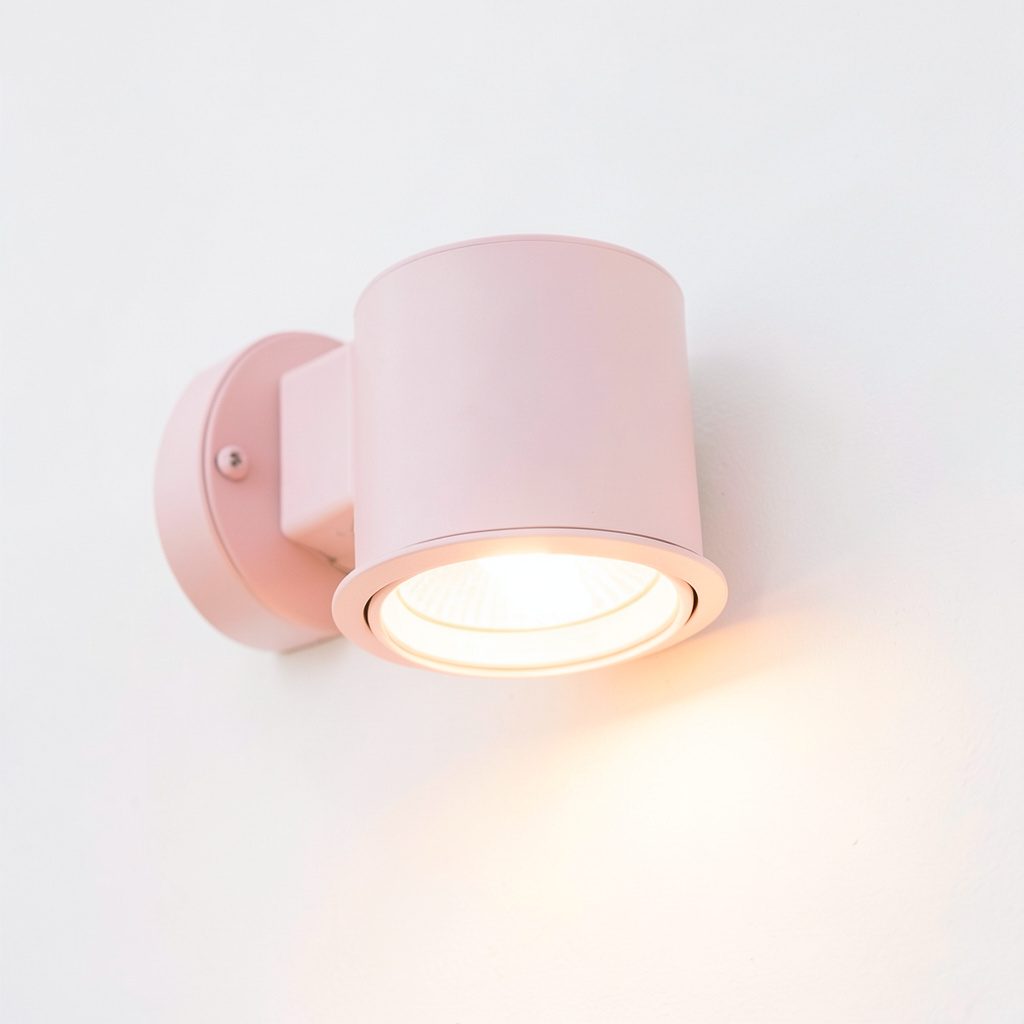
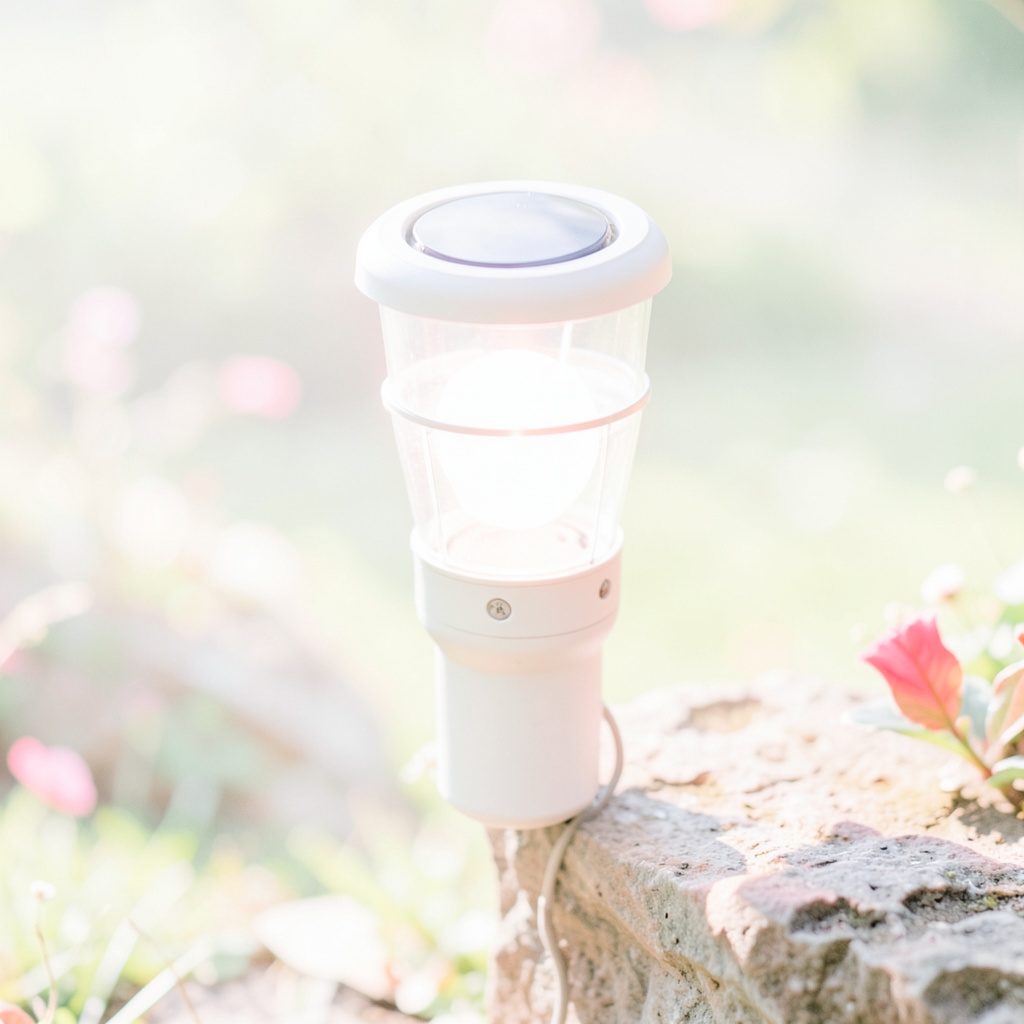
The Discover has the visual weight of a permanent architectural fitting rather than a temporary festival light. Its dark finish sits neatly against most modern render and brick, while the broad front lens is designed to create a generous wash. It looks at home beside metal fencing, timber screening and contemporary stone.
The mounting arrangement provides enough freedom to aim the beam upward or down a wall, although precise architectural grazing would be better served by a narrower projector. For comparisons beyond this model, the outdoor lighting range is useful when judging scale, beam shape and how a fitting relates to a facade.
Installation and electrical requirements
This is a 230-volt mains fitting in the Australian market, and it should be installed by a licensed electrician. It also needs a connection to the Philips Hue ecosystem; a phone and Bluetooth app alone are not the complete setup. The Hue Bridge normally lives indoors, often in a garage or near the network router, and communicates with the light.
Position is critical. Mount it high enough to reduce damage from people, irrigation and lawn equipment, but not so high that the beam misses the feature. Outdoor-rated cable, a suitable junction box and correctly specified residual-current protection matter more than the convenience of a quick patio installation.
Where the work coincides with lawn repairs, access for mower servicing should remain clear. This guide to lawn mower troubleshooting can help crews check equipment before moving it near wet turf or temporary extension leads.
Smart setup and daily control
Installation through the Hue app is logical for anyone who already owns Hue lights. The Discover joins rooms and zones, responds to schedules and can follow scenes shared with garden bulbs, porch lamps and indoor colour lamps. A scene called “evening facade” could bring up the wall gradually as daylight fades.
The app is less useful as a standalone control because the Bridge remains essential. Voice assistants add convenient hands-free control, and a Hue wall switch can provide a familiar local dimmer, but neither removes the need for the hub. For households starting from zero, the complete package cost is the biggest practical drawback.
Colour, beam and facade effect
For facade work, colour is most effective when it reinforces materials rather than simply making the wall brighter. Warm white reveals timber grain and pale render, while cool white sharpens stone and metal. Saturated blue or green can look theatrical on modern architecture but may overpower a traditional weatherboard house.
The broad beam is forgiving when washing a large wall, although it can flatten relief or spill onto neighbouring surfaces. Position the fitting to the side of the feature and aim across it, or use two fixtures at lower brightness when the facade is very wide. More restrained colour usually looks more considered than an even brighter rainbow wash. For broader specification context, the landscape lighting catalogue helps distinguish decorative wall washers from task or security fittings.
Outdoor performance across Australia
Australian conditions expose weaknesses that may not appear in a showroom. In Sydney and Brisbane, check seals after intense summer rain and ensure the wall or soffit cavity is not trapping moisture. Coastal homes also need attention to salt corrosion, while hot western-facing walls in Melbourne, Adelaide and Perth can heat the fitting and its mounting substrate considerably.
Insects can gather around bright lenses in humid evenings, and bush pollen or construction dust can mark exterior glass. A soft cloth and regular visual inspection are sensible, but do not aim a pressure washer at the lamp. Confirm the exact model’s weather rating and the manufacturer’s installation instructions before assuming it suits a fully exposed wall.
On sloping blocks around Adelaide or Hobart, a wall wash can be overwhelmed by terrain. The planning ideas in hillside terrace lighting show why levels, retaining walls and sightlines need consideration before the fitting position is fixed.
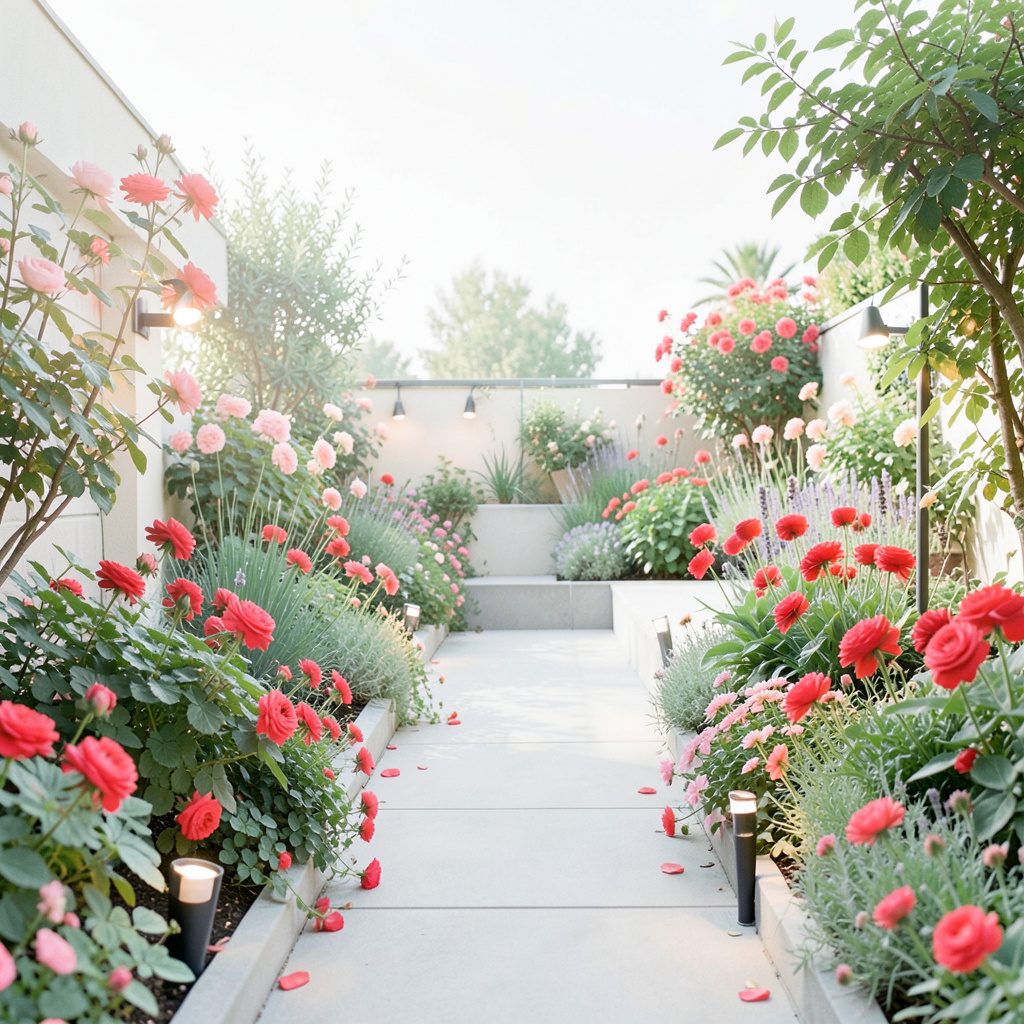
This is also where floodlights differ from lower-level landscape lighting. The Discover can make a facade the focal point after sunset, but it should not be relied upon to illuminate paths, pool edges or security cameras. Those jobs need separate, correctly aimed fixtures and suitable local circuit protection.
Value against other smart floodlights
The Discover competes with two different groups: simpler Wi-Fi floodlights and more complete smart-lighting systems. Products from brands such as InnoGear may offer strong value and direct app control, while Philips charges for the broader Hue ecosystem, routines, integrations and shared scenes. The premium is easier to justify when several lights and sensors are already in use.
A solar floodlight may suit a rental, remote garden or area where running cable is impractical, but it generally provides less consistent brightness and fewer smart-home options. The wired Hue installation is the better choice where reliable control, architectural colour and integration with the rest of the garden matter more than battery independence.
Retail availability is uneven. Check Australian sellers on Amazon and authorised local stockists rather than relying on an imported Home Depot listing, whose voltage, warranty and support arrangements may not suit an Australian buyer. Compare the complete fitting, Bridge requirement, weather rating and installation cost rather than headline price alone.
Strengths and pre-purchase checks
For most Australian households with an established Hue system, the Discover is an effective way to turn a plain exterior wall into a deliberate nighttime feature. Its strengths and limitations are both straightforward.
Where it performs well
- A controllable wash that reveals render, brick and stone texture after dark
- Scheduling, colour scenes and voice control through the established Hue ecosystem
- A permanent architectural appearance rather than a temporary lamp left on the ground
- Useful coordination with indoor, patio and pathway lights in the same Hue system
- Straightforward visual aiming once the electrical mounting point is properly chosen
What to verify before buying
- A Philips Hue Bridge and compatible account are required; the floodlight is not standalone
- The location must suit safe 230-volt wiring and local electrical requirements
- The wall’s exposure, drainage, salt risk and stated weather rating need checking
- Beam spill, glare into neighbouring windows and camera interference should be tested
- Local warranty, replacement-part support and total installed cost should be compared
On balance, the Discover earns its place when architectural presence and reliable smart control are priorities, while its mains power and ecosystem cost rule it out for temporary or standalone use. The concrete next step is to have a licensed electrician inspect the intended wall and confirm the circuit, protective devices and Bridge position before the fitting is ordered or mounted.