Featured Topics

A practical review of InnoGear solar spike lights
A review of InnoGear Solar Spike Lights for Lawn Borders has to separate appearance from performance. These small solar fixtures can turn an ordinary lawn edge into a more considered outdoor space, but their usefulness depends on panel placement, light output, battery life and local weather. They are decorative markers rather than full-scale security lights.
Australian conditions set the real test. Adelaide can deliver intense summer heat and long dry spells, while Melbourne brings cool, changeable winters. Sydney’s coastal humidity can encourage corrosion, and Perth’s winter sunshine may be bright but less powerful than summer sunlight. A convincing border needs to cope with all of these conditions rather than look impressive for one mild evening.
Shopping also requires a local filter. Model names, brightness claims and packaging can vary between sellers on Amazon’s Australian marketplace, while Bunnings carries alternatives for local pickup. A Home Depot listing used in an American review may not include an Australian seller, local warranty or equivalent stock, so the listing details matter as much as the product name.
What the lights do well
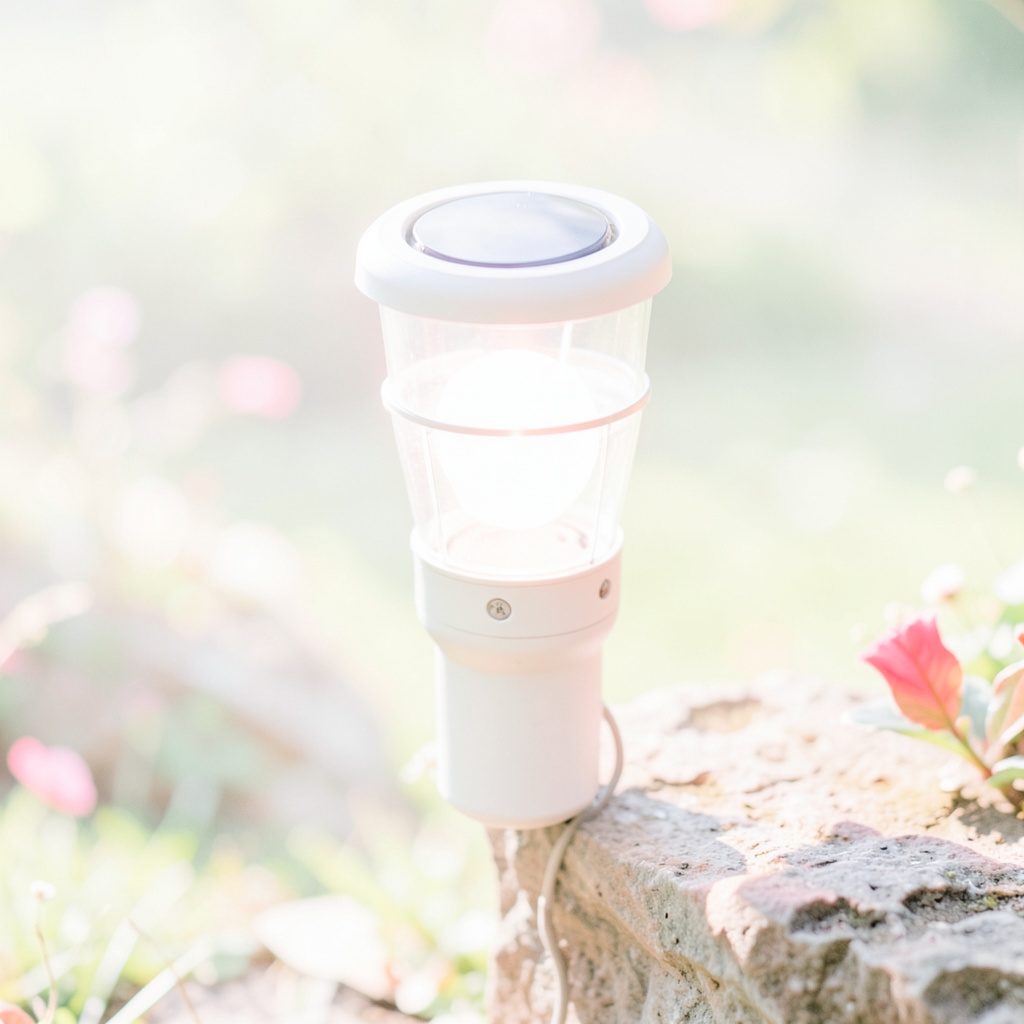
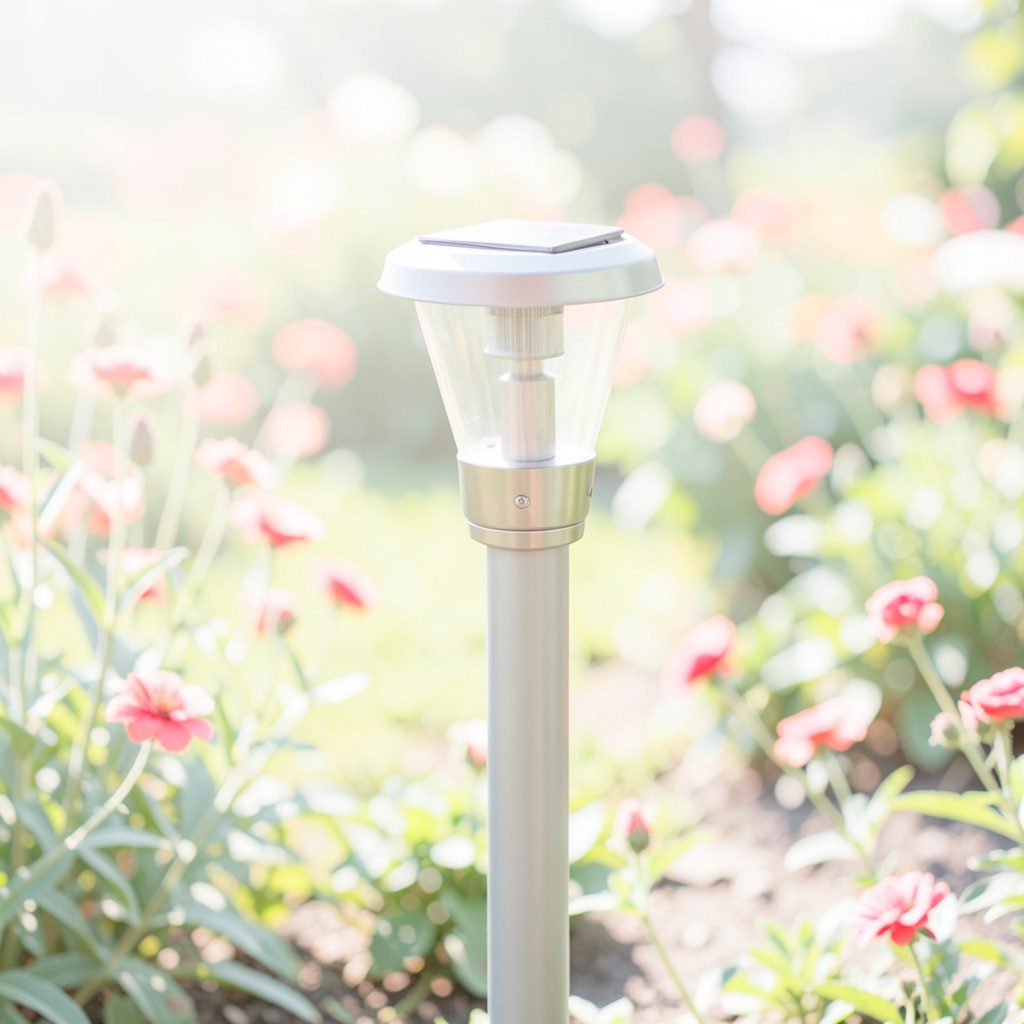
InnoGear’s solar spike lights use a familiar combination: a stake, an integrated solar panel and one or more LEDs. The upper panel charges a rechargeable battery during daylight, while a built-in sensor usually switches the light on at dusk. Installation involves pushing the stake into the soil, with no cable to conceal and no electrician required.
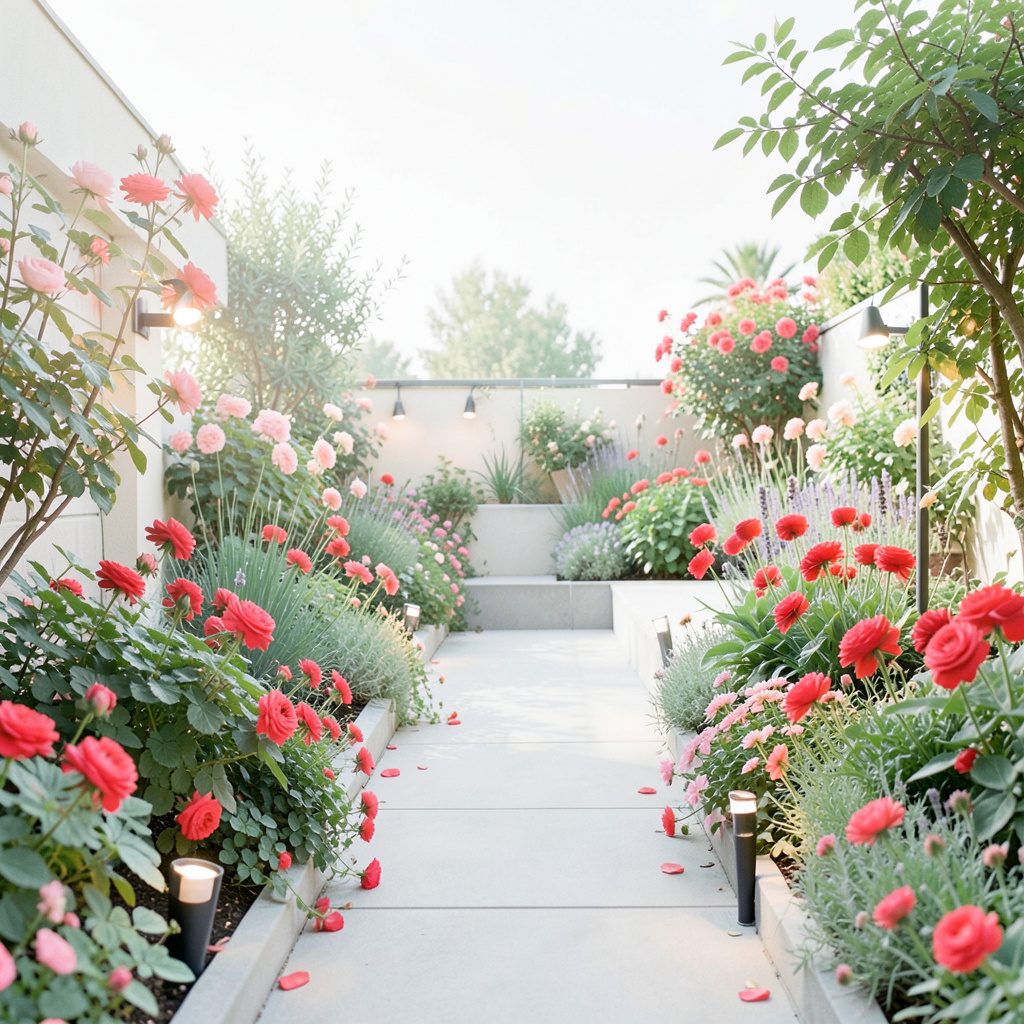
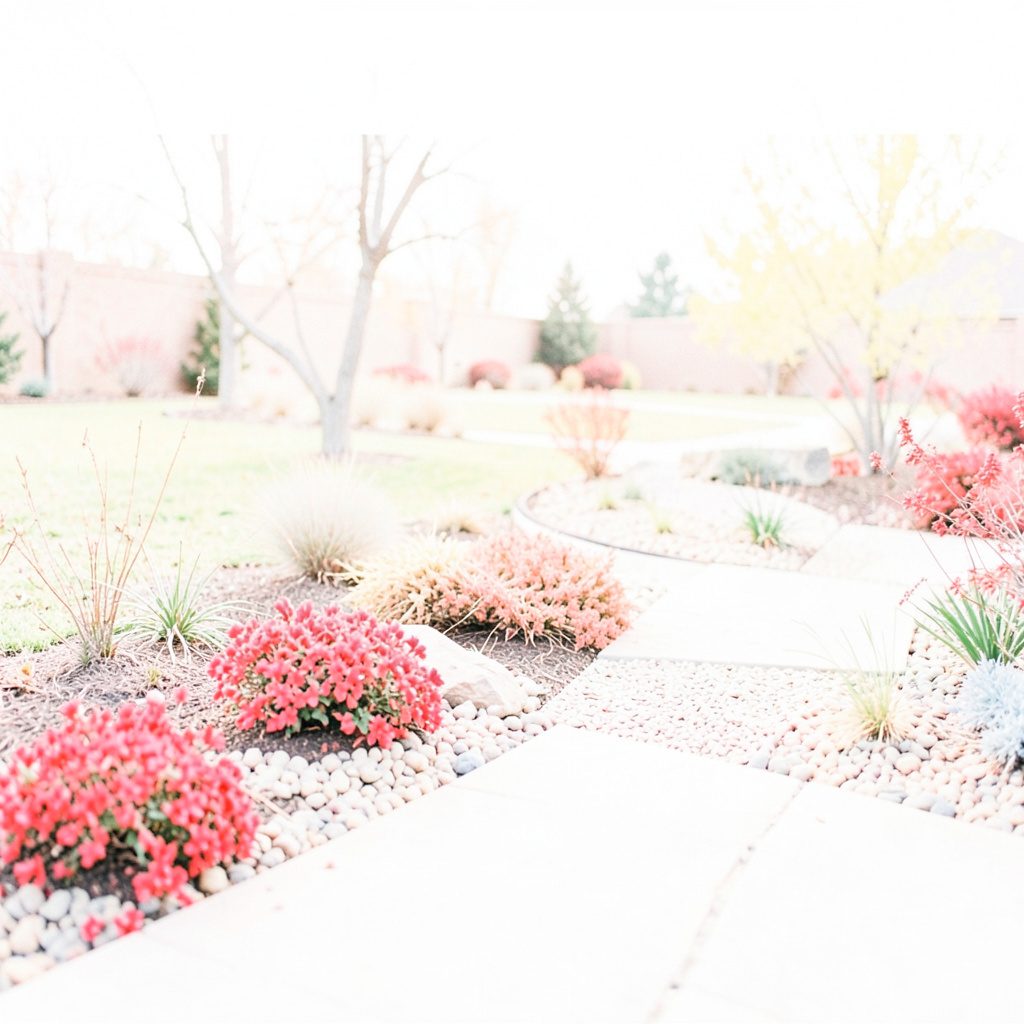
Their strength is atmosphere rather than illumination. A row of evenly spaced points can define the edge of a lawn, draw attention to a path or make a garden feel more finished after dark. The low profile also keeps the lights from competing with shrubs, and several models offer warm white or coloured light for a softer effect than harsh security fittings.
Design and fit along lawn borders
The simplest designs are the easiest to integrate into a lawn. A narrow spike disappears among the grass, leaving the solar panel and illuminated lens visible above the border. Taller and wider versions create more noticeable pools of light but can look top-heavy beside a low, neatly clipped edge.
Australians commonly talk about tidying “the border” around a backyard lawn, and these lights work best when that edge is already clear. Leave enough space to insert the stakes without damaging irrigation lines, and avoid placing a panel where foliage will shade it. If the lawn sits beside raised vegetable beds, maintain a narrow access path so the fixtures do not obstruct watering or harvesting.
Spacing depends on the intended effect. Widely placed lights can look scattered, while lights set too close together may merge into one bright patch. As a starting point, use the manufacturer’s recommended gap, then adjust it outdoors at night rather than judging the arrangement in daylight.
Brightness, colour and battery life
Brightness claims need context because a small LED can look powerful when the rest of the garden is dark. Compare lumen ratings when available, and think in terms of roles: soft edge definition, visible path markers or enough light to find a gate. A garden needing genuine security illumination will need brighter, wider-reaching fixtures.
Multiple operating modes can be useful, but they also affect battery consumption. A steady mode may provide more consistent light, while an animated or alternating mode can create a decorative effect. Coloured and warm-white settings may also drain the battery differently, so the brightest mode should not automatically be assumed to last longest.
This is where a low sticker price or larger bundle can become a side bet on real-world performance. The warning in casino side bets applies loosely: an attractive bonus may hide a less favourable underlying deal. Compare the number of lights, replacement policy, warranty and stated battery specifications rather than relying on the headline discount.
Weather performance across Australia
Summer heat can shorten an afternoon of useful charging if the panel receives direct sun for only part of the day. Position spikes where they receive at least six hours of unobstructed sunlight, and keep the solar face clean. Batteries also work best within a moderate temperature range, which makes hot, exposed Australian gardens a tougher environment than shaded, mild locations.
Winter can present the opposite problem. Melbourne’s grey weather and shorter daylight hours reduce charging, so a light that performs well in January may dim considerably by July. Check the stated operating time, but allow extra margin in cloudy regions. Perth’s bright winter days can still charge a panel effectively, although the lower solar intensity makes adequate placement just as important.
Rain, humidity and salt are common concerns around Australian gardens. Look for a credible weather-resistance rating, particularly for fixtures exposed to wet grass or coastal air. For a dark border, a scattered starry-night effect can look more natural than harsh, continuous glare, provided the lights are positioned to avoid shining directly into neighbouring windows.
How solar spikes compare with wired lighting
Solar spikes sit between simple garden markers and permanent architectural lighting. Compared with mains-powered bollards, they are cheaper to install and easier to reposition, but they provide less light and depend on weather. Compared with portable lanterns, they look more permanent and stay tidy without requiring a cable or a nearby outlet.
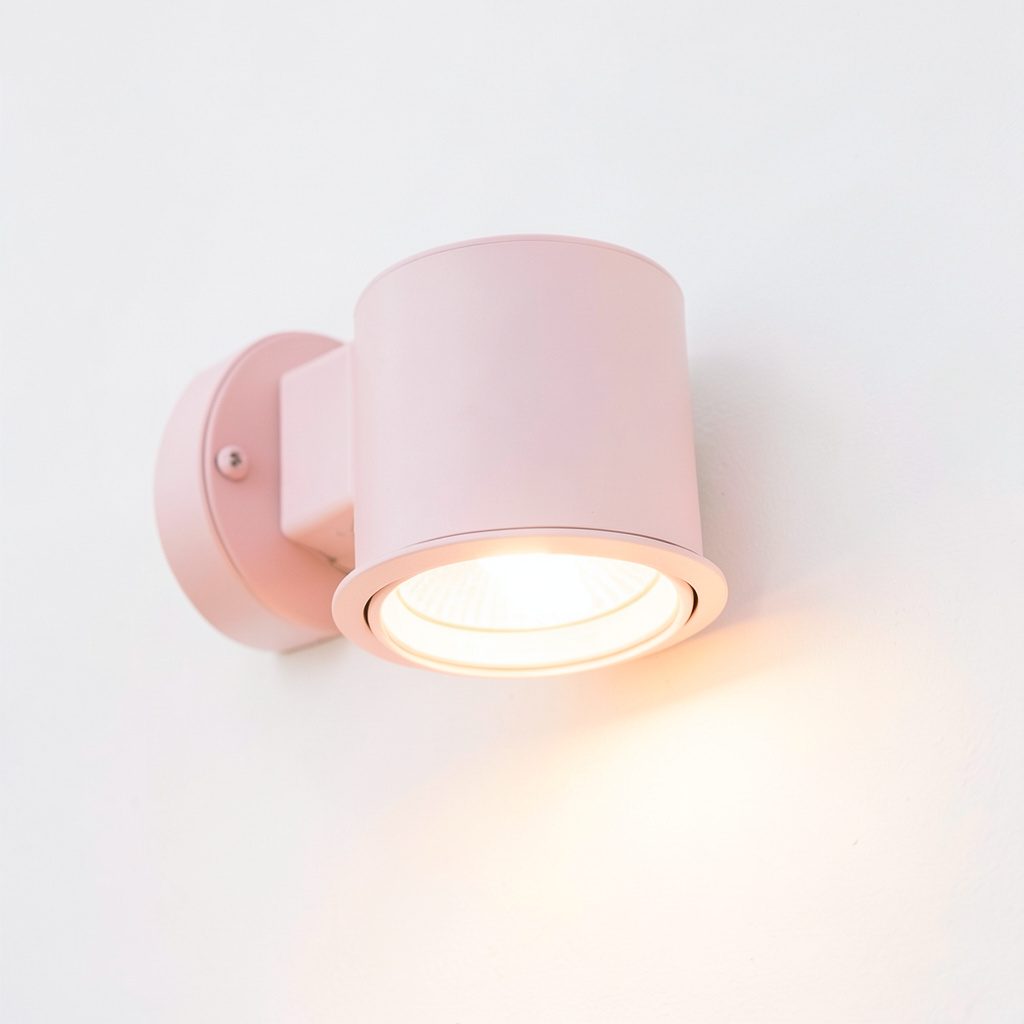
An outdoor lighting guide can help identify when a solar spike is the right tool. For a decorative lawn edge, these lights offer an attractive balance of convenience and visual impact. For a driveway, front steps or dark entry path, brighter wall lights or low bollards may be safer. Philips and other established lighting brands also offer fixed fixtures where consistent output and stronger construction justify wiring.
The deciding factor is the location rather than the brand alone. A sunny, sheltered border suits solar technology well. Deep shade, heavy tree cover or continuous public use favours a wired system. Within those limits, InnoGear’s combination of simple installation and approachable pricing is a practical option for Australian backyards.
A practical checklist and verdict
Before buying, compare the specifications rather than choosing by appearance alone. The final choice should suit the border, the local sunlight and the level of light required.
- Match the lumen rating to the purpose, whether that is subtle edging, path guidance or stronger visibility.
- Check the panel size, charging time, operating duration and available light modes.
- Confirm the colour temperature and whether one mode drains the battery faster than another.
- Verify the weather-resistance rating, Australian seller details and warranty coverage.
- Map the spacing in daylight and mark any spots that will receive shade from trees or walls.
InnoGear solar spike lights are best suited to decorative lawn borders, informal paths and gardens where cable-free installation matters more than strong security lighting. Their main limitations are variable battery performance, modest output and the need to position every panel carefully. They are a sensible way to add atmosphere, provided they are treated as outdoor accents rather than miniature floodlights.
The next step is to mark a two-metre border section, install one light from a single pack, and record its output at dusk and 10 pm before ordering more.