Featured Topics

How to create a starry sky effect with hanging lights
A canopy of tiny, warm lights can make a suburban backyard feel like a clear night sky, whether it hangs over a patio, lawn or garden path. The secret is a deliberate mix of delicate overhead light, dark planting and a few useful accents below.
Before buying a strand, decide where it will hang, how it will be powered and what the garden looks like after dusk. That small amount of planning stops bright points of light from floating without a visible setting, while helping you keep cables, solar panels and fittings safe.
Plan the canopy around your garden
Measure the intended span before choosing your lights. Note the distance between supports, the lowest comfortable hanging height and the direction you will approach the area from below. For a lawn, several parallel runs may work better than one long strand; for a patio, a single overhead line can create the right sense of enclosure.
Anchor the design to something already in the garden, such as a pergola, patio cover, veranda or established tree. For additional visual references, lighting project ideas can help you compare layouts before committing to hardware. Keep the arrangement informal, with slight variations in spacing that resemble stars rather than a perfectly engineered grid.
Think about what sits behind the lights before setting their height. Pale walls and reflective windows compete with the glow, while foliage and dark fencing provide a useful backdrop. Position supports so the lights remain visible from the main seating area, without creating a curtain that blocks the view of a garden bed or barbecue.
Choose warm light for a convincing night sky
Warm-white LEDs around 2200–2700K create the soft amber glow associated with starlight. Small micro-LED bulbs and festoon-style fittings also produce a more delicate effect than oversized globes. Choose a colour rendering index of 80 or higher if you want the garden’s colours to remain natural, and use a compatible dimmer so you can lower the brightness after the first hour.
Philips warm-white festoon lighting is a familiar option for an overhead pergola installation. For a cable-free arrangement, InnoGear solar string lights offer another approach, provided their panel receives enough direct sunlight. Solar fairy lights are particularly useful for smaller accents, while warm-white mains strands suit larger canopies where consistent brightness matters.
Australian shoppers can compare portable lighting through Amazon.com.au, while Home Depot’s catalogue offers another reference point for garden fixtures. Home Depot serves the United States, so check shipping, voltage, warranty and return arrangements rather than assuming an overseas listing suits an Australian installation.
Create a dark backdrop for the glow
A starry canopy depends on contrast. Keep nearby hedges and dense shrubs from catching excessive light, as bright leaves can make delicate bulbs harder to distinguish. Simple trimming, a change of hanging angle or repositioning the strand can often improve the effect without buying additional equipment.
Aim light into the garden rather than toward neighbouring windows or the house. On walls and pergola beams, use shields or carefully positioned fittings to stop glare. Lower planting can remain relatively dark, allowing the overhead points of light to appear brighter without making the entire outdoor space look illuminated.
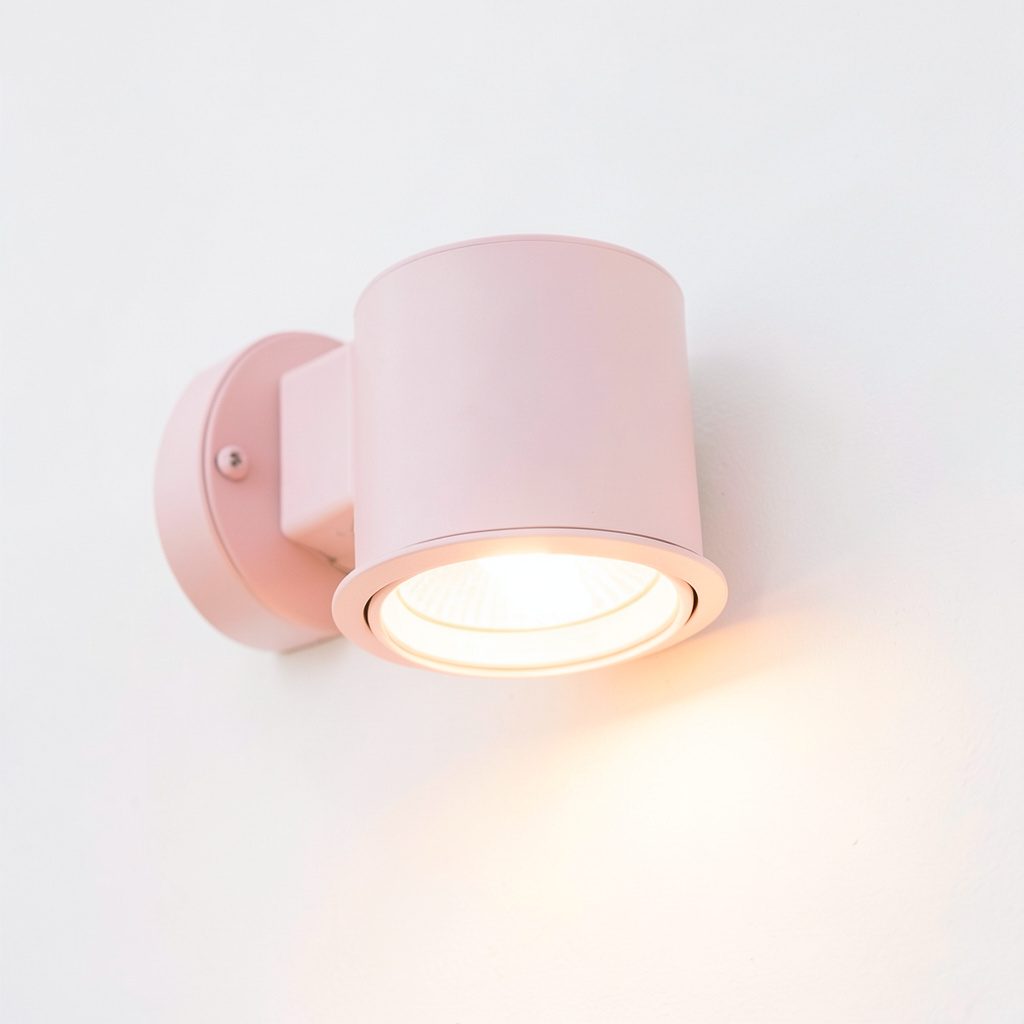
For fixed accents, compare fixtures in the outdoor lighting range with low-voltage landscape fittings. A restrained wall wash can reveal brickwork, stone or tree trunks while preserving the illusion of a dark sky behind the hanging lights.
Layer paths, plants and practical lighting
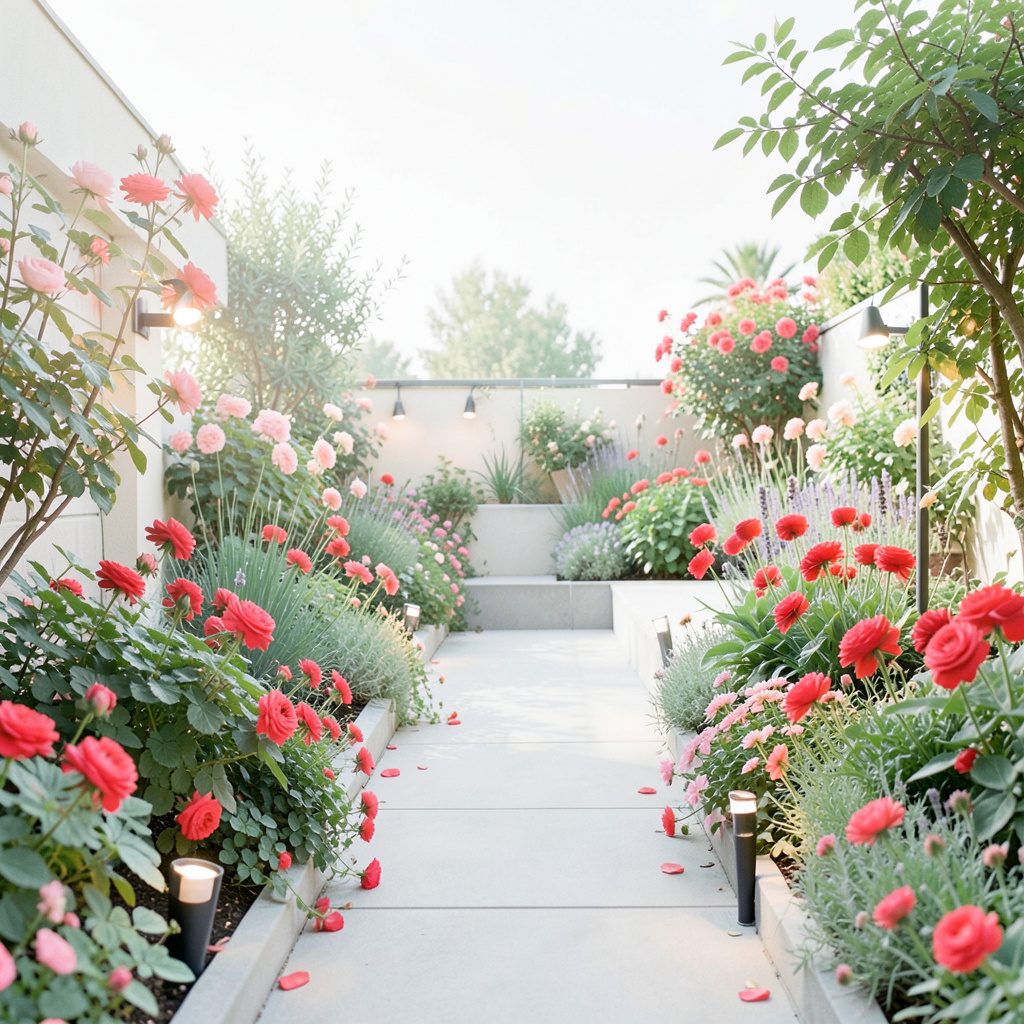
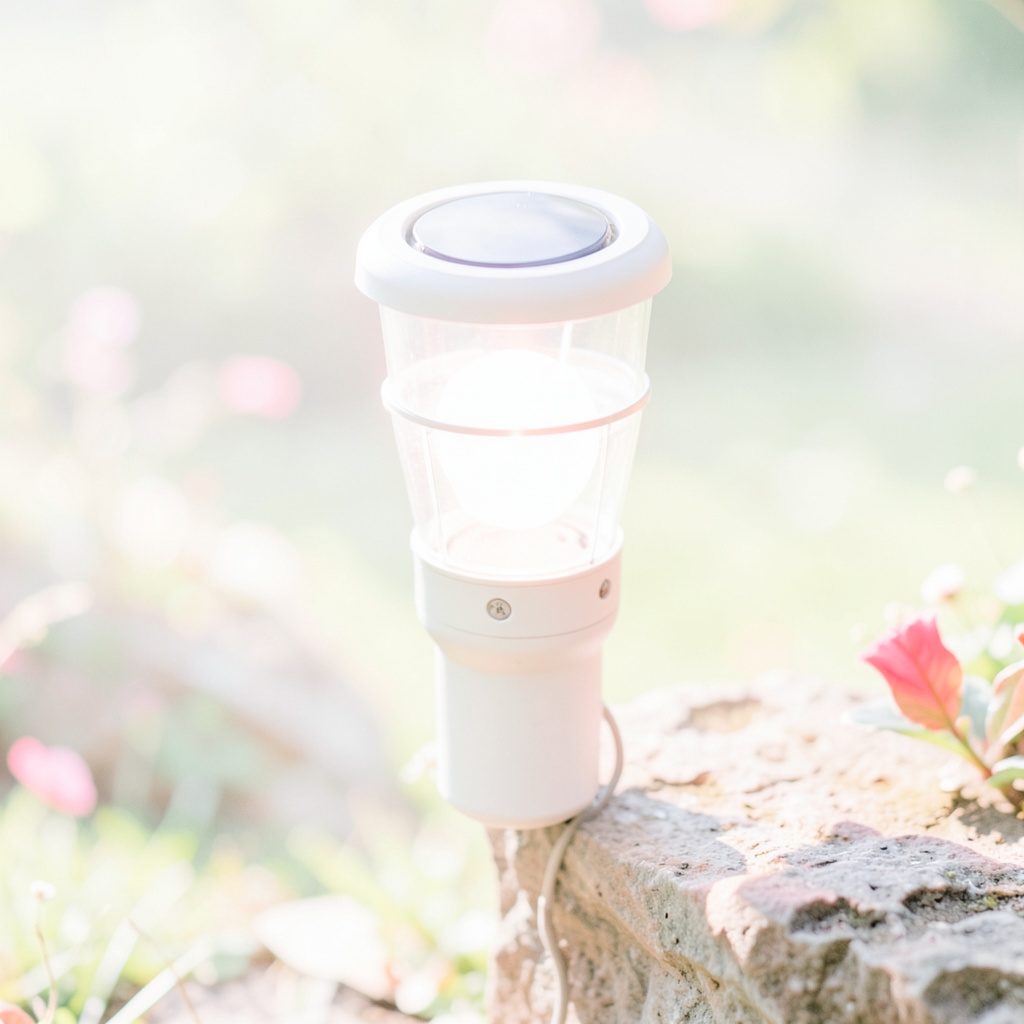
Overhead lights create atmosphere, but they should not be the garden’s only source of guidance. Low-level markers along paths and steps help people move safely around the area without flattening the canopy effect. For lower-level guidance, the solar step-light guide offers a useful companion approach.
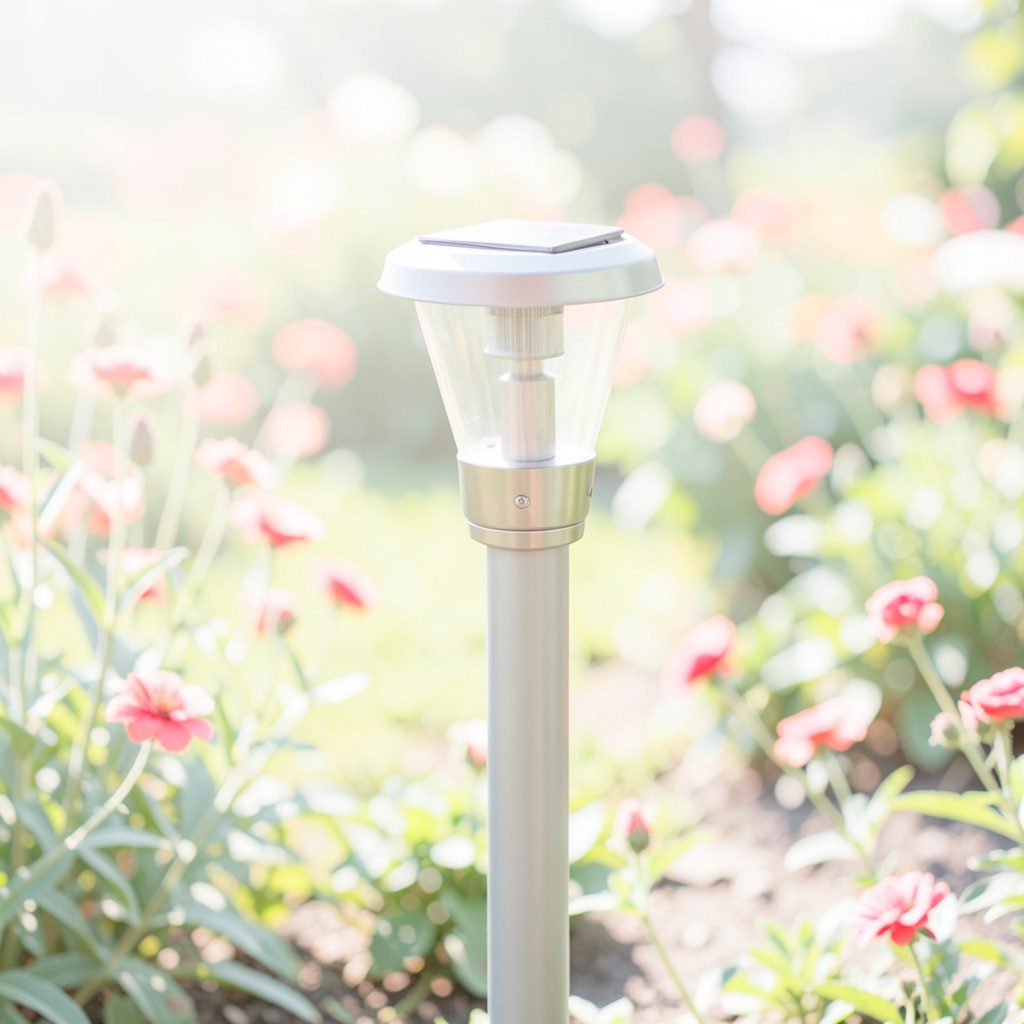
Choose small path lights that cast controlled pools of light rather than bright beams. Position them at steps, corners and changes in paving, checking the effect from both a standing and a seated viewpoint. Bollards near lawn edges can add depth while providing some visibility around an outdoor entertaining area.
Solar string lights avoid a mains lead, but their panel needs direct sunlight, often six hours or more, and should sit outside the densest tree shade. Position it where it can face north in much of Australia, unobstructed by the canopy, and allow for shorter charging during southern winter.
Install for safety and Australian weather
Australian mains power is 230V. Use outdoor-rated leads, connectors and fittings, protect the circuit with an RCD/GFCI, and keep electrical connections dry. Follow the manufacturer’s instructions about compatible loads, and leave any hard-wired installation to a licensed electrician.
Weather resistance matters beyond waterproof connectors. Look for suitable ingress protection ratings, UV-resistant cable and fittings that tolerate moisture without corroding. Keep power adaptors and extension connections elevated, away from irrigation sprinklers, and replace damaged leads rather than protecting them with layers of tape.
Conditions also change how securely lights should be fixed. Humid summers around Sydney and Brisbane call for corrosion-resistant fittings, while Perth’s intense sun makes panel placement and cable quality especially important. In Melbourne and other exposed areas, use secure fixings that can handle wind without restricting a tree’s natural movement.
Make confident product and placement choices
Before placing an order, review the retailer’s privacy details, then confirm delivery, returns and warranty terms for your address. A practical shopping comparison includes:
- A Philips warm-white festoon strand for a pergola, after checking its outdoor rating and supplied plug
- An InnoGear solar string-light set for a sunny tree or patio where no mains lead is wanted
- A warm-white solar bulb strand for a smaller accent with a separate, sunlit panel
- A compatible outdoor dimmer or smart controller, checked against the chosen lights
Match the arrangement to the space rather than using one layout everywhere:
- Across lawns, run parallel strands at staggered heights to make the canopy feel deeper
- Above patios and terraces, suspend lights clear of doors, head height and furniture
- Beside paths, keep overhead lights beyond head height and add low-level markers below
- Through trees, attach lightweight strands to suitable supports without strangling branches
Bring the effect to life after dusk
From December to February, Australian sunsets arrive later and outdoor entertaining can continue well into the evening. That makes summer ideal for testing the effect, although autumn and winter reveal flaws in the layout sooner. Switch everything on after dark and view the garden from your usual seating position.
Adjust brightness gradually, then check how the lights appear from the house and neighbouring parts of the garden. A little reflection can enrich the scene, while glaring bulbs or harsh uplighting undermine it. Test the installation through a full evening to see whether battery-powered lights maintain their glow.
The first practical step is a 3-metre test run over the patio: hang it, switch it on after dusk and adjust its height before adding another run.