Featured Topics

Philips WarmGlow Vs. Regular LED: Which Creates Cozier Ambience?
Outdoor lighting can change the character of an Australian garden long after the sun has set. A pathway may feel crisp and contemporary under cool white lamps, while a patio with amber-toned light can resemble an evening living room. The choice between Philips WarmGlow and a standard LED therefore affects more than brightness: it influences colour, comfort, entertaining and the way plants, paving and timber appear at night. Learn more about Epi Light.com.
WarmGlow technology is designed to become warmer as it is dimmed, usually shifting from a bright warm white around 2700K towards a candle-like 2200K. Regular LED bulbs generally keep one colour temperature, although their light may still be warm, neutral or cool. Understanding that distinction helps homeowners choose lighting that suits a Melbourne terrace, a Brisbane entertaining area or a Perth courtyard.
How WarmGlow Changes The Evening Mood
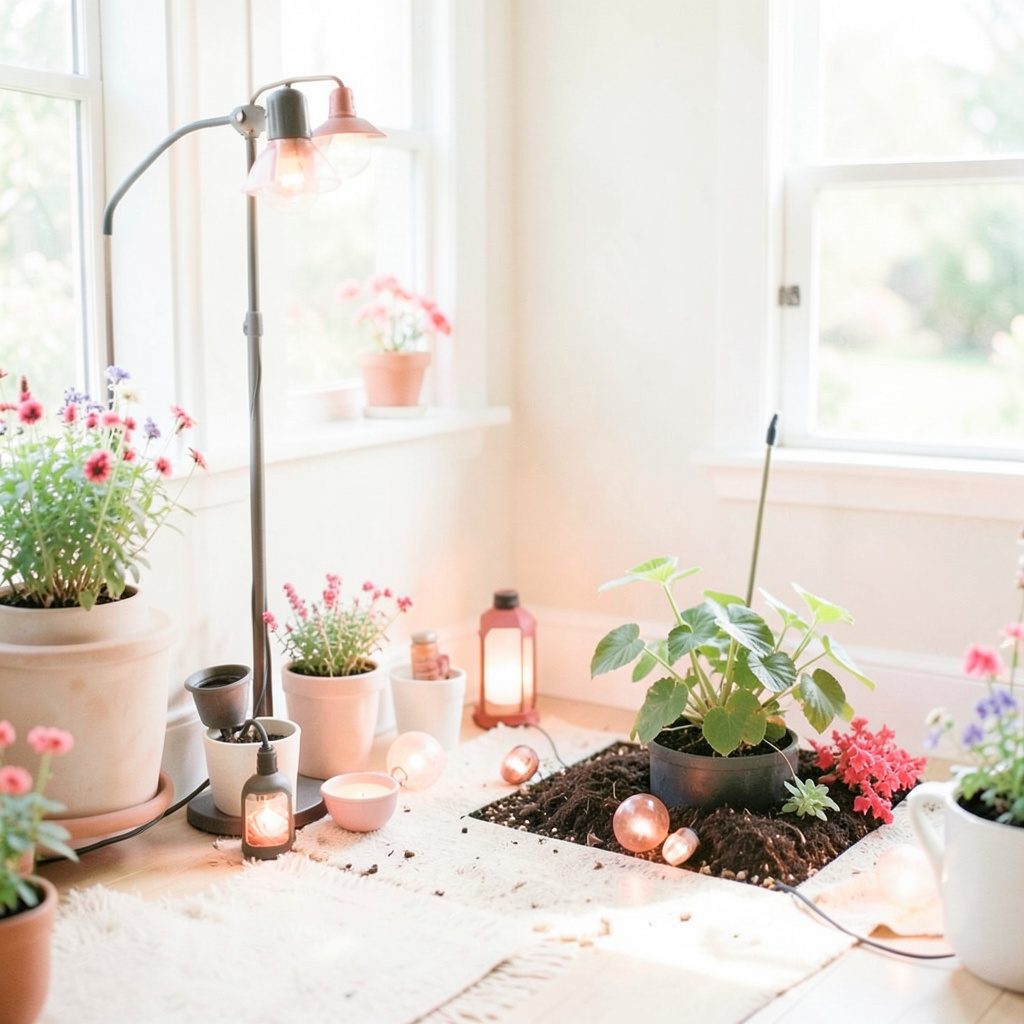
The defining feature of Philips WarmGlow is its response to dimming. At full output, the bulb provides practical illumination for serving food, walking between seating areas or finding keys. As the brightness drops, the colour becomes more golden, creating a softer glow that works well when guests settle in for conversation.
A conventional LED with a fixed 2700K or 3000K setting can still feel inviting, particularly when it is placed inside a lantern or paired with warm materials. However, it does not recreate the gradual transition from functional light to relaxed accent lighting. If the garden is used for both dinner and quiet drinks, WarmGlow offers a more adaptable atmosphere from the same fitting.
Colour temperature also affects how people perceive nearby surfaces. Warm light tends to flatter timber decking, brick, sandstone and terracotta, while cooler white can make concrete and pale pavers look sharper. For households that already pay attention to evening routines and general home care ideas, the softer setting may help outdoor spaces feel more restful rather than overly bright.
Regular LED Still Has Practical Strengths
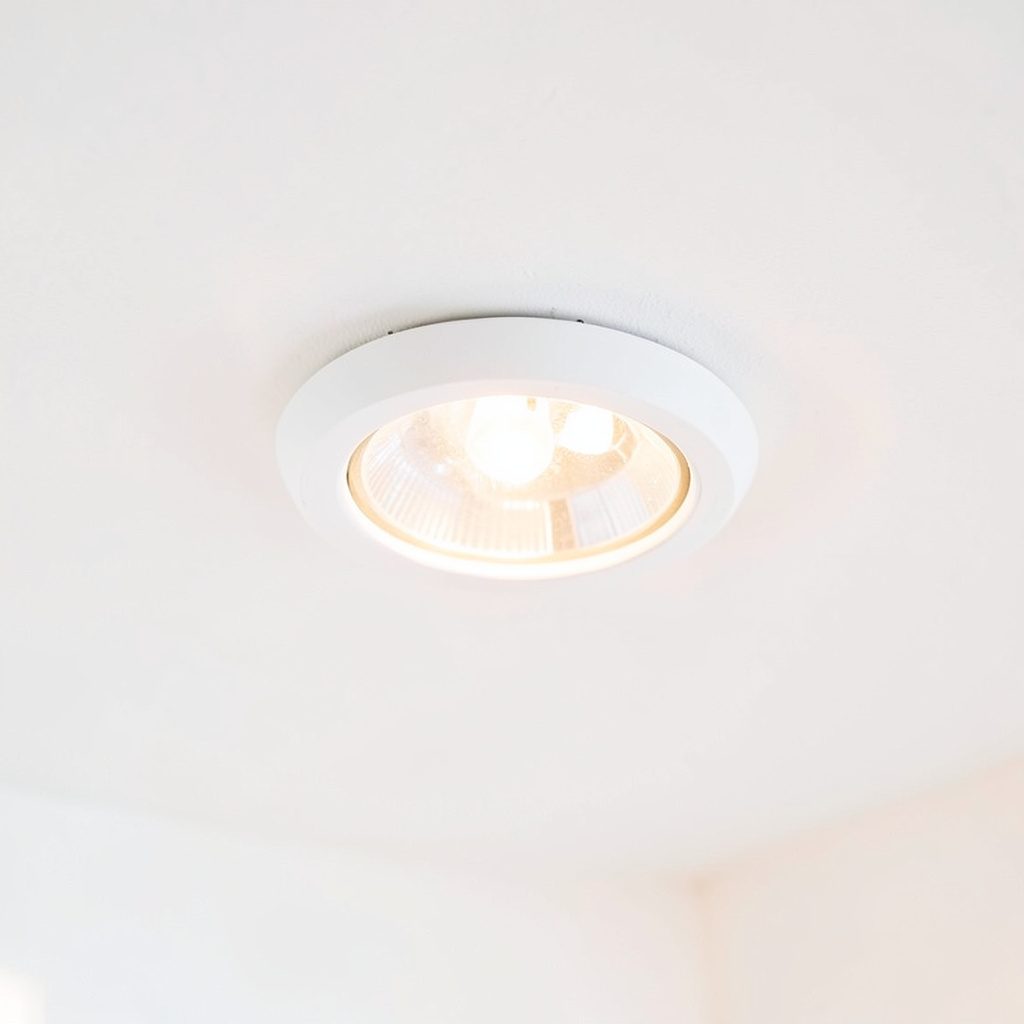
Regular LED lamps remain a sensible option when simplicity, low running costs and consistent output matter most. A fixed warm-white bulb is easy to replace, widely available through Australian hardware chains and often less expensive than a dimmable WarmGlow model. For fence lights, garage illumination and utility areas, a stable colour can be perfectly adequate.
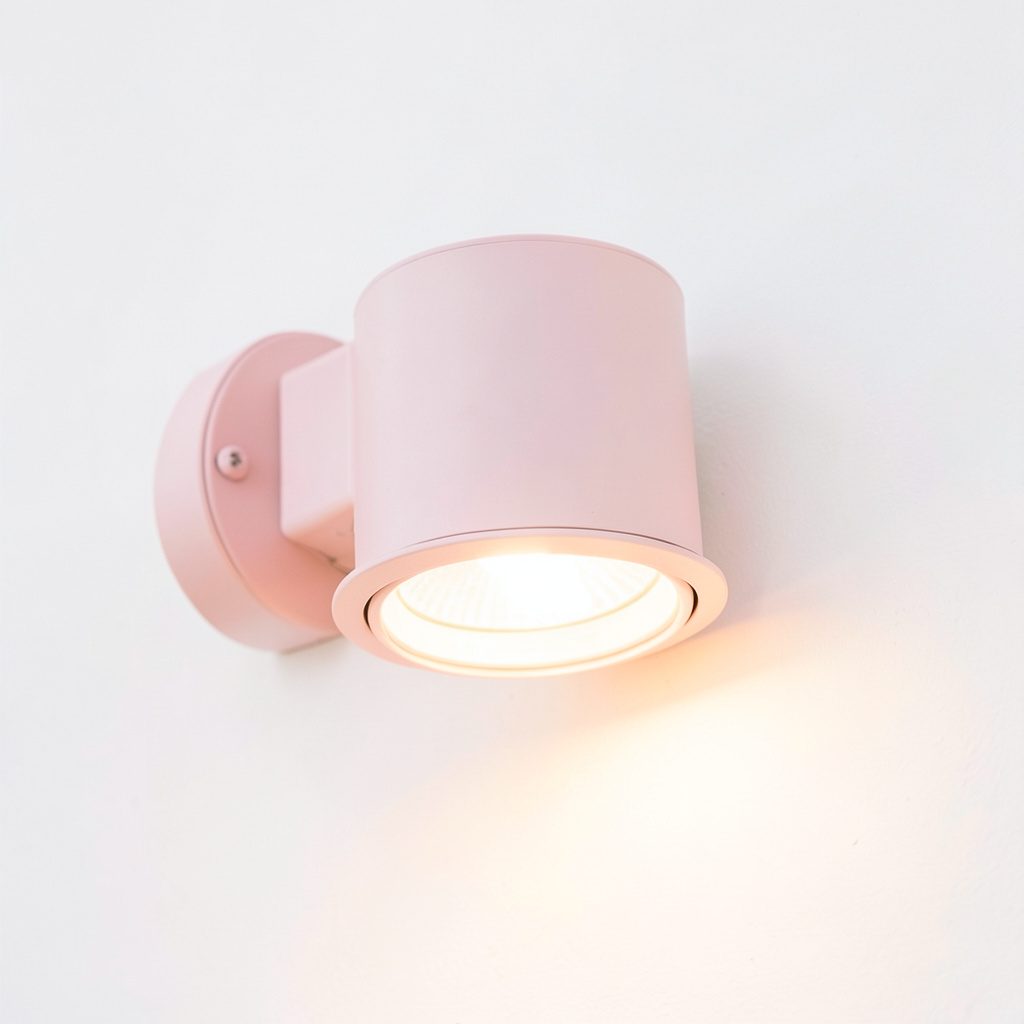
The wider LED market also offers more variety than a simple WarmGlow-versus-standard comparison suggests. Homeowners can select 2200K amber lamps, 2700K warm white, 4000K neutral white or daylight products, depending on the purpose. A 3000K LED may suit a front path where visibility is important, while a 2200K lamp can soften a pergola or balcony.
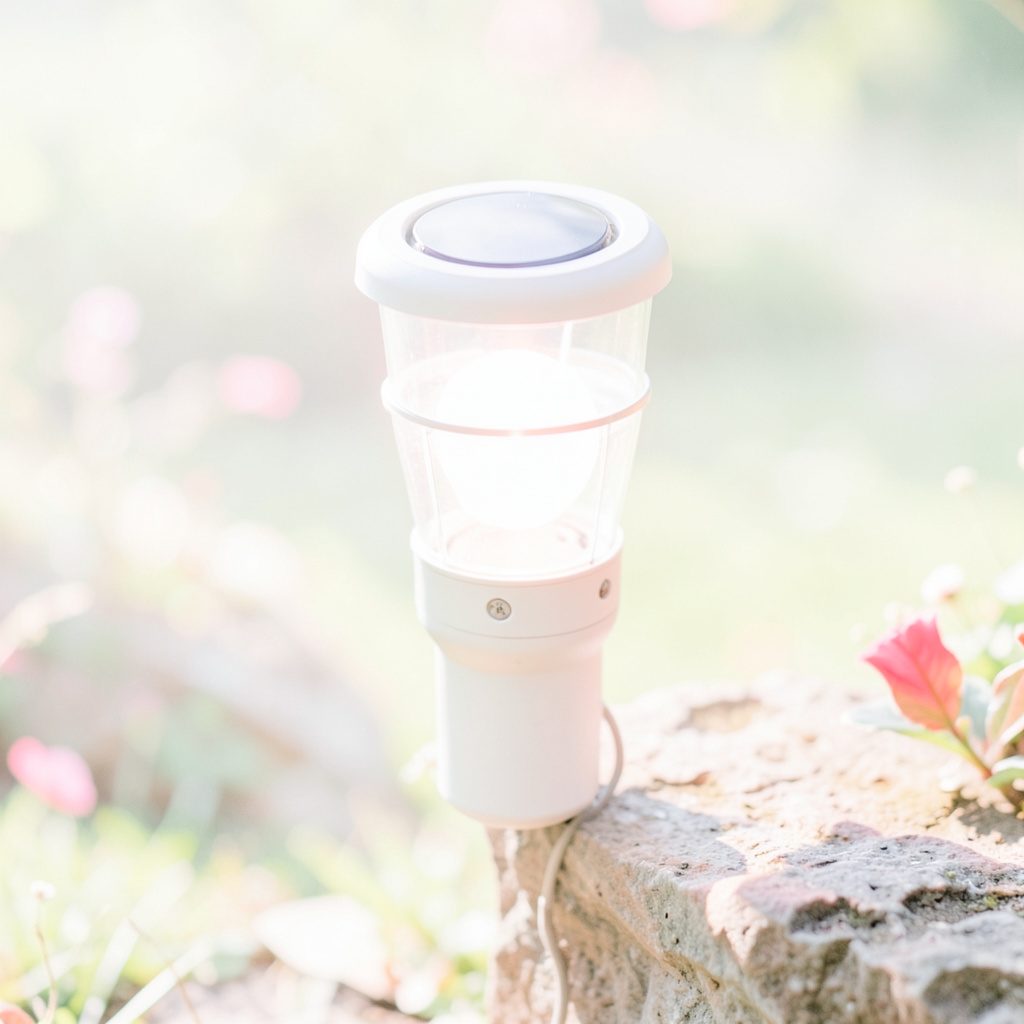
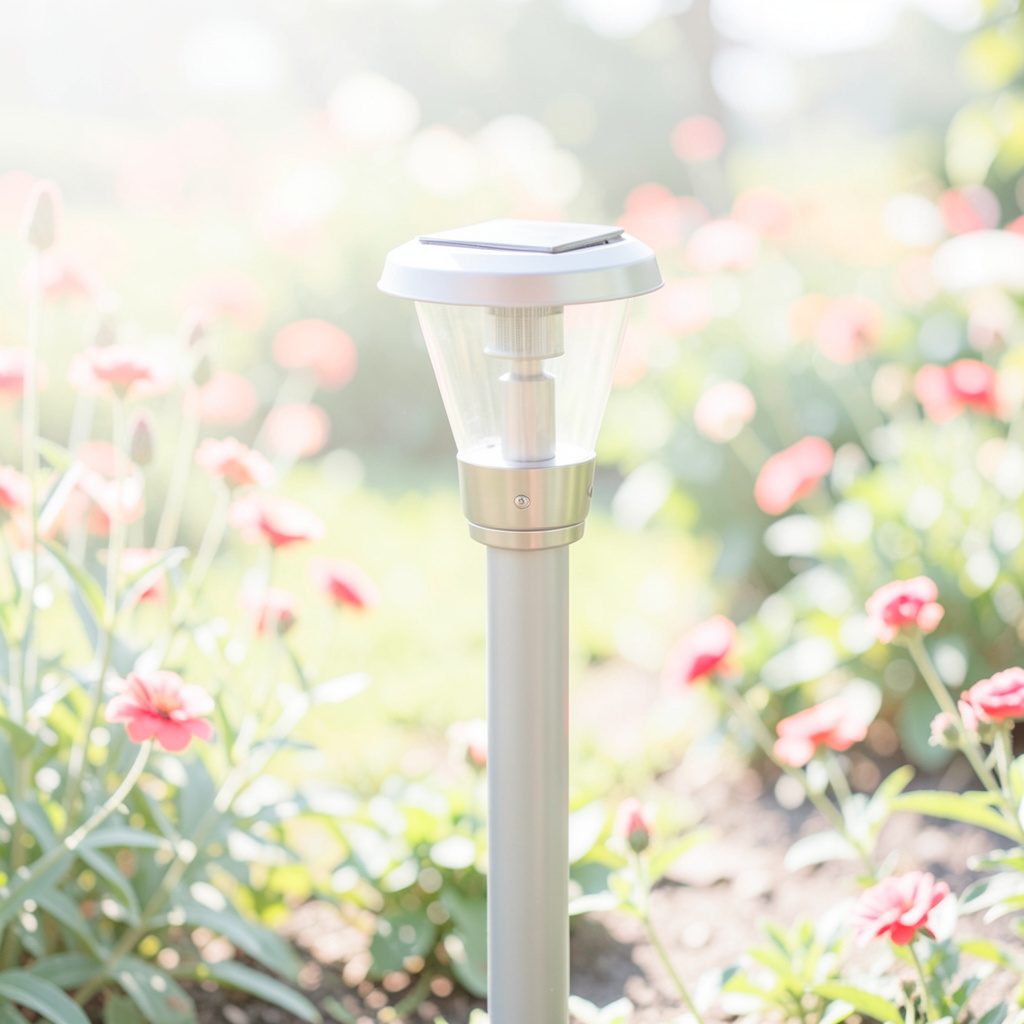
Efficiency is another reason ordinary LEDs remain popular. Both technologies generally use less electricity and last longer than incandescent or halogen lamps, but the fitting, dimmer and operating schedule still affect the final result. Solar stake lights, mains-powered wall sconces and rechargeable lanterns all behave differently, so compare the complete product rather than relying only on the Philips name or the word “LED”.
Choosing The Right Light For Australian Gardens
Australian outdoor conditions make weather resistance especially important. Coastal homes in Sydney, Adelaide and Perth may face salt air, while northern Queensland gardens experience humidity, heavy rain and intense heat. Check the IP rating before placing any lamp outside: IP44 may suit a sheltered area, whereas exposed walls and open paths often call for stronger protection.
WarmGlow is particularly effective in entertaining zones such as verandas, courtyards and covered patios. Its dimmed amber tone complements the relaxed outdoor dining habits common through summer, when families often eat outside well into the evening. It is less useful as the sole source of security lighting, where a brighter, consistent beam is more valuable.
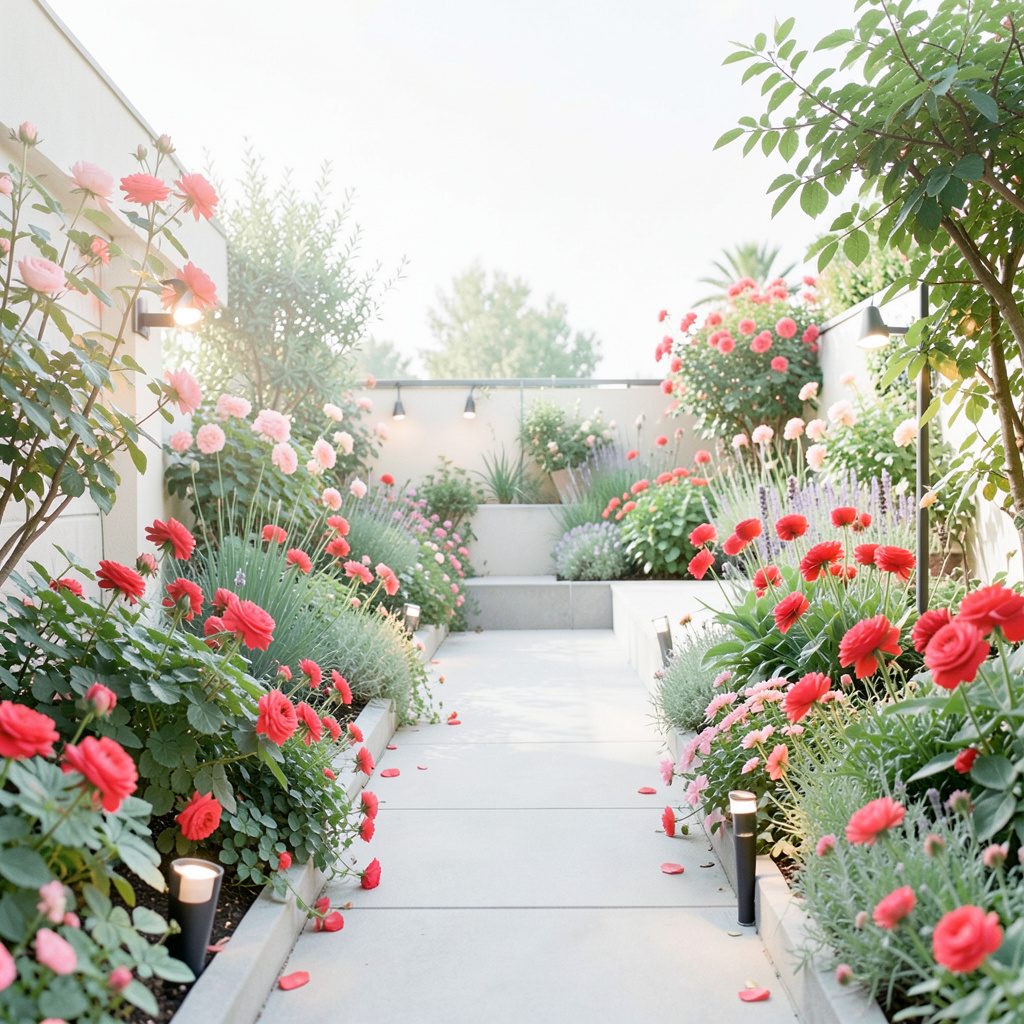
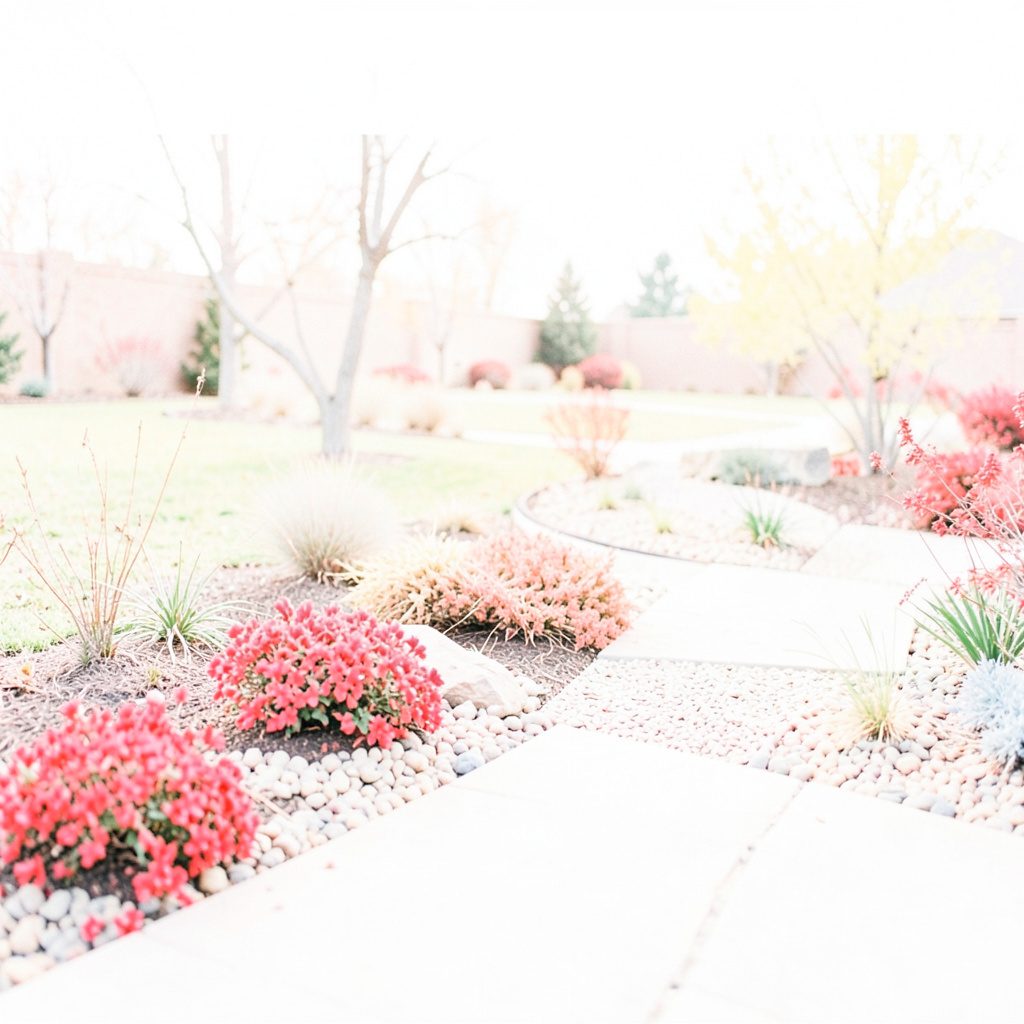
Placement can matter as much as colour temperature. Low bollards or recessed path lights should guide feet without shining directly into eyes, while uplights can highlight a gum tree, olive tree or textured wall. For installation planning, a useful low-voltage installation guide can help clarify cable routes, transformer placement and the difference between decorative and task lighting.
Dimming, Controls And Safety Considerations
WarmGlow needs compatible dimming equipment to deliver its full effect. A standard non-dimmable switch will simply turn the lamp on and off, wasting the technology’s colour-shifting advantage. Some smart systems and LED dimmers work well, but compatibility should be confirmed with the bulb, driver and fitting before installation.
Australia’s electrical environment also deserves attention. Residential mains supply is typically 230–240 volts, and fixed outdoor wiring must be installed in accordance with applicable Australian standards by a licensed electrician. Low-voltage garden systems are often easier to manage, but their transformers, connectors and cable protection still need to be suitable for outdoor use.
Lighting around entrances and side gates can support security without turning the property into a brightly lit commercial space. Pair warm decorative lamps with motion-sensor or brighter task lights where needed. If cameras, smart controls or connected lighting are involved, review the provider’s privacy information, especially when devices record activity around shared driveways or neighbouring properties.
Recommendations For A Warmer Outdoor Glow
The best choice depends on how the space is used rather than on colour technology alone. A fixed warm-white LED suits homeowners who want uncomplicated lighting in several locations, while Philips WarmGlow is more compelling where dimming and ambience are central to the design. It can make one patio serve as a practical dining area at full brightness and a subdued retreat later at night.
Before purchasing, look at the bulb’s outdoor suitability, lumen output, base type and dimmer compatibility. Philips products are available through major retailers, but stock and pricing vary between Australian stores, online marketplaces and lighting specialists. A decorative bulb that looks ideal in a product gallery may still be unsuitable for an exposed fitting if it lacks the required IP protection.
- Choose Philips WarmGlow for dimmable patios, verandas and entertaining areas where the mood should become softer after dinner.
- Select a fixed 2700K or 3000K LED for paths, garages and entry points that need dependable, even illumination.
- Use 2200K amber lamps near seating if a candle-like appearance matters more than maximum visibility.
- Check IP ratings, heat exposure and salt-air suitability before installing any outdoor bulb or fitting.
- Confirm that the dimmer, smart controller and transformer are compatible with the chosen LED technology.
- Combine warm decorative lighting with separate sensor lights for gates, steps and security-sensitive areas.
- Aim lamps at walls, foliage or paving instead of eye level to reduce glare and improve the sense of depth.
For a cohesive garden scheme, use WarmGlow in the places where people linger and regular LED in locations where visibility is the priority. The practical rule is simple: choose dimmable WarmGlow for changing atmosphere, and choose a suitable fixed warm LED when reliable task lighting matters more.