Featured Topics
Outdoor rope lights for railings and handrails: practical tips
Outdoor rope lights bring a soft line of light to decks, verandahs and patios, but their practical value comes from making a handrail or balustrade easier to follow after dark. The flexible cable can trace posts, stairs and curved rails without the bulk of a conventional wall luminaire. Learn more about Epi Light.com.
In Australia, summer heat, intense UV, salt-laden coastal air and sudden downpours make outdoor suitability more than a packaging detail. A rope that looks convincing in an online photo can still become brittle, corrode or trap water on an exposed balcony. Measure the rail, check every electrical component, and choose a fixing method that suits the surface before purchase. Learn more about Privacy.
Plan the route before you buy
Treat the handrail as part of a route, not as a place to hide extra cable. Before shopping, walk from the street or side gate to the back door after dark and note where a step, change in level, gate or corner could be missed. Existing posts and nearby landscaping will also show where light will be reflected or absorbed. Learn more about 287127 Best Manual Tillers For Seniors And Gardeners With Limited Mobility.
Choose one clear job for the installation. A line beneath a handrail can define the grip, while a run around a balustrade can reveal the shape of a deck. Stairs may need a more restrained treatment because bright light at eye level can hide the tread edges and create glare. Learn more about Top Solar Wall Sconces For.
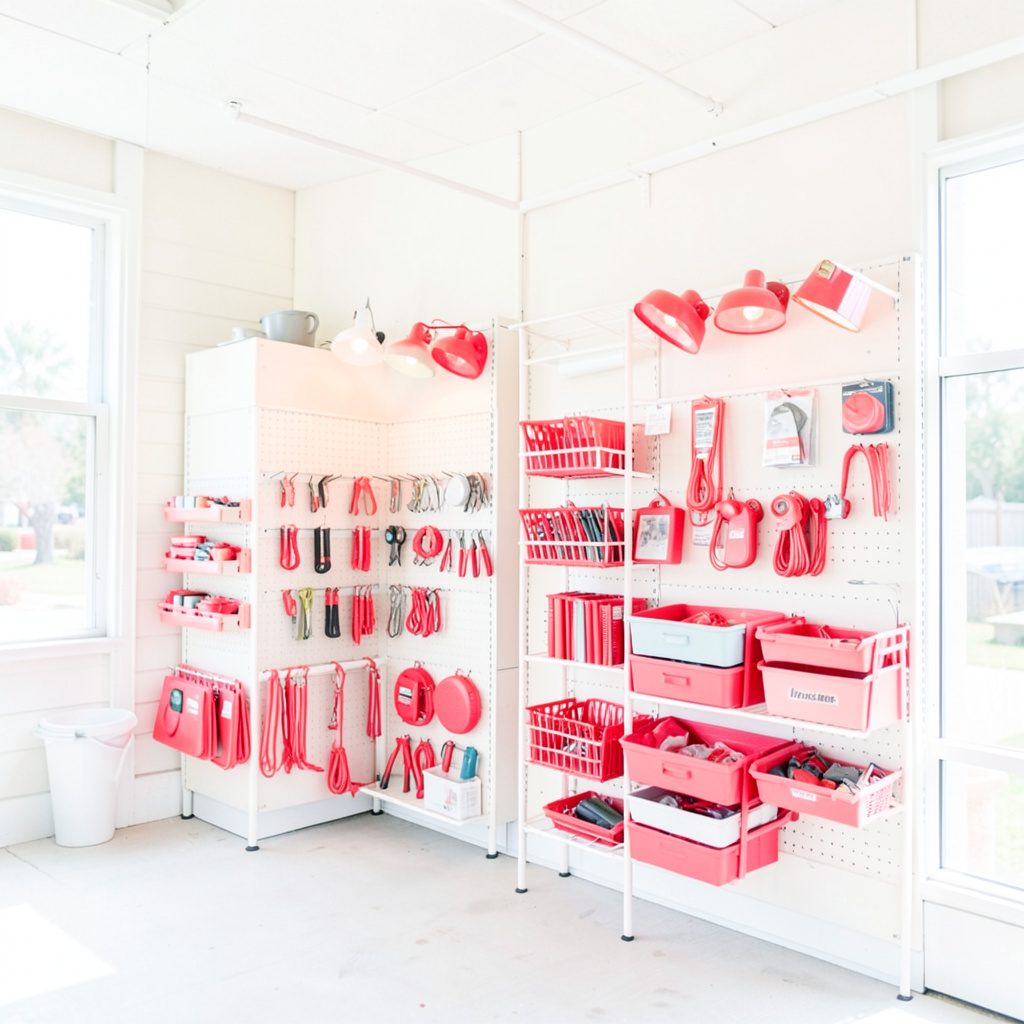
Before committing to a layout, compare a few deck lighting designs and then sketch the route at actual scale. Mark the power supply, cable route and switching points before the rope is bought; changes are much easier to make on paper than on a finished handrail.
Match the light to its exposure
Check for a specific outdoor-use rating rather than relying on words such as “weatherproof”. An IP65 rating is a useful benchmark for exposed fittings, but confirm that it applies to the exact model and that the connectors, power supply and controller offer equivalent protection. A strong rating on the rope itself will not compensate for an ordinary indoor plug or adaptor.
Summer UV can degrade PVC on a west-facing Perth balcony, while humid Brisbane nights encourage condensation inside fittings. Salt-laden air around Sydney, Newcastle and many coastal areas attacks cheap metal fixings. Select UV-stabilised cable, corrosion-resistant connectors and a suitably rated power supply, and inspect coastal installations twice a year.
Avoid installing a powered rope tightly coiled around a warm rail or beneath a metal cover. Heat becomes concentrated at the bends and can shorten the life of the LEDs. If the product is intended for immersion, that use should be explicitly stated; being suitable for a railing does not make it suitable for a pond.
Mount without changing how the rail feels
Measure the full route, including corners, returns and the distance back to the power source. Some rope lights can be shortened only at marked cut points, while others must remain at their supplied length. Cutting elsewhere may damage the conductors or void the warranty, so confirm the instructions before ordering extra cable.
Purpose-made clips are generally neater than cable ties or adhesive strips. Stainless-steel or UV-stable clips can hold the rope at regular intervals without crushing it, while allowing ventilation and movement. The fixing should sit firmly enough to prevent sagging but not so tightly that the cable is flattened or twisted.
Install the rope on the side or underside of a handrail where possible. It must not cover the gripping surface, create a sharp edge or alter the way the rail feels under the hand. Decorative lighting should never be treated as a structural handrail, even where it appears sturdy.
Sort out power and controls
Most Australian homes use 240-volt mains electricity, and many imported rope lights use a different voltage or plug configuration. Check the input voltage, plug type and transformer output before installation. Mains-powered equipment should be connected through a protected RCD circuit, while permanent hardwiring and alterations to fixed wiring should be handled by a licensed electrician.
Extension leads can suit a temporary patio arrangement, but they are easily damaged by grass, weather and foot traffic. For a permanent installation, plan a concealed or neatly secured route and avoid running a lead across a walkway. For model-specific comparisons and technical details, EPI-LIGHT product guidance provides a useful second reference.
Choose warm white light, usually around 2700–3000 kelvin, for a relaxed residential setting. Check output in lumens rather than relying on the number of LEDs per metre, and consider colour rendering if the handrail sits near plants or painted surfaces. Timers, photocells and app controls are useful, but outdoor switches and controllers need suitable weather protection.
Shop the Australian market carefully
Bunnings, Mitre 10, Amazon.com.au and specialist lighting stores provide different options, from basic DIY kits to higher-voltage systems with professional components. Familiar brands such as Philips and InnoGear can be useful starting points, although the brand name alone does not establish weather resistance. Compare the specification of each exact model.
Useful comparison points include watts and lumens per metre, colour temperature, colour rendering, IP rating, UV resistance, cable diameter, cut-point spacing and warranty. Also check the length of the supplied lead and whether replacement sections or controllers are sold locally. These details affect the total installation cost more than the headline price.
Marketplace listings may mix local stock with parallel imports, so confirm the responsible seller and Australian warranty terms. Before creating an account with an unfamiliar retailer, read its privacy information and understand what delivery, payment and contact details will be shared.
Build a balanced lighting scheme
Rope lights work best as ambient or wayfinding light rather than as the only source of visibility. Pair them with discreet step lights, path markers or wall-mounted fixtures where the route needs stronger contrast. A continuous glow can look effective from the garden while leaving the tread edges surprisingly difficult to judge.
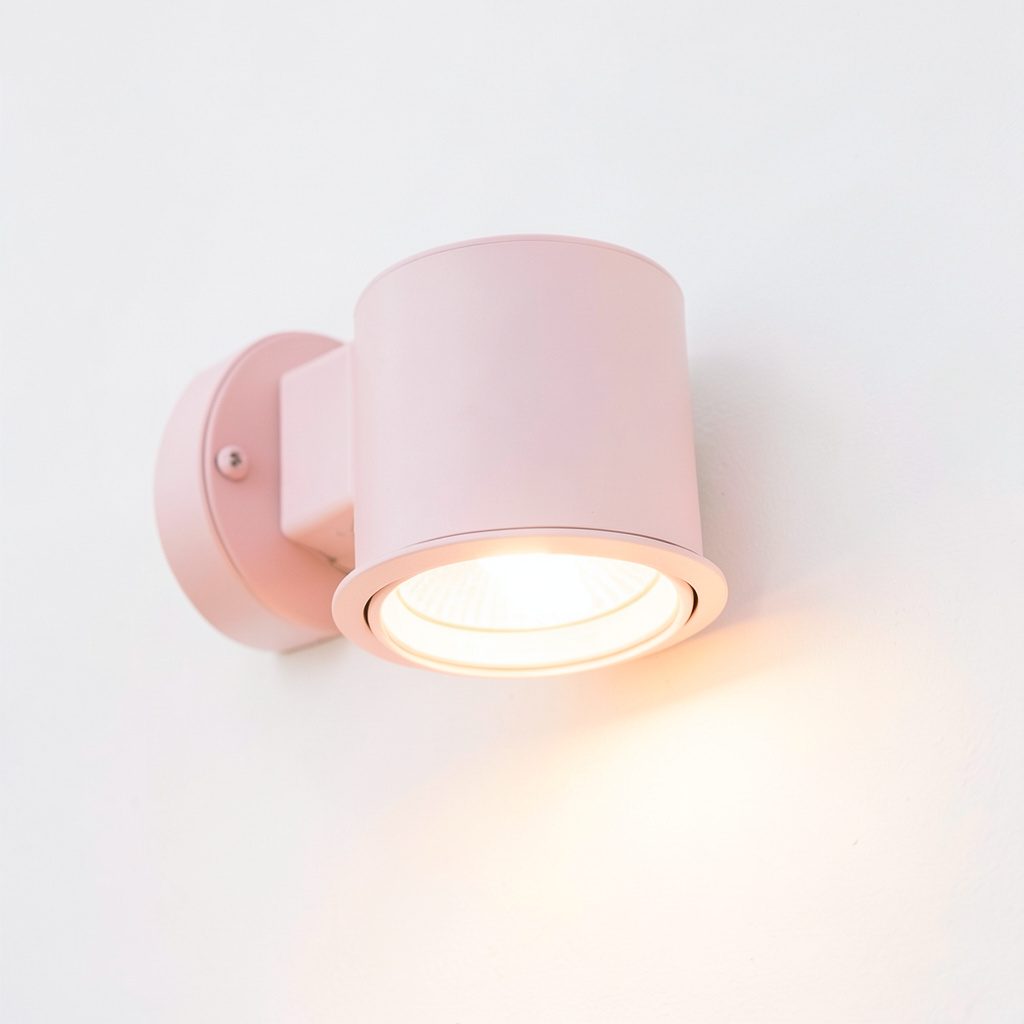
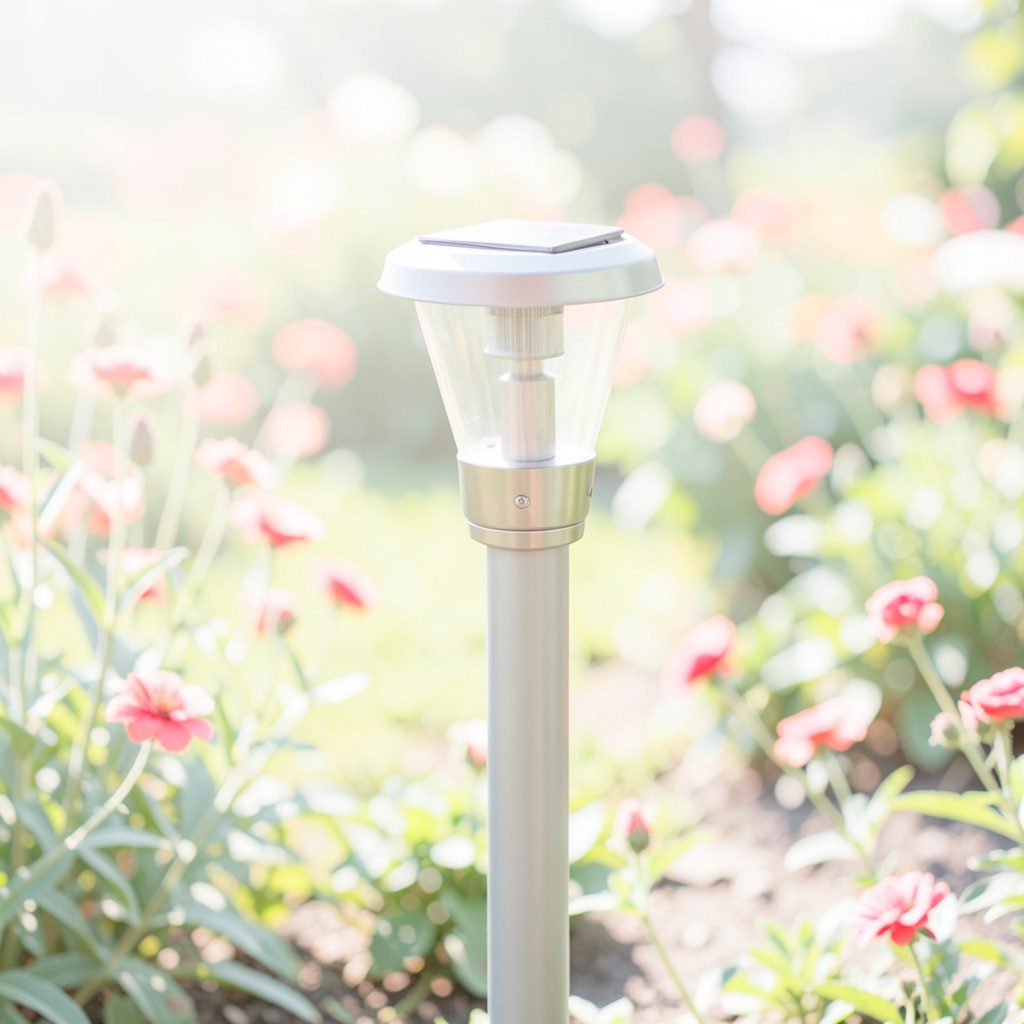
Solar fittings are useful on remote decks, garden gates and secondary paths where running cable would be inconvenient. For complementary options, these solar wall sconce picks show how warmer downward light can add depth around seating and plants. Keep beams below eye level, avoid excessive brightness near neighbouring homes and check that several products do not create competing colour temperatures.
Test, maintain and keep access clear
Test the installation at dusk, late at night and during wet weather. Walk the route from a seated position as well as standing height, since the handrail and stair edges may look different to someone using a mobility aid. Look for glare, dark patches and reflections that conceal a change in level.
Switch off and isolate the power before adjusting the rope. Clean the cable gently, remove accumulated leaves and salt, and inspect clips, connectors and the power supply for damage. Replace damaged sections with the manufacturer’s approved component rather than joining mismatched voltages or waterproofing a connection with tape.
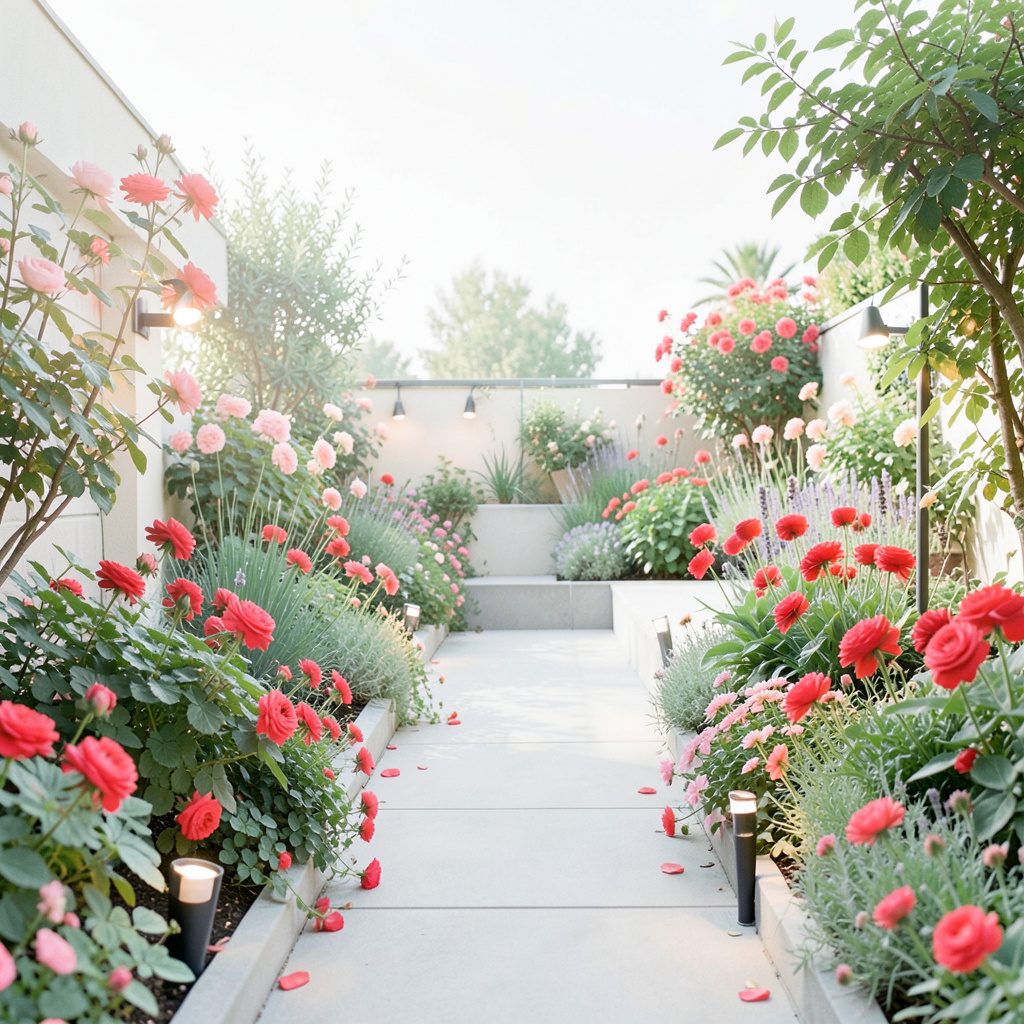
Gardeners and older homeowners may need more than attractive lighting. The wider ideas in accessible gardening methods show how route design and comfortable working conditions can support people with limited mobility. A clear, firm path, reachable switches and lighting that reveals edges are more useful than excessive brightness.
The best outdoor rope-light installation should be judged after a warm, wet night, not in a showroom. The standard worth remembering is simple: the rail should be easy to follow, comfortable to hold and visually at home in the garden.