Featured Topics

Lighting a water feature or fountain for evening beauty
Outdoor living defines the Australian backyard, from a tiled courtyard in Perth to a sprawling lawn in Brisbane. As soon as the sun slips below the horizon, the garden becomes another room of the house, and a water feature or fountain can become the focal point when the right fixtures are in place. Lighting transforms moving water into something sculptural, with ripples and droplets catching the eye long after the barbecue has been packed away.
Choosing how to light a fountain or pond is less about brightening the water and more about shaping what the eye sees. Reflections, shadows and small glints all play a role, and the best results come from a layered approach that mixes underwater glow, surface wash and a soft light on surrounding foliage.
Plan around the water itself
Before any cable is run, study how the water actually behaves. A still reflecting pool in an Adelaide courtyard reads very differently to a tiered fountain in a tropical Cairns garden. Falling sheets of water need light from behind or below to make the curtain visible, while a calm surface only reveals its character when the surrounding walls or trees are illuminated.
For a pond, think about what lives in it. Many Australian gardens host frogs, goldfish and yabbies, and harsh white light at night can disturb them. Aim for short evening windows of brightness rather than an all-night flood, and position fixtures so the deepest part of the pond stays in soft darkness.
If the feature is decorative, a small submersible LED placed low in the basin will throw shafts of light up through the spray. Adjustable aim lets the angle change with the seasons, since an autumn fountain in Hobart sends water on a different arc to a summer display in Darwin.
Match the mood to the setting
The mood a water feature sets can be cool and meditative, warm and social, or theatrical and bold. In a coastal garden in Sydney's eastern suburbs, a soft warm wash that mirrors the colour of sandstone walls feels natural, while a contemporary townhouse in Melbourne might suit cooler tones that pick up on steel decking and glass balustrades.
Decide early whether the water is meant to be the hero or the backdrop. As a hero piece, narrow beam fixtures can be aimed so the droplets themselves become visible against a dark hedge. As a supporting element, broad washes on the surrounding planting help the fountain feel integrated rather than spotlighted.
Across suburban Australia, the lighting collection from Meredith shows how the same warm and cool palettes can shift a garden from meditative to social, which is why a fountain in a coastal setting rarely wants the same treatment as one in a country courtyard.
Choose the right fixture types
The fixture choices for water lighting are more varied than many gardeners realise. Submersible LED spots sit inside the basin and light the water from within, while small in-ground uplights placed in the surrounding mulch throw a cone of light up through the falling stream. For tiered or wall fountains, linear strip lighting tucked behind a lip of stone can create a curtain effect that looks dramatic at dusk.
For wider effects, guides to LED strip lighting under coping stones or pond rims show how a continuous run of low-level light grazes the water edge and emphasises its outline. Above the surface, spike lights are easy to reposition and suit a casual garden where the planting changes year to year.
Floating solar globes are a quick way to test whether a particular colour or intensity suits the space before committing to wired gear. Spare submersibles in the shed make late swaps painless when a single diode finally gives up after a few summers in the sun.
Think about colour temperature and beam spread
Colour temperature matters more than wattage in water-feature lighting. Warm whites around 2700K to 3000K blend with timber decking and sandstone and suit traditional gardens across most of the country. Cooler 4000K tones read crisper against concrete or rendered walls and suit contemporary courtyards in inner Brisbane.
Beam spread is the other quiet decision. Tight 15-degree beams are useful for tall jets, while wider 30 to 45-degree floods suit short bubbling urns. A tight central spot layered with a softer wash on the bowl usually reads best.
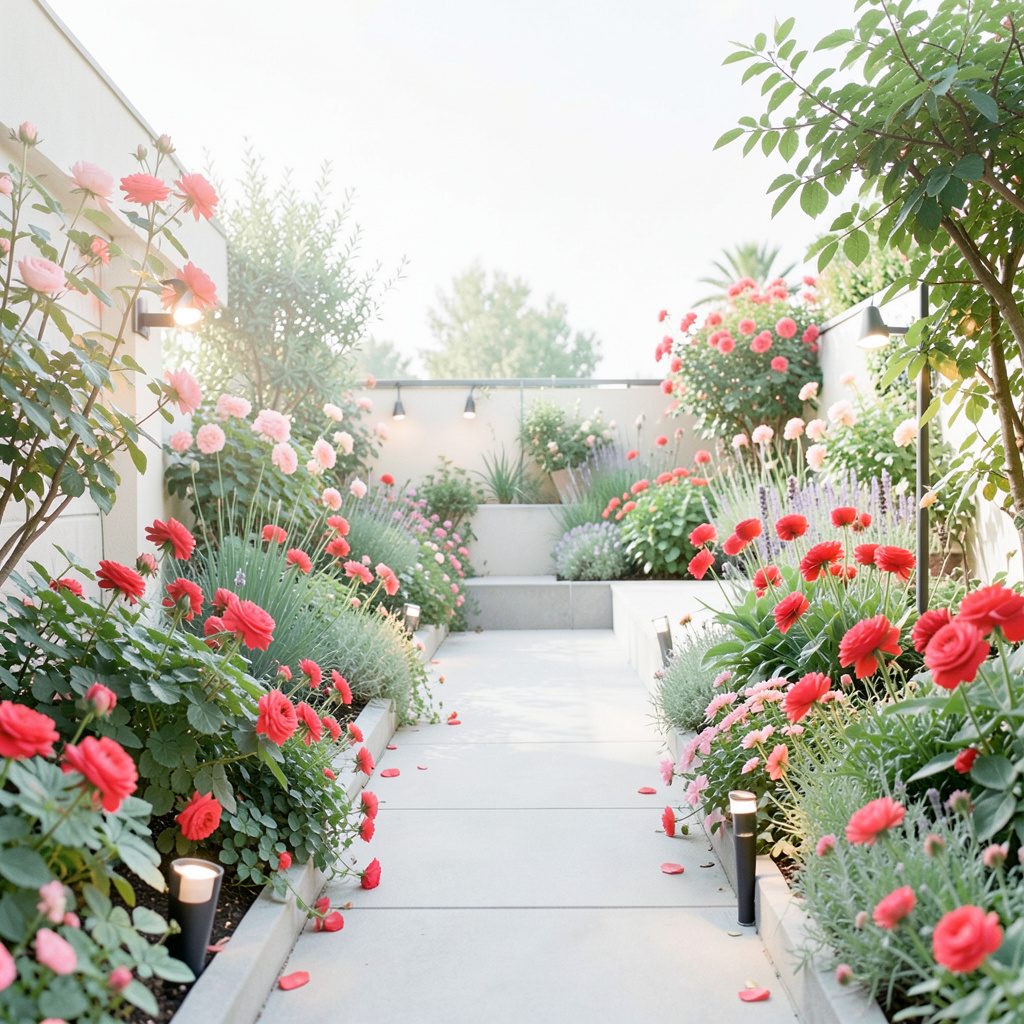
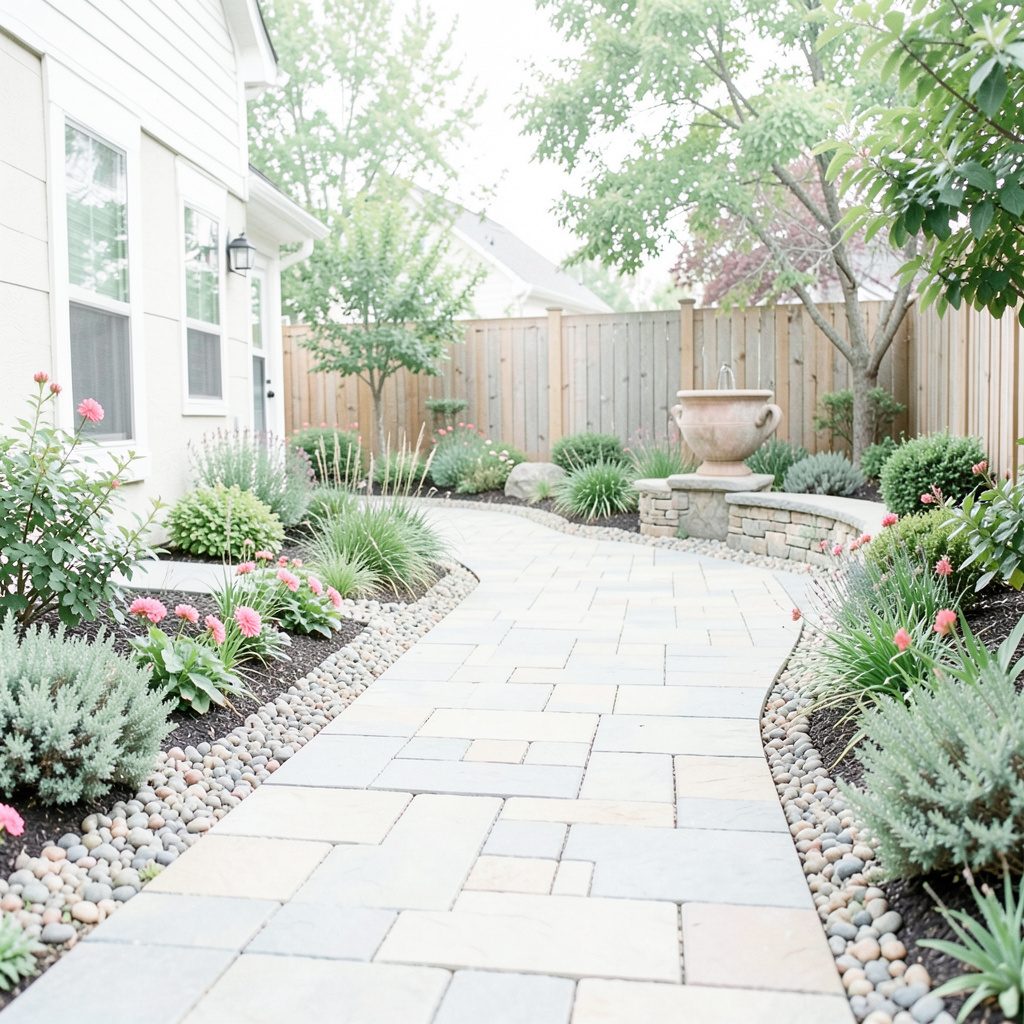
It helps to look at established options when planning a layout, and the home garden inspiration galleries often show whole setups that make it easier to visualise how spike, strip and submersible units combine in a real backyard. Colour-changing RGB units can look fun on paper yet quickly feel busy in a small garden, so restraint tends to age better than a full rainbow.
Consider power options
Mains-powered lighting offers the most reliable brightness, and in many Australian homes it is the safest long-term choice. Any fitting within two metres of a pond or fountain should be wired to a residual current device and installed by a licensed electrician, a point that aligns with national wiring rules and most local council guidance.
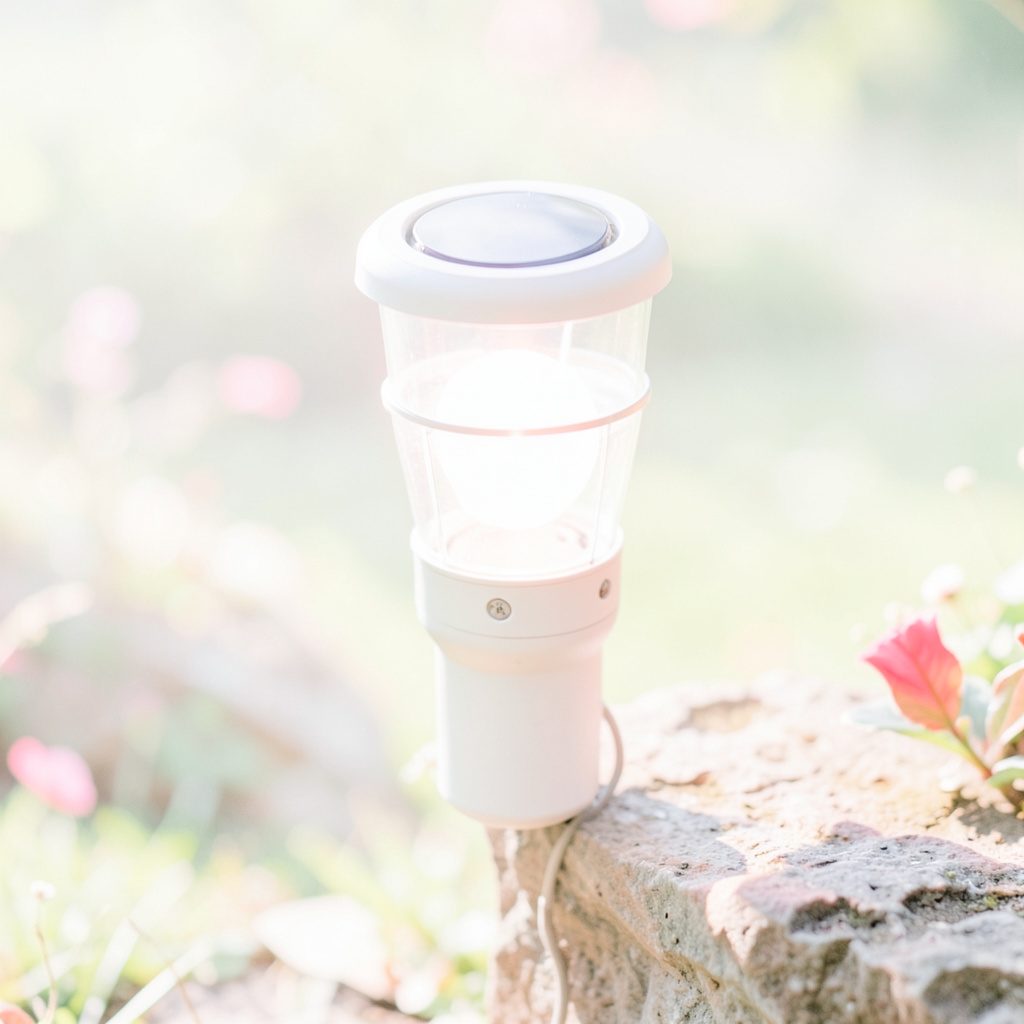
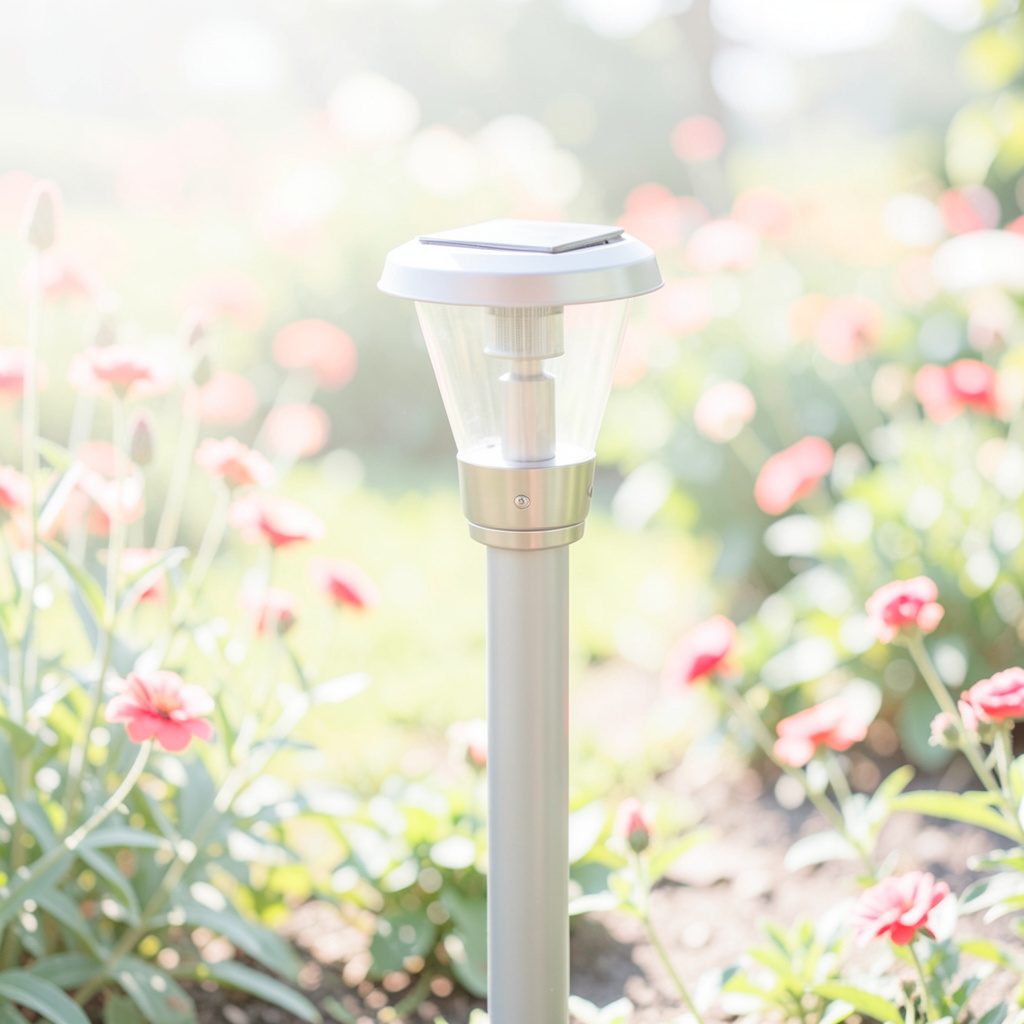
Solar and low-voltage options suit renters, heritage homes where wiring is tricky, and remote corners of a large block. Modern solar spike lights from brands like InnoGear hold charge well through an Australian summer, although winter performance drops in southern states where daylight hours shorten sharply.
Battery-powered units have their place for short events and dinners where the garden hosts everything from family meals to relaxed weekend entertainment at home, and they double as a low-commitment way to test colours and beam angles before spending on fixed fixtures.
Watch for local conditions and rules
Australian conditions are not as uniform as they look. A coastal Sydney property copes with salt spray that corrodes cheap fittings within a season, while a Darwin garden deals with intense humidity and tropical downpours. Look for an IP rating of at least IP68 for anything submersible, and IP65 for surface units that sit exposed.
In bushfire-prone zones around the Blue Mountains or the Adelaide Hills, low-voltage LED runs cooler than older halogen and is generally a safer choice near dry leaf litter. Some Australian states also run rebates that recognise efficient outdoor LED installations, and switching from older halogens to LED pond lights can cut the running cost noticeably.
Maintenance and seasonal care
Water features collect debris quickly, and so do the lights around them. A monthly clean with a soft brush keeps algae off submersible lenses, while a quick wipe of surface fixtures prevents mineral build-up that dims output. In areas with hard water, a vinegar rinse once a season keeps the glass clear.
Seasonal checks matter before the busy Christmas entertaining window. Run the system at dusk and look for shifted fixtures, water level changes and any exposed cable. After the cooler months in Melbourne or Canberra, prune back growth that may have crept over spike lights and reset their aim so the feature reads clearly again in spring.
A small routine saves money. Replacement LED modules are far cheaper than full units, and keeping a spare submersible in the shed means a failed unit can be swapped without leaving a dark gap in the layout.
Practical tips for a reliable setup
- Pick IP68-rated submersible fittings and IP65 surface units for Australian weather.
- Mix warm 2700K to 3000K whites with timber, sandstone and brick surroundings.
- Use two or three light layers rather than a single bright source.
- Run mains lighting through a licensed electrician and an RCD-protected circuit.
- Combine mains and solar thoughtfully, especially in shaded southern gardens.
- Review placement each season as plants grow and water arcs change.
The real reward of lighting a fountain or pond is the quiet shift it brings to the garden. With a few well-chosen fixtures and a simple care routine, a humble water bowl or a generous pond becomes a calm focal point after dark, holding its own against the night sky while the rest of the garden falls into soft shadow.