Featured Topics
LED Strip Lights for Outdoor Bar Carts and Serving Stations
An outdoor bar cart becomes more useful when its lighting supports the task rather than turning the area into a lightbox. Weatherproof LED tape can illuminate shelves, glassware and serving edges with a compact, tidy footprint. A measured layout, suitable weather protection and a safe power plan create a polished result.
Summer evenings in Sydney, Melbourne, Brisbane and Adelaide often extend well beyond sunset, and a backyard barbecue is a regular weekend ritual. In denser suburbs, the practical setting may be a courtyard, rooftop terrace or narrow balcony rather than a broad lawn. Low-profile lighting and portable systems are therefore useful because they can brighten a temporary serving area without permanent construction.
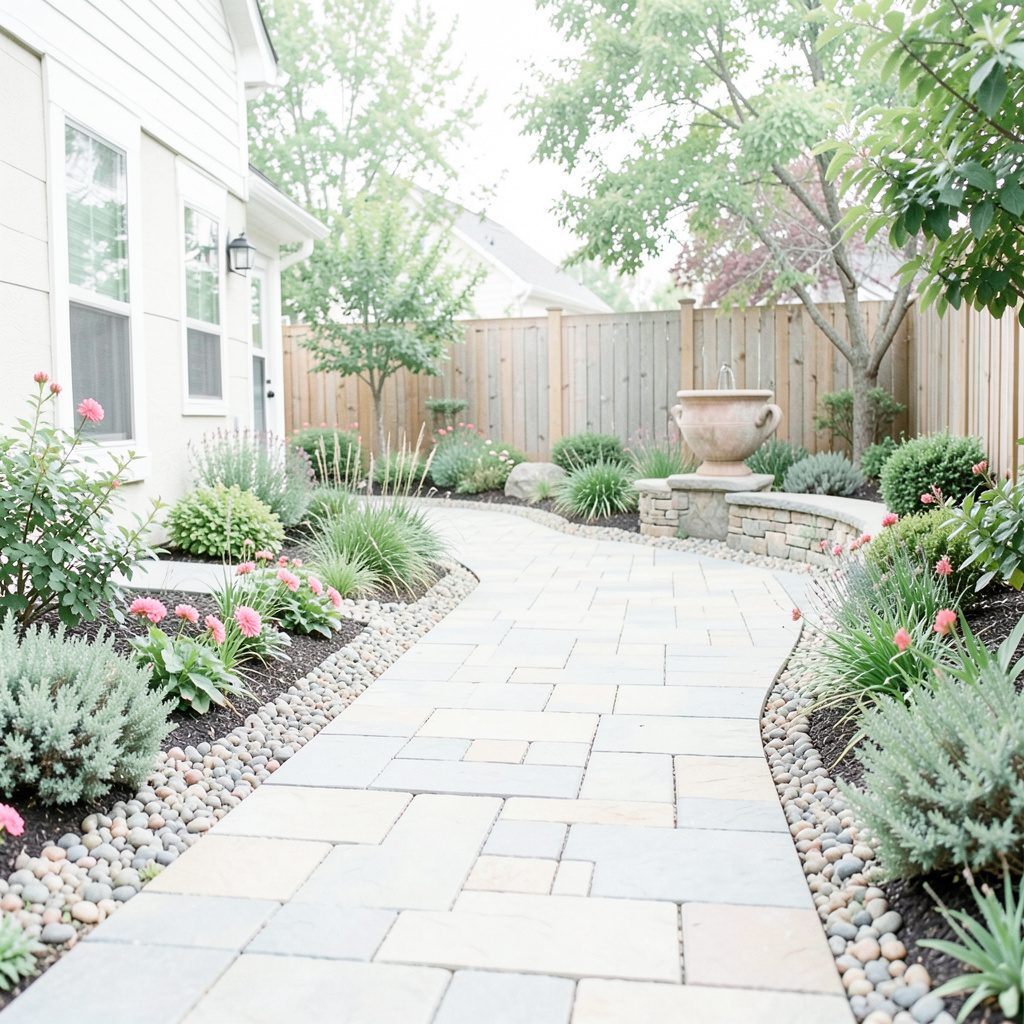
Shopping in Australia also involves some translation. Options from Philips and InnoGear are commonly compared through Amazon Australia, Bunnings and specialist lighting retailers, while stock and model names can differ from Home Depot listings in the United States. Compare input voltage, plug type, warranty and outdoor certification rather than assuming a similar-looking strip is interchangeable. A gallery image is a starting point, not evidence of weather resistance.
Map the cart before buying tape
Begin with the cart's working zones. Measure the length and depth of the main serving shelf, the underside of any upper shelf and the front lip where glasses are placed. Note whether the cart stands on grass, paving or timber decking, as mounting and cable routing differ between surfaces. A quick sketch with the power source marked helps prevent a strip from being cut to the wrong length.
Separate functional light from decorative light. A narrow run beneath the upper shelf provides task lighting for bottles and glassware, while a strip along the lower shelf reveals labels and utensils. Rope lights or solar accents can define the perimeter, but they are less consistent for preparation. Warm white at 2700K to 3000K usually suits timber, stone and outdoor hospitality; cooler white complements a crisp, contemporary metal cart.
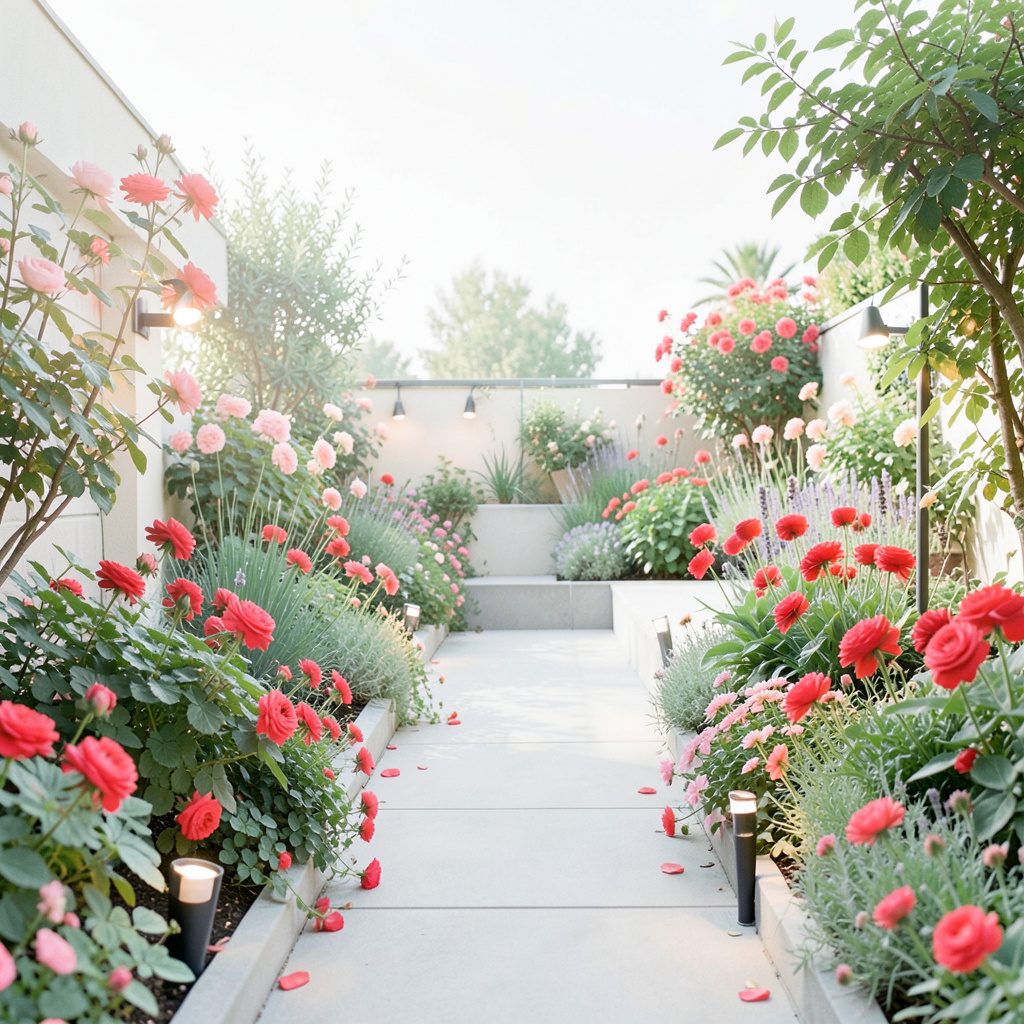
Gardens that need a completely cable-free look can draw atmosphere from broader accents, as this review of solar firefly lighting shows. Those fixtures can define a path or planting bed, yet they are not a substitute for light mounted directly under a serving shelf. Use solar products as supporting ambience and keep the cart itself on a dependable low-voltage system.
Choose hardware for Australian conditions
Australian conditions can be demanding. Direct UV, summer heat, salt-laden air near the coast, sudden rain and irrigation spray can quickly damage an indoor-rated strip. Choose a model explicitly sold for outdoor use, with an IP65 rating or better and UV-resistant silicone or coating. If the cart is routinely washed down, select a product approved for that exposure, often with IP67 components, sealed end caps and suitably protected connectors.
The strip and its mounting surface need equal attention. Clean and degrease metal or timber, allow painted surfaces to cure, and avoid mounting on a dusty or flaking finish. Aluminium channels add rigidity, manage heat and can carry a diffuser to soften glare. Quality adhesive performs best when the tape has full contact with a smooth surface; a short test strip left for 24 hours reveals whether the finish or texture will hold it.
Heat management matters more than it does in a cool room. Keep drivers and controllers in a dry, ventilated box under the cart rather than sealing them inside an unventilated metal compartment. Check the specified operating temperature, leave room around electrical parts and avoid positioning the power unit where condensation can collect. Replace damaged strips or connectors rather than covering them with extra tape.
Build the lighting in useful layers
A practical outdoor drinks trolley often works best with three layers: light under the work shelf, a low glow along the cart's frame and a brighter pool at the serving edge. The first helps with drink preparation, the second preserves the cart's silhouette and the third helps guests see where to collect food. Each layer can use a different output level, so one bright strip does not need to illuminate every surface.
Dimmers and smart controls can adapt the same cart to different uses. Set a warm, moderate level for long dinners, raise the task light during food preparation, and use a restrained colour effect for a birthday or holiday gathering. Motion sensing can reduce standby use, although it should not switch off the main serving light while someone is reaching across the cart. Weather-rated controllers should remain accessible for resetting without dismantling the installation.
For an activity-led gathering, keep games beside the drinks area rather than on the serving surface. A separate low table allows guests to spread out and stops the cart becoming a bottleneck; this Bingo Megaways overview provides one example of the simple group activities that suit a defined outdoor zone. Good spacing lets the lighting mark movement paths without creating distracting shadows behind the cart.
Plan power and electrical safety
Most portable strips run at 12V or 24V, which keeps the cable and power supply manageable, but low voltage does not remove the need for correct installation. Calculate the strip's wattage, allow for the controller and any other lights, then select a driver with suitable headroom. Long runs can produce voltage drop and uneven colour, so use the manufacturer's guidance on cable size, maximum run length or feeding the strip from more than one point.
Battery boxes offer freedom at an outdoor table, while a fixed 230V supply suits a stationary serving station. Position the battery or driver under the cart where it will not be knocked, and use outdoor-rated plugs, sockets and extension points rather than ordinary indoor accessories. Keep connections above splash height, coil excess cable and secure it with clips so it cannot become a trip hazard across a patio or path.
Fixed electrical work falls under Australian safety requirements. Sockets and plugs should meet applicable Australian standards, and circuits serving wet outdoor areas need suitable RCD protection under AS/NZS 3000. Ask a licensed electrician to assess mains work, especially if the cart will be connected to a permanently installed outdoor circuit. For commercial or permanent installations, EPI Light expertise illustrates the value of specifying illumination, aiming and power before equipment is ordered.
Match the lighting to the cart
The hardware should disappear into the design where possible. On a timber cart, a slim aluminium channel with a warm-white diffuser can look like part of the joinery; on a stainless trolley, a narrow surface-mounted profile may be more practical. Conceal transformers, excess cable and connectors in a service box while keeping cooling paths open. Avoid exposed strip faces at eye level, which create glare on glassware and make the drinks area look harsher than it is.
Budget for the system rather than the strip alone. Profiles, diffusers, controllers, power supplies, extension leads, mounting clips and replacement connectors all affect the result. Keeping one itemised list also creates a clear purchase record, a habit illustrated by this tax declaration guidance. The source is not Australian and garden lighting is not generally deductible, but the useful principle is separating durable equipment costs from routine household spending.
Product shortlists need local checks. Philips Hue products are worth considering when app control and a wider smart-home ecosystem matter, while InnoGear kits may suit simpler accent runs. Neither brand name guarantees that every model is weather-rated, so verify the exact product's IP rating, input voltage, controller compatibility and warranty. Australian buyers commonly compare options through Amazon Australia, Bunnings, Mitre 10 and lighting specialists, with local after-sales support often mattering more than a small saving from an overseas listing.
A successful setup feels integrated because the cart remains the focal point. Light the working surfaces, let the surrounding garden stay comparatively dark and provide enough control to change the mood without rebuilding the installation. This balance also makes photographs and late-night gatherings easier, as the eye is drawn to the service area instead of a tangle of bright points around it.
The first practical step is to take a tape measure to the cart and record its height, width, shelf depth and distance from the nearest suitable power source.