Featured Topics

LED Bulb Options for Outdoor Porch Lights Compared
Choosing an LED bulb for an outdoor porch is more involved than picking the brightest lamp on the shelf. The right option must suit the fitting, tolerate Australian weather, provide useful light without glare, and work with the way your household uses the entry, verandah, or front steps.
LEDs have become the standard choice for exterior lighting because they use little electricity, start instantly, and last far longer than incandescent or halogen lamps. Even so, performance varies between warm white, cool white, filament, smart, sensor-compatible, and high-lumen models.
A coastal home in Wollongong has different demands from a covered Queensland patio, while a Melbourne porch may need a stronger winter-friendly beam than a sheltered Adelaide entrance. Salt air, intense ultraviolet exposure, summer heat, and rain all influence which bulb will remain reliable.
The comparison below focuses on practical features rather than marketing claims. It covers colour temperature, brightness, bulb shape, controls, weather resistance, and running costs, helping homeowners match a lamp to the character and function of an Australian outdoor space.
Warm white LEDs for welcoming entrances
Warm white LEDs, generally between 2200K and 3000K, create a soft golden glow similar to traditional incandescent lighting. They are well suited to front doors, timber verandahs, heritage cottages, and entertaining areas where the aim is comfort rather than strong visibility.
A 2700K bulb usually makes brick, timber, sandstone, and painted surfaces look inviting. It also reduces the stark appearance that some cool white lamps create at night. For a porch beside a bedroom or a neighbour’s property, warm light is often the considerate choice because it produces less visual spill.
Brightness still matters. A small enclosed wall lantern may work well with 400 to 600 lumens, while a larger coach light or deep verandah could need 800 lumens or more. Several moderate lamps usually look better than one extremely bright globe, particularly around narrow steps.
Cool white bulbs for visibility and security
Cool white LEDs, commonly around 3500K to 5000K, produce a cleaner and more neutral appearance. They can be useful beside garages, side gates, bins, and front paths where recognising faces, keys, packages, or uneven paving is more important than creating a relaxed atmosphere.
A 4000K bulb is a useful middle ground for many Australian homes. It gives clear visibility without the bluish cast associated with some 6000K lamps. Very cool daylight bulbs can make foliage appear harsh and may feel overly commercial on a small porch.
Security lighting should be bright enough to cover the intended area without shining into living-room windows or across the footpath. A wide beam, sensible positioning, and a motion sensor often achieve more than simply selecting the highest-lumen LED available.
Filament and classic globe designs
LED filament bulbs imitate the glowing strips found in vintage lamps. Their transparent glass and warm colour suit exposed pendant lights, clear wall lanterns, and decorative porch fittings. They are especially effective when the bulb itself is part of the design rather than hidden behind frosted glass.
Many filament models produce a lower lumen output than modern opaque LEDs, so they are best for atmosphere and general orientation. Check the fitting’s size before buying: ST64, A60, candle, and golf-ball shapes can have noticeably different lengths and diameters.
For an older Queenslander or a Federation-style house in Sydney, a warm filament globe can preserve the home’s character. In a contemporary build, a simple frosted A-shaped bulb may give a cleaner appearance and spread light more evenly across the doorway.
Dimmable and smart LED choices
Dimmable LEDs make sense where a porch serves several purposes. The same fitting may provide gentle evening illumination, brighter light while guests arrive, and stronger output when rubbish bins or deliveries need attention. The bulb must be compatible with the installed dimmer, as older dimmer switches can cause flicker or buzzing.
Smart bulbs offer app control, schedules, voice commands, and sometimes colour adjustment. They are most useful when the porch fitting is easy to reach but the switch is inconvenient, or when the household wants lights to follow a regular routine. Wi-Fi reliability should be checked around brick walls and detached garages.
Automation can also be achieved with a dusk-to-dawn sensor or a plug-in timer. A dusk sensor guide can help explain how automatic operation differs from motion activation. For most front entrances, a simple photocell is easier to maintain than a feature-heavy smart system.
Solar-compatible and low-energy lighting
A standard mains-powered LED remains the dependable option for a covered porch, particularly where the fitting is already wired. It delivers consistent brightness through cloudy weather and does not depend on a small panel receiving several hours of direct sunlight.
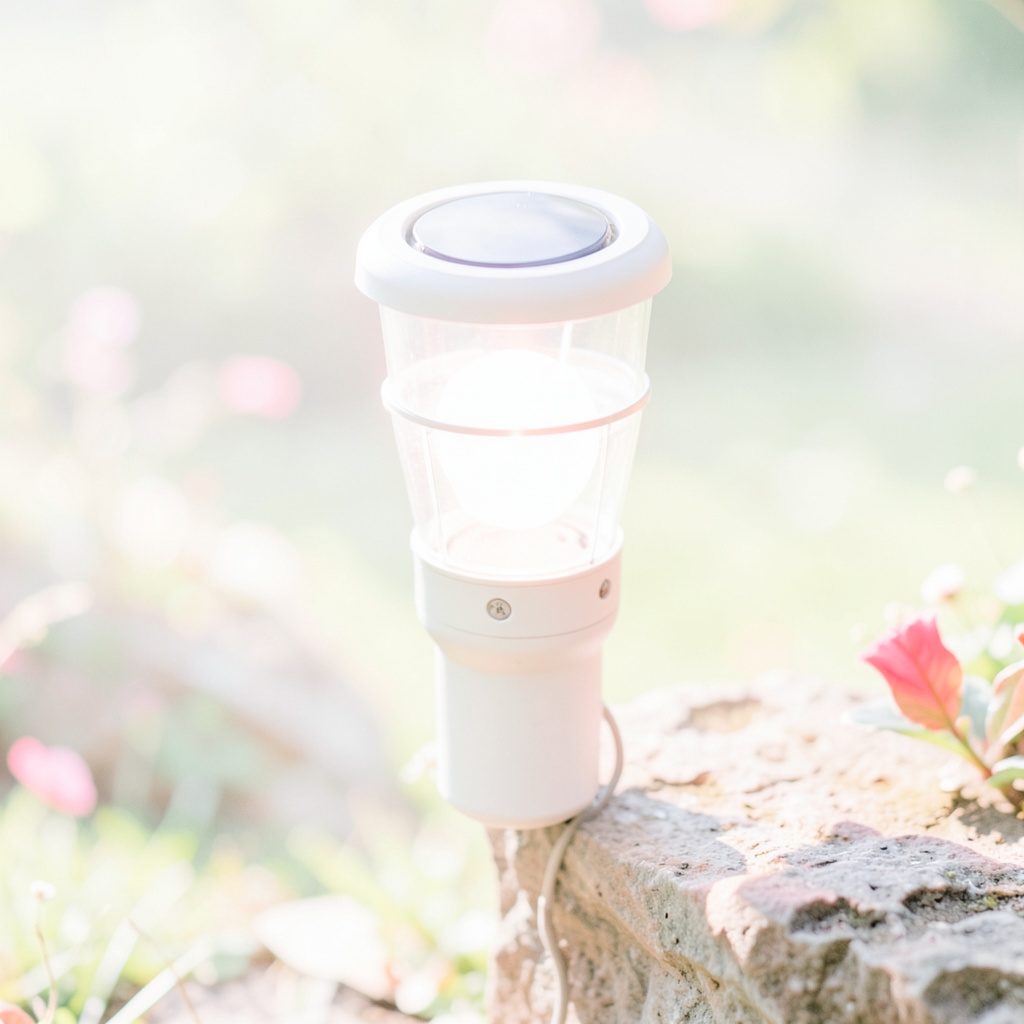
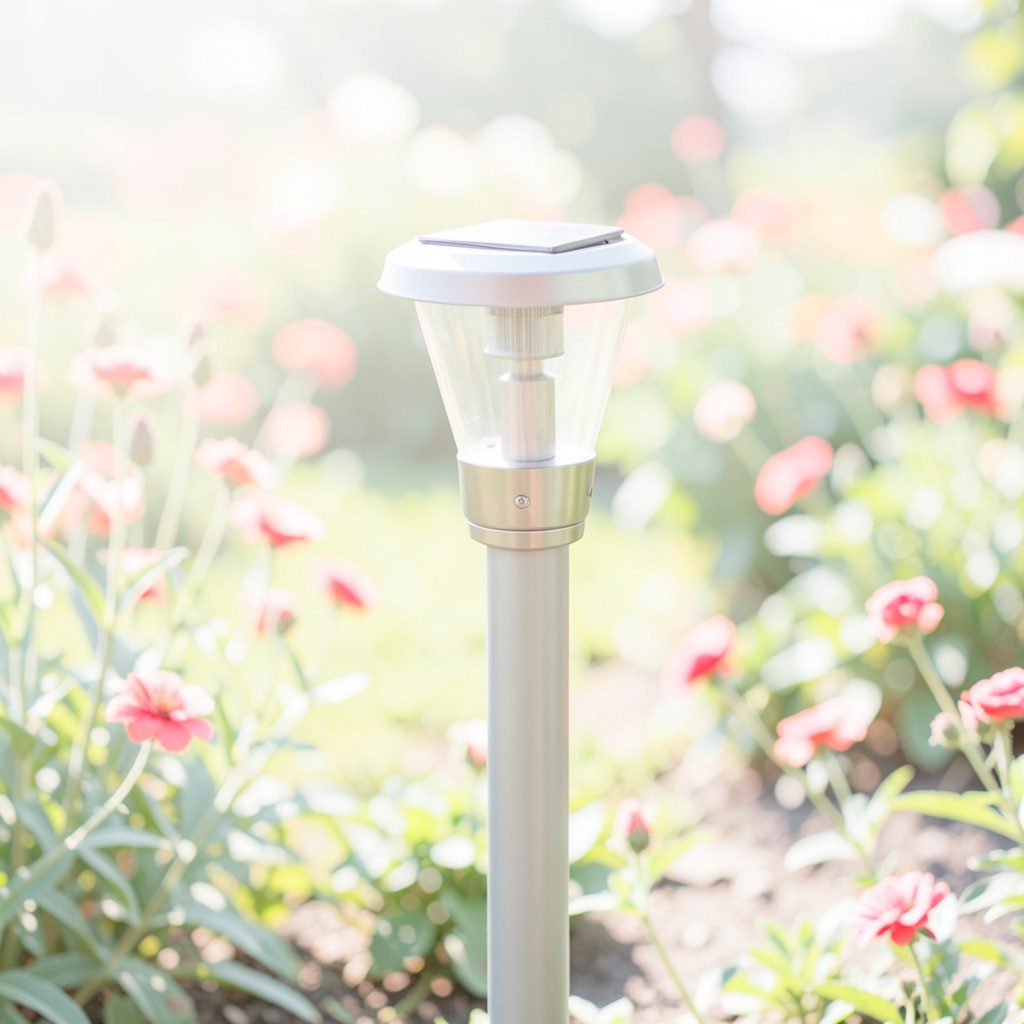
Solar bulbs and integrated solar lanterns are more practical for a remote gate, garden shed, or porch with no convenient wiring. Their output depends on panel placement, battery capacity, and winter daylight. In Melbourne or Tasmania, a solar unit may run for fewer hours during overcast periods than its packaging suggests.
LEDs reduce electricity consumption because they produce useful light with relatively little power. A 7W to 10W mains LED can replace a much higher-wattage older globe, although the saving depends on how long the light operates. A dusk sensor prevents the common habit of leaving an entry lamp switched on all day.
Weather resistance and fitting compatibility
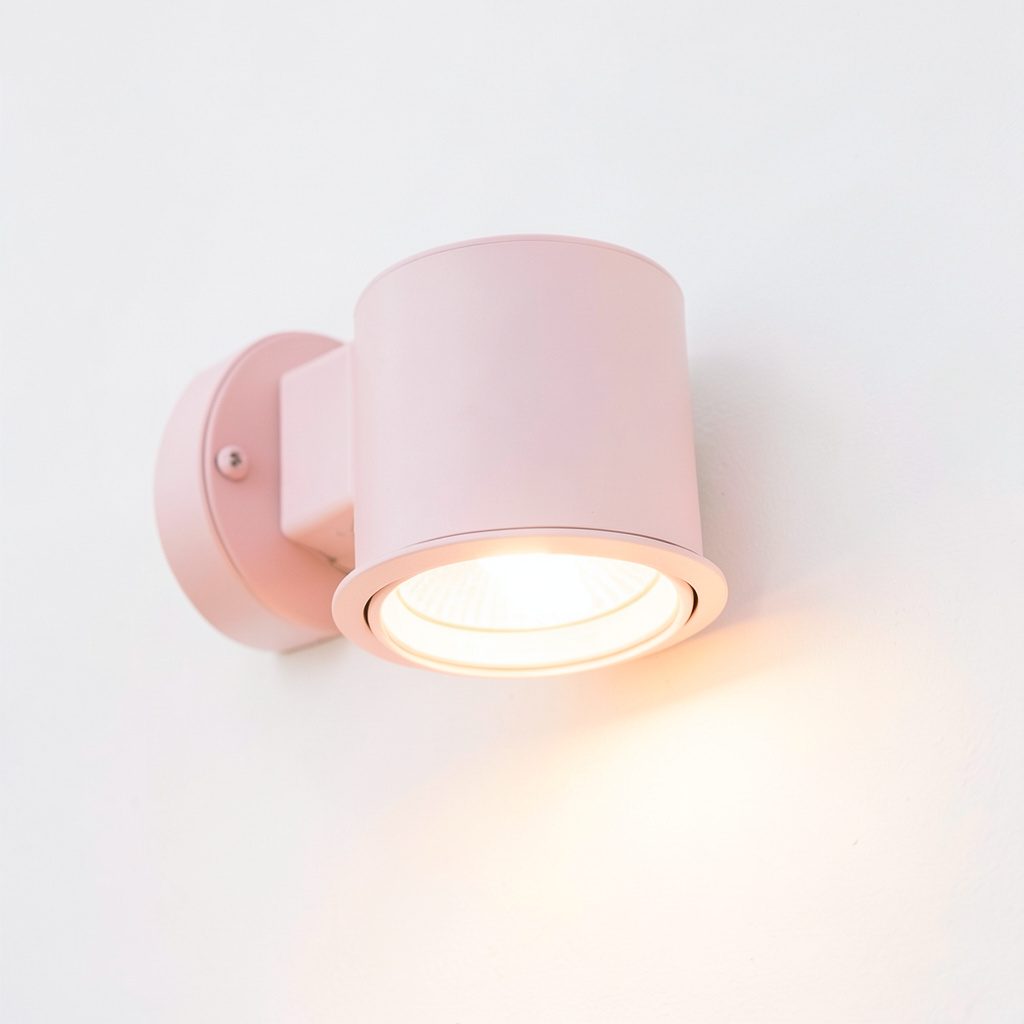
The bulb should be suitable for the enclosure in which it will operate. A fully exposed fitting needs a product designed for outdoor use, while an enclosed lantern can trap heat around the electronics. Look for clear manufacturer guidance on damp or wet locations rather than relying on the word “outdoor” alone.
IP ratings generally apply to the fitting or appliance as a complete unit, not automatically to a replaceable globe. In coastal areas such as Newcastle, Cairns, and the Gold Coast, salt and humidity can corrode contacts and shorten the life of cheaper fixtures. Sealed construction, corrosion-resistant materials, and regular cleaning are valuable investments.
Check the socket type, voltage, maximum physical size, and whether the fitting is enclosed before ordering. Australian homes use 240V mains electricity, so any hardwired alteration should be handled by a licensed electrician. A bulb swap is simple when the existing fitting is sound, but damaged wiring or water entry requires professional attention.
Comparing value, appearance, and upkeep
The cheapest LED bulb is not automatically the best value. Compare its expected life, warranty, colour consistency, start-up behaviour, and suitability for enclosed fittings. Philips products are widely available through Australian retailers, while InnoGear and other online brands offer sensor, solar, and decorative alternatives at different price points.
Retailers such as Bunnings, Home Depot-style online marketplaces, and Amazon make it easy to compare specifications, but product descriptions can be inconsistent. When reading Australian product guides, apply the same basic discipline to lighting reviews: separate verified specifications from promotional language, check the publication date, and look for evidence about actual use.
Upkeep is modest but worthwhile. Wipe dust and insects from the diffuser, inspect seals after severe storms, and replace bulbs that flicker or discolour. For a deck, small post-cap lamps can add a gentle perimeter glow; comparisons of deck post cap lights are useful when extending porch lighting into an entertaining area.
For most Australian porch lights, a warm white 2700K or 3000K LED between 600 and 800 lumens is the safest all-round choice. Select a 4000K model where visibility and security take priority, a filament globe for decorative fittings, and a solar option only where adequate sunlight and modest output are acceptable. Match the bulb to the enclosure, socket, controls, and local weather, then use a timer or dusk sensor to keep the entrance bright only when it serves a purpose.