Featured Topics

Outdoor lights with dusk-to-dawn sensors: best picks
Outdoor lights with dusk-to-dawn sensors make gardens safer and more welcoming without a manual switch. A built-in photocell measures ambient light, turning a fixture on as evening falls and switching it off after sunrise. When paired with a passive infrared (PIR) motion detector, the light can also respond to movement, giving focused illumination where paths, gates, and patios need it.
For Australian yards, reliability depends on more than brightness. Sydney’s bright summer evenings can delay activation, while Melbourne and Hobart lose usable light earlier in winter; Brisbane and Perth homes also face heat, intense sun, and occasional heavy rain. Comparing sensor behaviour, weather resistance, power options, and local retailer availability is more useful than choosing by lumen output alone.
Match the sensor to the job
A photocell-only fitting provides dependable all-night ambience, making it well suited to a porch, front wall, terrace, or fixed path. A PIR sensor adds movement-triggered output, useful for a side passage or driveway but potentially disruptive if the detection zone reaches a neighbouring window. Confirm whether the sensor controls brightness or fully cuts power.
Before buying several matching units, map the dark areas and decide how much light is needed after sunset. The design portfolio can help with fixture placement and visual balance, while a simple sketch should show cable routes, solar exposure, tree cover, and likely pedestrian routes. Avoid pointing wall packs directly across a road, where moving traffic can keep a sensor lit for long periods.
Solar and mains lighting compared
Solar outdoor lights remove the need for fixed wiring and suit rural properties, rental gardens, and paths beyond a power outlet. A panel positioned in direct sun can feed a rechargeable battery through the night, while a photocell prevents daytime charging output. Performance still depends on panel size, battery condition, seasonal sunlight, and how deeply the lamp is recessed beneath foliage.
Mains-powered LED fittings suit patios and frequently used entrances because they deliver consistent output and easy access for replacement. In Australia, check that any driver or adaptor is rated for 220–240 V and that exposed fittings meet local electrical requirements. Philips and InnoGear both offer outdoor options, but compare the exact model’s sensing method and ingress rating rather than assuming every lamp in a brand range has the same features.
Paths patios and garden structure
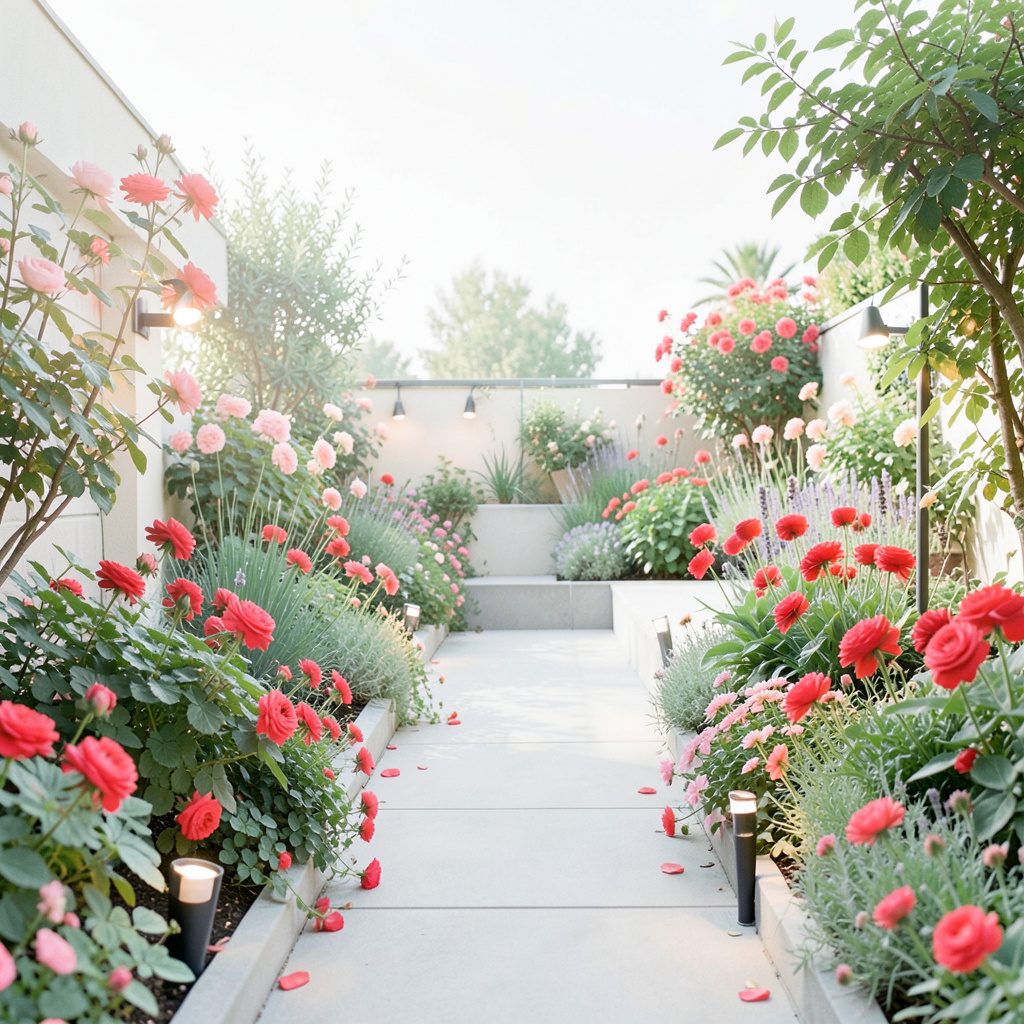
For a path, stagger low solar bollards or stake lights so illumination continues beyond each pool of light. Aim for warm white around 2700–3000 K to complement timber decking, brick, and native planting without making a small garden feel harsh. Keep lamps low enough to guide feet rather than illuminate windows, and use shielded fittings where foliage could cast distracting shadows.
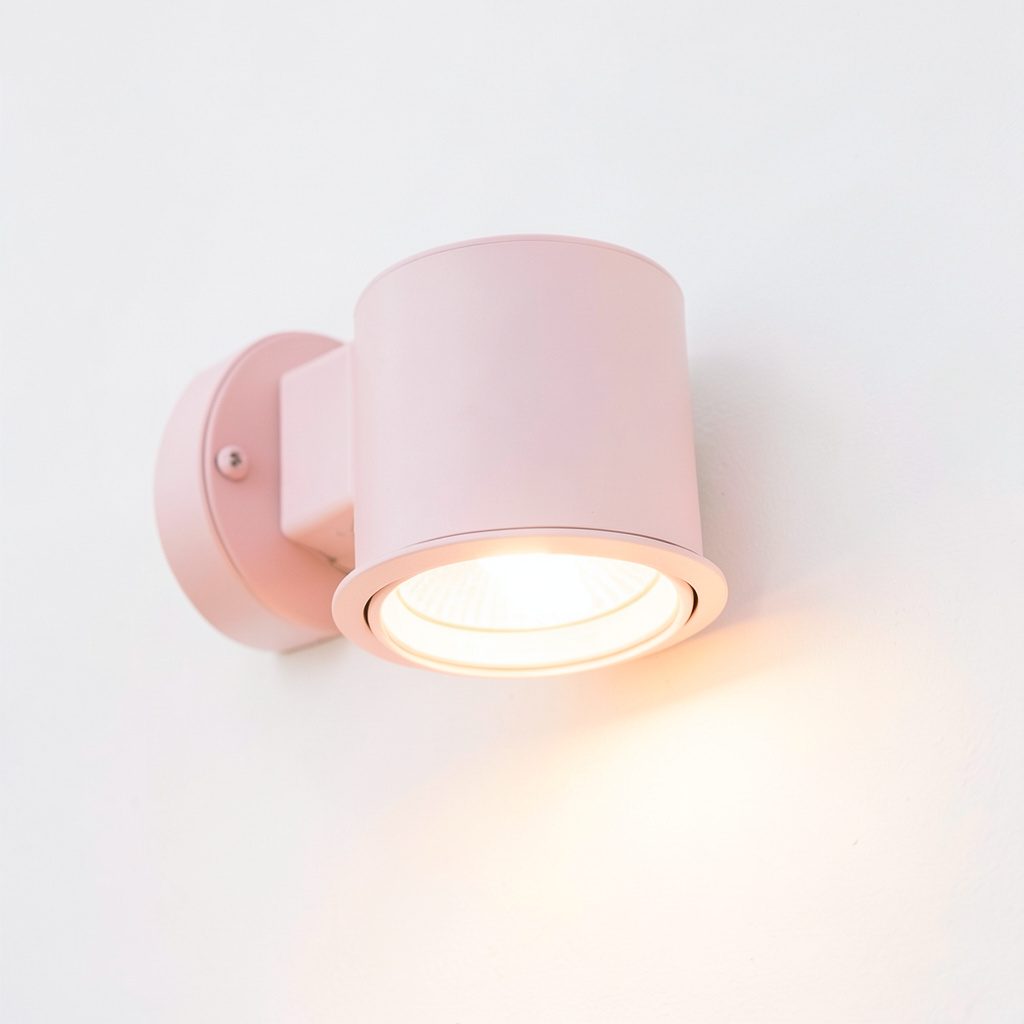
Patios and terraces often need several lighting layers: a wall light for general ambience, a downlight over a table, and low-level markers around steps. Philips is a useful starting point for wall lanterns and contemporary outdoor fittings, with suitable photocell and motion-sensing versions available through Australian retail channels. Readers can consult the author background for the design perspective behind these selections and check current model details at Amazon.com.au or Home Depot before purchasing.
Motion sensing for security
A PIR floodlight is valuable at a gate, garage, rear entrance, or side access, particularly where a conventional all-night lamp would waste energy. Its detection arc, range, and minimum-trigger time vary considerably, so test the adjustable head at walking height rather than from inside a vehicle. For dependable deterrence, pair it with clear sightlines and keep shrubs trimmed away from the sensor.
Motion sensing also helps distinguish real activity from the constant activation produced by animals or passing traffic. Look for a fixture with a separate dusk override, a wide beam for general security, and a dim standby mode if the light sits near neighbours. Keeping a project reference with notes on beam direction can make it easier to compare alternatives and revisit the layout after dark.
Specifications that predict performance
Lumens indicate brightness, but useful garden lighting depends on beam spread, mounting height, colour temperature, and glare control. For exposed fixtures, IP44 suits some sheltered locations, while IP65 is a safer choice for open paths and areas reached by a hose. Check the enclosure material for UV stability, corrosion resistance, and operation in Australian heat, particularly in coastal areas where salt can damage metal fittings.
Battery-backed solar models should state expected runtime, charging time, and whether they can run through a cloudy winter night. Replacement cells and standard solar panels are useful advantages because they can extend service without buying a complete fixture. Product pages often leave these details unclear, so compare retailer specifications, customer feedback, and the warranty rather than relying on a dramatic “all-night” claim. If a networked camera is part of the wider security setup, review this site’s privacy details before enabling app access or cloud storage.
Outdoor lighting picks for common Australian spaces
These picks cover different garden jobs and remain flexible enough for suburban yards, terraces, and larger outdoor areas. Availability and pricing can shift between Amazon.com.au and Home Depot, so confirm stock, voltage, and sensor functions at the point of purchase.
- Philips photocell wall light: Choose a matching pair for a porch or patio, with a warm-white LED and a weather rating suited to the mounting surface. Integrated sensors are convenient, but hardwired installation should follow local electrical guidance.
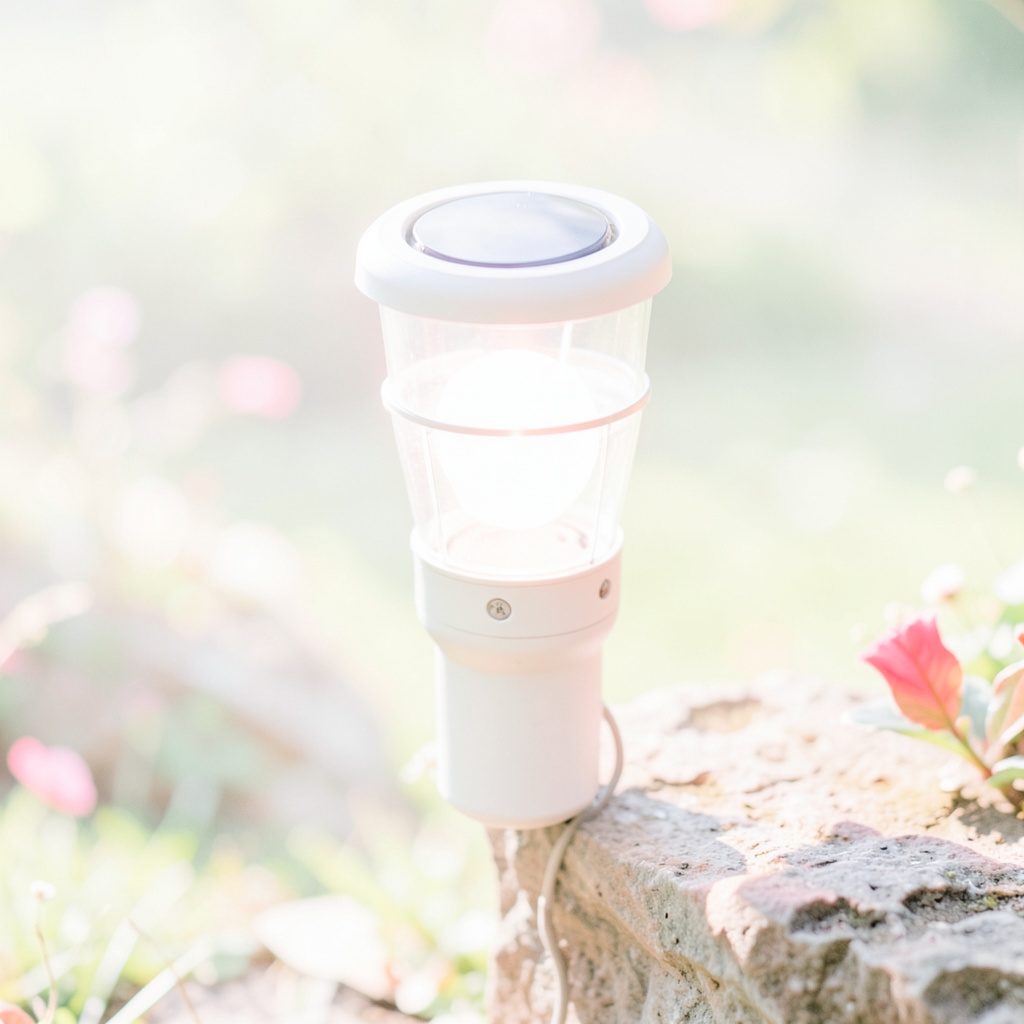
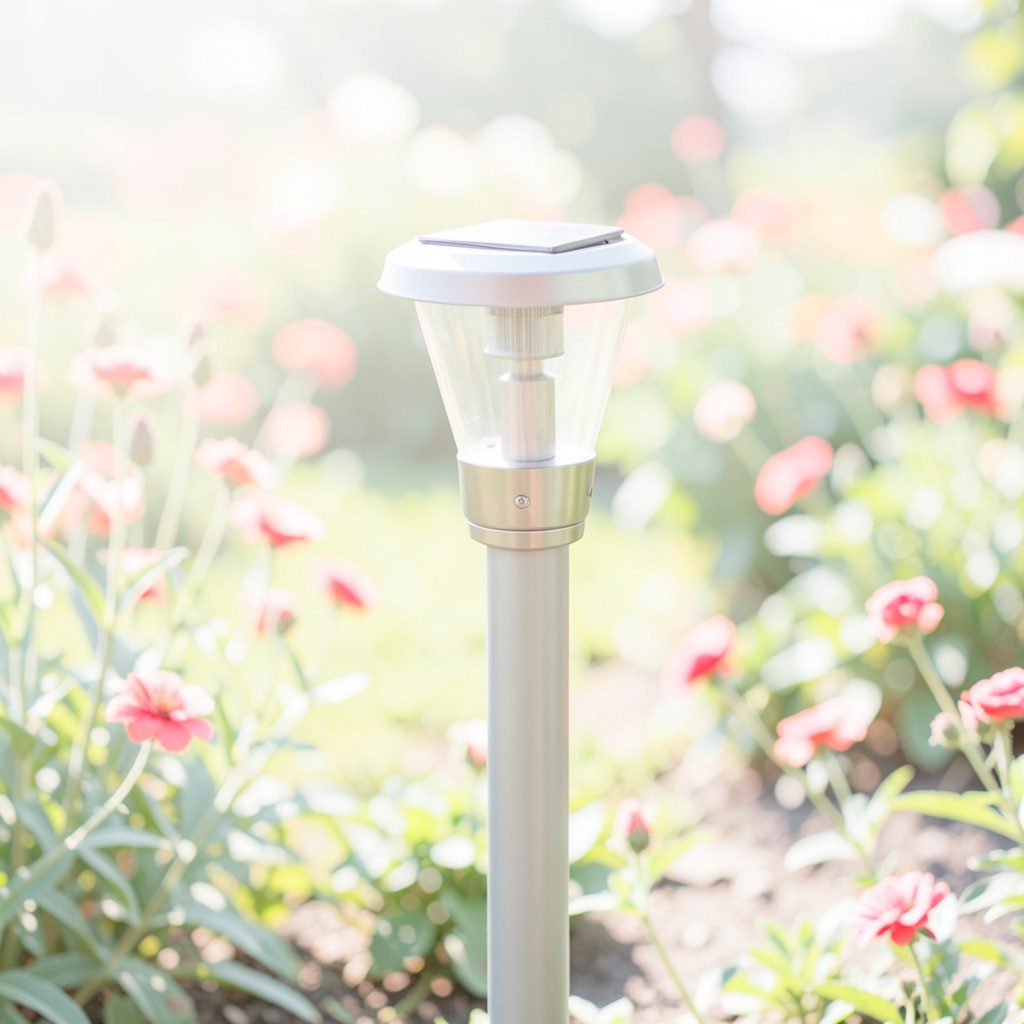
- InnoGear solar path light: A stake-style model works well along garden borders and driveways where mains cables are impractical. Give the solar panel several hours of unobstructed sun and check the stated runtime before setting the spacing.
- LED bollard with dusk operation: Fixed bollards create a clear route through lawns and beside steps. Select a shielded, warm-white output and secure the base firmly in soil that may soften after rain.
- PIR security floodlight: Use an adjustable unit at a side gate or rear entrance. Test the sensitivity and detection arc outdoors, and choose a wide beam that lights the approach rather than a narrow spot over one door.
- Solar wall lantern: Post-mounted fixtures suit fences, carports, and rural gates without exposed wiring. Look for a replaceable battery and an IP65 enclosure if the location is fully exposed.
- Dusk-to-dawn step marker: Small recessed or surface-mounted LEDs improve stair visibility without flooding a patio. Position each marker so the beam lands on the tread, not in the eyes of someone descending.
The best choice is rarely the fixture with the highest rating. Match the light’s coverage and power source to the space, then verify the sensor, weather rating, and installation needs before ordering multiple units.
Build a dependable night-time scheme
Start with the main route from the street to the front door, then cover steps, gates, and other hazards with lower-level light. Test each fitting at dusk and again after midnight; trees, eaves, and reflective walls can change when the photocell actually triggers. A quick adjustment during testing is easier than adding brighter hardware that creates glare.
Seasonal conditions matter too. A solar fixture selected for a sunny Perth yard may need more runtime in cloudy Melbourne weather, and coastal properties need careful corrosion checks. The practical takeaway is to prioritise a reliable photocell and suitable ingress rating for essential lighting, then use solar convenience or PIR control where the location benefits from them. Choose one well-matched fixture for the main route, test it after dark, and only then expand the scheme.