Featured Topics

LED bollard lights for walkway edging: what to look for
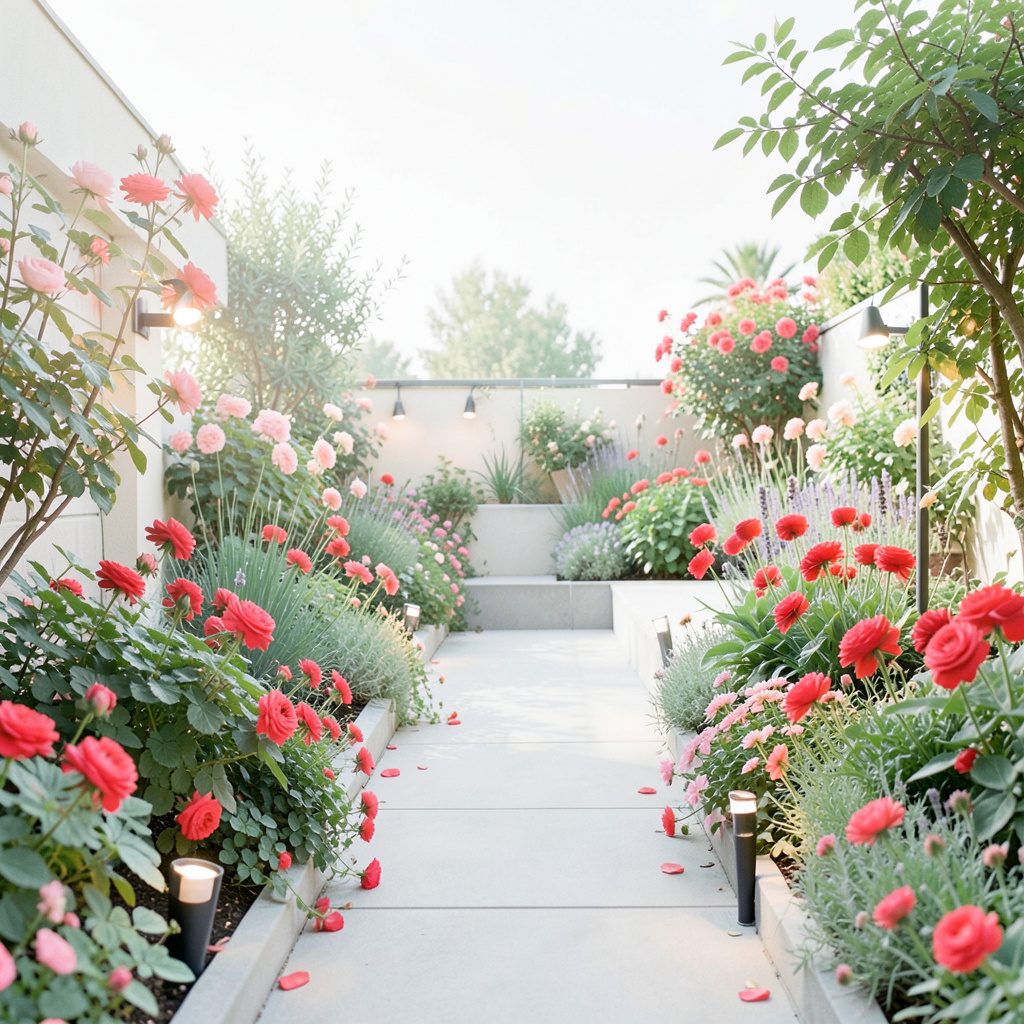
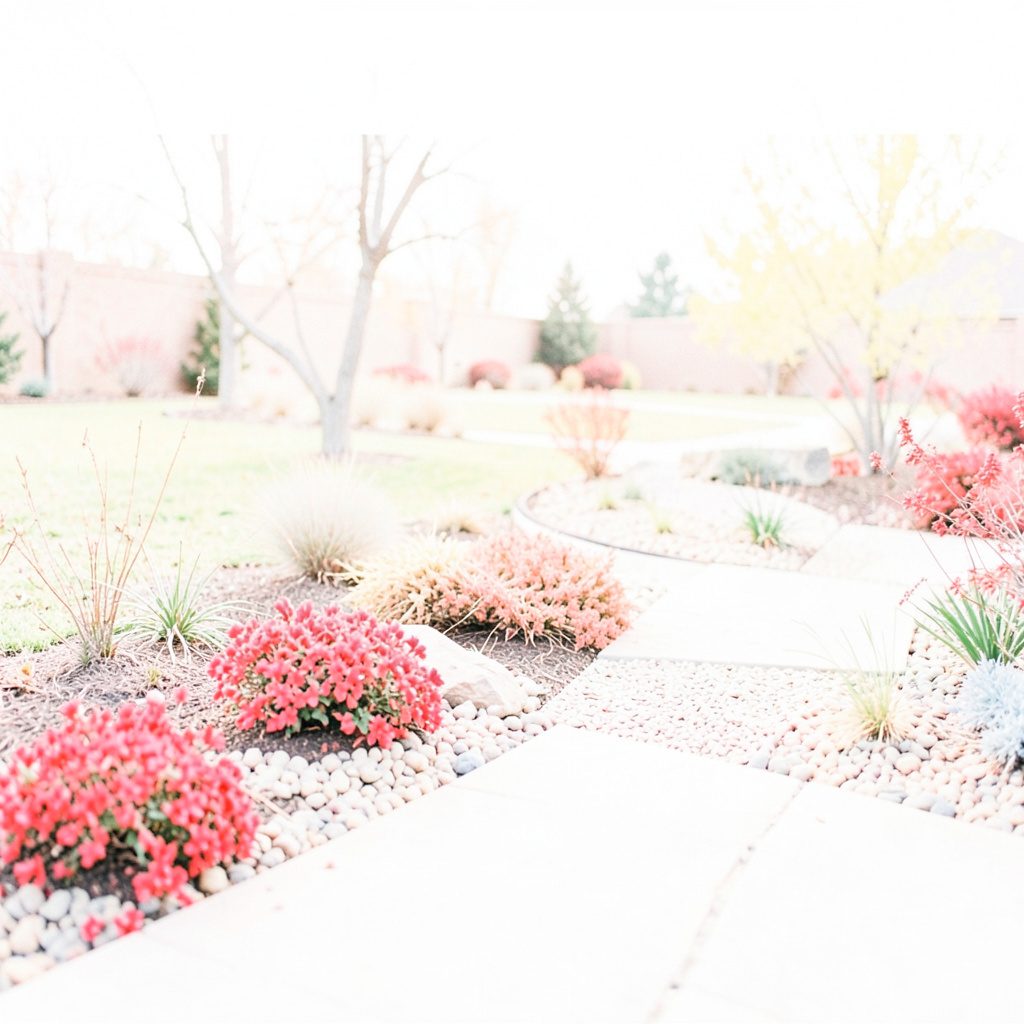
A front path often has more jobs than guiding people to the front door. It carries bin runs, deliveries, arriving guests and the short walk from a garage or carport after dark. Bollard lights can mark that route clearly without the visual weight of a floodlight shining across the whole garden.
Choosing outdoor LED bollards is less about finding the brightest fitting than about controlling glare and choosing a system that suits the site. The details that matter are light distribution, weather protection, controls, corrosion resistance and the maintenance the installation will realistically need.
What the light needs to do
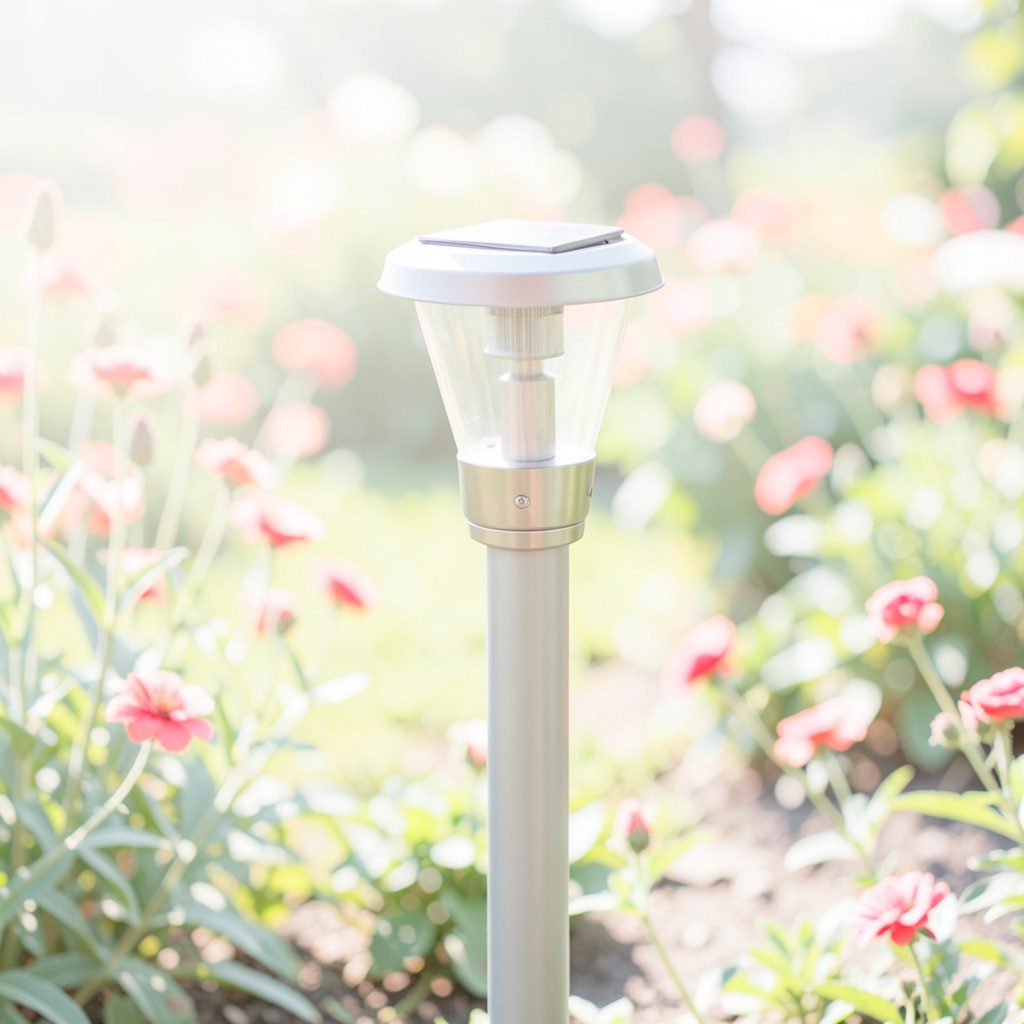
A bollard beside a walkway should produce a defined pool of light, not a hard, undifferentiated beam across the path. A hood or shield helps cut off glare at eye level, while a slightly downward beam keeps the brightest area near the edging and away from neighbouring windows.
Compare lumens and beam angle, not just wattage. Many useful path markers deliver roughly 100–250 lumens, but a wider path may justify more output if the optics remain controlled. A tall bollard does not automatically project farther; the lens, reflector and internal spacing determine how evenly the light lands.
The profile also affects the garden rather than just the path. Slim models suit narrow lawns and modern terraces, while square or cylindrical fittings can complement a traditional house. Browsing landscape lighting design examples helps establish the scale and finish that will look deliberate beside steps, planting beds and a driveway.
Powering the installation
Main-powered bollards suit locations with access to an outdoor socket or underground cable. Australian mains supply is 230 V, so the fitting, driver and connection must be compatible; a US 120 V model is not suitable for direct connection, and a plug adaptor does not solve a voltage mismatch. A licensed electrician should assess fixed wiring and any new circuit.
Low-voltage bollards use a separate 12 V or 24 V supply, which can simplify installation where long cable runs are needed and limit voltage drop. The transformer or driver still needs a cool, dry, accessible position, and the total load must stay within its rating. This approach gives flexibility, but the cable and connections still require correct sizing and suitable outdoor protection.
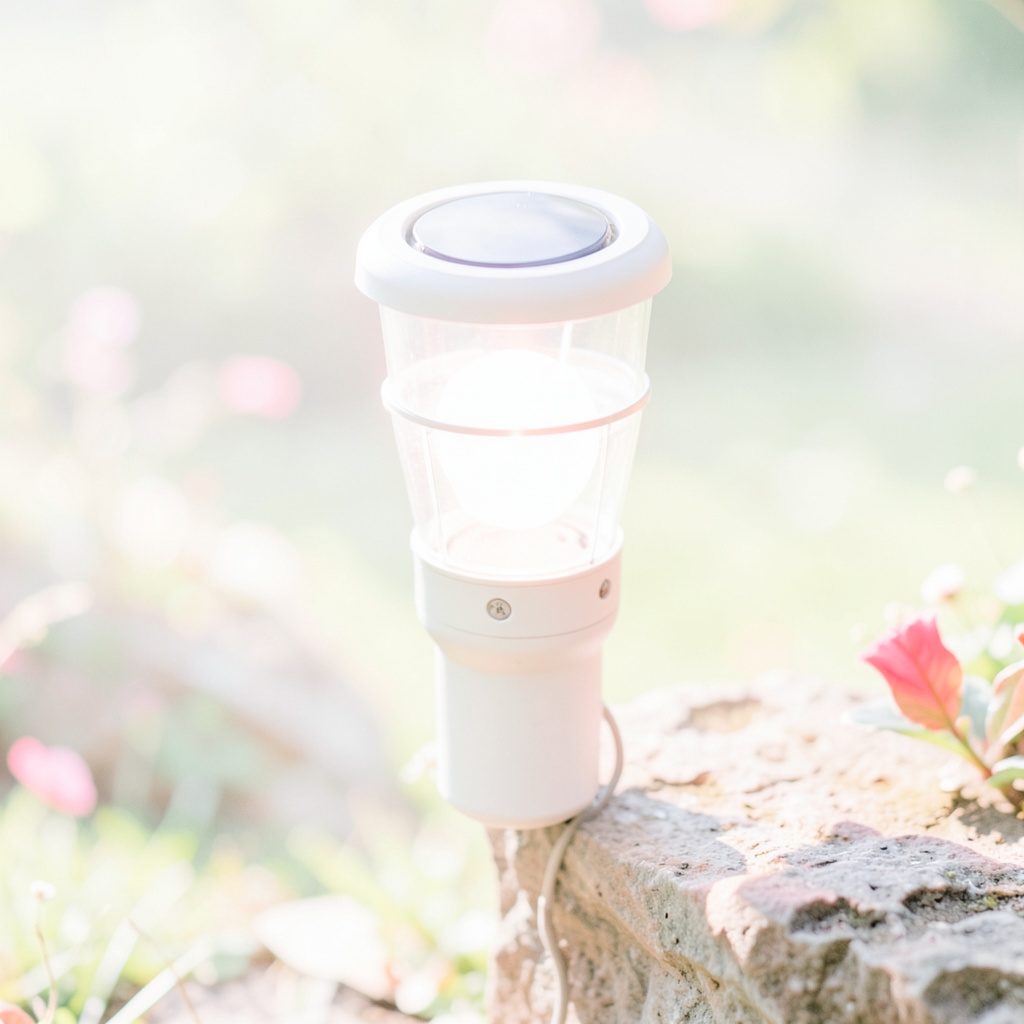
Solar bollards remove the buried cable and suit remote paths or rental gardens, although their performance depends on the panel’s position. In Australia, a panel generally faces north, but a Melbourne winter or a shaded Brisbane driveway can leave the battery undercharged. Check the stated cloudy-night performance, runtime and replaceable-battery options rather than relying on the quoted lamp lumens alone.
Protection, materials and fixing
An outdoor bollard needs a suitable ingress rating, not merely a weather-resistant label. IP65 is a sensible minimum for an exposed garden position because it protects against dust and water jets; IP66 offers more protection where splashing is frequent. The IP code does not cover ultraviolet degradation, corrosion or impact, so those details still need checking.
Coastal gardens around Sydney and Perth deserve particular attention to corrosion-resistant metal and sealed cable entries. Brisbane’s humidity and strong sun make ultraviolet-stable finishes sensible, while Melbourne’s cool, damp conditions can leave fittings exposed to condensation and winter rain. Powder-coated aluminium and 316 stainless steel are useful choices, provided the supplier specifies the grade rather than making vague stainless claims.
Fix the bollard firmly enough that it will not lean when the path is wet or the soil softens, and choose a height that suits the edging. Around 400–800 millimetres covers many residential applications, but a taller fitting needs a wider light spread to avoid a sequence of bright, isolated dots. Leave room for the mower and maintain a neat strip of grass beside the path; this mulching versus side discharge comparison explains how mower-deck choices affect that edge.
Colour, controls and placement
Warm white light around 2700K usually feels relaxed in a residential garden, while 3000K gives a cleaner path without the hard blue cast associated with some security lamps. High colour rendering is useful where house numbers, timber steps or painted surfaces need to remain easy to distinguish, although for a simple marker, beam control usually matters more than a high CRI specification.
A photocell that switches the lights on at dusk suits everyday path visibility. Motion sensors can save electricity in low-traffic areas, but their range and sensitivity need adjustment so that people, pets or passing cars do not repeatedly trigger the fitting. Timers, dimming and app control are useful additions, provided they do not leave the garden dark when a resident returns late.
Space bollards according to the beam pattern, then check the result on site at night. Spacing of roughly 1.5–3 metres often works for residential paths, but this is a starting point rather than a rule. For a stair nosing, retaining edge or narrow strip beside a wall, an outdoor lightstrip comparison may be more useful than forcing a bollard into the job.
A practical buying checklist
Australian shoppers can compare Bunnings ranges, specialist lighting stores and online marketplaces, but local stock and spare parts matter more than a familiar badge. Philips and InnoGear products are familiar in Australian retail searches, while Amazon Australia and overseas Home Depot listings can broaden the comparison. Specifications for an imported mains model, including plug type and supply voltage, should be checked against Australian requirements before purchase.
A short specification check covers the most common sources of disappointment:
- Set the lighting goal first. Choose a downward-facing, shielded beam for path markers rather than a fitting intended to flood a whole garden.
- Match output to the path. Around 100–250 lumens suits many residential markers; wider paths need more light only when glare remains controlled.
- Check protection and material. Look for at least IP65, UV-stable finishes and a clearly stated corrosion-resistant metal grade.
- Select the appropriate power source. Compare mains, low-voltage and solar options by installation difficulty, runtime and battery servicing rather than by convenience alone.
- Plan controls and spacing. Test sensor range, consider operating hours and allow each beam to meet the next without leaving a dark gap.
- Confirm serviceability. Prefer accessible fittings, replaceable components and clear warranty terms, including availability of lamps, drivers or batteries.
For mains-powered equipment, ask the supplier to confirm compliance with applicable Australian electrical safety and electromagnetic-compatibility requirements, including the Regulatory Compliance Mark where it applies. Solar and battery lights also need suitable safety documentation. A licensed electrician should handle hardwired work, while apartment residents may need approval from their body corporate or owners corporation. Anyone working near a public footpath may also need to check council or utility requirements.
A choice that works night after night
The best value is rarely the cheapest fitting or the one with the highest specification on the box. A modest-lumen LED bollard with a controlled downward beam, a suitable IP rating and a dependable power supply will usually serve a walkway better than an elaborate fitting that glares, rusts or runs flat.
Solar suits sites without practical cable access, low-voltage systems suit landscaped areas where a protected driver can be installed, and mains lighting remains reliable where wiring can be professionally installed. For most Australian paths, the most dependable result comes from restrained brightness, weather-appropriate materials and spacing that keeps the route clear.