Featured Topics
Philips Hue Outdoor Lightstrip Vs InnoGear Strip
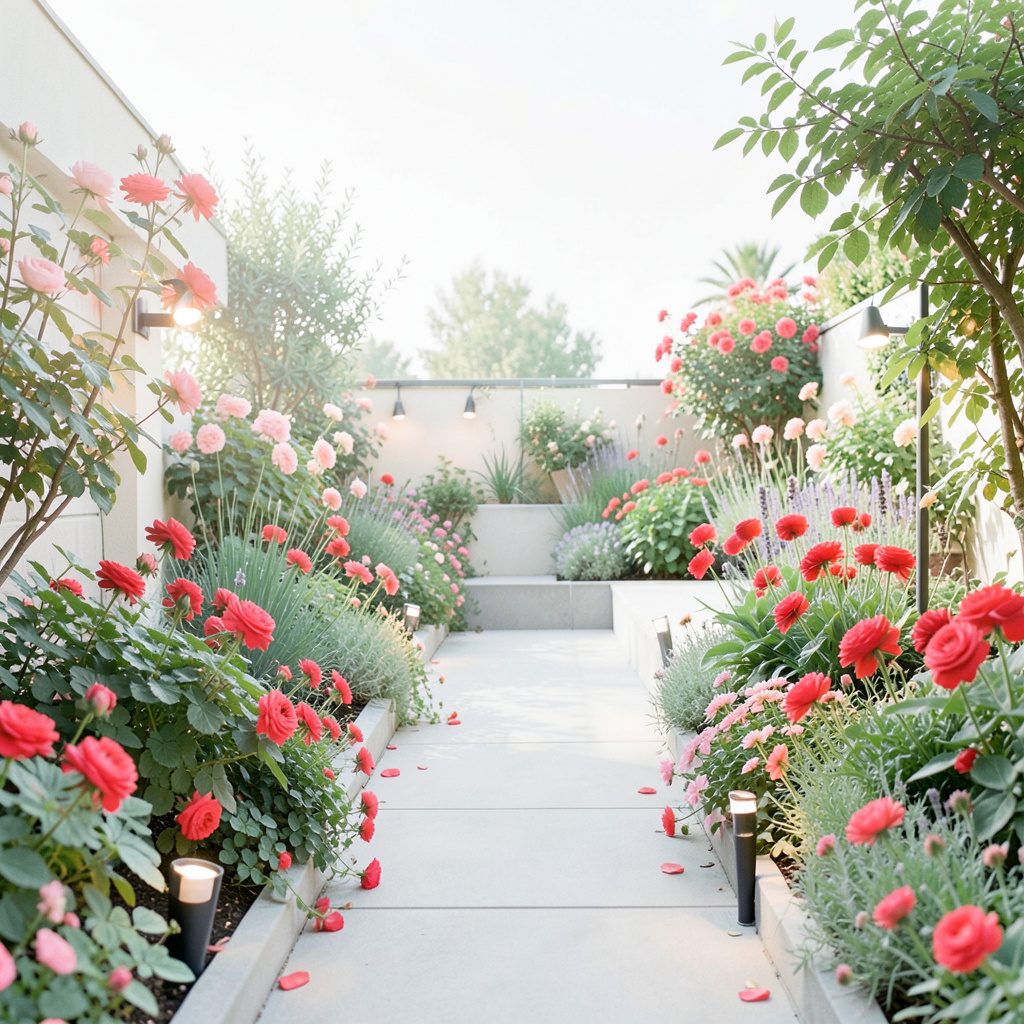
Outdoor LED strip lighting can change the character of a garden after sunset. A soft line beneath a bench, along a terrace edge or behind a planter adds depth without the glare of a floodlight. Philips Hue and InnoGear approach that job from different directions: Hue is a connected lighting system, while InnoGear generally focuses on affordable, easy-to-install outdoor illumination.
For Australian households, the best choice depends on more than brightness. A balcony in Sydney, a shaded courtyard in Melbourne and a large entertaining area in Brisbane will place different demands on weather resistance, cable length and power. The local availability of replacement parts, suitable adapters and compliant electrical products also matters.
Philips Hue Outdoor Lightstrip is designed for homeowners who value colour control, routines and integration with smart-home platforms. InnoGear outdoor strip lights are often aimed at buyers who want decorative lighting with less setup and a lower initial cost. Since InnoGear sells several outdoor lighting formats, including solar and USB-powered options, specifications should always be checked against the exact listing.
Both products can work well in a modern garden, but they are not direct equivalents in every configuration. One is usually purchased as part of a wider lighting ecosystem; the other is commonly selected as a standalone accent. Understanding that distinction makes the comparison more useful than judging either strip by price alone.
Design, Brightness And Light Quality
Philips Hue is known for smooth colour transitions, adjustable white tones and a broad colour palette. The Outdoor Lightstrip can create a polished glow around decking, retaining walls or outdoor seating, particularly when the strip is hidden from direct view. Its continuous appearance is more refined than a string of widely spaced individual bulbs.
InnoGear models vary considerably. Some provide fixed warm or cool white light, while others offer colour modes, remote control, motion sensing or solar charging. The light can be perfectly suitable for a pathway border or balcony railing, yet the finish may look less uniform if the LEDs are exposed. A diffuser channel can improve the appearance of either brand and reduce visible points of light.
Brightness should be assessed in lumens and in the intended position, rather than by marketing language such as “super bright”. Accent lighting around a patio does not need the same output as a security fitting. Philips usually delivers more predictable colour and dimming behaviour, whereas InnoGear may offer better value for simple decorative effects.
A warm white setting around 2700K to 3000K tends to suit timber decking and planting. Cooler light can make pale paving feel crisp, although excessive blue-white output may look harsh and attract more attention to nearby walls, windows and insects.
Installation And Outdoor Durability
A Hue installation generally requires more planning. Depending on the system, the strip connects to an outdoor power supply and may communicate through Bluetooth or a Hue Bridge. The Bridge is useful for larger homes, schedules and integrations, but it adds cost and another device to configure. Cable routes should be planned before fixing clips or adhesive, especially where the strip crosses masonry or garden beds.
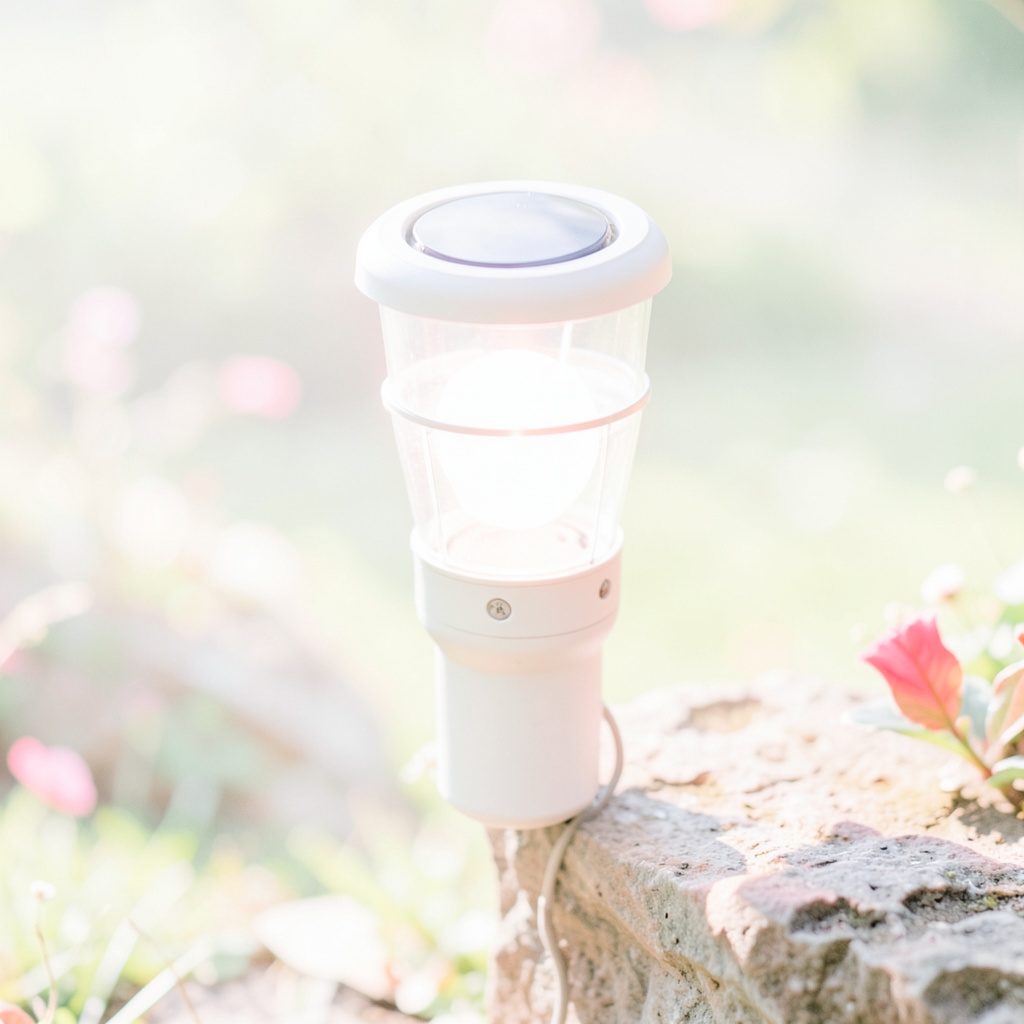
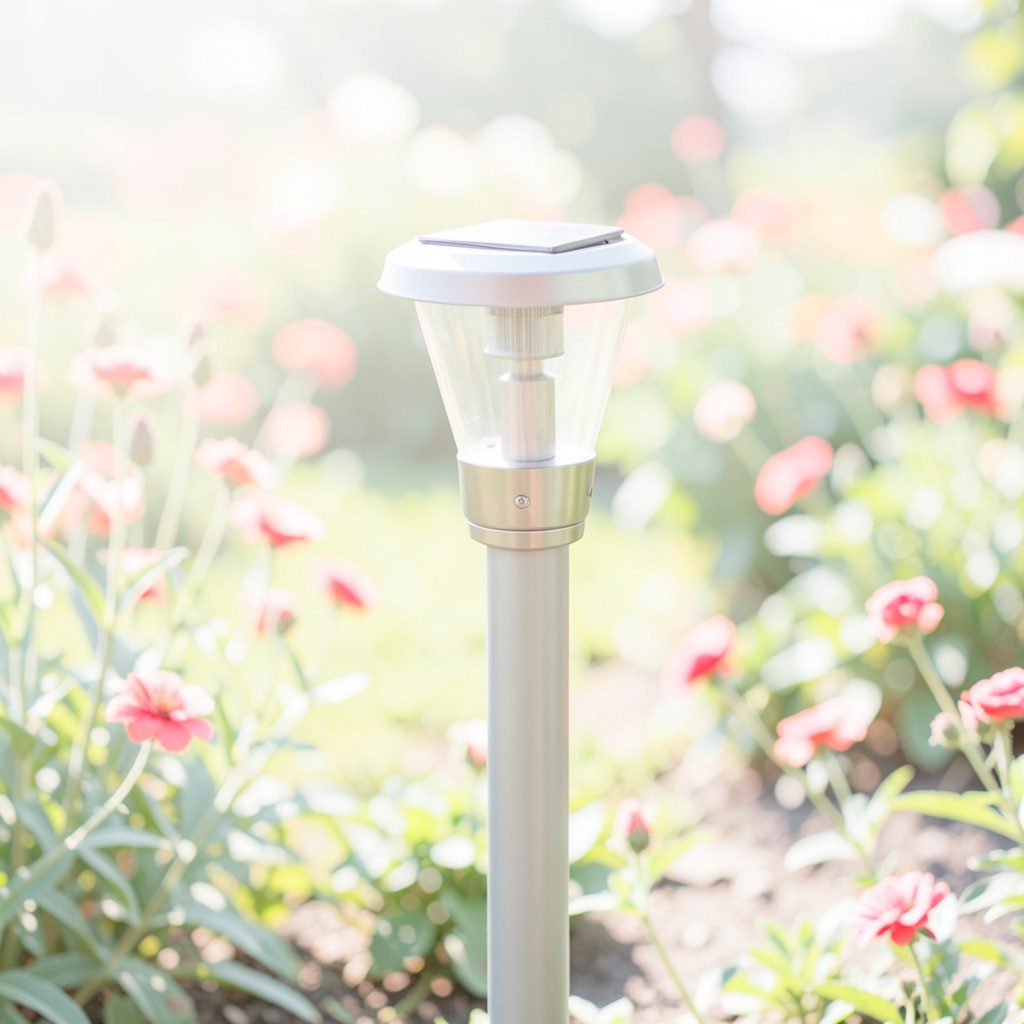
InnoGear is often easier for renters and casual projects. Solar versions avoid a permanent mains connection and can be positioned beside paths, fences or raised beds where sunlight reaches the panel. USB or plug-in versions can be convenient near an existing sheltered socket. Their limitations may include shorter operating times in winter, inconsistent charging in shaded courtyards and less reliable adhesive in heat.
Australian conditions make ingress protection important. An IP rating indicates resistance to dust and water, but it does not make every component suitable for immersion, sprinklers or permanent exposure. Brisbane humidity and summer storms can test seals, while coastal air around Perth, Adelaide or Sydney can accelerate corrosion on low-grade connectors. Mount the power supply in the position specified by the manufacturer, not inside a sealed box where heat can build up.
For permanent mains-powered work, use products carrying the required Australian compliance marking, commonly the Regulatory Compliance Mark, and have fixed wiring handled by a licensed electrician. Australian electrical rules are stricter than a casual outdoor DIY approach suggests. A weatherproof double adapter is not a substitute for safe cable protection or correct installation.
Smart Controls And Everyday Use
Hue’s strongest advantage is control. Users can schedule lights for sunset, create scenes for entertaining, dim the strip from a phone and connect it with compatible smart-home platforms. A homeowner in Melbourne can set a gentle evening routine during long winter nights, then reduce the schedule in summer. Motion or presence-based automation can also keep decorative lighting from running all night.
InnoGear usually wins through simplicity. Remote controls and built-in modes are easier to understand when the aim is to illuminate a small pergola or garden feature without building a connected lighting network. Solar units can turn on automatically at dusk, which suits pathways and front gardens where a phone app would add little value.
Network dependence is worth considering. Hue offers a deeper feature set but brings pairing, firmware updates and possible Wi-Fi or Bridge troubleshooting. InnoGear has fewer smart features, yet a basic remote or dusk sensor can continue working when the household internet is down. Replacement remotes and proprietary controllers may be harder to find, so retaining the packaging and model number is sensible.
The difference is especially noticeable in Australian outdoor entertaining. A Sydney terrace used for weekend dinners may benefit from scenes that shift from bright task lighting to a low warm glow. A small suburban side path may need only dependable automatic illumination, making a simpler InnoGear solar strip the more practical purchase.
Cost, Retail Availability And Maintenance
Philips Hue carries a premium because its hardware, software and ecosystem are designed to work together. The initial purchase can include the strip, outdoor power supply, extension components and possibly a Bridge. Over time, the investment makes more sense when several Hue lamps are already installed and one app controls the garden, hallway and living areas.
InnoGear generally targets the budget end of the outdoor lighting market. It can be appealing for a first project, seasonal decoration or a rental property where drilling and cabling are limited. Amazon listings may offer a wide selection, while Australian shoppers often compare availability through local retailers and garden stores. Home Depot is not a standard Australian retail option, so overseas product pages should be checked carefully for voltage, shipping and warranty conditions.
Maintenance costs can narrow the price gap. A replaceable or accessible power supply, sturdy connectors and available spare parts are valuable when a garden light is exposed to sun, rain and lawn equipment. Before ordering, inspect warranty terms, return arrangements and whether the product is intended for Australian 230–240V supply.
Garden work around lighting also deserves care. Running strips beside a path or planting bed can involve compacted soil, roots and edging. A manual tiller comparison can help when preparing a narrow garden border without disturbing established plants more than necessary.
Choosing For Australian Conditions
The right strip depends on the location, the desired atmosphere and how much maintenance the owner accepts. These checks can narrow the options:
- Choose Philips Hue for richer colour control, scenes, dimming and smart-home integration.
- Choose InnoGear when a lower-cost accent light or simple solar installation is the priority.
- Check the exact IP rating, power method, cable length and temperature guidance before purchase.
- Confirm Australian compliance, plug type and voltage for any mains-powered product.
- Consider sunlight, salt air, heavy rain and access to replacement connectors.
A product that looks attractive online may still be unsuitable if the solar panel sits beneath a verandah or the power cable must cross a frequently used walkway. Measure the run first, allow for bends, and hide the strip behind a lip or diffuser so the light source is not visible from normal seating height.
For broader garden-planning ideas and outdoor design references, modern garden inspiration can help connect lighting with planting, paving and entertaining zones. The author’s background and approach also provide useful context when evaluating advice about home and garden projects.
Philips Hue is the stronger choice for a coordinated, long-term smart lighting system with polished colour effects. InnoGear is often the better fit for affordable, straightforward illumination, especially where solar operation or a small decorative project matters most. In either case, select the exact model by its Australian compliance, weather rating and installation requirements, then position the strip to create a soft, concealed glow rather than exposed glare.