
Featured Topics
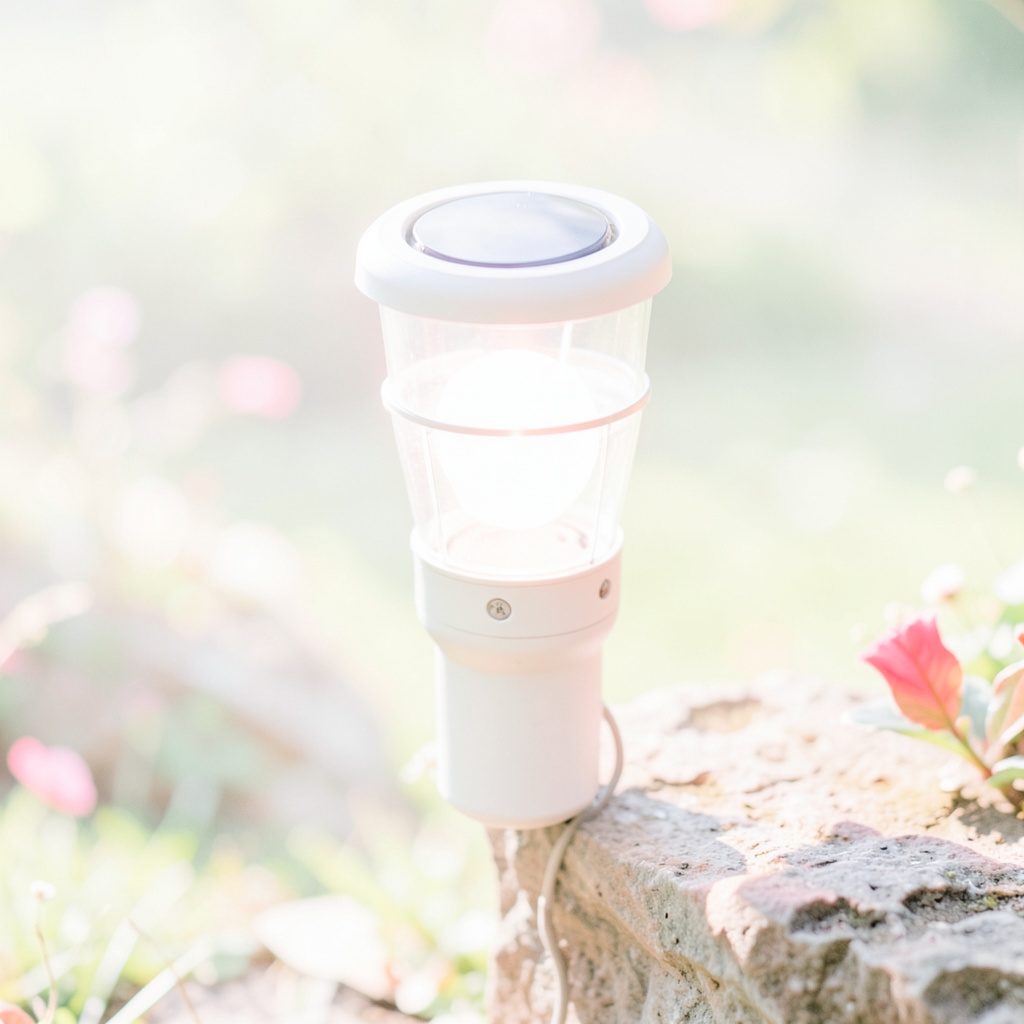
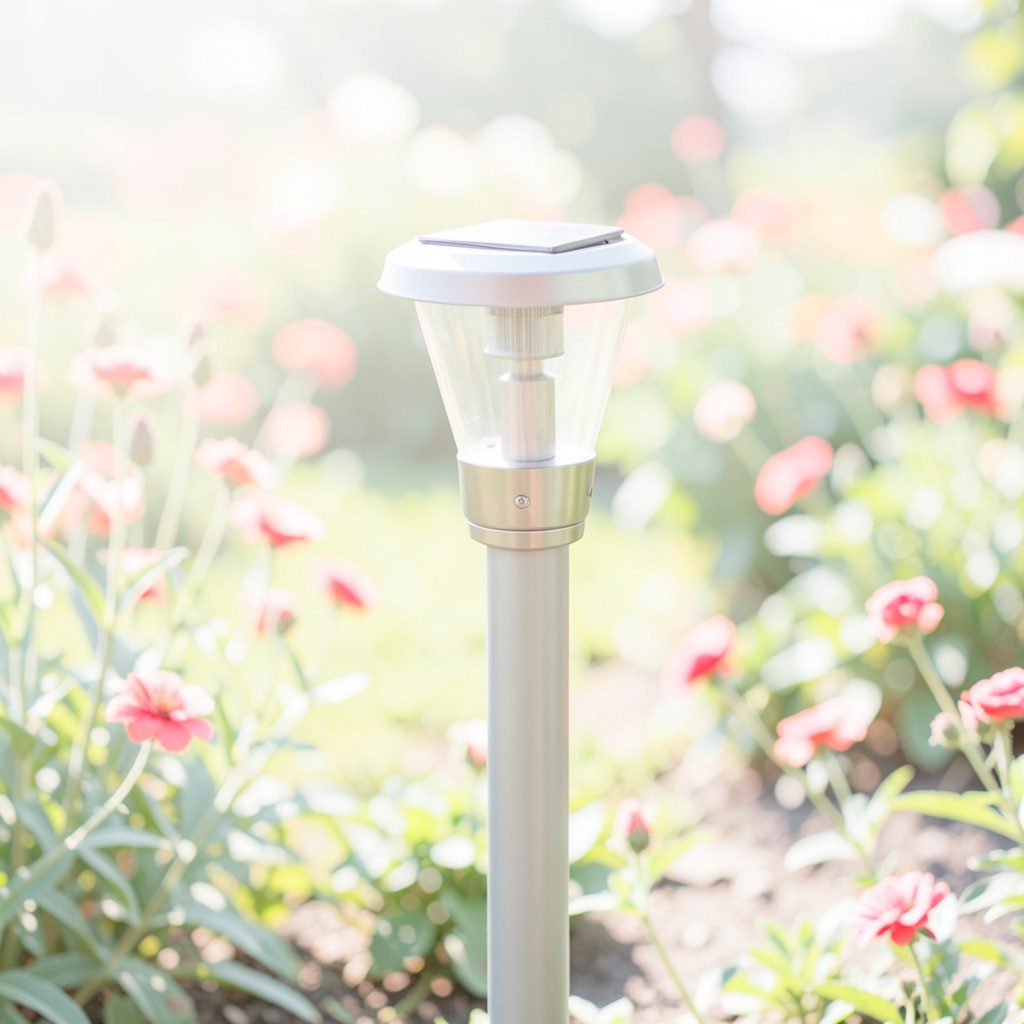


InnoGear solar disk lights for Australian gardens
Solar disk lights provide convenient illumination for paths, lawns, patios and garden edges without cables or mains electricity. Their compact profile suits modern landscapes, while integrated solar panels and LEDs keep installation simple. InnoGear solar disk lights combine this practical format with options for warm or cool light, automatic operation and motion sensing.
Their effectiveness depends heavily on placement. A fixture in open sun may run all night, while the same model beneath a tree canopy can stop after dusk. Australian conditions make that distinction important, from cloudy Melbourne winters to intense summer sunlight in Perth and sudden rain around Sydney.
A useful purchase considers more than appearance. Battery capacity, panel size, light output, sensor behaviour, water resistance and build quality determine whether a set will illuminate a path or become another decorative object. Specifications should also be compared carefully across Amazon Australia, Home Depot and other local retailers.
Charge, sensors and daily operation
Solar disk lights operate through a straightforward cycle. A photovoltaic panel charges a rechargeable battery during daylight, while a light sensor switches the LED on at dusk. The lamp then draws power from the stored charge until sunrise or until its automatic shut-off activates.
Panel position is as important as charging time. Direct, unobstructed sunlight produces a stronger charge than light filtered through leaves, eaves or dense shrubs. The panel may need regular wiping, since dust, pollen and bird droppings reduce performance. Soil moisture, irrigation spray and outdoor exposure also affect the stake and housing.
Advertised running hours usually come from controlled test conditions. Real performance varies with battery age, LED brightness, sensor mode and the number of previous nights of limited sunlight. Models offering several brightness settings or motion activation can conserve power, although their output may be less consistent in always-on mode.
Measuring useful LED output
Lumens indicate the total light emitted, but useful pathway illumination also depends on beam spread and glare. A bright lamp aimed directly across a path can create deep shadows behind planting, while a wider, lower-intensity beam may reveal edges more evenly. Comparing beam patterns is therefore more useful than relying on one brightness figure.
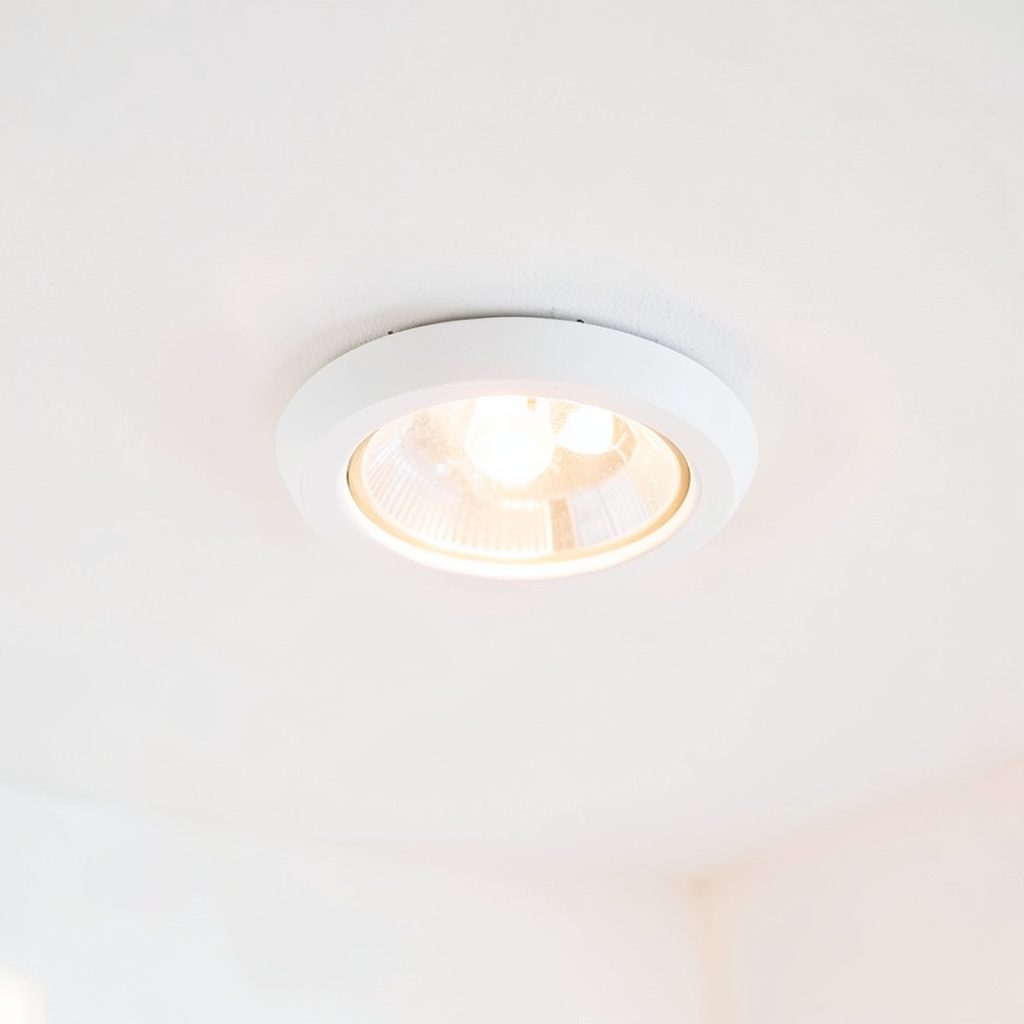
Colour temperature shapes the atmosphere of the garden. Warm white generally feels welcoming around timber, brick and dining terraces, while cooler white gives paths and security areas a crisper appearance. This warm-white LED comparison provides useful context for choosing between softer and more neutral tones.
Motion sensors can extend runtime by keeping the lamp dark until someone approaches. Detection distance and angle vary between models, and an incorrectly positioned sensor may miss pedestrians approaching from the side. Brightness controls, timer settings and remote-control options also differ, so the exact InnoGear listing should be checked before assuming two sets function identically.
Balancing form and landscape design
The low, circular form sits neatly beside paving, edging and low planting. It can disappear into a contemporary garden better than a tall bollard, particularly when finished in black or another dark colour. However, foliage can also hide the fixture completely, leaving only a small glow near ground level.
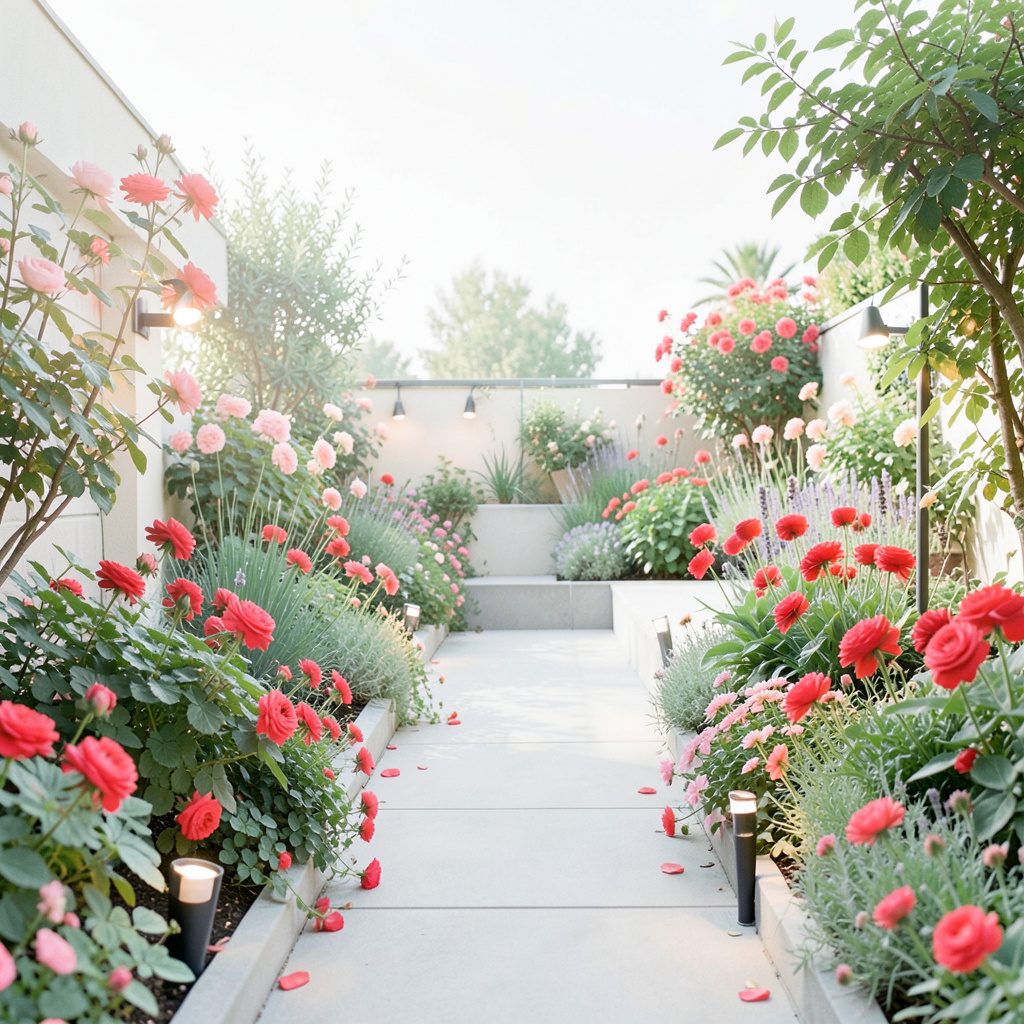
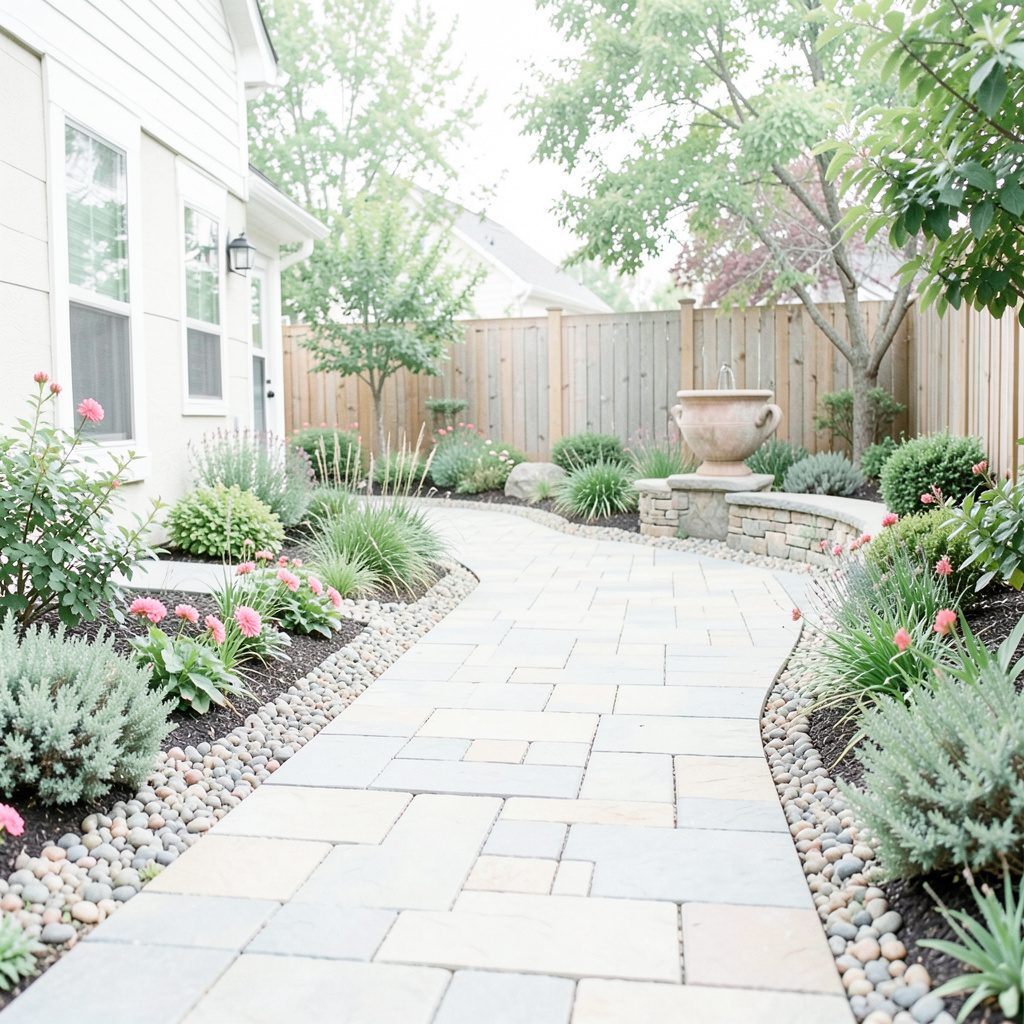
Scale and spacing should follow the route rather than a predetermined gap. Lights can be placed closer where stairs need emphasis and farther apart along an open drive. Their spacing should create overlapping pools of light without producing several sharply defined circles that make a modest garden look visually busy.
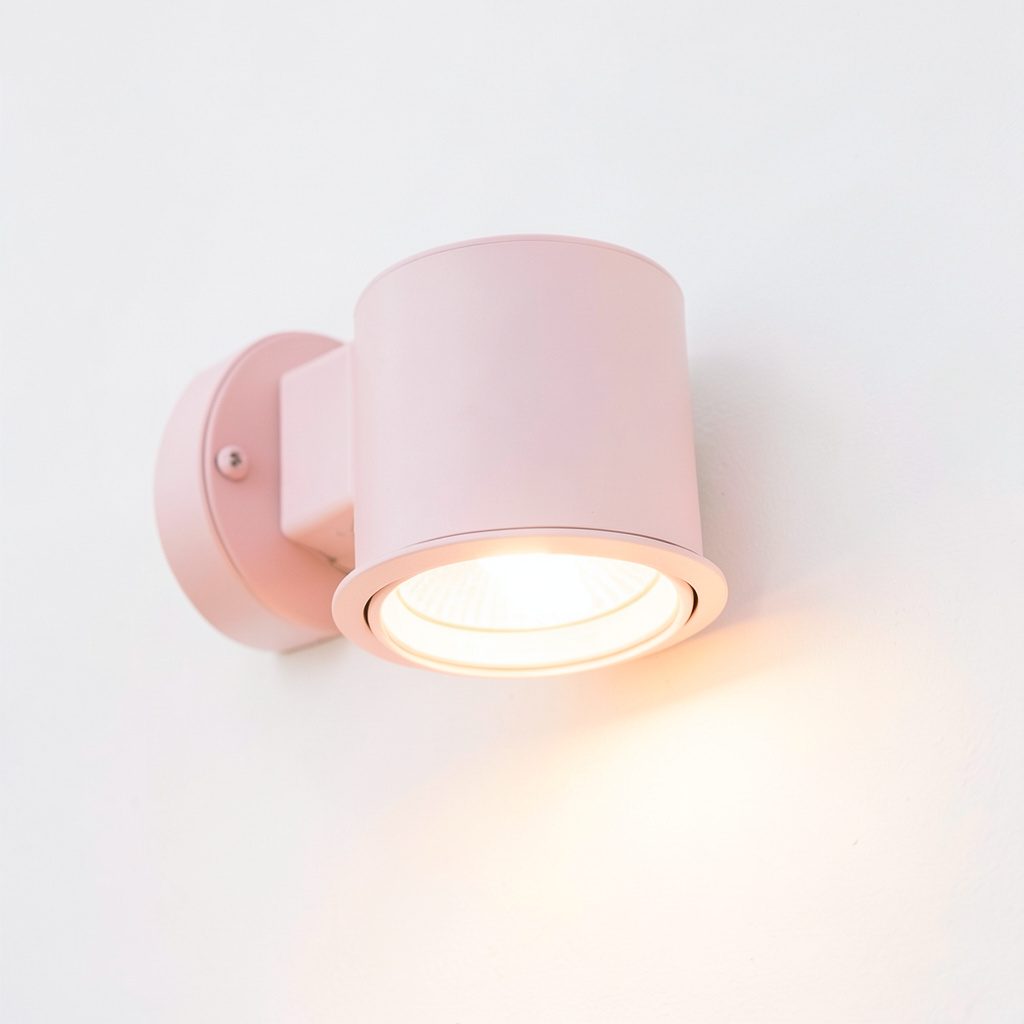
Disk lights also work best within a consistent lighting scheme. A curated garden lighting range helps reveal how solar disks can complement wall lights, bollards and low-voltage pathway fittings. Matching colour temperature and brightness across the landscape usually looks more deliberate than mixing several unrelated effects.
Placement across Australian conditions
Australian climates place different demands on outdoor fittings. Sydney gardens may face intense rain, humidity and summer ultraviolet exposure; Melbourne often experiences cool, cloudy periods; Brisbane combines heavy rainfall with bright sun; and Perth requires attention to heat and water conservation. The exact model and installation method must suit each location.
Coastal properties need extra attention to corrosion, salt and damp soil. Metal fittings, cable entries and stake joints should show signs of suitable outdoor construction, while the stated IP rating should be verified from the manufacturer rather than inferred from a weather-resistant description. Protective positioning beneath eaves can help, provided the panel still receives daylight.
Trees and dense canopies remain the most common charging problem. A decorative border may be ideal visually but poor electrically for a solar lamp. In dry areas, avoid constantly irrigated ground that could loosen the stake or cause water to collect around the housing. In southern regions, locate fixtures where they receive the longest possible winter charging window.
Comparing local listings and warranties
Amazon Australia and Home Depot offer convenient ways to compare solar pathway lights, but listings may mix manufacturers, model revisions and package sizes. Check the seller, warranty period, included batteries, stated lumen output and Australian-dollar price. A discounted set with fewer fixtures may offer less value than a higher-priced package with stronger specifications.
Search results can also drift into unrelated categories. A page of forex rating pages tells a shopper nothing about charging performance, ingress protection or LED quality, illustrating why the exact model number matters more than the position of a result. Product photographs should show the fixture, stake and panel clearly rather than relying on a generic stock image.
Under the Australian Consumer Law, goods must be of acceptable quality, match their descriptions and be reasonably fit for a disclosed purpose. If an alternative fixture uses mains power, check the relevant RCM compliance and state installation requirements. Low-voltage solar equipment should never be connected to mains through an improvised adaptor or modified fitting.
Low-glare light for safer evenings
Well-positioned disk lights improve awareness around gates, bins, driveways and back steps. They are especially useful during everyday evening routines, such as taking out rubbish, walking a dog or arriving home after dark. Motion activation can provide immediate light without keeping the entire pathway illuminated all night.
Glare should be managed by placing fixtures just outside the main walking line and angling them across the surface. Lights aimed into neighbouring windows can cause discomfort, while overly bright fixtures flatten shadows and make depth harder to judge. A visually busy slot demo page demonstrates how competing elements quickly distract from the main action, much like several mismatched light sources can overwhelm a small garden.
Security lighting should also account for the property’s layout. A path light may illuminate a gate, but it cannot replace suitable coverage at the front door or along a driveway. Consistent spacing gives people a clearer route through the landscape, while dark gaps between fixtures can create abrupt changes in visibility.
A measured selection routine
Begin by mapping the route after dark and noting where people actually walk. Identify shaded areas, exposed edges, steps and existing lights before choosing a quantity. Shortlist models using charging method, battery specification, lumen output, sensor range, IP rating and warranty rather than appearance alone.
Next, compare the shortlisted sets in their intended settings. A light suitable for a sunny lawn may not perform beneath a veranda, while a darker fixture may disappear against pale paving. Review local return policies as well, since a single test unit can reveal beam shape and mounting stability more accurately than product specifications.
A useful final test is to place one shortlisted unit at the first difficult point on the route, allow it a full charge and mark its beam boundary before ordering the remaining lights.