Featured Topics

How to Light a Dark Corner of the Garden with Spotlights
A dark corner in an Australian backyard can feel much larger after dark. Planting beside a paling fence, a side passage or the far end of a patio often hides path edges and low branches. The aim is to make those areas readable without turning the garden into a floodlit sports oval.
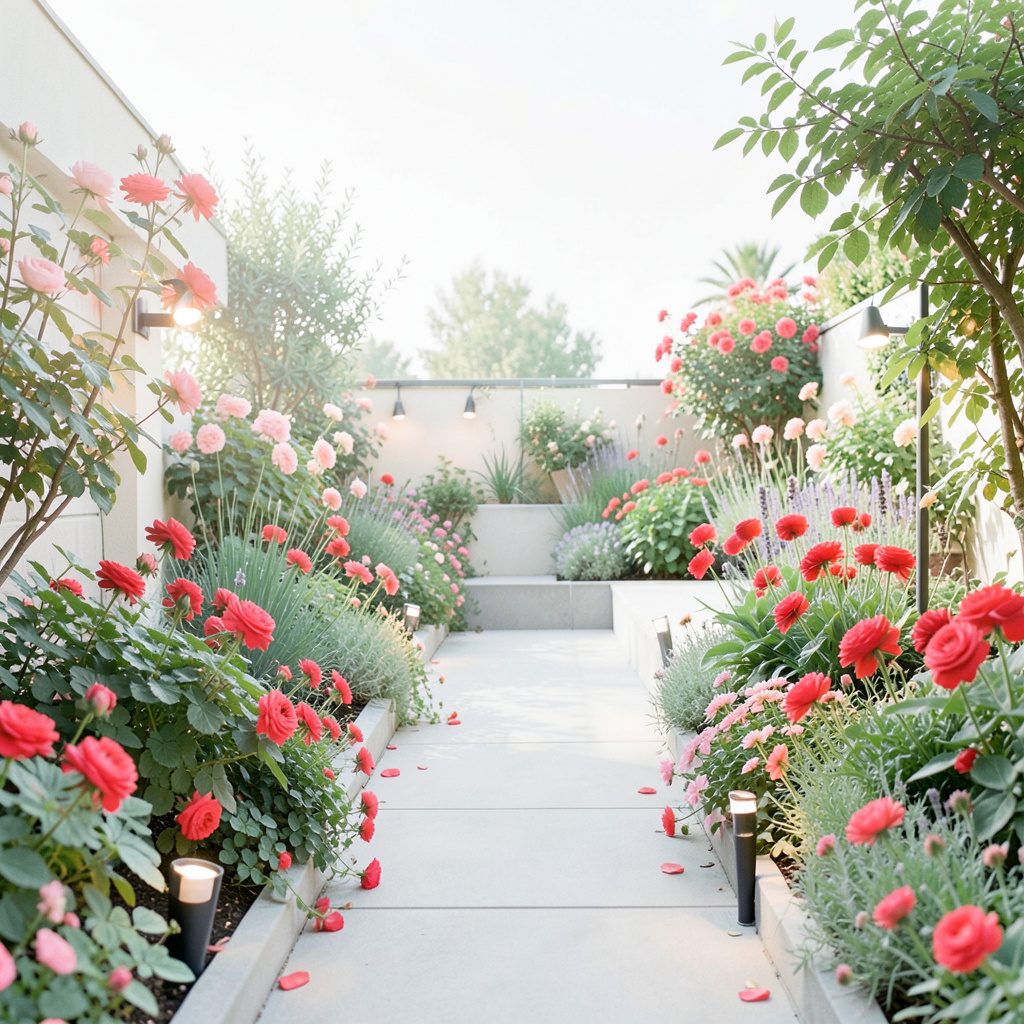
Lighting a dark corner of the garden with spotlights works best when every beam has a job: reveal a path edge, pick out a tree trunk, lift the face of a wall or make a gate easy to find. Begin with the view from the house, rather than the headline lumen figure on a product page.
Modern LED fittings make this approach affordable, while solar and rechargeable options can avoid new cable runs. The decisions that matter are beam angle, placement, weather resistance and behaviour after sunset, including how the lights switch on and how long they last.
Find the dark patch and set the aim
Walk the area after dusk and mark where the ground stops reading clearly. Check the view from the patio doorway, the route to the bin and any gate beside dense shrubs. Fix a hidden step or low branch first; decorative light elsewhere can leave the real hazard untouched.
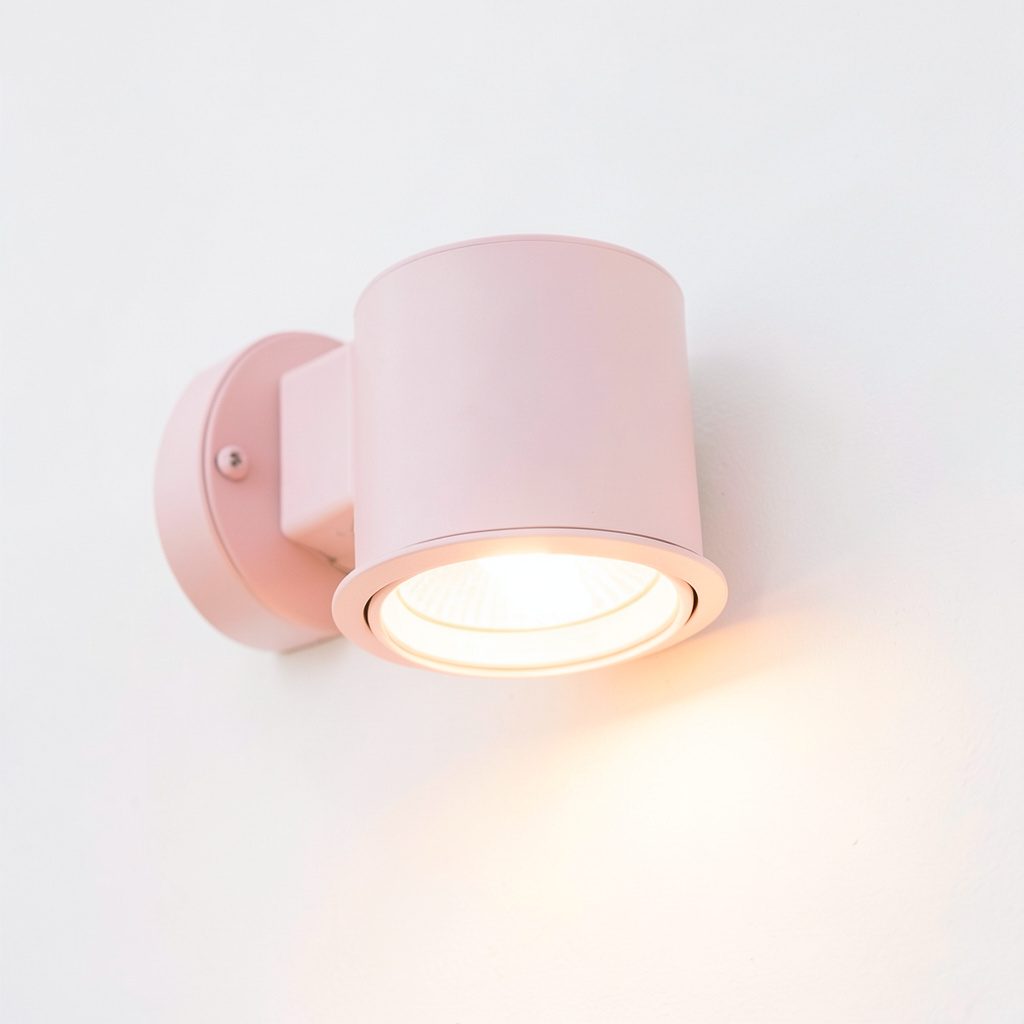
Set each target before choosing a fitting. A narrow beam can pick out a trunk, wall feature or signpost, while a wider beam creates a usable pool on paving. Aim across or downwards rather than into a neighbour’s windows, and avoid positions where the lamp itself is visible from the main seating area.
For a wider perspective, outdoor lighting for security is useful when balancing visibility with glare. Properly aimed light can expose an approach and assist security cameras, whereas a glaring floodlight can illuminate the house while leaving everything beneath it in shadow.
Compare solar, battery and mains spotlights
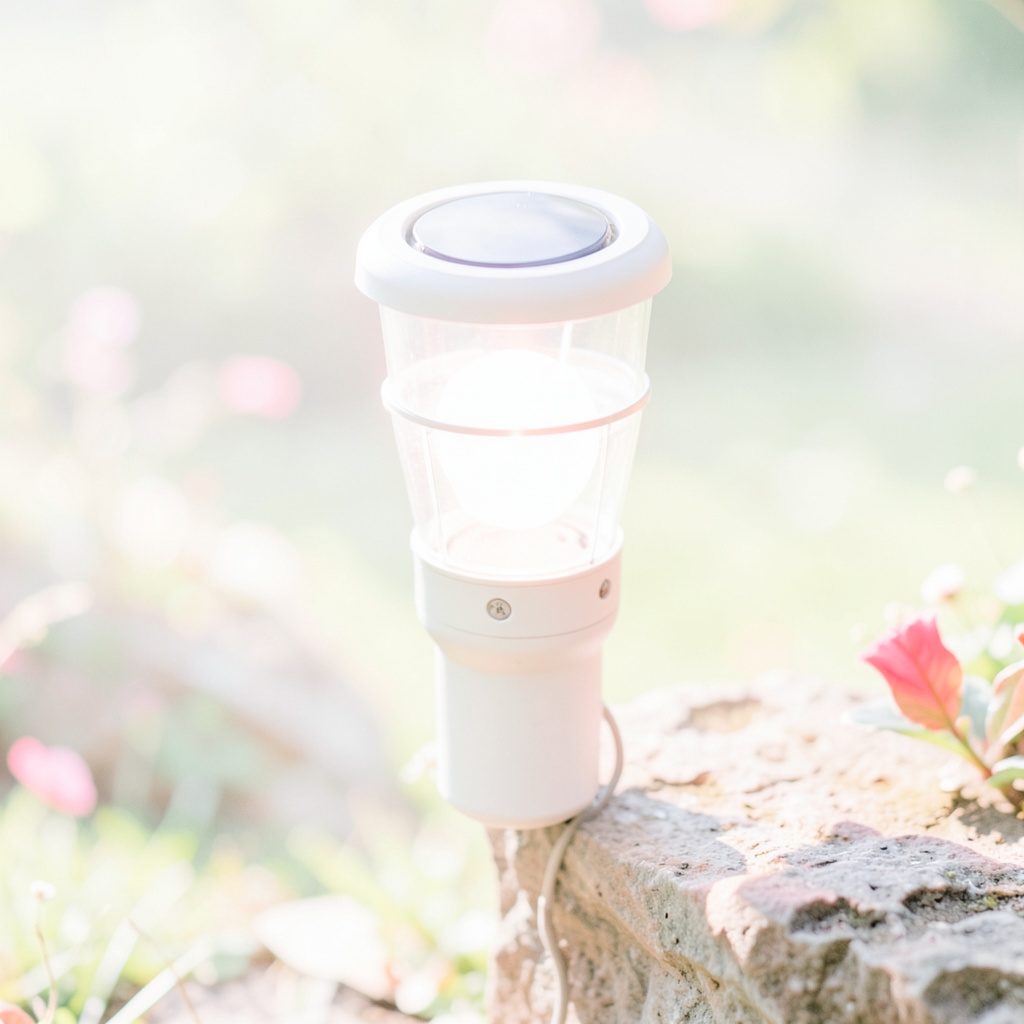
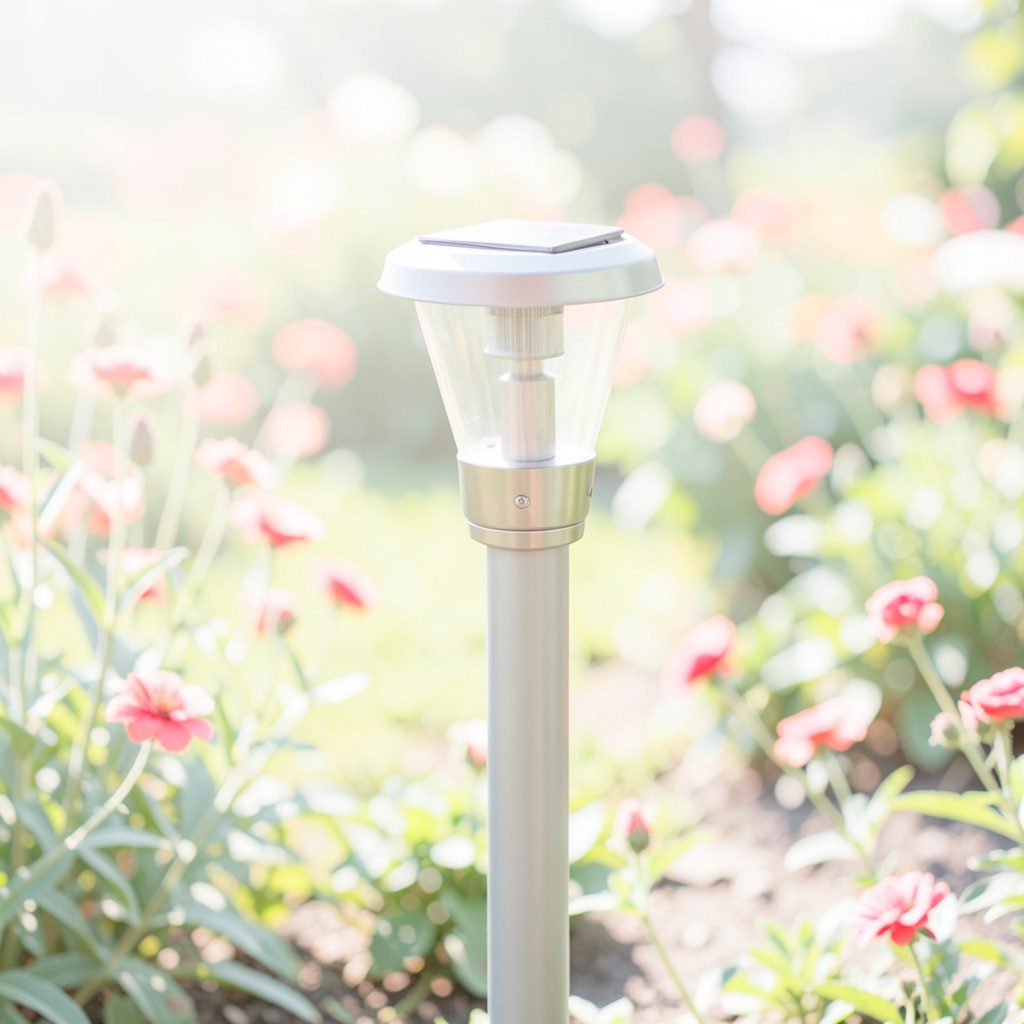
Solar LED spotlights suit an isolated corner because a panel and battery remove the need to trench across a lawn. Place the panel where it receives several hours of direct sun and keep it clear of foliage. A panel in the shadow of a fence may produce little light even when the fitting itself appears weatherproof.
Battery-powered and low-voltage spotlights offer other practical options. A rechargeable unit is easy to move while testing, while a wired system provides dependable output and predictable controls. Compare outdoor ranges from Philips and InnoGear by beam angle, colour temperature and weather rating rather than wattage alone.
The same controlled-pool approach appears in garden feature lighting, which offers a useful comparison when choosing accent lights. For either route, check the illumination after full darkness, the battery runtime and whether the switch is manual, timed or sensor-controlled.
Place beams for visibility without glare
For landscape lighting, start with one or two well-positioned fittings instead of covering the entire yard. Mount them high enough to reduce confusion about depth, then angle the beam down so its brightest part lands on the path, foliage or a textured wall. Avoid placing a bare lamp at eye level where people walk.
Overlap the pools slightly where a walkway changes direction. Warm-white LEDs around 2700–3000K usually sit comfortably beside timber decks, brick walls and native plants. Consistent colour across solar, mains and battery fittings also makes separate lights look like one planned scheme.
Browsing garden lighting ideas can reveal how beam placement and colour tie several lights together. Judge the effect from different positions, including the house windows, because the garden may be used from indoors as well as from the patio after dinner.
Design for Australian weather and power
Australian conditions narrow the choices quickly. The south-facing side of many Aussie homes receives limited afternoon sun, so a solar panel needs an open northern aspect. In Perth’s dry heat and Brisbane’s humid summers, look for UV-stable housings and at least IP65 weather protection; fittings fully exposed to the elements benefit from IP67.
Melbourne’s cool, damp winters bring different concerns, including condensation, moss and water around fittings and cable entries. Check the rating for the complete assembly, including connectors, and keep electrical joints above paving where water collects. Leaves from eucalypts and nearby deciduous trees can also block sensors and reduce a solar panel’s output.
Australian mains power runs at 230 volts, and imported lights may not use the familiar Australian plug. A licensed electrician should handle any hardwired outdoor circuit under Australian wiring rules, with RCD protection where required. Low-voltage installations still need outdoor-rated cable and a suitable outdoor transformer.
Shopping here involves a mixed market. Bunnings and Mitre 10 make it convenient to check locally stocked ranges, while Amazon and Home Depot listings can provide useful price comparisons. Current outdoor lighting comparisons can help narrow the specifications, but check Australian stock, warranty, voltage and delivery costs before buying an unfamiliar imported fitting.
Use a practical lighting checklist
Choose the light by its coverage and controls. One well-aimed fitting may handle the problem area, while a second lower-output light can fill an awkward angle without adding another bright lens to the view. Measure the distance to the target first; it makes comparisons between brands much more meaningful.
Use this checklist when assessing your options:
- Choose warm-white LEDs, usually 2700–3000K, and compare beam angle and useful lumens rather than wattage alone.
- Match exposed fittings to IP65 or IP67, including sealed cable entries and connectors.
- Check solar runtime through a winter night, panel orientation and battery replaceability.
- Allow for licensed electrical work if hardwiring, or specify outdoor-rated low-voltage cable and a suitable transformer.
- Set timers or motion sensors to cover the approach without shining into neighbouring windows.
A good shortlist should explain where each fitting will go and why it is needed. If two products perform the same job, choose the one with the clearer beam specification, simpler controls and a warranty that suits an Australian backyard.
Once the target is clear, test it with a temporary light before committing to several fittings. View it from the house, the path and the seating area, then adjust the aim after full darkness. This trial often reveals that one carefully placed beam is enough, or that a second light needs a different angle.
The first concrete step is a dusk walk-through with a phone note for each problem area, including the viewing angle and available power; those three details determine the most suitable spotlight and where it should go.