Featured Topics

How to fix common solar light problems
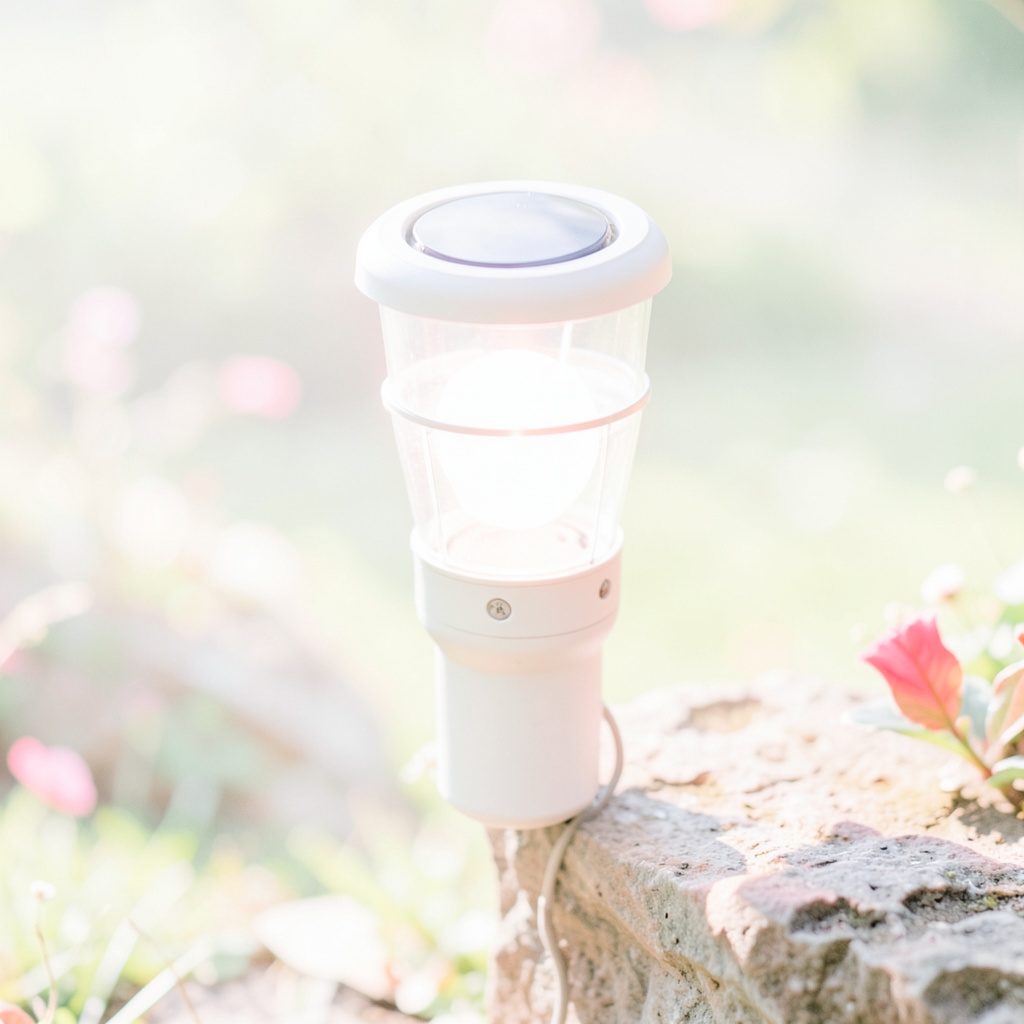
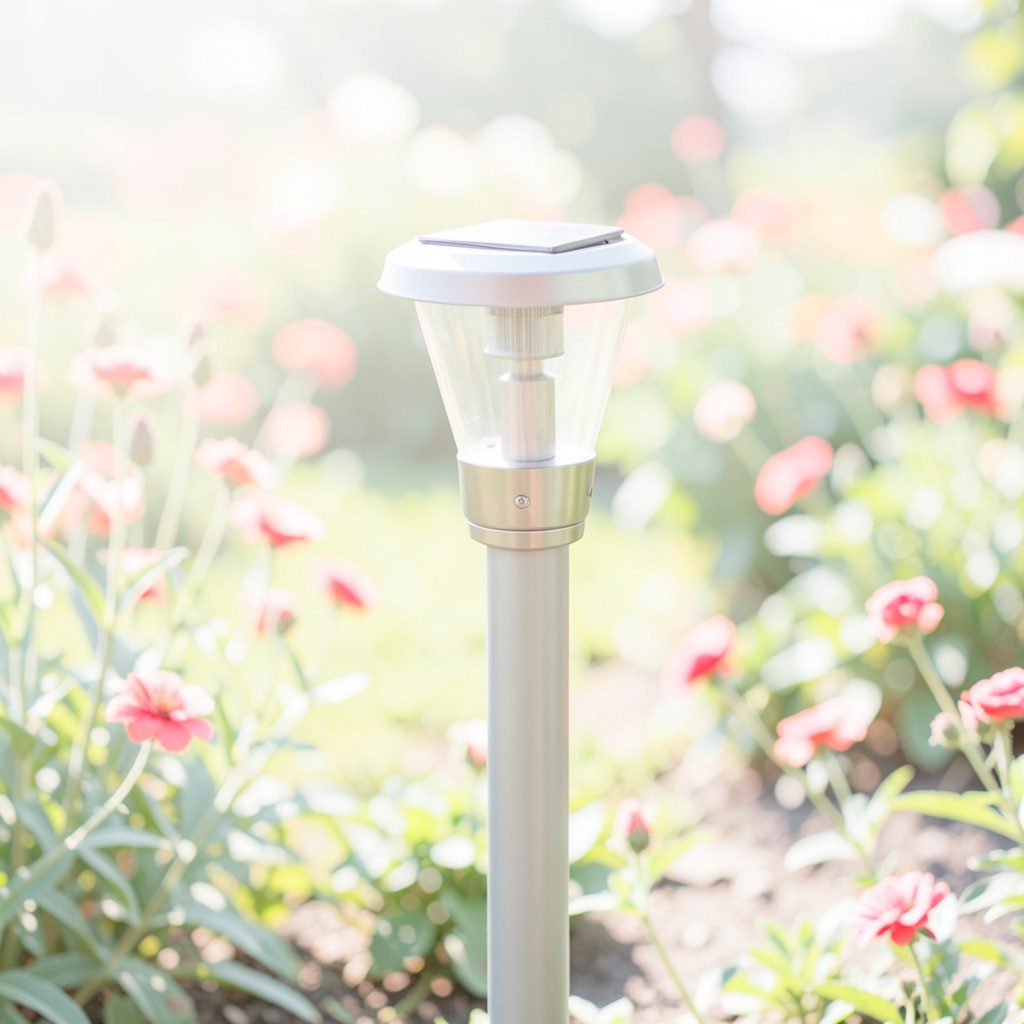
Solar garden lights combine a small photovoltaic panel, rechargeable battery, LED and dusk sensor. Common solar light problems usually begin in one of four places: the switch, solar panel, battery or sensor. A battery that fails to charge leaves the lamp dark, while a fading LED or lens can make a safe path feel gloomy. Repairing the correct component is usually quicker and cheaper than replacing the whole set.
Start by separating a charging problem from a lighting problem. A light that stays on during the day may have a failed sensor, while one that remains dark after a sunny day may need panel cleaning, a new battery or a wiring repair. Fading can come from ultraviolet damage, heat, corrosion or an ageing LED module.
Australian conditions make diagnosis especially useful. Queensland’s strong UV can yellow polycarbonate, Melbourne’s cloudy winters can leave panels undercharged, and salty Gold Coast air corrodes contacts. In everyday Aussie garden talk, a “not charging” light often means any solar fixture near a path, patio or backyard bed. Product listings also need an Australian lens: compare GST, delivery, warranty and spare batteries on Amazon.com.au, Bunnings and local nurseries.
Diagnose the fault before buying a replacement
First establish whether the panel, battery or sensor is at fault. Put the switch in its normal operating position, remove any battery pull tab, then cover the solar panel completely to simulate darkness. If the LED still does not come on, the fault is probably electrical rather than a lack of daylight.
For a lamp that is not charging, work through this sequence:
- Confirm the switch is on and the battery compartment is correctly seated.
- Remove the insulating tab from the rechargeable cell if one was fitted.
- Look for rust, green deposits, bent contacts or a swollen battery.
- Clean dust, leaves and bird droppings from the photovoltaic panel.
- After a full sunny day, test again in darkness without replacing parts.
For fading or reduced output, use a different set of checks:
- Compare daytime brightness with the light’s output after dark.
- Check whether one lamp fades while matching units remain bright.
- Look for yellowing, clouding or scratches on the lens and diffuser.
- Inspect the LED head and wiring for moisture or green corrosion.
- Test a correctly matched rechargeable battery before condemning the panel.
These checks prevent needless spending: many dead lights need a 1.2-volt NiMH cell and a clean panel, while sensor faults can be triggered by a separate photocell covered by dirt. Planning around edible beds can prevent another weak spot: vegetable garden ideas may reveal where irrigation or dense foliage will leave a fixture shaded. A multimeter can confirm battery or panel output if you are comfortable using one; otherwise, take the lamp to a garden-lighting repairer.
Restore charging with Australian sunlight
In most Australian gardens, the best charging improvement is placement rather than a new panel. An unobstructed northern aspect captures strong year-round sun, but eaves, trees and fences often steal the light. Clean the panel with a soft damp cloth and dry brush, keeping grit away from the edge seal. Do not use abrasive cleaner or scratch the photovoltaic surface.
Give the fixture a full day of direct sunlight before judging it. Follow the maker’s instructions on the switch, since many lamps must be switched on while charging, and allow several days for a deeply depleted battery to recover. In winter, cloudy weather and short days expose poor placement that may have been hidden during summer.
If a patio sits in permanent structural shade, solar may be the wrong power source. A specialist such as In The Garden Houston can supply low-voltage landscape lighting that works independently of daylight, although cable installation and a suitable transformer add cost.
Fix fading, corrosion and weak output
Fading is usually progressive rather than a sudden charging failure. Ultraviolet radiation degrades ordinary clear plastic, turning lenses yellow or milky; excessive heat and low-quality LED chips can also reduce lumen output and shift colour. Choose fixtures with UV-stabilised polycarbonate, adequate ventilation and a replaceable lamp or complete LED head rather than sealed units with no service parts.
Corrosion can make a light look faded even when the LED still works. Remove the cell, clean the battery terminals and contacts, dry everything fully, and replace damaged wiring. Salt exposure around the Gold Coast calls for more frequent checks, while irrigation and pool chemicals deserve the same caution because they attack contacts and seals.
When a housing has yellowed beyond recovery, replacing the complete fixture can be more economical than chasing a matching diffuser. Compare Epi-Light outdoor ranges for conventional landscape fittings, and check the ingress-protection rating and material warranty before choosing a wired alternative.
Check sensors, switches and battery fit
The light sensor is easy to overlook. On many solar lamps it is a small window separate from the photovoltaic panel, and dirt, paint or an insect nest can keep the lamp off. Clean that window, ensure any mode selector is set correctly, and test by covering the panel or moving the lamp into a dark space. A nearby security floodlight may also trick the sensor into switching off early.
When planning a covered dining area, a gazebo lighting guide helps separate ambient-fixture placement from the panel’s exposure. A roof may keep the battery dry while creating permanent shade, so position the solar panel beyond the eave line where possible and keep the sensor out of direct spill light.
If the battery is sound but the output remains weak, match the replacement exactly: use the specified voltage, dimensions and rechargeable chemistry, and avoid alkaline cells unless the manufacturer permits them. AA NiMH cells are common and widely stocked, but higher capacity is not always suitable if the controller cannot manage it. Confirm that the lamp charges and runs through a full night before reassembling it.
Maintain performance through Australian seasons
Make inspection a seasonal habit in Australia. Clean the panel before winter, remove leaf litter from the base and look for insect damage, water ingress or chewed cable. Check that the switch has not moved and that battery contacts remain dry. In coastal districts, rinse suitable fittings with fresh water and dry them, following the maker’s care instructions.
Shopping for replacements involves more than comparing lumen ratings. An InnoGear solar model sold on Amazon.com.au should be checked for local seller support, rechargeable-battery availability and a clear warranty. A Home Depot listing can still inform feature comparisons, but Australian buyers should verify stock, GST-inclusive price and return shipping. Philips outdoor fittings offer a useful benchmark for colour consistency and weather-resistant design, though many are mains powered rather than solar.
For low-level illumination around decking, LED post cap reviews can help judge brightness, beam spread and finish before installation. Whatever the fixture, an IP65 or higher rating helps against Australian rain, while sheltered placement and clean panels remain essential because ingress protection does not prevent UV fading or corrosion.
A solar light is a small energy system, not just an outdoor bulb. The panel must receive usable sunlight, the battery must accept and hold charge, and the sensor must distinguish day from night. Replacing a panel cannot revive a tired cell, and a stronger battery cannot compensate for a shaded location.
The key lesson is to diagnose the chain in order and match every repair to the actual fault. Clean, direct charging and a protected, serviceable light head are what keep solar garden lights dependable through Australian seasons.