Featured Topics
Choosing weatherproof string lights for Australian patios
String lights can make a covered patio feel warm, useful and inviting after dark, but the best set is not determined by appearance alone. Water, heat, wind and installation details decide whether it stays attractive through an Australian summer.
Start by separating genuinely outdoor-rated lights from indoor decorations dressed with a garden label. Check the entire system—bulbs, cable, sockets, transformer and connections—then compare those specifications with the patio’s exposure. This guide explains how to choose weatherproof string lights for covered patios without paying for features the space does not need.
Start with the patio’s exposure
Begin with a simple site audit. Note whether the roof is solid or polycarbonate, how far the eaves extend, where rain enters, and whether the nearest power point is outdoors. A patio under a pergola may need a higher protection rating than one beneath a sealed veranda. Also check the direction of prevailing wind, since light strings can pull water toward open sockets.
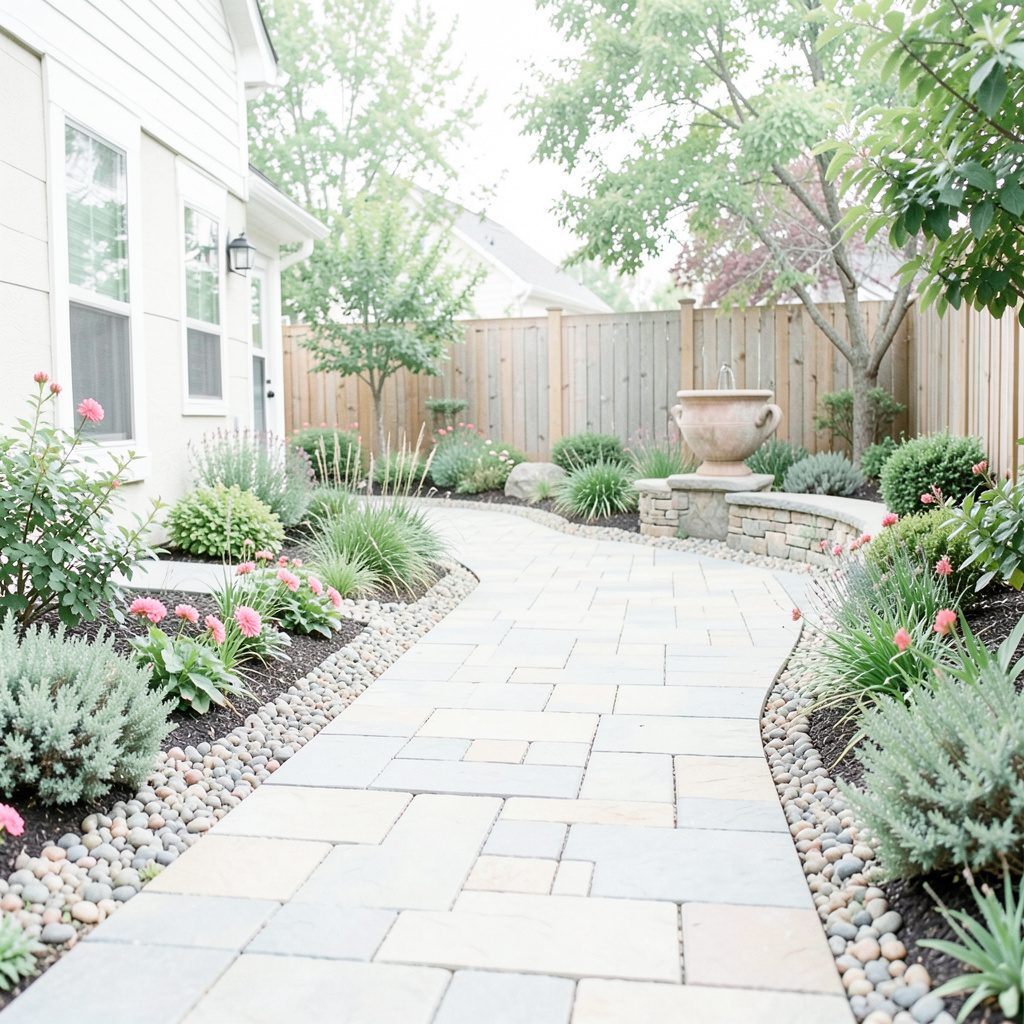
Local conditions matter. Sydney’s coastal air can leave salt on fittings, Melbourne often sees wind-driven rain through open sides, and Brisbane’s humidity and summer downpours expose weak seals. For visual planning, collections of outdoor lighting ideas can help you judge how a warm glow works with brick, timber or rendered walls before buying hardware.
Compare string formats and light quality
Festoon bulbs with exposed globes create a classic café look, while miniature bulbs suit narrow beams and globe lights blend with modern fittings. Larger Edison-style lamps look good over dining tables but take more space and may cast hard shadows. Choose the shade, bulb size and spacing as one design decision, not separate accessories.
LEDs are the practical default because they use little power and run cooler than older incandescent types. Warm white around 2700K usually flatters timber and skin, while 3000K gives a cleaner look on pale masonry. An outdoor lighting range is useful for comparing finishes. Philips offers established outdoor fittings, while InnoGear is commonly listed for solar and LED string lights, so check availability through Australian sellers such as Bunnings, Mitre 10 and Amazon.com.au.
Check weather and electrical ratings
The first filter is the ingress protection rating, or IP code. IP44 indicates protection against solid objects larger than 1 mm and splashing water from any direction; IP65 adds a dust-tight enclosure and protection against powerful water jets. These are minimum levels, not guarantees for every exposed part of a string.
For a mostly covered veranda, IP44 may be adequate if every connection stays beneath the roof and away from wind-driven rain. Choose IP65 for open sides, low eaves, coastal locations or any section likely to be washed. The rating applies to the exact enclosure, so a weather-resistant bulb does not compensate for an exposed inline connector or damaged cable.
Also look for UV-resistant cable, rust-resistant fixings, sealed cable ends and a clearly stated operating temperature. A long service life depends on preventing both UV embrittlement and water entry at joins. Inspect the entire run before installation, and replace any string with cracked insulation, corroded metal or heat-damaged sockets.
Plan the layout and lighting layers
Plan the layout around the space rather than the number of bulbs in the box. Measure the patio edge, table position and ceiling height, then sketch where the cable will run. One generously spaced loop often looks calmer than several tight rows. Keep bulbs clear of the roof, foliage and anything combustible, and leave a service loop at each end rather than pulling the cable taut.
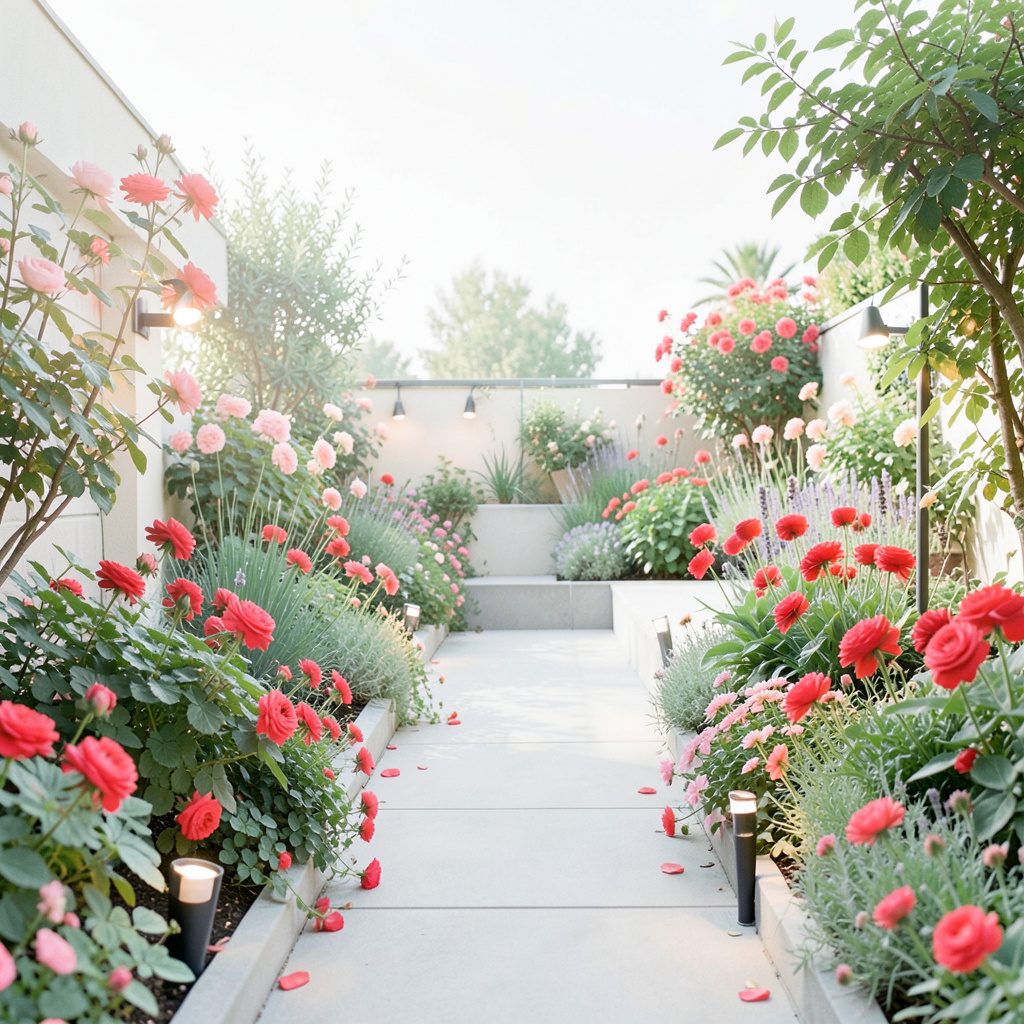
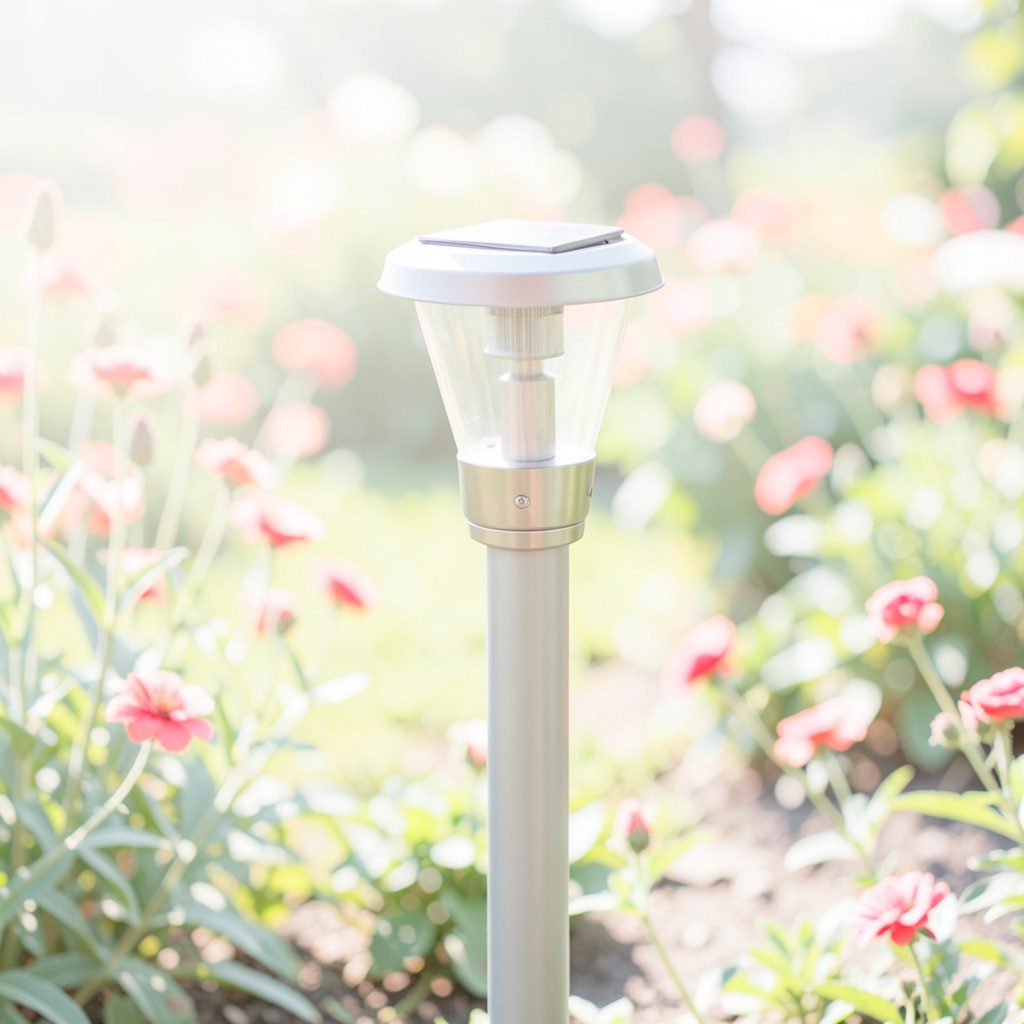
Think in layers: overhead light for the dining area, softer light at the edge, and pathway markers to guide people from the door. Low-level fixtures should remain visible without creating glare for drivers. The guide to affordable pathway lights offers useful comparisons for balancing brightness and placement around a patio.
Dimming is valuable when the patio serves both dinner and late conversation, yet many inexpensive strings use only an on/off switch or a stepped controller. Check whether dimming is compatible with the supplied transformer or app. A smart fixture can be convenient, but it should meet the same outdoor and electrical requirements as a basic model.
Prepare for Australian installation conditions
Treat electrical work as part of the weatherproofing decision. In Australia, outdoor mains equipment should be connected to a suitable weather-protected circuit with RCD protection, and any new fixed wiring belongs with a licensed electrician. In Canberra, frost can damage exposed fittings, while strong UV and summer heat make roof position and cable material especially important.
Plug-in strings offer flexibility, but their extension leads must also be rated for outdoor use. Never run a garden cable through a doorway or beneath a rug merely to reach an indoor point. Check voltage, current and connector type together: a product that works on 120V overseas is not automatically suitable for Australia’s 230V supply. Any Home Depot or overseas marketplace listing needs the same voltage, plug, transformer and Australian-warranty check.
Solar string lights can reduce cabling around a veranda, especially when the panel receives direct sun. Position the panel where the roof does not shade it, and place the battery base where it stays dry. Some solar products dim or switch off to conserve charge, so compare runtime and brightness rather than relying on the word “solar” alone.
Compare specifications before buying
A useful buying comparison covers the following practical points before you focus on appearance.
- IP rating and exposure: Confirm whether the rating covers the bulbs, sockets, transformer and cable joins.
- Power compatibility: Check 230V operation, plug type, transformer output and any required RCD-protected connection.
- Installation hardware: Look for rust-resistant clips, outdoor-rated fixings and enough cable to reach a safe point.
- Warranty and local support: Compare Australian warranty terms, replacement parts and returns through local stores or platforms.
Read claims in context. A pack marked “weatherproof” should still identify a rating, and “commercial grade” is not a measurable substitute for certification. Check the listed product rather than assuming every lamp in a mixed set has identical protection.
- Light output: Compare lumens per bulb or the stated total output, then test a sample at night.
- Colour and controls: Check the colour temperature, dimming range, app reliability and included remote control.
- Physical fit: Measure bulb diameter, drop and cable length against the patio ceiling and furniture.
- Seller information: Read recent feedback about weather resistance, brightness and after-sales support, while treating individual reviews cautiously.
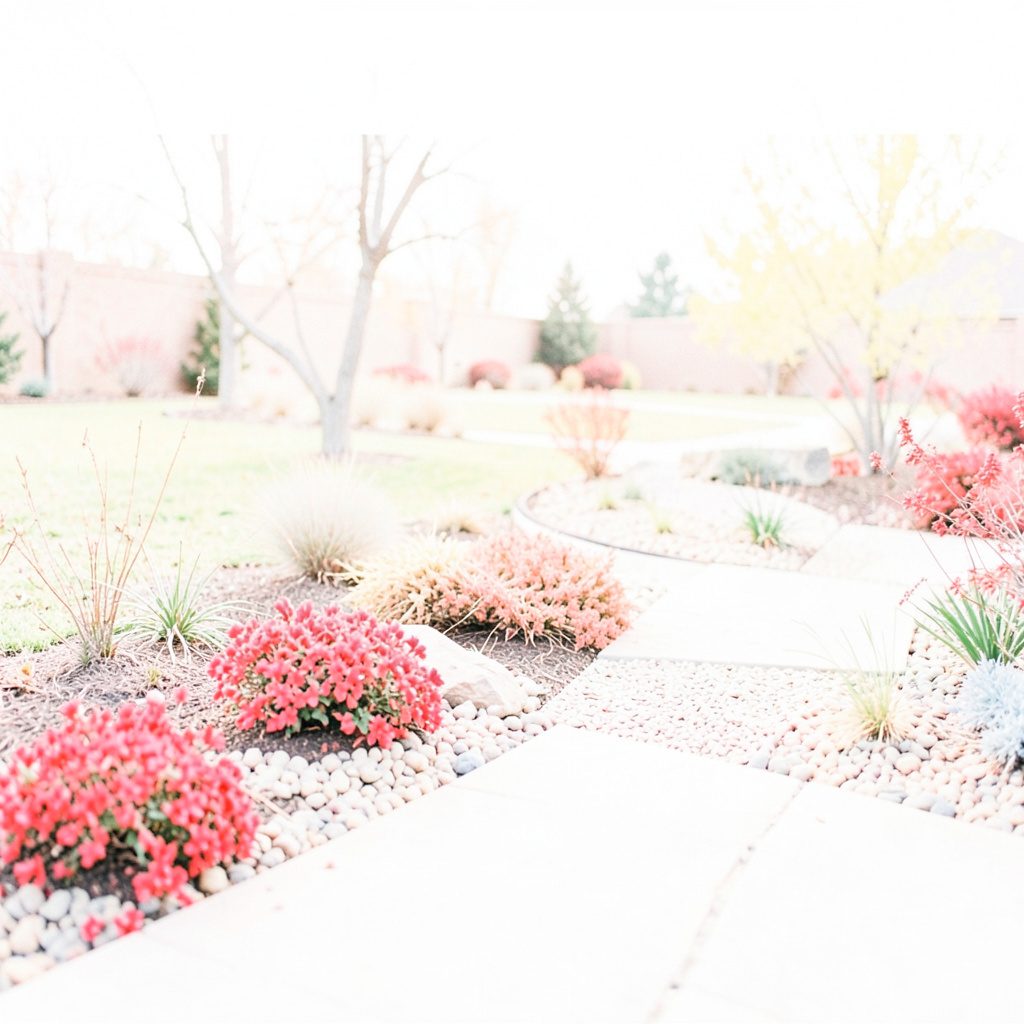
Broader landscape project imagery can be useful when judging cable colours and bulb scale against a finished garden, but the specification sheet remains the deciding evidence.
Choose for longevity and value
Price should be judged against the complete installation, not just the string. A higher-rated fixture with sealed connectors, replaceable bulbs and clear local support may cost less than repeatedly replacing a cheaper set. For broader style research, lighting inspiration can help compare finishes, but product documentation and an Australian warranty should carry more weight than appearance alone.
What should stay in mind is simple: match the protection rating to the actual exposure, use outdoor-rated connections and the correct Australian supply, and choose spacing that lights the patio without glare. Those details determine whether the set remains functional and inviting well beyond one summer evening.