Featured Topics
Best Solar Deck Lights for Stairs and Steps
Solar deck lights for stairs and steps are one of the easiest ways to improve an Australian outdoor area without cable trenches or an electrician. A small solar panel charges an internal battery during daylight, while an LED illuminates the edge of a tread or the wall beside a handrail. Look for compact fixtures with enough output to reveal a change in level, rather than merely adding a decorative glow.
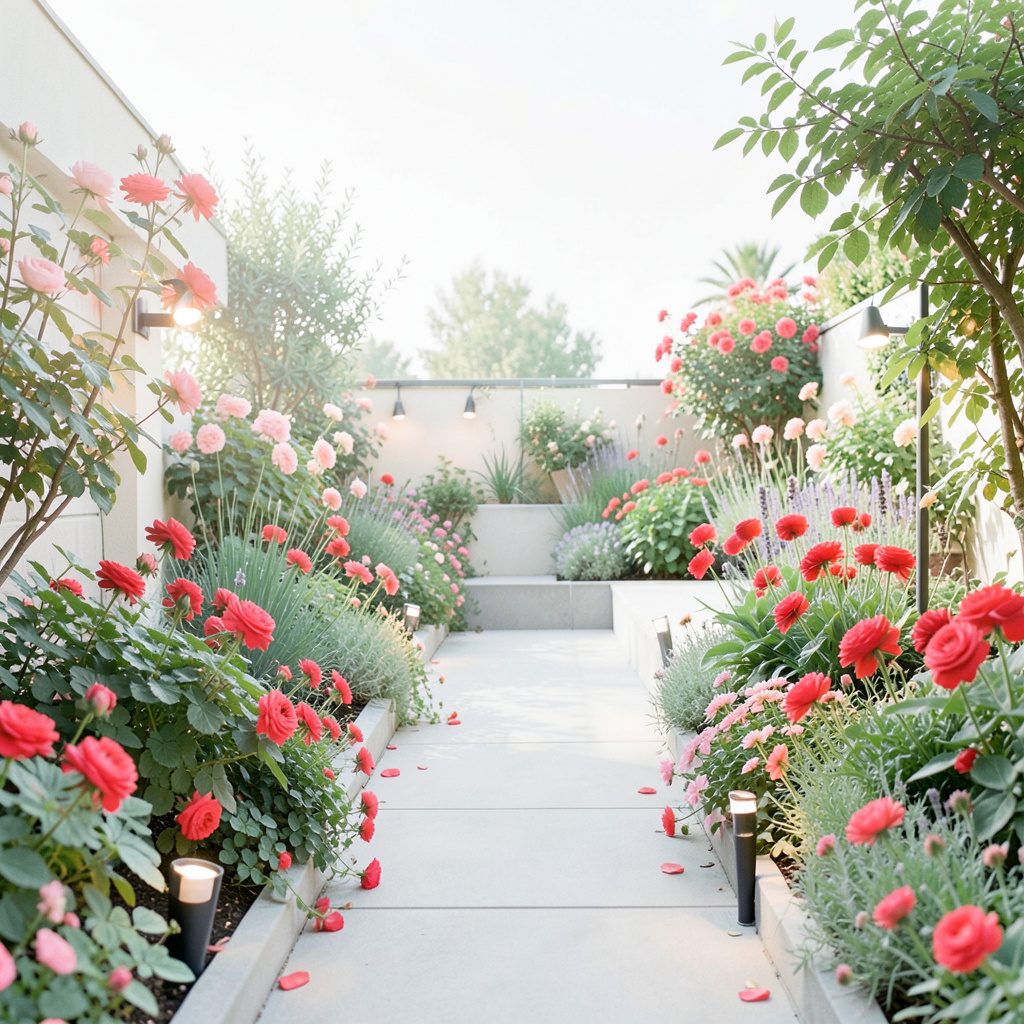
A staircase becomes safer when its edges are visible before someone steps onto them. Solar stair lighting works particularly well around verandahs, patios and decks where a path connects an alfresco entertaining area to a gate, garage or side entrance. The lights can remain on continuously for a gentle pathway effect, while motion-activated models conserve battery power and provide brighter illumination only when someone approaches.
Australian weather makes the choice of fixture more important. Summer UV exposure and heat can deteriorate weak plastics, while winter cloud, rain and short daylight hours can reduce charging time. Coastal properties around Sydney and Newcastle also need corrosion-resistant fittings, and humid conditions in Brisbane can encourage mould around poorly sealed housings. Models with replaceable batteries and clearly stated charge times are generally more practical than sealed units.
Choosing among the many available options starts with the location, the desired brightness and the amount of direct sunlight available. InnoGear solar step lights offer a useful benchmark for compact, budget-friendly fittings, while premium brands may provide stronger LEDs, better motion sensors or refined housings. Philips also makes the about the author page relevant when assessing how a review was prepared and which product characteristics were tested.
What makes solar step lighting work
Solar lighting has three working parts: the panel, battery and LED. The panel should face the open sky rather than sit beneath a handrail, roof edge or dense tree canopy. A south-facing panel can still perform well in Australia, but east- or west-facing positions receive stronger summer sunlight and may recover from cloudy days faster.
Light output is only one consideration. A useful step light needs broad lateral coverage, so the beam reveals both the tread edge and the vertical face of the stair. A narrow spotlight can look attractive without helping someone judge depth. Continuous lighting suits stairs used every evening, whereas a motion sensor is valuable for side paths, garden gates and steps leading to a backyard.
Weather resistance should be checked rather than inferred from a product photograph. An IP65 rating is a sensible minimum for an exposed deck, and the casing should tolerate UV, humidity and salt air. Also check whether the battery is replaceable, since that can determine whether the fixture remains useful after several years of Australian summers and winters.
Features that suit Australian conditions
Start with use rather than wattage. Measure the stair width, note where people naturally walk and identify any dark landing or change in level. Dimmers, timers and adjustable brightness are helpful in larger gardens, but for most domestic steps a warm-white LED between roughly 10 and 30 lumens provides clearer guidance without creating a harsh pool of light.
Climate location affects the priorities. Melbourne and Tasmania often experience cloudy winter afternoons, making a generous solar panel and low-power mode valuable. Perth receives abundant sun, but intense heat can shorten the life of lower-grade batteries. Brisbane's humidity and summer storms favour sealed fittings, while Adelaide's dry heat places the same demand on UV-resistant housings. These conditions make manufacturer support and realistic charging claims worth comparing.
Retail information is easiest to interpret with the market in mind. Amazon.com.au provides local listings, delivery options and customer feedback, while Bunnings is useful for checking locally available alternatives. Home Depot product pages can help with specification comparisons, although their stock, pricing and electrical details reflect the US market. As a benchmark for outdoor light quality and control features, a Philips smart floodlight review also helps clarify the differences between decorative step markers and broader garden illumination.
Best-fit lights for different locations
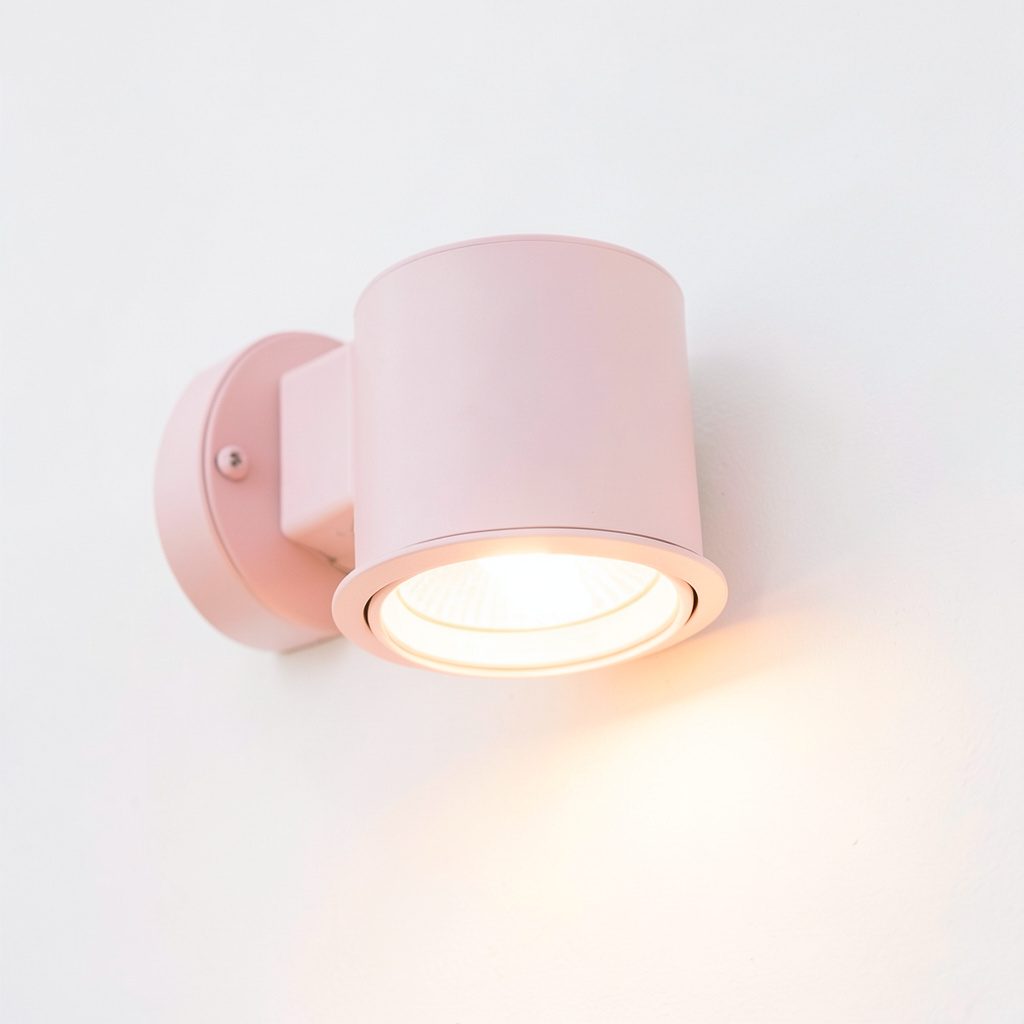
For most timber and composite decks, compact solar step lights fitted to the stair riser offer the cleanest result. They stay out of the walking area, remain visible from several angles and avoid the need to alter existing wiring. Larger fixtures make sense beside open garden paths where there is no wall or riser to conceal them.
The most useful options can be grouped by how they perform. Consider the physical design of the fixture as well as its stated brightness, because a well-placed 20-lumen light may be safer than a brighter unit mounted in the wrong position.
- Warm-white step lights: These create a comfortable glow around decks and patios while clearly defining stair edges and nearby handrails.
- Motion-sensor stair lights: They provide brighter light when movement is detected, making them suitable for side entrances, gates and paths used occasionally.
- Compact deck-edge lights: Their low-profile housings suit modern boards and narrow risers without taking up valuable space.
- Higher-output pathway lights: These are more appropriate for long garden paths, dark landings and stairs positioned away from occupied living areas.
These categories also help when comparing brands rather than relying on one product name. Check the beam pattern, panel position and charging mode, as two fixtures with similar wattage can behave very differently once installed.
Installing lights safely on decks and steps
Mount each light where its panel receives unobstructed sunlight and its beam crosses the tread. On a vertical riser, the lens should sit slightly above the upper tread so the light falls onto the step below. On a side wall, aim the lens downward and inward rather than into neighbouring windows or across the path.
Keep cables, clips and fixings outside the normal walking line. If the route crosses lawn near the stairs, a trimmed edge improves access and reduces the chance of catching a foot. For regular mower maintenance, in-place mower blade sharpening can help keep the grass neat without removing the blades for workshop sharpening.
Allow new fixtures to charge according to the manufacturer's instructions and test them after the first full sunny day. Adjust the sensitivity and timer before treating them as security lighting. In coastal areas, use corrosion-resistant fixings and inspect the seals periodically, especially after strong rain or salty onshore winds.
What to remember before buying
The best solar deck lights for stairs and steps combine three qualities: enough light to reveal the route, reliable charging in local conditions and a housing suited to outdoor exposure. A high lumen figure cannot compensate for a panel hidden under a roof or a beam pointed along the stair instead of across it.
Check the specifications against the installation rather than selecting solely by appearance. Product reviews are most helpful when they describe tested brightness, battery behaviour and installation method, which is why background on the reviewer and review process can be valuable. Local warranty coverage and replacement parts also deserve consideration before checkout.
Use this checklist when comparing the final few models:
- Brightness and beam: Confirm that the light illuminates the tread edge, adjacent landing and handrail area.
- Charging and runtime: Check realistic solar charging times and whether low-power or motion modes are available.
- Weather protection: Look for an appropriate IP rating, UV-resistant materials and sealed electrical components.
- Mounting options: Ensure the bracket suits the riser, wall or pathway without creating a trip hazard.
- Local support: Compare Australian availability, warranty coverage, replacement batteries and retailer support.
What should remain is dependable visibility after sunset, achieved through a suitably bright beam, protected electronics and careful placement rather than decorative brightness alone.