Featured Topics

Best Motion Sensor Lights For Side Yards And Alleys
Side yards and narrow alleys are often the least comfortable parts of an Australian home after dark. They may connect the front garden with a back gate, run beside a garage, or provide access to bins, laundry doors and outdoor storage. A well-positioned motion sensor light can make these spaces easier to navigate while adding a useful layer of security.
The best motion-activated outdoor lights combine a wide detection angle, dependable weather protection and enough brightness for the distance they cover. Solar wall lights are convenient where cabling is difficult, while mains-powered LED floodlights are usually stronger and more consistent through long winter nights.
Australian conditions make the choice more specific. Harsh sun can age cheap plastic, coastal air can corrode exposed fittings, and sudden Brisbane storms can test an IP rating. In Melbourne, shorter winter daylight can also limit the charging time available to a small solar panel, so placement matters as much as the light itself.
Choosing The Right Light For A Narrow Passage
A side path rarely needs the same broad output as a driveway. A compact wall-mounted fitting with a focused beam can illuminate a gate, lock or uneven paving without throwing harsh light into a neighbour’s bedroom. For longer alleys, two lower-output lights placed at opposite ends often create more even coverage than one powerful unit.
Look for a motion sensor with adjustable range, sensitivity and time delay. A detection distance of around 5 to 10 metres suits many residential paths, although a narrow sensor angle can prevent the light from reacting to movement beyond the property boundary. A swivel head is valuable because it lets you aim the beam down the path rather than directly into windows.
Brightness should be judged in lumens rather than vague descriptions such as “ultra bright”. Around 300 to 800 lumens is often enough for a side entrance, while a larger security floodlight may need 1,000 lumens or more. Excessive output can create glare and deep shadows, making a small space feel less safe.
Solar, Battery And Mains-Powered Options
Solar motion sensor lights are popular in Australian gardens because they avoid trenching cables through paving or garden beds. They work particularly well beside sunny fences, garages and rear gates. Models from InnoGear and similar outdoor brands can be practical for renters or homeowners who want a quick installation, but the panel must receive several hours of direct sunlight.
A separate solar panel connected by a short cable is useful when the light itself sits under an eave or in a shaded passage. Keep the panel clear of overhanging branches and check that the battery can be replaced. A small integrated panel may struggle beneath a covered verandah, especially during Melbourne’s darker winter weeks.
Mains-powered LED fittings provide the most reliable output for a frequently used alley. In Australia, fixed outdoor electrical work should be handled by a licensed electrician, and the fitting needs to suit local 230-volt supply requirements. Rechargeable battery lights sit between the two choices, though they require regular access for charging and may be less suitable for a security-critical entrance.
For broader inspiration on placing exterior lighting around a home, this outdoor lighting guide can help compare wall lights, path fixtures and security-style floodlights before selecting a sensor model.
Features That Matter In Narrow Outdoor Spaces
A durable fitting is more important than a long list of smart functions. Check the IP rating, construction and mounting hardware before focusing on app controls or decorative styling. Side passages are exposed to rain blown under eaves, dust from driveways and the occasional impact from bins, bikes or gardening equipment.
Useful specifications include:
- An IP65 rating or higher for exposed walls and gates
- A detection angle of roughly 120 to 180 degrees
- Adjustable brightness, timer and sensitivity controls
- A replaceable battery or accessible charging connection
The best beam pattern depends on the layout. A wide flood beam suits a gate opening, while a narrower downward beam works better beside a garage wall. Neutral white light around 3,000K to 4,000K usually gives clear visibility without the stark blue appearance of some cool-white security lamps.
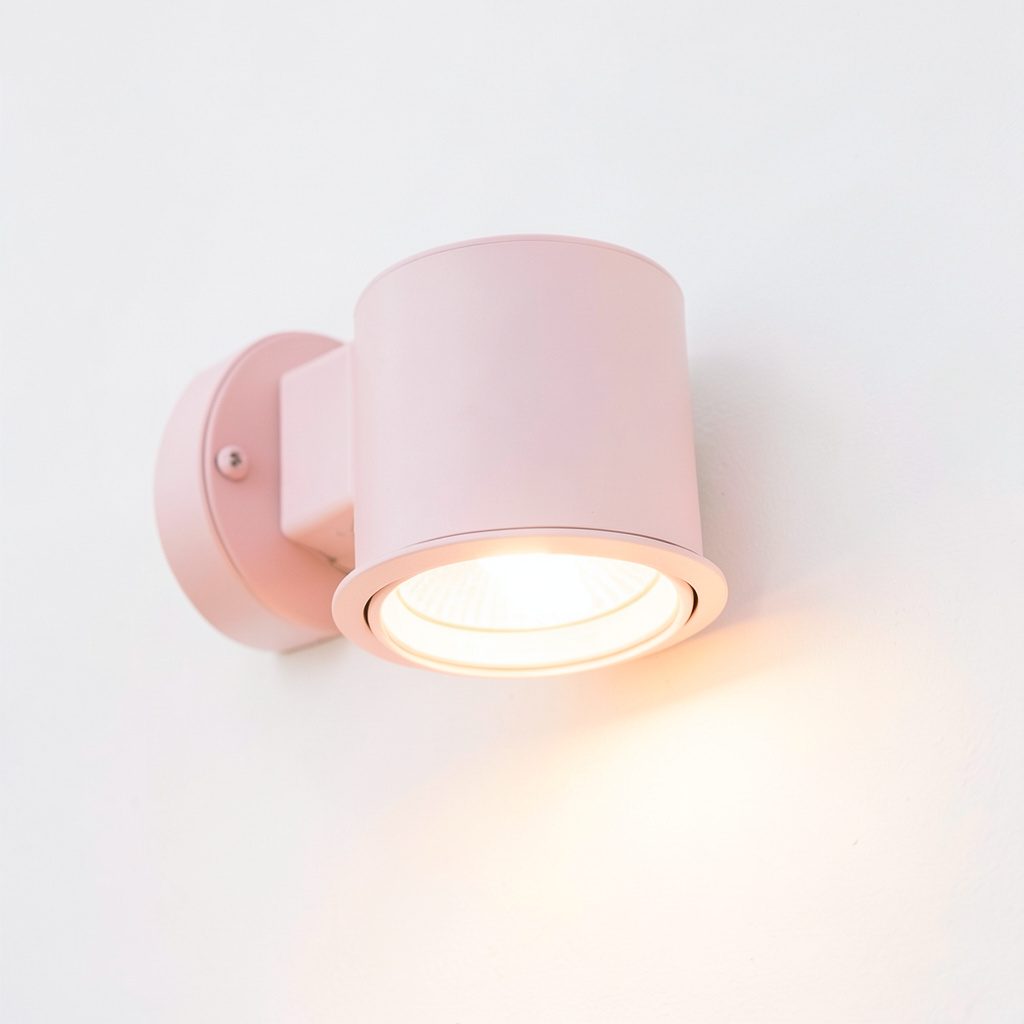
For a tidy installation, also consider the fitting’s depth. A bulky light can obstruct a narrow walkway or catch on ladders and stored tools. Slim Philips LED wall lights may suit a contemporary exterior, while compact solar units are easier to position on a timber fence or rendered wall.
Sensitivity, Glare And Neighbour-Friendly Setup
Motion sensors can become annoying when they respond to every possum, cat or passing car. Start with a low or medium sensitivity setting and test the light by walking through the path at different distances. If the fitting has masking tabs or a directional sensor head, use them to block movement outside the property.
Avoid aiming the beam towards the footpath, a neighbour’s yard or an upstairs window. A downward angle usually gives better visibility on paving and steps while reducing glare. In closely packed Sydney or Melbourne suburbs, considerate positioning matters because a bright light can spill across fences and into nearby rooms.
A short activation time of 30 seconds to two minutes is generally sufficient for unlocking a gate or carrying bins. Longer settings waste battery power and can make the area appear permanently lit. If the light includes a dusk-to-dawn mode, use it carefully; continuous low-level illumination can be useful at a rear door, but it is unnecessary for a rarely used side passage.
Australian retailers commonly list sensor lights through Bunnings, Amazon Australia and specialist electrical suppliers, while product pages may use different terms for the same feature. Compare the actual sensor range, battery capacity and IP rating rather than relying on labels such as “security” or “premium”.
Installation Details For Australian Homes
Mounting height affects both detection and coverage. Around 1.8 to 2.4 metres is a useful starting range for many wall lights, but a high position can allow people to pass underneath the sensor field. Test the light before tightening every screw, particularly where a fence, downpipe or garden screen may block part of the detection zone.
Solar fixtures need a clear view of the sky, not simply a bright-looking location. North-facing placement can often improve winter charging in Australia, although the ideal direction depends on shade from buildings and trees. In hot areas such as Perth or Adelaide, avoid placing a battery directly against a surface that receives intense afternoon sun.
Sealing cable entries and using corrosion-resistant screws will extend the life of an outdoor fitting. Coastal homes around Newcastle, the Gold Coast or Adelaide’s seaside suburbs should favour powder-coated aluminium, stainless steel hardware and a reputable weather rating. Wipe the solar panel several times a year, especially after dust, pollen or salt spray has accumulated.
If the light is being added to an existing circuit, an electrician can check earthing, cable protection and switch placement. For product research and background on outdoor home improvements, the author information provides useful context about the recommendations behind this type of guide.
A Practical Lighting Plan For Side Yards
Start by identifying the points where a person needs to see clearly: the back door, a change in level, the garage latch, the bin area and the side gate. One light near the door may be enough for a short passage. A longer alley usually benefits from overlapping pools of light, with each sensor aimed along the route rather than across it.
Choose solar when the location receives reliable direct sun and the main goal is occasional wayfinding. Choose mains power when the passage is used every night, sits under deep shade or needs dependable brightness for security cameras. A hybrid approach can also work: a permanent wall light at the back door and a solar sensor fitting near the gate.
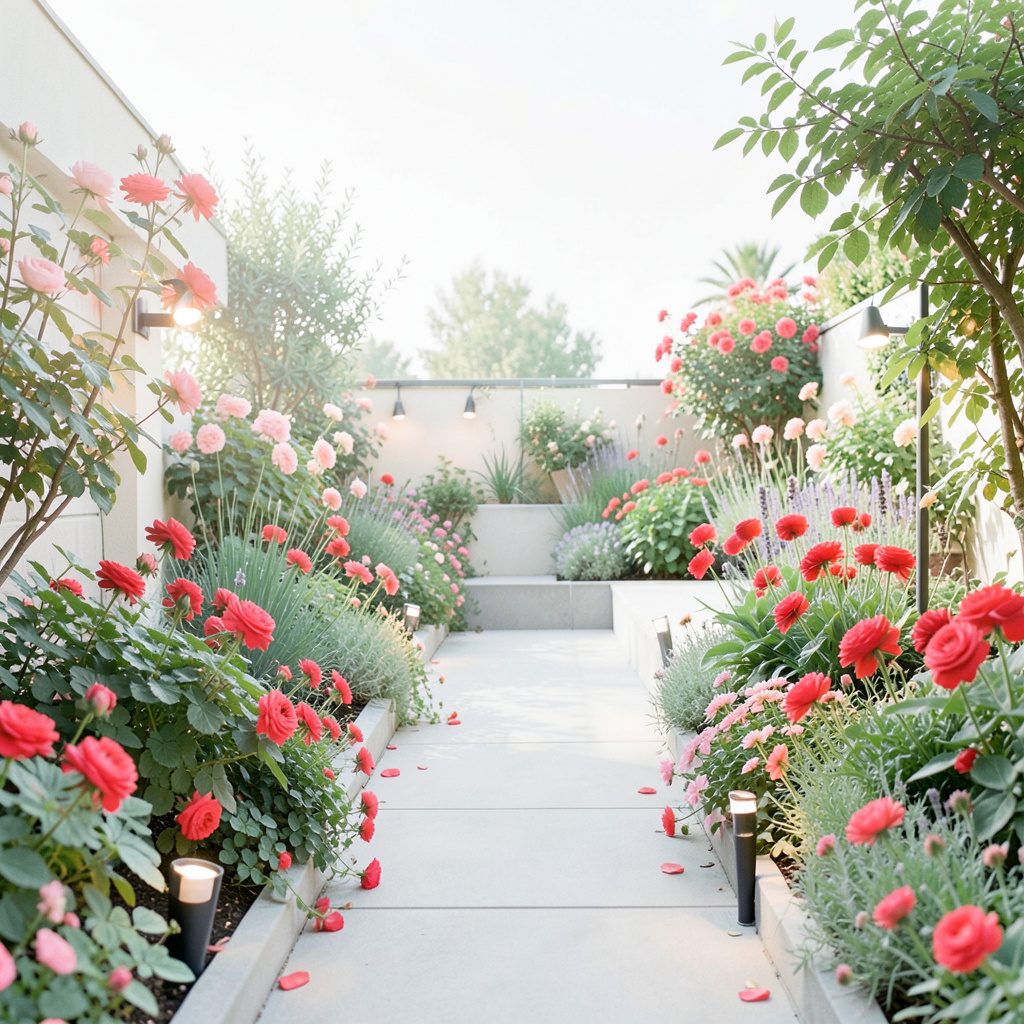
Decorative garden-lighting ideas can be found through specialist inspiration sites such as Chawan lighting ideas, but narrow access ways should remain practical first. A beautiful fitting that creates glare, charges poorly or leaves a step in darkness is a poor match for the space.
Before buying, measure the path length, note the nearest sunny mounting point and photograph likely sensor obstructions. Then select a weather-rated LED motion light with adjustable detection and test its beam at night before final installation.