Featured Topics

Best solar floodlights for large backyards
Large Australian backyards rarely operate like compact patios. An outdoor light that works beside a doorway can leave the far end of a lawn, driveway, or garden bed in darkness. Floodlights for these spaces need enough reach to cover broad areas while remaining sensitive to everyday movement around sheds, pools, bins, and children’s play zones.
The top solar floodlights for large backyards combine high LED output, generously sized solar panels, and useful motion controls. Their light should cover wide surfaces without creating harsh glare for neighbours. Battery capacity and panel placement determine whether they deliver useful illumination through an entire evening.
Solar power removes the need to run cables across a yard, but it does not remove the need for careful planning. Australian sunlight, summer storms, coastal salt, and local electrical rules all influence which fixture will work reliably after installation.
What a large yard actually needs
Start by identifying the areas that require light rather than measuring the whole property. A rear gate, a path from the house, and the edge of a driveway may need different beam patterns. A single fixture installed in the centre of the yard often wastes light on fences while leaving these practical zones poorly served.
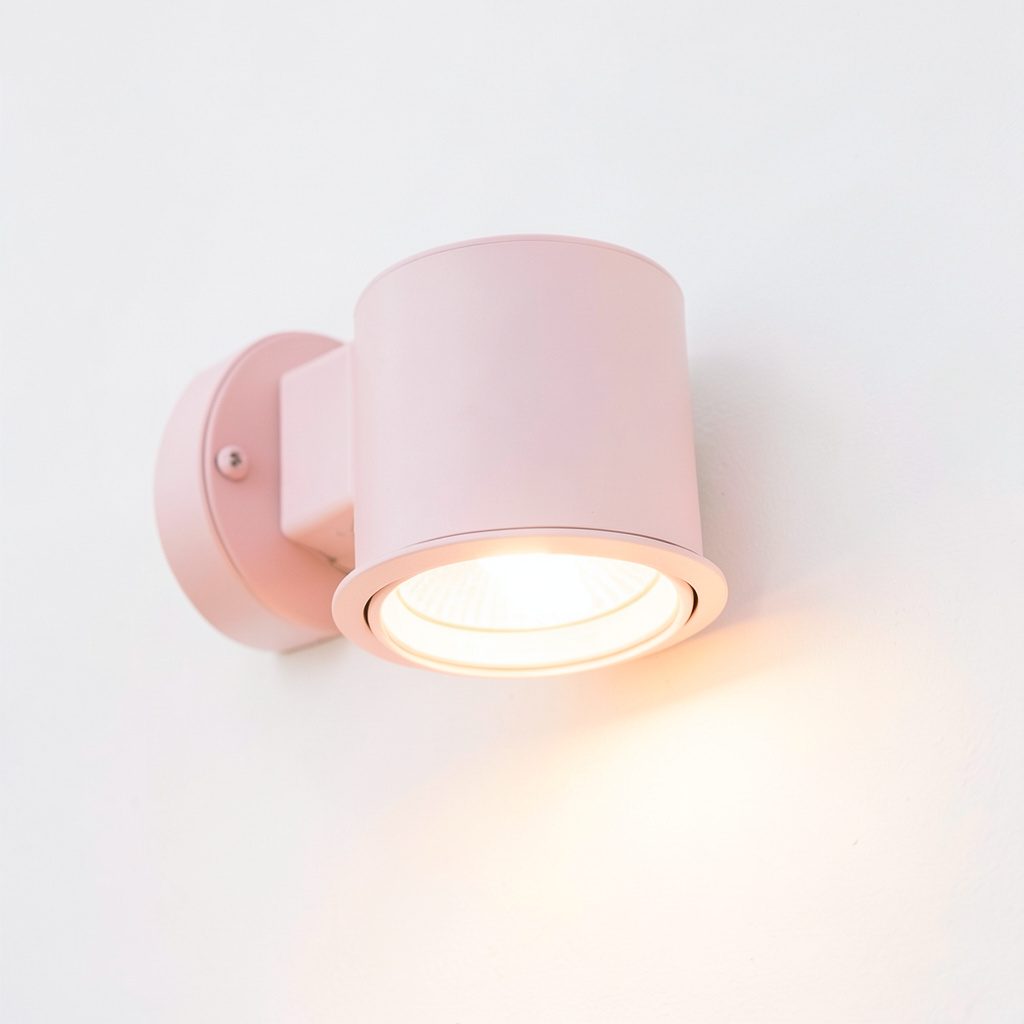
Wide-angle floodlights suit lawns, courtyards, and work areas, while adjustable heads help direct light toward specific features. Very wide coverage without brightness can look neat from the house while revealing little at the property boundary. Beam angle, mounting height, and lumens should therefore be considered together.
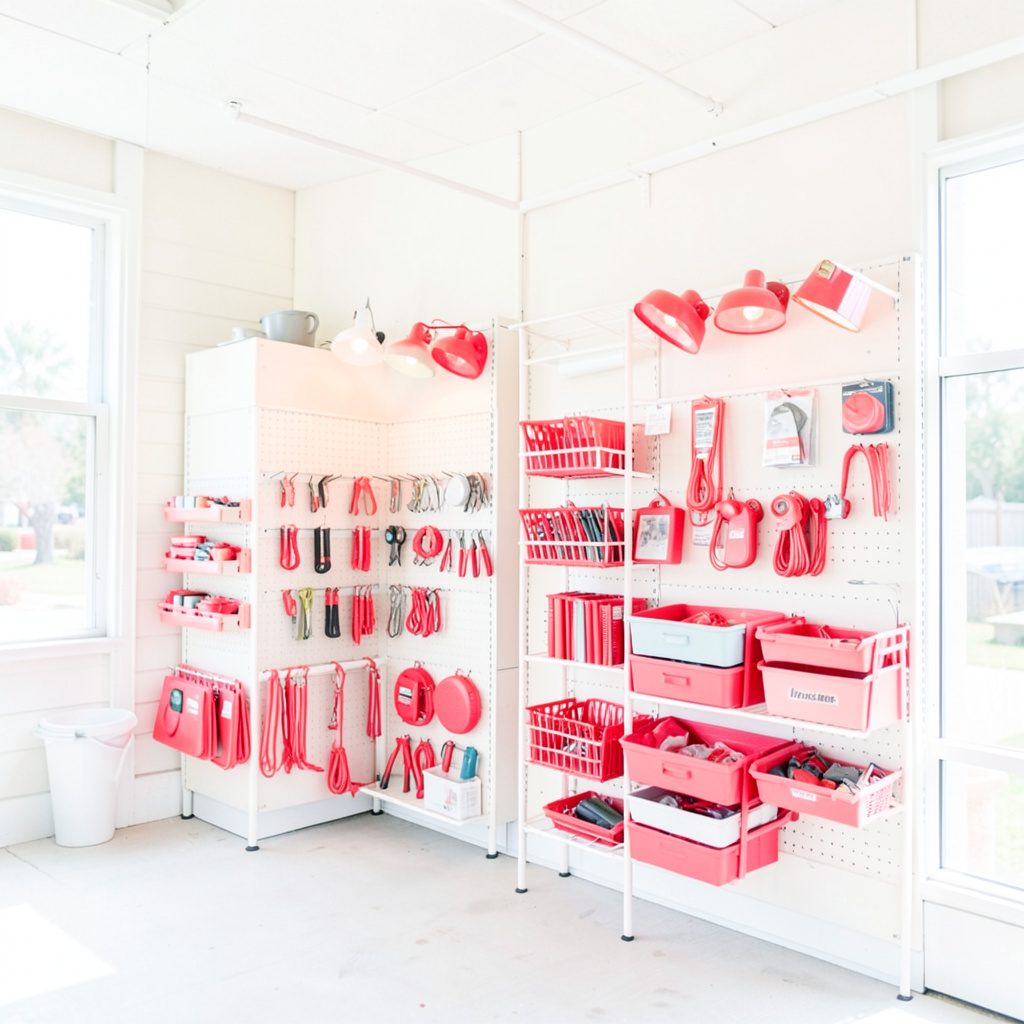
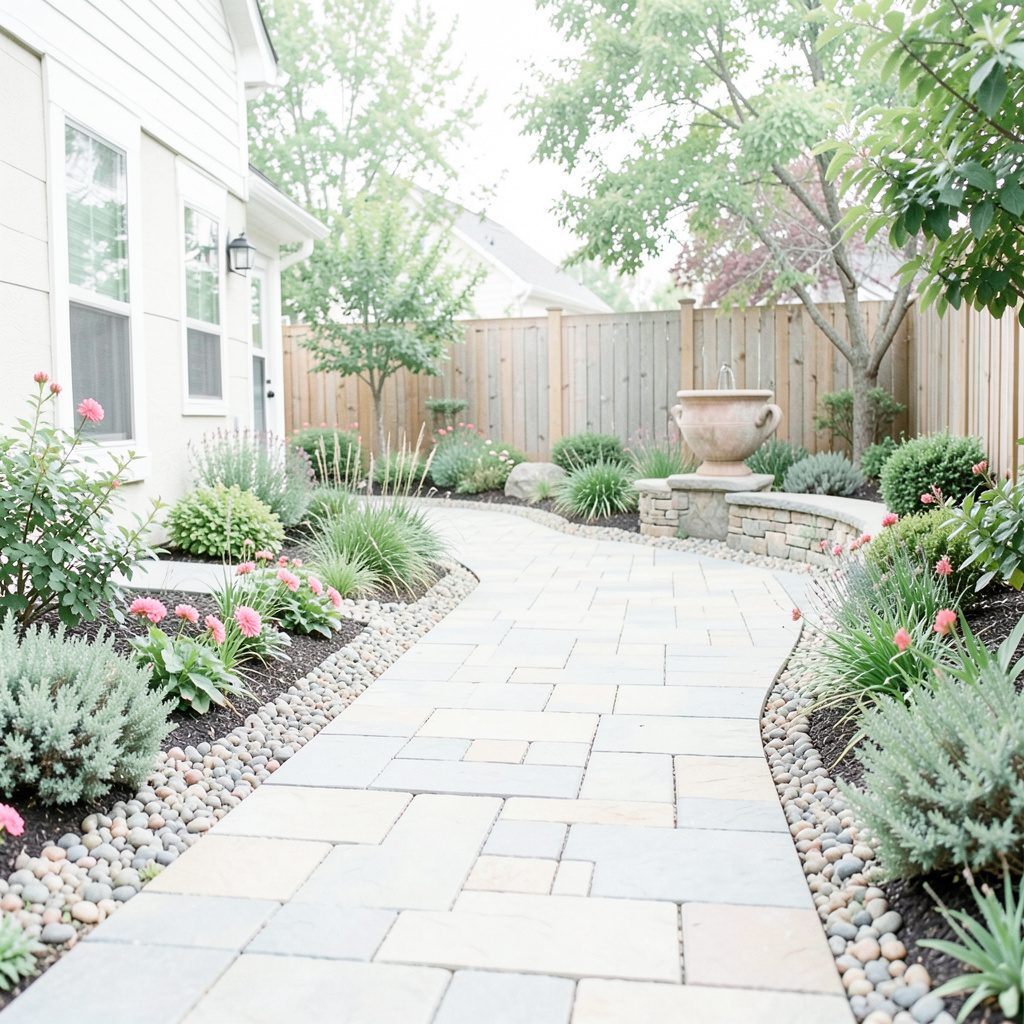
A visual layout built from backyard project inspiration can help separate the garden into lighting zones. Sketch each zone, note nearby trees and buildings, and decide whether the purpose is visibility, security, path marking, or decorative emphasis.
Solar specifications that predict performance
Lumens indicate the light produced at full power, but advertised figures rarely describe the entire night. Look for a high-output solar LED floodlight in the approximate 2,000–3,000-lumen class for expansive yards. Smaller models can work for gates and side paths, though several may be needed around a large property.
Panel capacity is equally important. A large floodlight fitted with a tiny panel may deliver strong light for an hour but perform poorly through winter. Look for a substantial monocrystalline panel, a readable charging specification, and an indication that the battery is replaceable. Separate remote panels are useful when the lamp faces an open lawn but the best sunlight falls on a roof or side wall.
Battery capacity is commonly expressed in watt-hours or by the number and size of removable 18650 cells. More capacity generally supports longer runtime, although the result depends on the number of LEDs, motion frequency, and Australian winter conditions. Product listings that offer no battery specification at all deserve caution.
Light quality and control after dark
A passive infrared motion sensor is the most practical control for many Australian homes. It activates the floodlight when movement is detected and allows the battery to conserve energy between events. Adjustable sensitivity and range are valuable where possums, dogs, or passing traffic could otherwise trigger constant illumination.
Dusk-to-dawn mode offers continuous light but reduces runtime. Timer and dim modes are useful for entertaining, while an adjustable “first light” setting can create a welcoming path without flooding the whole yard. The best options let the owner combine these modes rather than offering only an on-off switch.
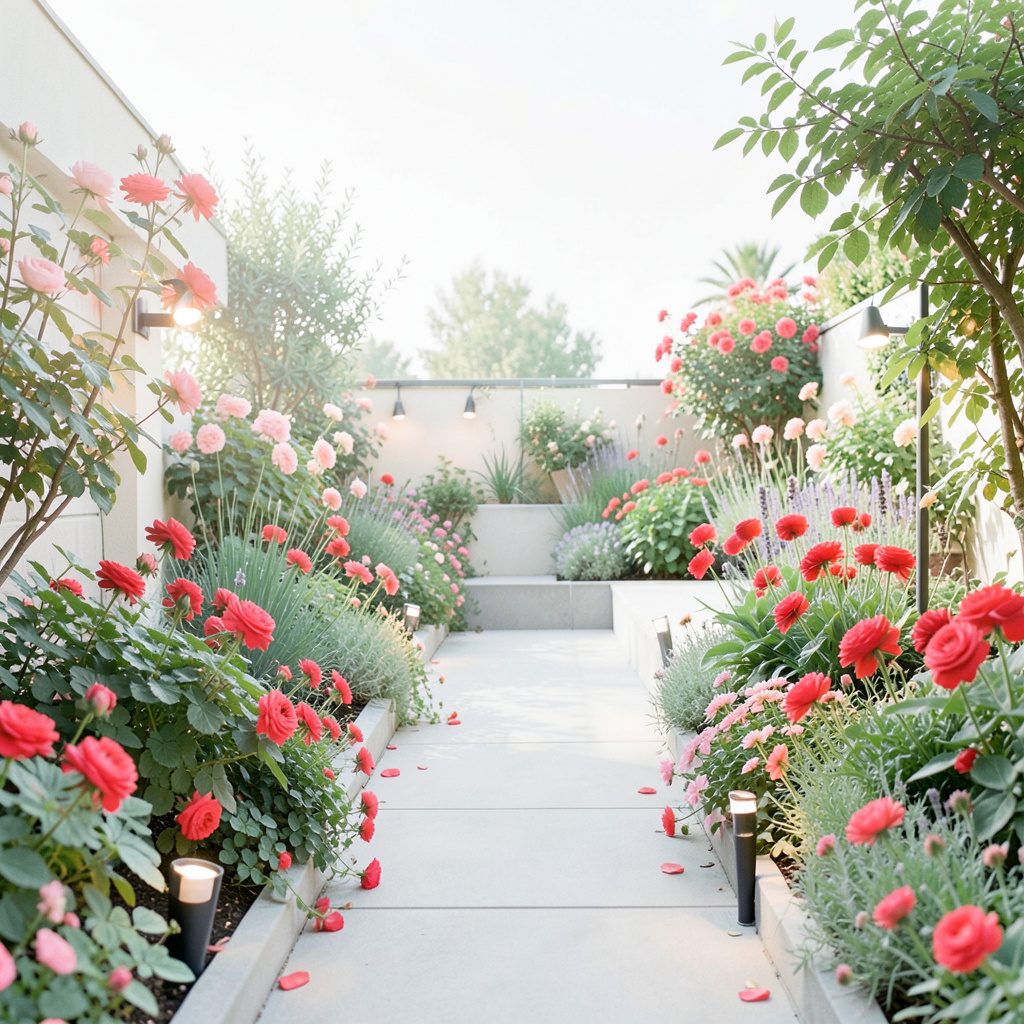
Warm white light around 2,700–3,000K generally feels comfortable beside timber decking and native plants. A 4,000K output appears brighter and can suit security areas, while some properties benefit from warmer accent lighting for walls and trees. More details on garden lighting ideas can help with beam placement and colour choices.
Comparing brands and Australian sellers
InnoGear is a practical starting point for buyers searching for high-output solar floodlights online. Its portable range commonly includes rechargeable batteries, adjustable lamp heads, and PIR sensors, with brighter versions aimed at larger yards. Exact panel sizes, lumen ratings, and included accessories vary between models, so the current Australian specification should be checked before purchase.
Philis outdoor lighting is often a useful benchmark for enclosure quality, finish, and consistent colour, although its Australian range contains many mains-powered products. A light should only count as a solar option if the specification clearly includes a solar panel, rechargeable battery, and controller. Familiar app-based controls alone do not make a fixture solar.
The background behind Meredith’s author profile reflects a practical approach to garden product selection: check the specification, consider installation conditions, and prioritise serviceability. Australian shoppers commonly compare Amazon listings, Bunnings, Bunnings Marketplace, and specialist lighting stores. Older overseas guides often reference Home Depot; its former Australian stores now operate within Mitre 10, so old product links may not show current local stock or warranty terms.
Installation, weather, and Australian rules
In Australia, a north-facing panel generally receives the strongest year-round exposure, subject to trees and local obstructions. The panel needs several hours of direct sun and should be positioned where irrigation, leaves, and roof runoff cannot interfere. Remote-panel lights are especially useful for fences and pathways because the lamp can aim into the yard while the panel faces the sun.
Standalone low-voltage solar lights do not need a mains connection, but any hardwired fitting does. Electrical work in Australia must meet the relevant state requirements and AS/NZS 3000 wiring rules, and hardwired alterations should be handled by a licensed electrician. Buyers should also check whether an included adaptor or other electrical equipment carries valid Regulatory Compliance Mark registration where applicable.
Weather resistance needs more than a weatherproof badge. An IP65 rating can suit exposed outdoor locations, while IP67 offers stronger protection against temporary immersion. Coastal properties around Sydney, Brisbane, Perth, or Melbourne may need stainless fixings and extra attention to corrosion. Ant nesting around fittings and insects around warm lamps are common Australian maintenance issues that should be considered before choosing a sealed housing.
A practical shortlist for common yard sizes
For a broad suburban backyard, the strongest all-round option is a high-output InnoGear model with a remote solar panel, adjustable PIR sensor, and replaceable battery. Choose a listed output around 2,000 lumens or higher and mount the lamp above a path or near a rear corner rather than at ground level.
Medium yards can use a more compact fixture around 800–1,500 lumens, provided the panel receives direct sun. Smaller paths, carports, and side gates may need only one lower-output unit each. For architectural features, a Philips-branded solar model can be considered when the full solar specification is explicit; otherwise, a mains fixture with superior colour rendering may be more suitable.
Properties with several dark areas benefit from two or three independently aimed units instead of one excessively bright floodlight. SolarSentia and other specialist outdoor brands can suit fixed commercial or rural installations, while established lighting retailers may offer easier warranty support. The concrete next step is a dusk walk with the three darkest points marked on a simple yard plan and the panel locations noted beside them.