Featured Topics

InnoGear solar path lights with stained glass panels review
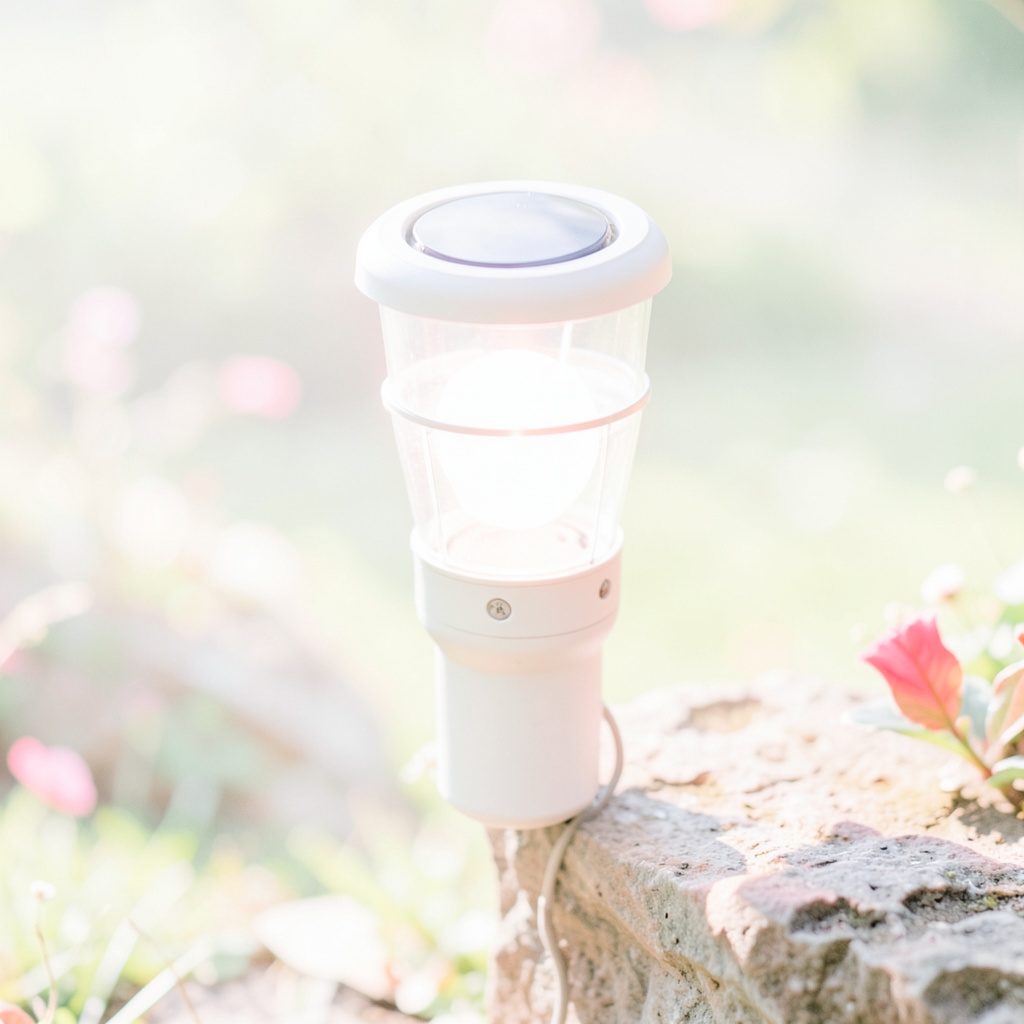
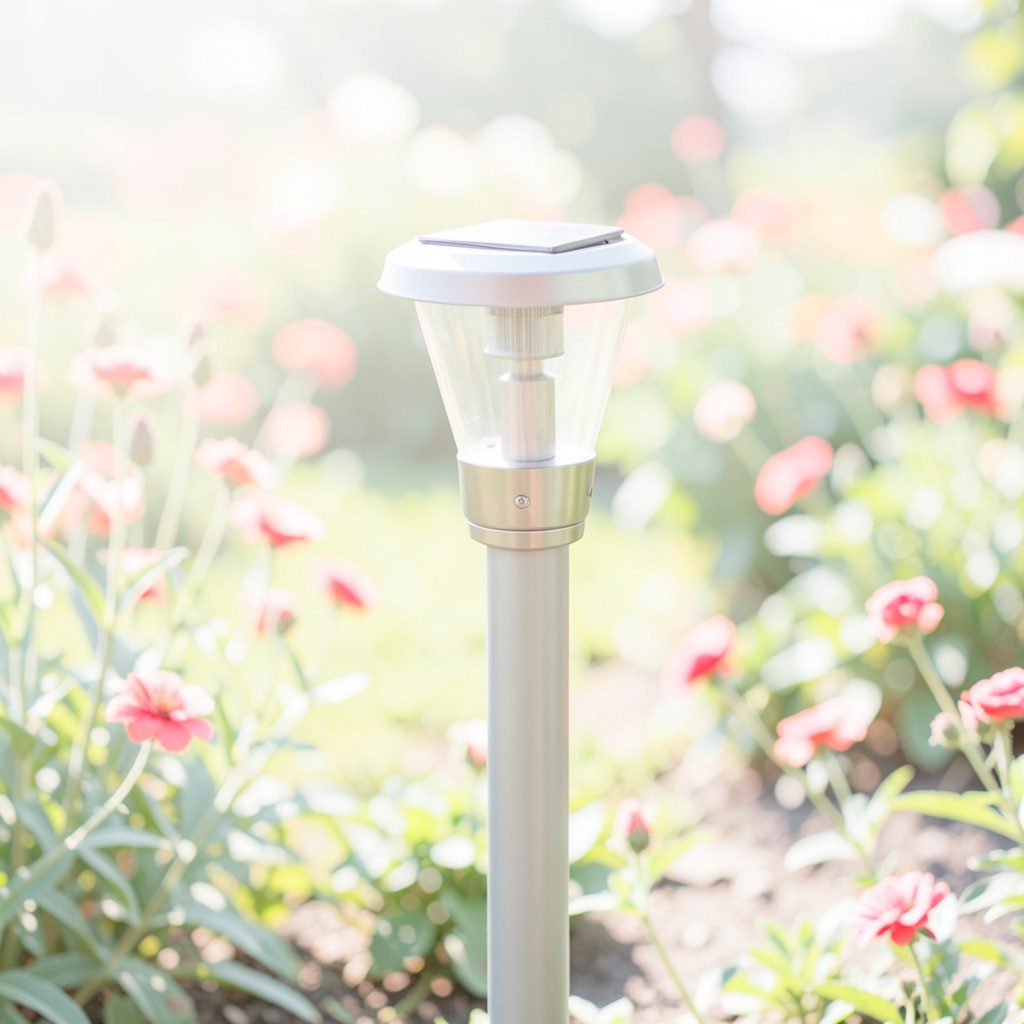
InnoGear’s solar path lights with stained glass panels combine decorative colour with the convenience of off-grid lighting. Their main attraction is visual: the patterned lamps remain attractive during the day, then add a warm glow along paths, garden borders and patios after dusk. They are best treated as accent lighting rather than a substitute for brighter security fixtures.
The appeal is especially strong for Australian homeowners who want to illuminate a short walkway without digging trenches or running cables. Solar charging removes that work, while automatic dusk operation keeps the lights simple to use. The trade-off is light output: these lamps can define a path’s shape, but they will not flood a large yard or brightly illuminate a front gate.
Specifications differ between InnoGear bundles, so the exact listing deserves close attention before purchase. Published versions commonly quote warm-white LEDs, automatic switching, an IP65 weather rating and roughly seven lumens of brightness. Garden writer Meredith LBL provides relevant background in the author profile, while the assessment below focuses on design, placement and practical performance.
Design, finish and decorative value
The stained-glass-style panels give the lamps a more decorative character than ordinary solar stakes. Depending on the model, the coloured sections sit around the lantern or form part of its upper assembly, creating visual interest even before the lights come on. The panels may add a subtle coloured effect near the base, although their pattern and beam angle determine how much colour actually appears on the ground.
Construction looks more substantial than the tiny solar lights often sold in bulk, with a conventional lantern silhouette that suits cottage gardens, suburban lawns and entertaining areas. Buyers should still check whether the panels are glass, acrylic or another printed material. That matters for handling, replacement and resistance to wind, particularly where the garden experiences strong summer storms.
Most listings describe an automatic light sensor, a built-in rechargeable battery and stake-in installation. A common output is around seven lumens, with some sellers claiming up to eight hours of illumination after a full charge. Those figures depend heavily on panel direction, shade, battery condition and the time of year, so they should be treated as useful guidance rather than a guaranteed runtime.
Australian conditions and installation
Australian conditions make placement more important than the product’s waterproof rating alone. Brisbane and Perth receive intense sun, which is helpful for charging but can degrade plastic housings, adhesives and printed surfaces through UV exposure. Melbourne’s changeable skies and Sydney’s wetter winters can leave panels undercharged for extended periods. A site receiving direct winter sun is more valuable than one that is merely unobstructed.
Coastal gardens add another consideration. Salt-laden air around the Gold Coast, Newcastle, Sydney or Perth can corrode exposed screws, stems and connectors. Freshwater rinsing during dry periods helps, as does choosing a model with sealed joins rather than exposed metal hardware. In bushfire-prone parts of regional NSW and Queensland, homeowners should also check local ember-protection guidance before placing plastic fixtures in high-risk areas.
Installation itself takes only a few minutes per light. Push the stake into soft soil, keep the solar panel clear of leaves and orient it towards the sun rather than directly towards the main path. In hard ground, a narrow hole made with a garden stake avoids forcing the lamp and twisting its casing. The maintenance logic resembles caring for other outdoor tools: this tiller maintenance guide illustrates why clean, dry metal and protected moving parts last longer.
Light output, charging and garden use
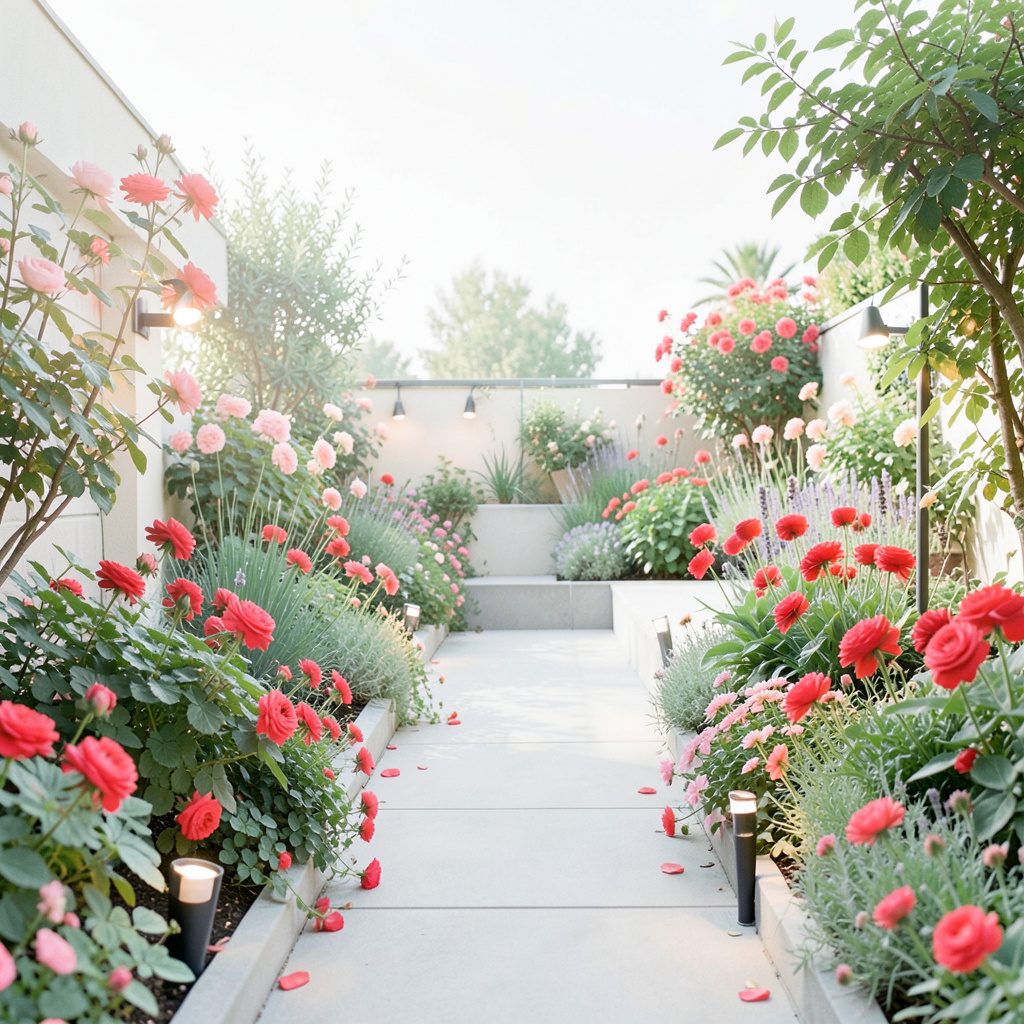
At around seven lumens, these lights are effective for marking steps, edging a path and highlighting planting. They create a welcoming pool of warm light without overwhelming a courtyard after sunset. Their softer output is a fair dinkum benefit in many gardens because brighter solar lamps can flatten the atmosphere and make a small outdoor area feel harsh.
They are less convincing as security lighting. A front-gate fixture may need several times this output, particularly where the path is used by visitors arriving after dark. Motion-activated floodlights or mains-powered downlights remain the better choice for strong coverage. These InnoGear lamps work best alongside, rather than instead of, brighter entrance lighting.
Charging performance depends on clean, unobstructed panels and realistic expectations. Direct sunlight for most of the day gives the best result, while deep shade beneath trees or beneath a wide patio roof can reduce runtime. Australian gardeners should expect shorter winter illumination, especially in cloudy regions, and may need to move portable lights to a sunny position during the darker months.
Paths around edible beds require a little planning because fixtures should follow the garden’s circulation rather than interrupt it. The site’s vegetable-growing notes offer useful guidance on bed spacing and access. Warm-white lighting is less disruptive to the atmosphere than brightly coloured lamps, while placing lights beyond vegetable rows avoids shading crops or creating unnecessary glare.
What to compare before buying
Availability matters in Australia. Some shoppers will find InnoGear sets through Amazon.com.au, while others may need to order them directly or locate an equivalent locally. Bunnings is the usual Australian destination for practical garden hardware, and specialist lighting shops may stock alternatives. Home Depot is useful for comparing multi-packs and features, although overseas delivery, replacement stock and warranty service can change the final value.
Philips outdoor lights offer a different route: some models provide app control, scheduling and integration with an existing smart-home system. They generally cost more and may require wiring, a nearby socket or regular battery charging. InnoGear’s simpler solar approach is more suitable where reliable autonomy matters and no trenching is wanted. For a broader comparison of connected and low-power hardware, this general reference page provides a secondary technology cross-check.
Reasons to choose this set:
- Stained-glass styling adds interest by day as well as after dusk.
- Solar power removes wiring, trenching and ongoing electricity costs.
- Automatic operation suits paths, patios, lawns and low garden borders.
- Warm-white output creates a comfortable atmosphere without harsh flood lighting.
- Multi-packs make it practical to create a continuous route through larger gardens.
Checks to make before checkout:
- Confirm the bundle size, stated lumen output and expected runtime for that exact model.
- Check panel dimensions and whether the product needs direct sunlight in winter.
- Establish whether the panels and fixing components are suitable for coastal exposure.
- Review battery warranty, replacement parts and the return address for Australian orders.
- Compare the total set price with similar solar lamps from local lighting retailers.
Final verdict for Australian gardens
These lights deliver their best combination of appearance, convenience and atmosphere when used along a modest path or around a patio. The stained-glass detail makes them more rewarding than plain black solar stakes, while the absence of cabling is valuable in established gardens where excavation would be disruptive. Their modest brightness is appropriate for decoration, but it sets a clear limit on their security value.
The main variables are sunlight, placement and the accuracy of the listing. With ample direct sun and sensible spacing—roughly 60 to 80 centimetres between lights along a narrow path—the set can create a continuous, welcoming ribbon of warm light. Mark a two-metre stretch of path, position one light where it would remain after installation, and test it through a full day and night before ordering the rest.