Featured Topics

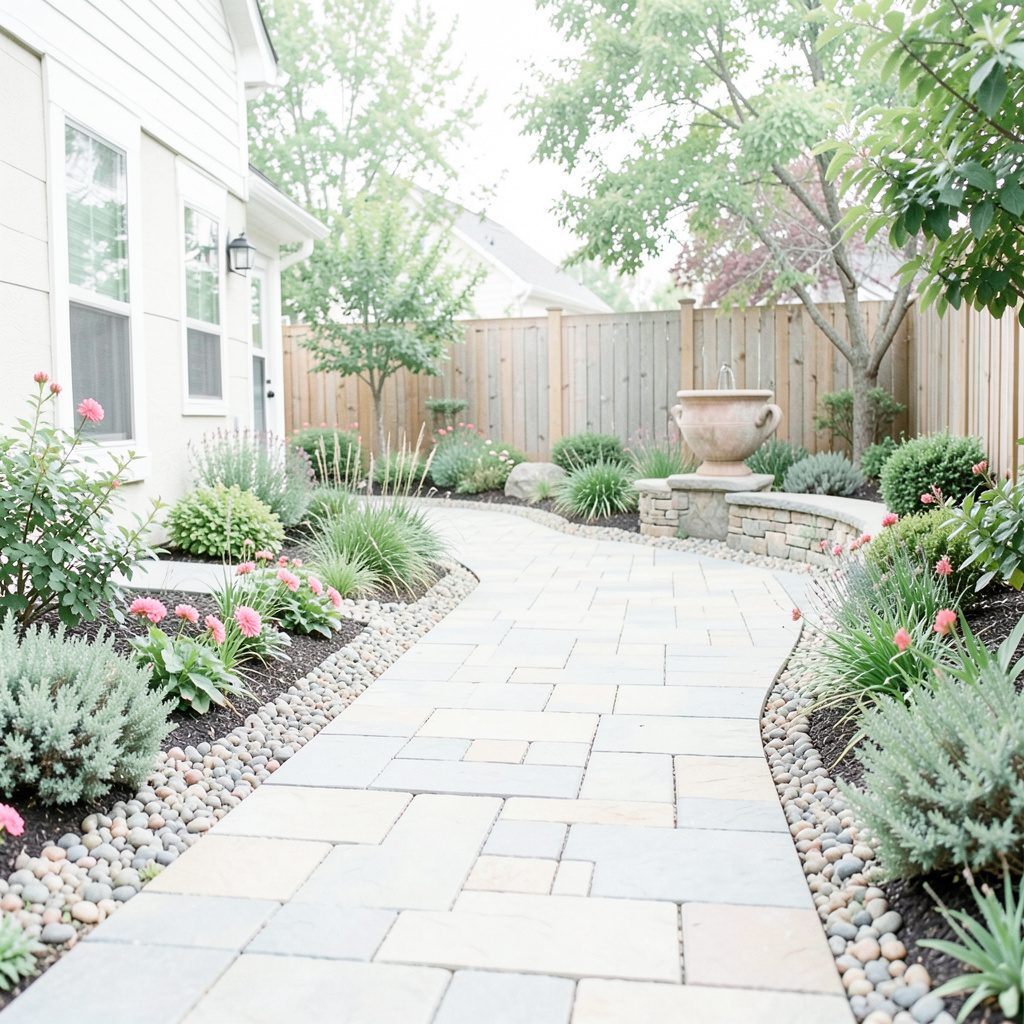
Outdoor lighting for pool areas: safety and style
A well-lit pool extends the life of an Australian backyard beyond daylight hours. Soft illumination can make a tiled entertaining area feel inviting, while carefully placed pathway lights help family and guests move around without guessing where the edge, steps or slippery surfaces begin. The best result combines practical visibility with a relaxed look suited to evening barbecues and long summer arvos.
Pool lighting needs a different approach from ordinary garden decoration. Water reflects every bright source, glare can obscure depth, and poorly selected fittings may suffer from chlorine, salt spray, humidity or intense sun. Electrical work near a pool also demands professional attention, particularly when new cabling, transformers or fixed fittings are involved.
Think in layers rather than trying to make one powerful lamp do everything. Underwater illumination, low-level path lighting, wall-mounted fittings and subtle accent lights each have a role. When the brightness, beam direction and colour temperature are balanced, the pool becomes a calm feature instead of a harshly lit focal point.
Start with a safe lighting plan
Begin by mapping the areas people actually use: the pool entry, steps, outdoor shower, gate, change room, seating zone and route back to the house. Lighting should reveal changes in level and obstacles without shining directly into swimmers’ eyes. Low bollards or recessed step lights are generally more comfortable than exposed floodlights positioned at eye level.
Australian pool barriers and electrical installations are governed by standards and local requirements that can vary between states and councils. A licensed electrician should specify suitable equipment, isolation points and protection, with particular care around low-voltage transformers and any fitting close to the water. Check the rules applying to your property before buying hardware, rather than assuming a product labelled “outdoor” is appropriate for a pool zone.
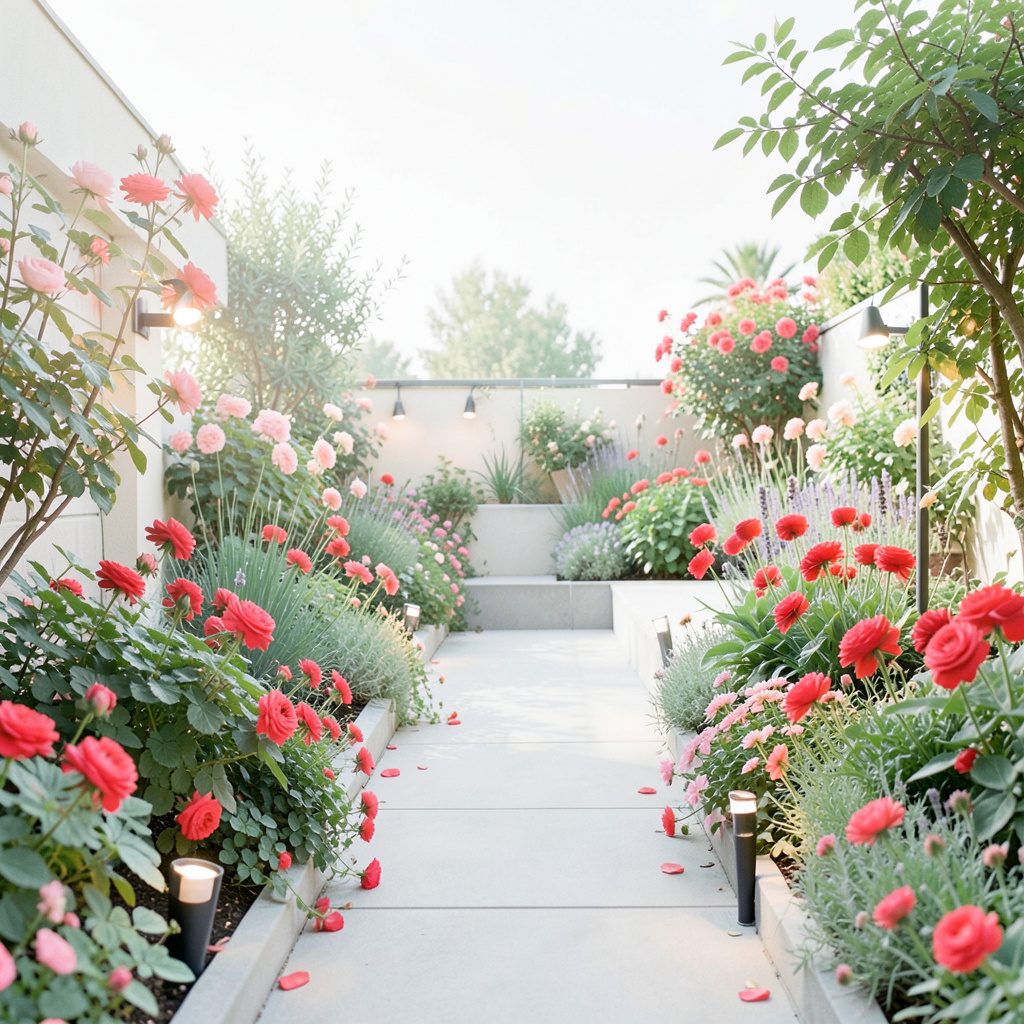
Use a consistent visual language across the garden. A simple collection of path markers, wall lights and discreet pool fittings will look more considered than a row of unrelated gadgets. For broader inspiration, these garden lighting ideas show how planting, paving and illumination can be planned as one outdoor composition.
Choose layers that flatter the water
Underwater lights create the strongest visual effect, especially after dark, but they should be aimed and spaced to avoid reflected glare. A pair of modest lights can look more sophisticated than a single oversized fitting. Cooler white light may make blue tiles appear crisp, while neutral white usually renders stone, timber and skin tones more naturally around the seating area.
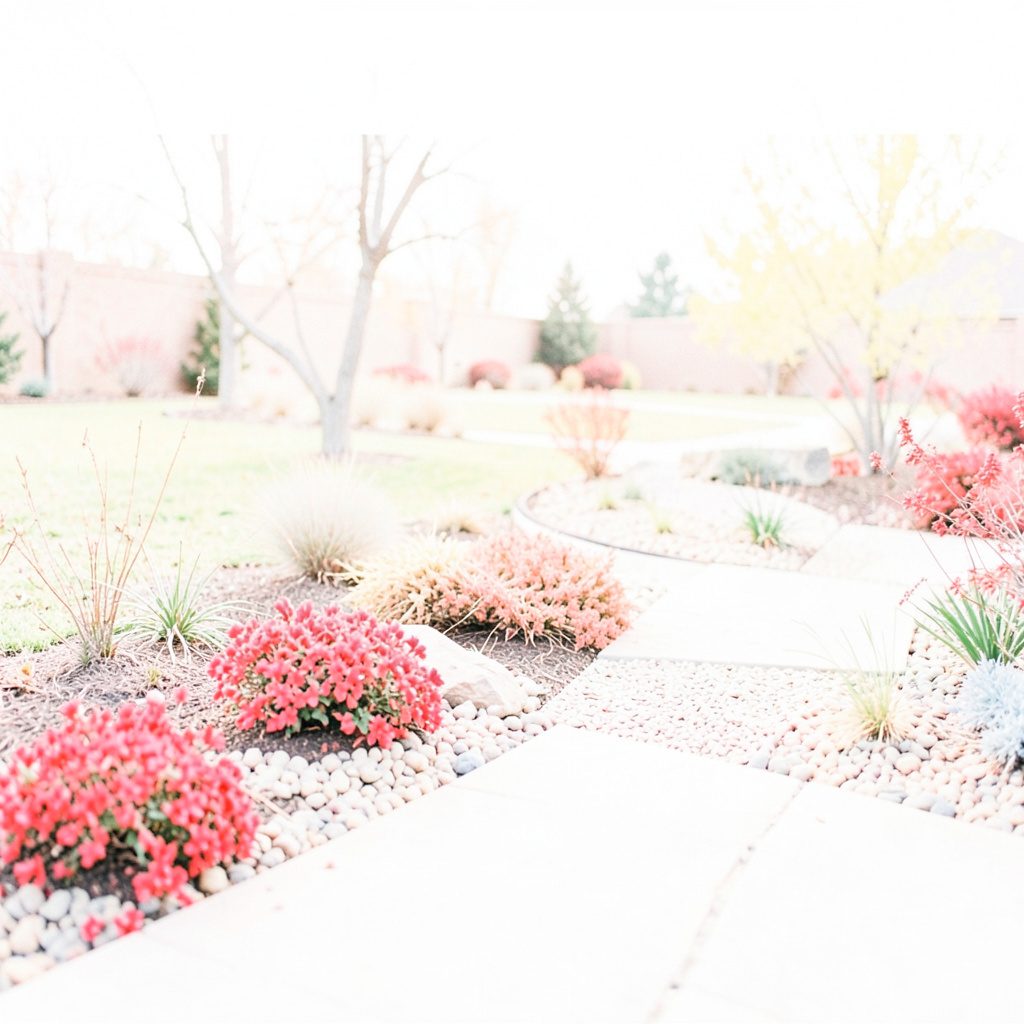
The surrounding landscape deserves equal attention. Light the trunks of palms, feature rocks, ornamental grasses and screening plants from low angles, keeping the beam on the foliage rather than into the house. Along a path, staggered fixtures usually provide a softer rhythm than perfectly aligned lights. Avoid placing bright lamps opposite one another, as this can create a tunnel effect and make the pool edge harder to read.
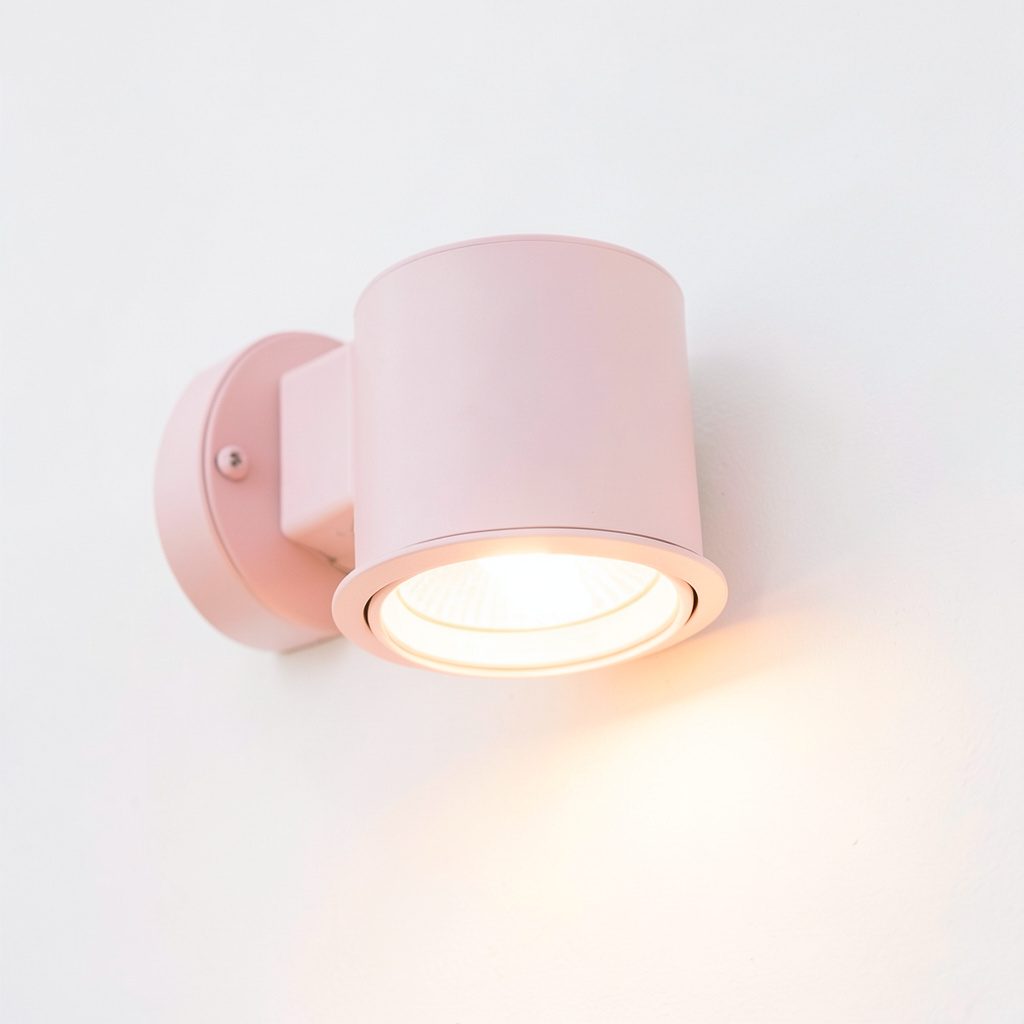
LED technology is particularly useful outdoors because it offers long service life, low energy consumption and a wide range of beam patterns. A Philips-style wall or spike light can provide dependable general illumination, while a discreet strip system can trace a bench, stair nosing or pergola edge. The RGB strip lights guide is useful when comparing colour-changing effects with more restrained permanent lighting.
Match fixtures to Australian conditions
A coastal home from Perth to the Central Coast needs fittings that can tolerate airborne salt. Look for corrosion-resistant materials, sealed connections and an appropriate ingress protection rating. Even inland gardens should account for dust, summer storms and irrigation spray. Fixtures mounted near the pool should be easy to wipe clean, since mineral deposits and chemical residue can dull lenses and shorten the life of exposed components.
Climate also affects how a lighting scheme feels. In Brisbane or tropical North Queensland, dense planting and humid nights can make bright lighting attract insects, so warmer tones and well-shielded fittings are often more comfortable. In Melbourne, winter rain and shorter afternoons make step and pathway lighting especially valuable. Homes in bushfire-prone areas should also consider local vegetation management and any restrictions affecting electrical equipment or garden structures.
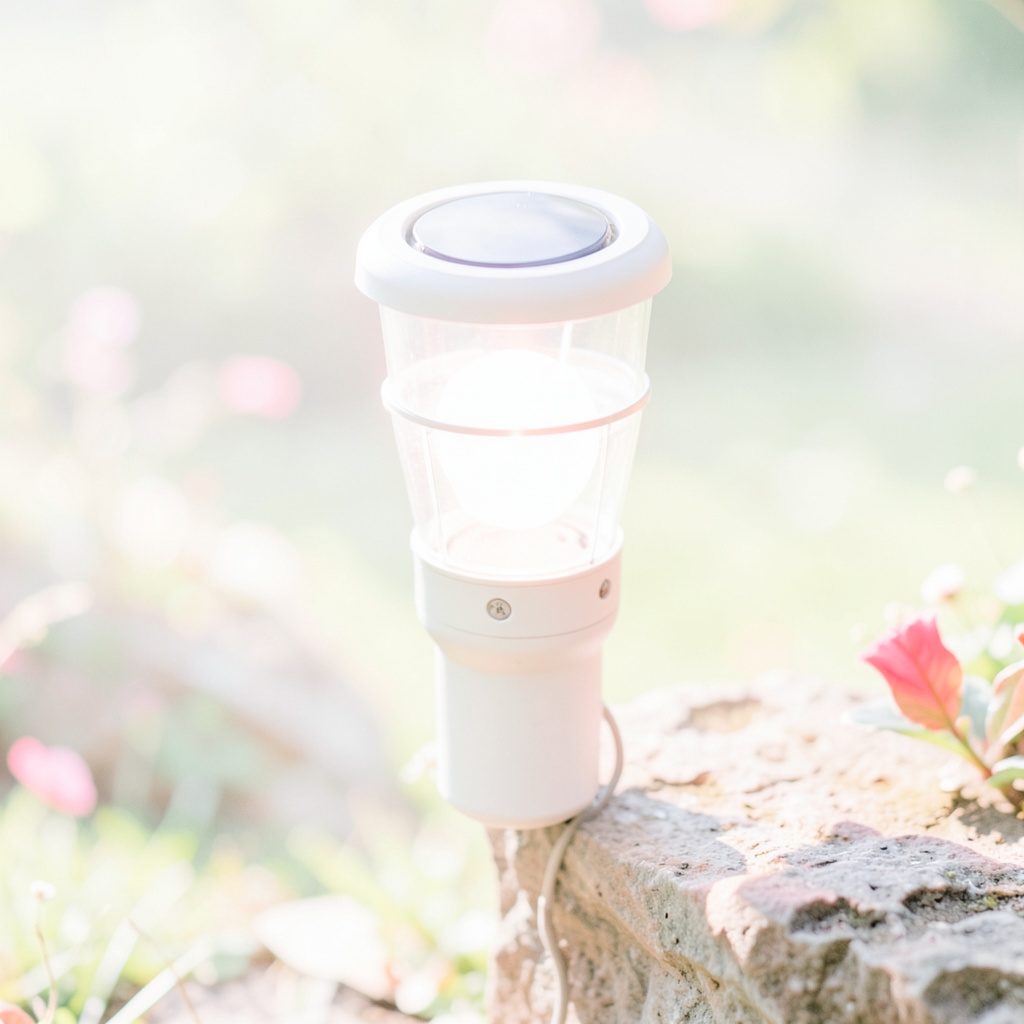
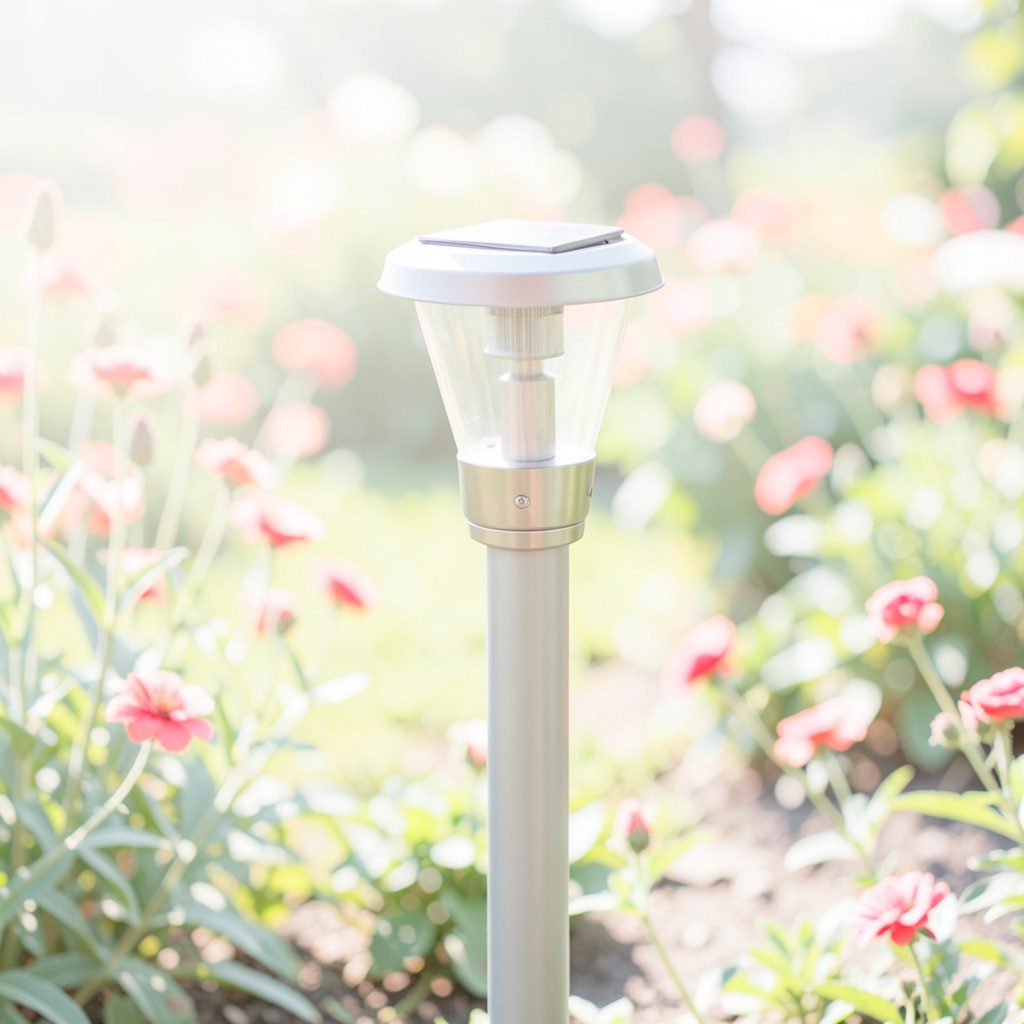
Solar lights can work well along a distant path or in garden beds where running cable would be disruptive. They are less reliable for essential pool access because cloudy weather, shade and seasonal sun angles reduce their output. Rechargeable units may suit occasional entertaining, but permanent low-voltage systems are usually a steadier choice for steps, gates and frequently used routes.
Make colour and controls work harder
Colour temperature has a major effect on atmosphere. Warm white, generally around 2700K to 3000K, complements timber decking, sandstone and leafy planting. Neutral white can improve visibility around pale paving and contemporary architecture. Colour-changing RGB is best treated as an occasional entertaining feature rather than the default setting every night.
Smart controls allow the mood to change without adding more fixtures. Separate circuits or zones can assign one setting to underwater lights, another to paths and a third to the pergola. Timers, motion sensors and app controls can reduce wasted energy, though essential access lighting should not depend entirely on a phone or a fragile wireless connection.
Keep controls simple enough for everyday use. A warm, low-brightness scene for dinner, a brighter setting for cleaning and a subtle pathway mode for late-night movement cover most needs. Conceal cables and controllers in accessible, weather-protected locations, and leave room for maintenance rather than sealing every component behind a permanent structure.
Practical choices for a polished backyard
Good poolside lighting is easier to maintain when the plan accounts for mowing, pressure washing, leaf fall and water treatment from the beginning. Position fittings where they will not be struck by pool toys or garden tools, and avoid placing lights beneath plants that shed heavily. A neat installation also helps the garden look finished during the day, when the fittings themselves are visible.
For ideas that connect illumination with planting and productive outdoor spaces, browse these garden designs. A pool does not need to stand apart from the rest of the yard; repeated materials, planting colours and fixture finishes can link it to a terrace, lawn or vegetable area. Australian gardeners may also find useful planning inspiration in growing vegetables and these vegetable garden ideas, particularly when a pool sits beside edible beds or a family garden.
- Use low-glare fittings to mark steps, gates, changes in level and the pool perimeter.
- Select sealed, corrosion-resistant products suited to coastal air, humidity and regular splashing.
- Keep underwater, pathway, entertaining and security lighting on separate zones.
- Prefer warm or neutral white for everyday use, reserving RGB colour for occasional events.
- Choose solar lights for decorative locations, not for essential access or safety points.
- Ask a licensed electrician to handle pool-area wiring, transformers, isolation and compliance.
- Plan access for cleaning, lamp replacement, battery servicing and inspection after storms.
A considered scheme does not require dozens of lights or maximum brightness. It needs clear sightlines, reliable equipment and enough restraint for the water and planting to remain visible. Products from established lighting brands such as Philips and InnoGear can be compared through Australian retailers, Amazon Australia and specialist suppliers, while local stores such as Bunnings may help with fittings, cable protection and garden installation essentials. Always check voltage, IP rating, warranty terms and suitability for pool environments before purchasing.
The key is to treat the pool as part of the whole landscape. Safe illumination should guide movement, reduce glare and support compliant installation; attractive illumination should reveal texture, reflection and planting without turning the backyard into a display case. What the reader should remember is simple: layer gentle, weather-ready lighting around the water, and let safety shape the style.