Featured Topics

How to Highlight Trees and Shrubs with Landscape Lighting
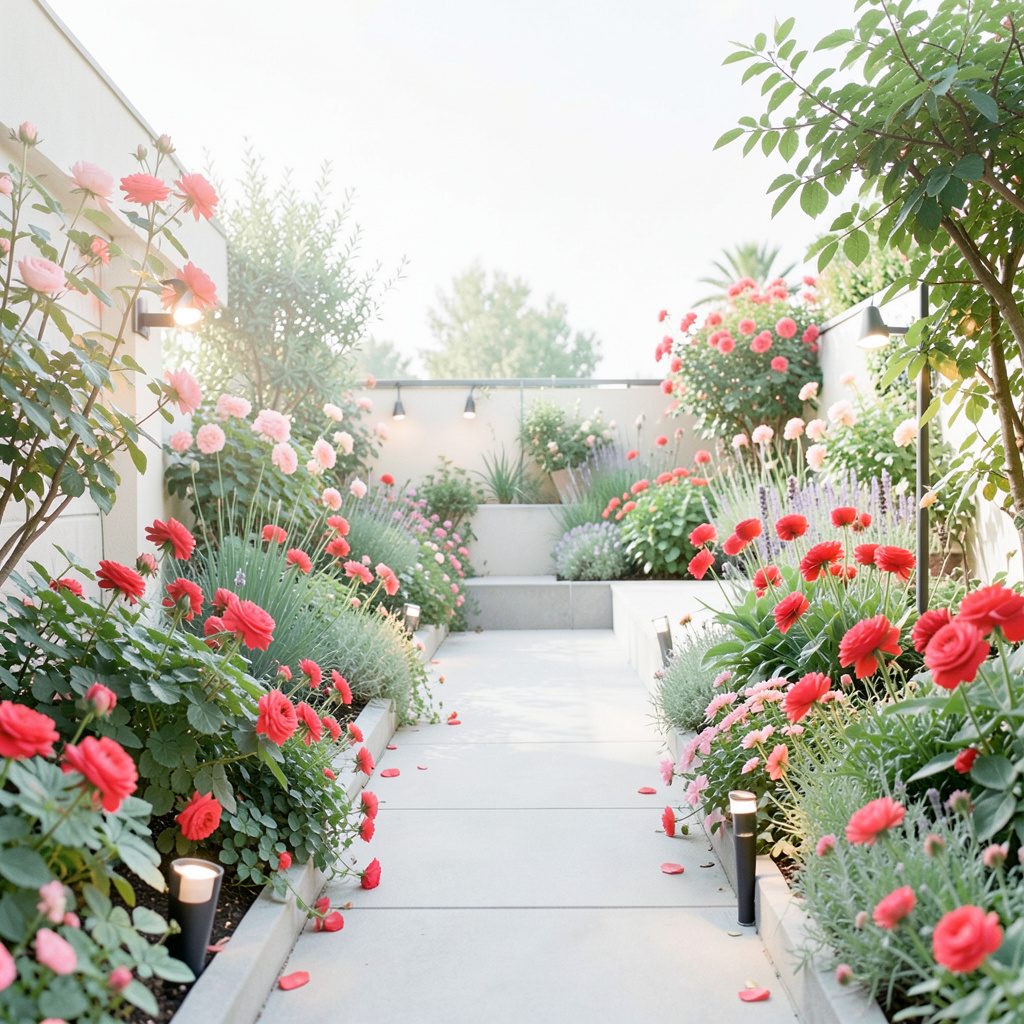
When the sun drops behind the Hills Hoist out the back of a Brisbane Queenslander, or sinks over a sandstone terrace in Adelaide, the garden doesn't have to disappear into the dark. A few well-placed outdoor lights can turn a straggly paperbark or a tidy murraya hedge into the centrepiece of the whole property, and you don't need a sparky booked in advance to pull it off.
The trick is treating your trees and shrubs the way a cinematographer treats a lead actor: pick one or two heroes, throw a gentle wash across the canopy, and let everything else fall into silhouette. Garden-lighting ranges from Philips Hue outdoor spots to budget-friendly InnoGear kits you can order online, with fixtures suited to everything from a pocket courtyard to a sprawling half-acre block in the Adelaide Hills.
Before you start, walk the yard after dusk with a torch and play with shadows. Notice where the branches throw interesting shapes against a Colorbond fence, and where a low-grower like westringia could pick up a soft glow from a path light. That little reconnaissance saves hours of fiddling later, and it tells you which plants deserve a dedicated beam and which are happy as backdrop.
Choosing fixtures that flatter foliage
Uplights are the workhorses of tree lighting, and for most deciduous or evergreen specimens in Australian gardens a fixed spike spotlight is the easiest starting point. Aim it at the trunk about a third of the way up the canopy, angle the head around 30 degrees off vertical, and you'll get that theatrical moonlit look without blasting the leaves.
For smaller shrubs and topiary balls, well lights sit flush with the mulch or lawn and throw a soft puddle of light upwards. They're particularly handy around lilly pilly hedges or murraya borders where you want rhythm rather than drama. Bunnings stocks plenty of 12V stainless steel options, and the higher-end Beacon Lighting ranges survive a coastal summer much better than cheap plastic fittings.
If your garden has a sculptural feature like a crepe myrtle or a young jacaranda, consider a directional bullet light tucked behind a rock or a clump of ornamental grass. The hidden source makes the foliage appear to glow from within, which is a lovely effect for entertaining areas right through the warm months. For broader inspiration on how photographers capture plants at night, this curated garden photography gallery shows how shadow and sidelight do most of the storytelling.
Angles, distances, and the golden rule
The most common mistake is putting the light too close to the trunk. Move the fixture a metre or two out from the base, and the canopy fills evenly instead of getting a hot spot in the middle and nothing on the outer branches. This is especially true for eucalypts, since their sparse canopies need a wider spread to read properly against the night sky.
Aim for a beam angle that matches the plant's mature size. A narrow 15-degree beam suits a slim feature like a pencil pine, while a 45-degree flood works for a spreading fig or a big old angophora. Garden designers often refer to the "three-times rule" — mount the light about a third of the tree's height away from the trunk for the most balanced result.
Downlighting deserves a mention too. Mounting a small spotlight high in a mature tree and aiming it down at a garden bed mimics moonlight filtering through a canopy and creates a magical effect under a pergola. It's also a clever workaround for pathways lined with roots, since you avoid trip-hazard fixtures at ground level. For context on how designers plan outdoor zones, the outdoor living design ideas guide covers lighting flow around seating and dining areas.
Lighting native Australian plants
Australia's native flora responds beautifully to the right light, but each species has its quirks. Eucalypts look stunning with a warm 2700K uplight tucked behind a boulder, the way you'd see in the National Arboretum in Canberra or along the clifftops at Sculpture by the Sea in Sydney. The gnarled trunk becomes a sculpture, and the silvery undersides of the leaves catch every breeze.
Bottlebrush and grevillea both have dense, sculptural forms that love a tight 24-degree spot, ideally with a filter to stop the flowers from looking orange. For a big lilly pilly or murraya hedge, run a string of mini well lights along the base and let the foliage turn into a glowing wall. These plants also tolerate the warm colour temperature that suits Australian entertaining areas, so you don't need to chase cool white bulbs.
Wattles and banksias are trickier because their fine foliage absorbs light rather than reflecting it. A wider flood beam works better here, and you'll want to layer in a subtle path light so the underplanting doesn't vanish completely. The home garden planting insights archive covers how plant density affects light absorption across seasons, which is handy when planning year-round visibility in a variable bushland climate.
Colour, beam spread, and brightness
Warm white in the 2700K to 3000K range is the friend of every Australian backyard. Cool white bulbs look clinical against a timber deck or a sandstone path, and they tend to wash out the subtle greens and silvers of native foliage. Stick with CRI 80+ fittings if you want eucalypt silver and wattle gold to actually look silver and gold rather than dull grey.
Narrow 30-degree and wider 60-degree beam spreads are the two angles worth having on hand. The narrow beam gives you punchy accent lighting for sculptural trunks, while the wider one handles full-canopy floods. For a layered look, combine both: a tight spot on the trunk, a wider wash on the canopy, and a soft path light to keep the garden connected to the house.
Brightness matters more than people think. Start with around 200 to 400 lumens for feature trees, dropping to 100 lumens or less for low shrubs, and never let the brightest fixture outshine the house entry light. That keeps the eye flowing out through the garden rather than yanking it back to the back door, which is the whole point of an outdoor lighting scheme.
Power, solar, and low-voltage options
Hardwired 12V systems remain the gold standard for serious garden lighting, especially if you're lighting more than three or four specimens. Transformers tuck behind a downpipe, cabling runs under mulch, and you can add or move fittings without too much drama. Just remember to use waterproof connectors and keep joints above any area that puddles after a summer storm. Salt air along the coast chews through cheap fittings, so spend a bit more on marine-grade stainless spikes and brass bodies.
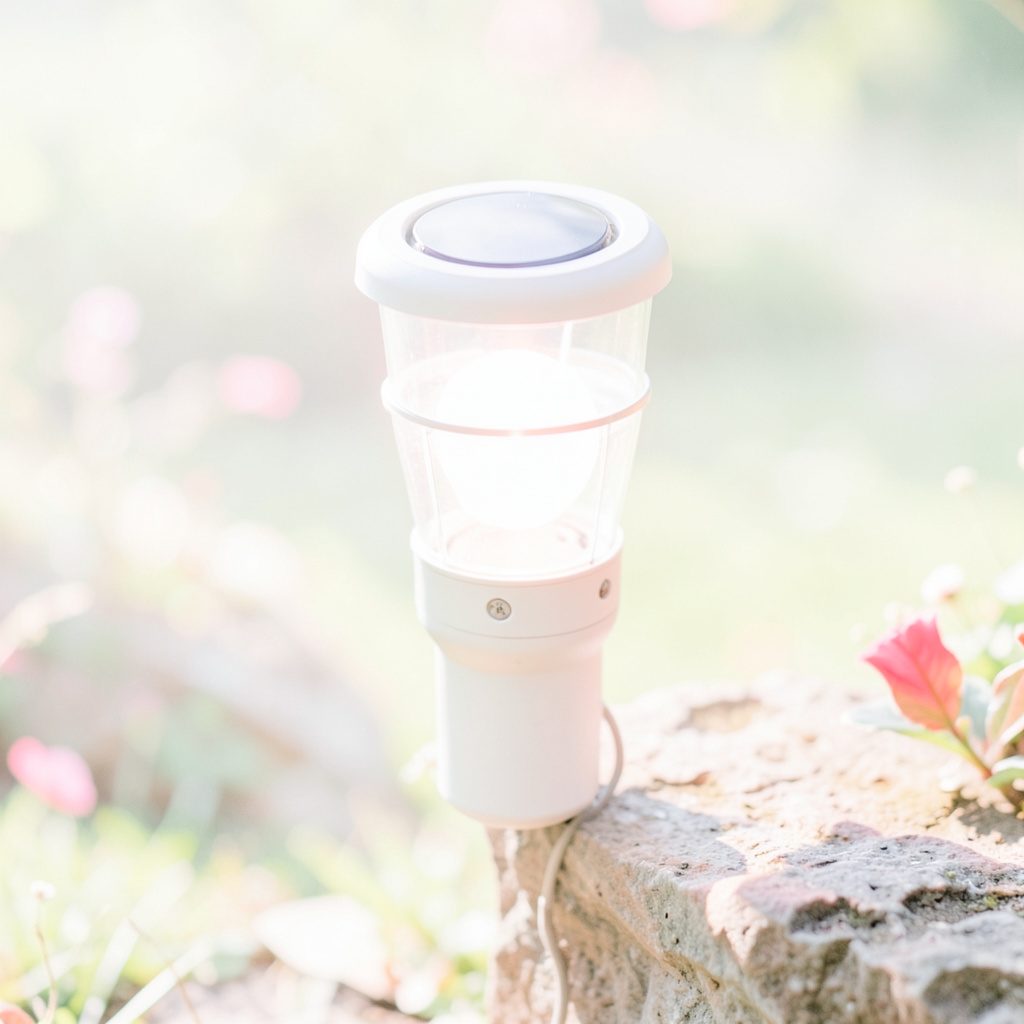
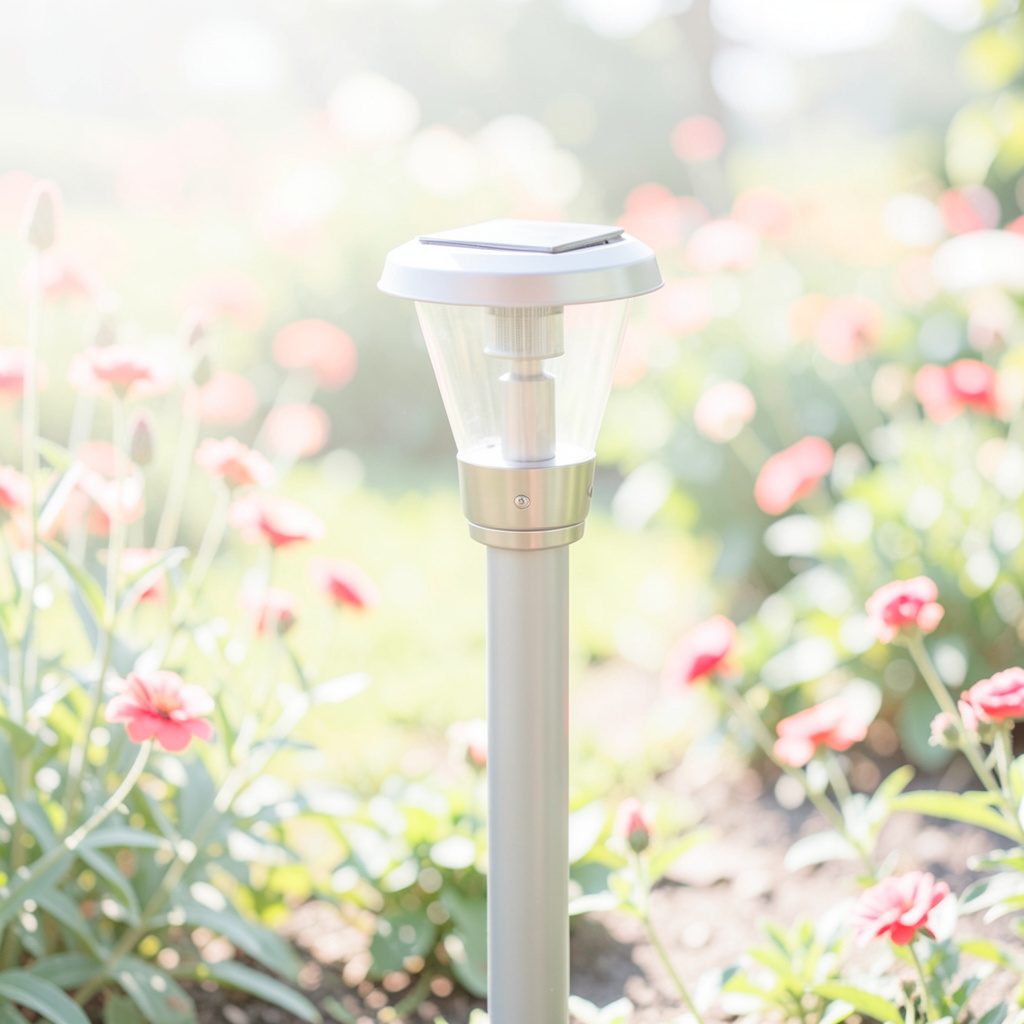
Solar lights have come a long way, and modern panels from brands like InnoGear will hold charge through a Melbourne winter and still light up a small shrub border by tea time. They won't give you the punch of a hardwired system, but for renters, courtyard gardeners, or anyone wanting a quick weekend upgrade, they're a brilliant starting point.
If you're somewhere with real bushfire risk, stick to low-voltage 12V or solar, keep cabling clear of leaf litter, and use fixtures with a decent IP rating (IP65 or higher) so embers don't compromise the seal. It's also worth checking your local council rules before you trench a single metre of cable.
Mistakes worth avoiding
- Pointing lights straight up a smooth trunk, which creates a harsh column rather than a soft canopy wash.
- Mixing warm and cool colour temperatures in the same garden zone.
- Using bright white floods on delicate foliage, which turns silver leaves a sickly grey.
- Forgetting to check the beam at night before backfilling the trench or hiding the cable.
- Ignoring glare from neighbouring windows or the back deck, since a single mis-aimed spot can ruin the whole mood.
The cleanest results usually start small: pick one favourite tree, install a single spike light at the right angle, and sit with a beer for an hour to see how the shadows behave. Once that hero is right, replicate the formula across the rest of the garden and adjust one fixture at a time so each plant gets its own moment to glow.