Featured Topics
InnoGear Motion-Sensor Security Lights Tested Outdoors
Outdoor lighting has to work harder in Australia than it may appear in a product listing. Strong sun, sudden summer storms, dusty paths and large temperature swings can expose weak panels, poor seals and unreliable motion sensors within a few weeks. A solar security light that performs well on a mild suburban evening may behave differently on a shaded Brisbane balcony or beneath a gum tree in Adelaide.
This field test looked at InnoGear solar motion-sensor lights as practical garden security rather than decorative lamps. The focus was brightness, detection range, charging, weather resistance and everyday usability around a driveway, side passage, patio and vegetable garden. Product specifications can vary between InnoGear models, so the observations apply most closely to the common multi-LED solar units sold through Australian online marketplaces.
First Impressions And Installation
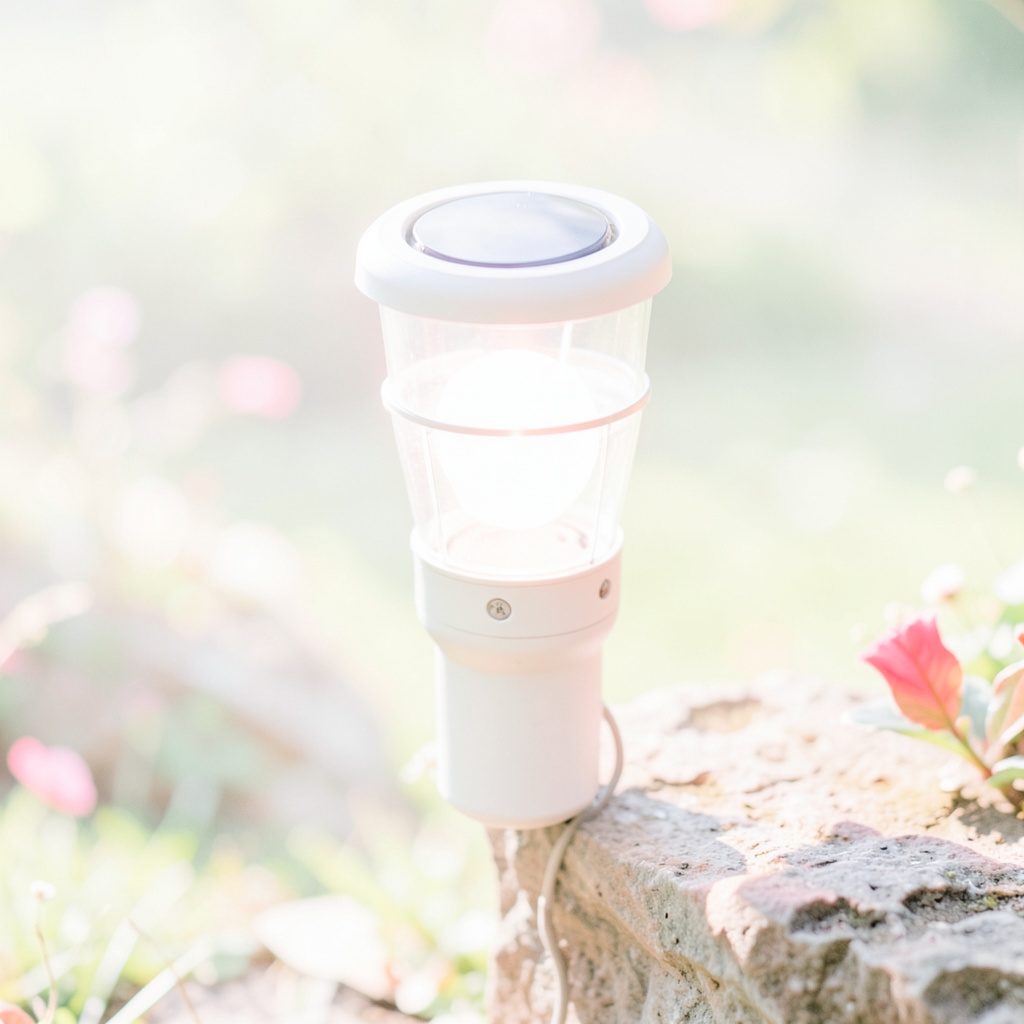
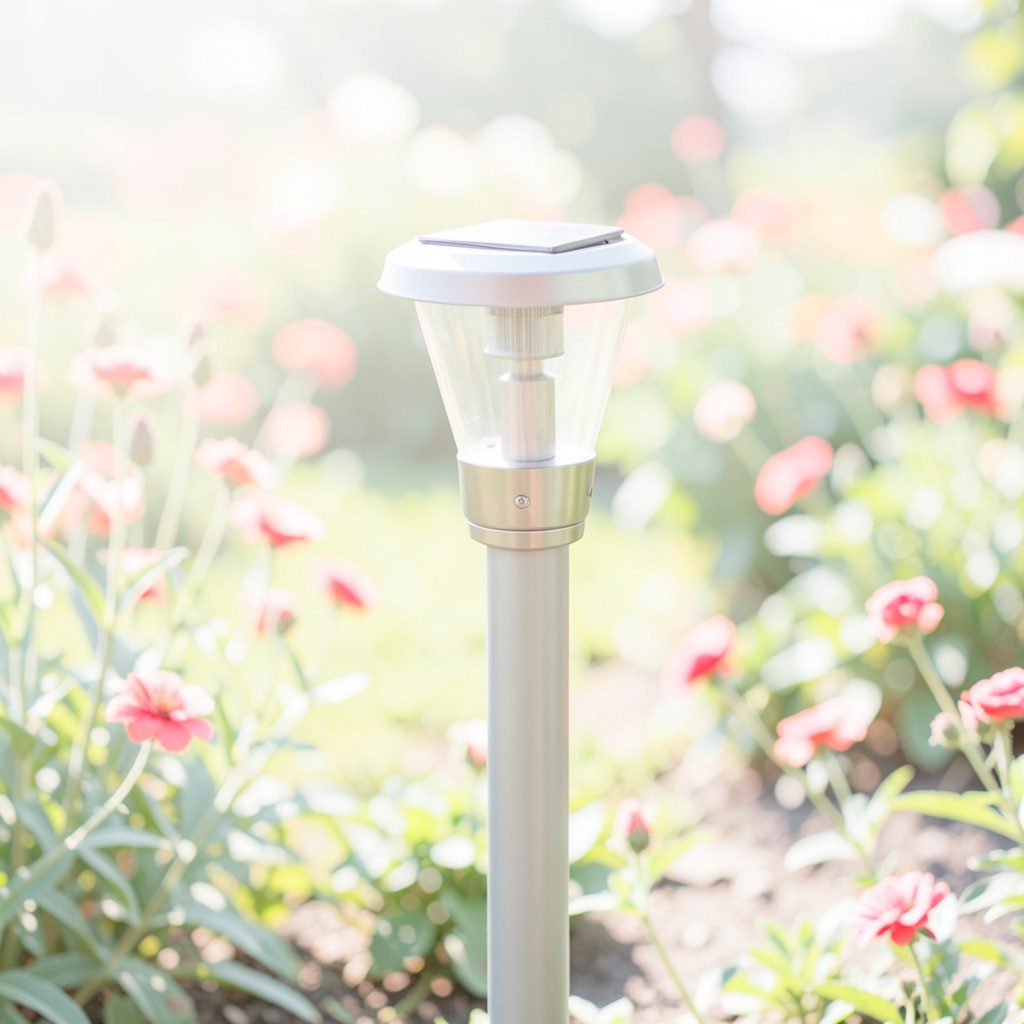
The InnoGear light arrived as a compact kit with a solar panel, LED lamp, mounting bracket, screws and adjustment controls. Installation was straightforward with a cordless drill, although masonry anchors were needed for a brick wall. The separate panel-and-lamp design offered more flexibility than an all-in-one fixture, especially where the security point was shaded but a nearby roof edge received full sun.
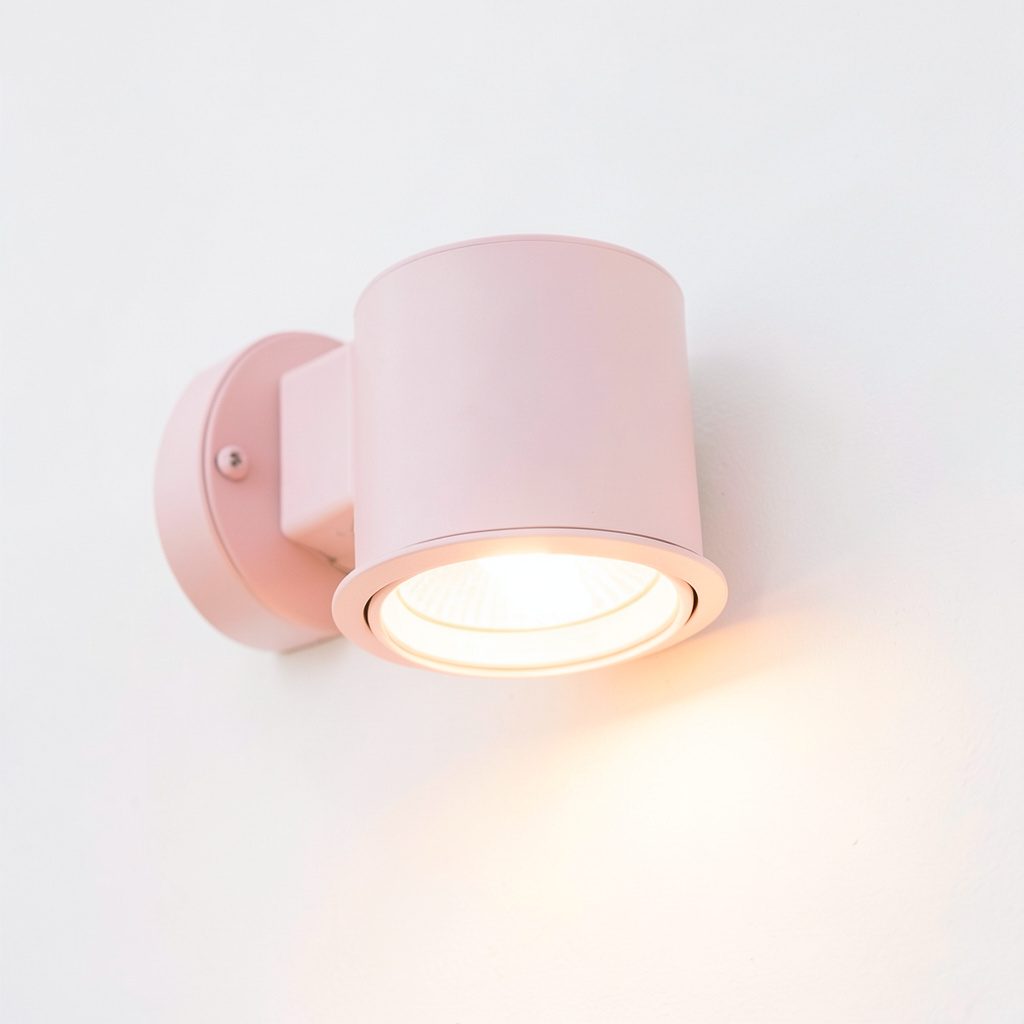
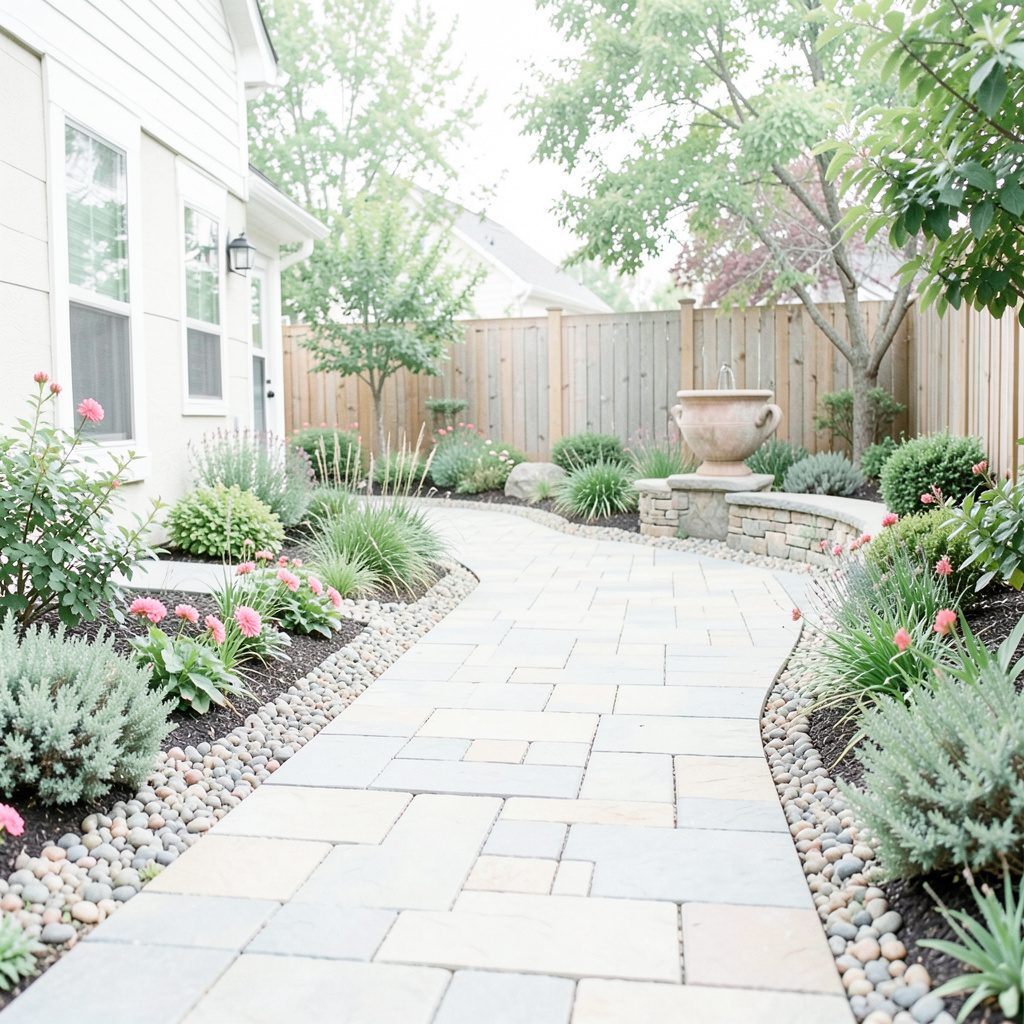
The lamp body felt light rather than commercial-grade, but the plastic casing appeared suitable for normal domestic use. Joints and cable entry points deserved attention because Australian rain can arrive sideways during storms. A bead of exterior-grade sealant around a vulnerable cable entry is sensible, while the panel should remain accessible for cleaning. Useful outdoor-lighting references such as garden lighting ideas can help when deciding whether a security fitting should illuminate a wall, gate or pathway.
The motion sensitivity, illumination duration and operating mode were adjusted with small dials on the underside. These controls were usable in daylight, though they were easier to set before the unit was mounted. The strongest installation result came from positioning the panel separately and angling the lamp down slightly, which reduced glare and kept the beam on the intended walking area.
Motion Detection In Everyday Conditions
Detection was reliable when a person crossed the sensor from the side, which is the most favourable movement pattern for a passive infrared detector. A person walking directly towards the unit was detected later, so mounting height and approach direction mattered. For a side gate or driveway, the sensor worked best when aimed across the likely route rather than straight along it.
The field test also revealed familiar outdoor-lighting complications. Warm vehicles, moving branches and pets can activate a motion light, particularly when sensitivity is set too high. In suburban Australia, possums, cats and large birds may create occasional triggers around fences and verandas. Reducing sensitivity and narrowing the detection area helped limit false activations without making the light feel unresponsive.
At close range, the illumination was bright enough to identify a visitor, unlock a gate and inspect a path. It was less convincing as a whole-driveway floodlight. The beam had a concentrated centre and softer edges, so positioning mattered more than the headline LED count. A pair of lights may be preferable for a broad carport or a long side passage.
Solar Charging And Battery Behaviour
Performance improved significantly when the panel received several hours of unobstructed northern or north-western sun. A north-facing position is often useful in Australian gardens, although nearby structures, pergolas and trees can create seasonal shade. In Melbourne, winter cloud cover and shorter days may reduce overnight capacity more noticeably than in sunny Perth or much of Queensland.
After clear days, the light delivered repeated evening activations without an obvious loss of brightness. On a run of cloudy or rainy days, the operating time became less predictable. This is normal for small solar security lights: the battery has limited reserve, and frequent triggers consume more energy than occasional pathway lighting. The light remained useful as an alert fixture, but it should not be expected to stay continuously bright all night.
Charging Habits That Made A Difference
- Wipe dust, pollen and salt residue from the solar panel every few weeks.
- Keep branches, shade cloth and climbing plants away from the panel’s midday exposure.
- Aim the panel for useful sun rather than hiding it in the most visually discreet location.
- Use a shorter illumination period when the light receives limited winter charging.
- Check battery performance after several months, rather than judging it after one clear day.
In coastal areas such as Newcastle, the Gold Coast or outer Sydney, salt-laden air can accelerate corrosion on screws and brackets. Stainless or coated replacement hardware may extend the installation’s life. The panel also benefits from a quick rinse after dusty weather, but it should be wiped dry rather than left covered in mineral spots.
Brightness, Weather Resistance And Safety
The light produced a sharp white beam that suited security purposes, though it was cooler and harsher than the warm-white tone generally preferred for entertaining areas. It worked effectively near bins, gates and side entrances, while a warmer secondary light would create a more comfortable atmosphere on a patio. Combining task lighting with decorative fixtures prevents the security lamp from dominating the garden.
Rain did not interrupt operation during the test, and the housing handled ordinary outdoor exposure. Weather-resistance claims still need to be interpreted carefully. An IP rating describes protection under specified conditions; it does not guarantee immunity from floodwater, pressure washing, cracked seals or years of intense UV exposure. Mounting the unit beneath a modest eave can reduce direct weather stress without blocking the sensor.
For Australian homes, solar low-voltage fittings avoid the complexity of running mains wiring, but they are not a reason to modify a 240-volt circuit. Any fixed mains-powered security light should be installed by a licensed electrician, and buyers should check that electrical products carry appropriate Australian compliance markings, including the Regulatory Compliance Mark where applicable. A solar lamp is best treated as supplementary visibility, not a replacement for compliant household security systems.
Placement Around Australian Homes
The most effective position was about two to three metres above ground, angled towards the approach rather than directly at a person’s face. Mounted too low, the lamp was easy to tamper with and created excessive glare. Mounted too high, detection became less consistent and the beam spread over an unnecessarily large area.
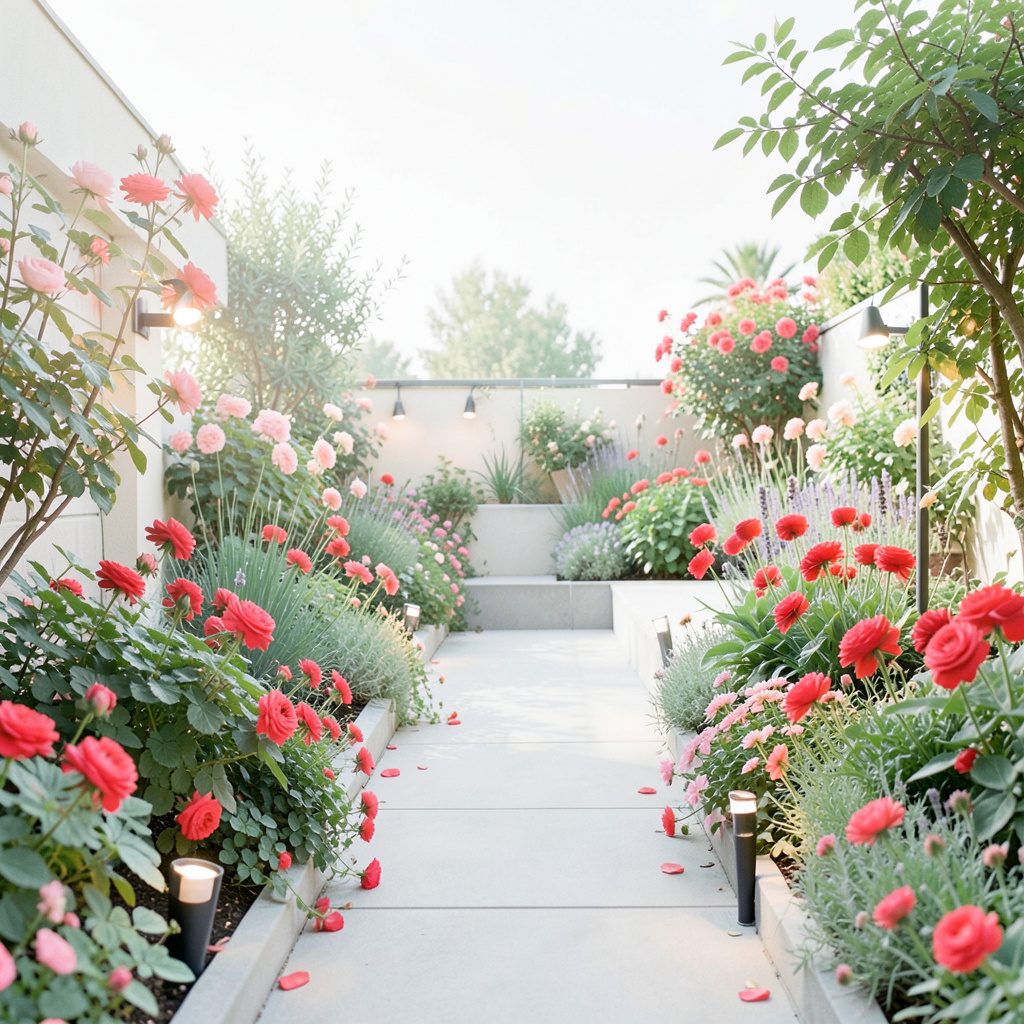
Placement around a vegetable patch requires extra care. A sensor aimed across a garden path can discourage nighttime wandering, but pointing it at a busy street or neighbour’s yard creates unnecessary activation and glare. Softer garden fixtures from lighting inspiration can fill darker edges while allowing the InnoGear unit to remain focused on access points.
For patios, a wall-mounted position near the back door gave useful warning without lighting every window. For a driveway, the lamp worked best near the pedestrian route rather than above the garage door. In dense Melbourne suburbs and terrace-style homes, careful aiming is especially important because narrow boundaries leave little distance between private outdoor areas and adjoining properties.
Locations Worth Testing Before Drilling
- Side gates where visitors must pass within the sensor’s detection zone.
- Garage paths and bins areas that are difficult to see from inside the house.
- Rear doors, provided the beam does not shine into nearby bedrooms.
- Steps and changes in level where brief illumination improves safe movement.
- Tool sheds or garden access points that need occasional overnight visibility.
A small test using temporary tape or a clamp can reveal whether the sensor catches the right path before holes are drilled. Walk across the intended zone from several directions, then check the beam from inside the house and from neighbouring sightlines. This simple step can prevent a bright fixture from flashing into a bedroom each time a possum crosses the fence.
Value For Security And Garden Use
InnoGear’s main advantage is convenience. There is no trenching, electrician’s visit or ongoing mains power cost, and the light can be relocated if the first position proves ineffective. For renters or homeowners wanting extra visibility near a gate, shed or side path, that flexibility is valuable. The unit also provides a clear visual alert when someone enters its detection area.
Its limitations are equally clear. Solar performance depends on the season and installation, the beam is narrower than a dedicated floodlight, and motion detection is affected by animals, foliage and approach angle. Battery longevity will depend on temperature, charging cycles and how often the light activates. Buyers should compare panel size, battery capacity, sensor range and warranty terms rather than choosing by LED count alone.
A vegetable garden may benefit from controlled lighting near the access path, but constant illumination is rarely desirable for plants or nighttime wildlife. Guidance on vegetable garden planning is useful when keeping lighting focused away from growing beds and pollinator-friendly areas. The best result is a dark garden with targeted visibility, rather than a yard washed in light.
For its intended role, the InnoGear unit performed well as a supplementary motion-activated lamp. It made gates, paths and service areas easier to inspect, charged effectively with good sun and remained simple to install. Its performance depends heavily on thoughtful placement and realistic expectations. The key lesson is to use it as a focused warning light: give the panel full sun, aim the sensor across movement, protect the housing from unnecessary exposure and reserve brighter mains-powered systems for areas that demand continuous, regulated security lighting.