Featured Topics

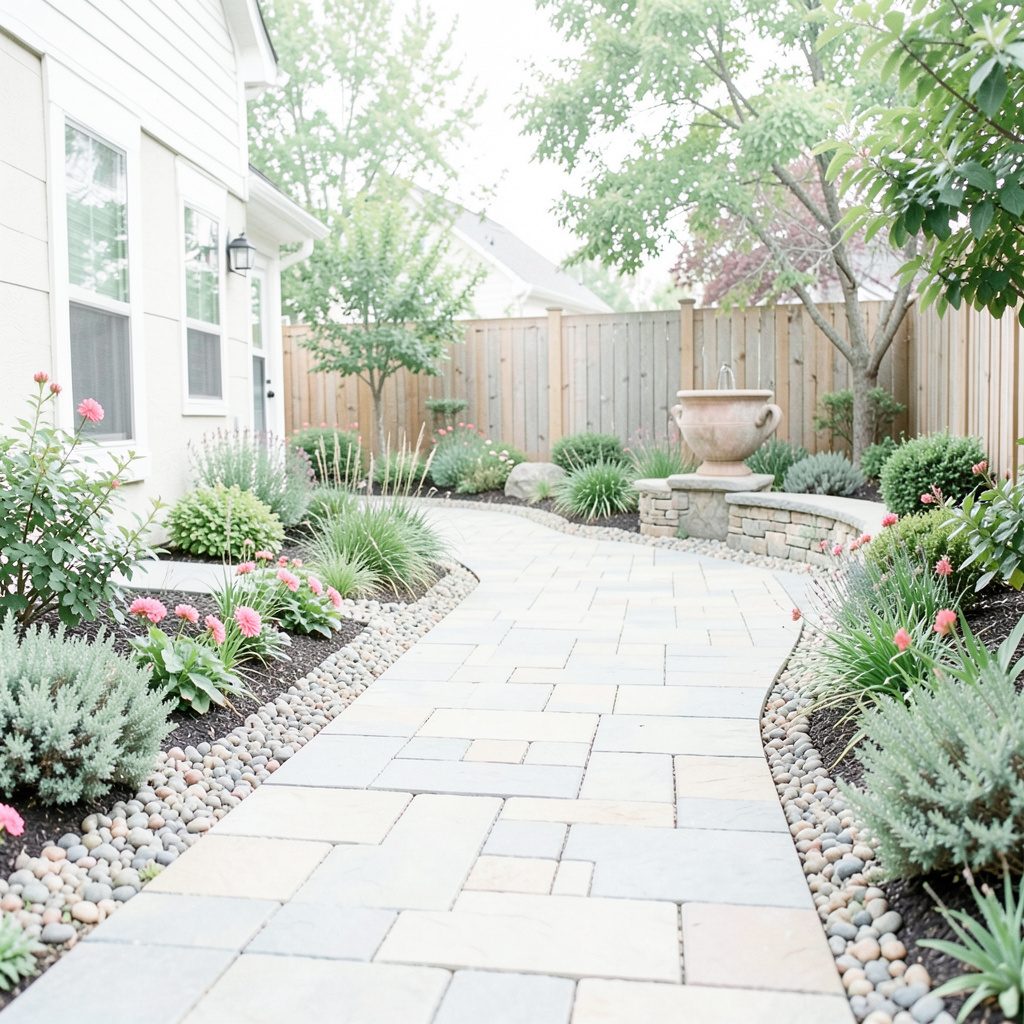
How to layer lighting in your garden for depth
A well-lit garden should feel inviting after sunset, not as if every plant and path has been placed under a spotlight. Layered lighting combines several levels of brightness, direction and colour to create dimension. The result is a garden that appears deeper, more balanced and easier to use at night. Learn more about About Author.
The most effective scheme usually includes ambient light for general visibility, task lighting for practical areas and accent lighting for trees, pots, textured walls or water features. Pathway lights, wall fittings, festoon strands and discreet uplighters can all play a role when they are positioned with restraint.
Australian gardens have particular demands. Strong summer sun can age outdoor fittings, coastal air can corrode cheaper metals, and many homes need lighting that suits entertaining on a small Melbourne terrace as well as a spacious Brisbane backyard. Solar and LED products are especially useful when chosen for local conditions rather than appearance alone.
Depth comes from contrast. A softly illuminated foreground, a darker middle layer and a highlighted feature beyond can make a compact garden feel spacious. The aim is to guide the eye through the landscape while keeping glare away from seating areas, neighbours and nearby windows.
Start with the garden’s visual layers
Think of the garden as a series of planes rather than a single space. The foreground may include steps, pots and paving; the middle ground might contain a lawn, planting bed or dining area; the background could be a fence, mature tree or distant wall. Each plane needs a different lighting treatment.
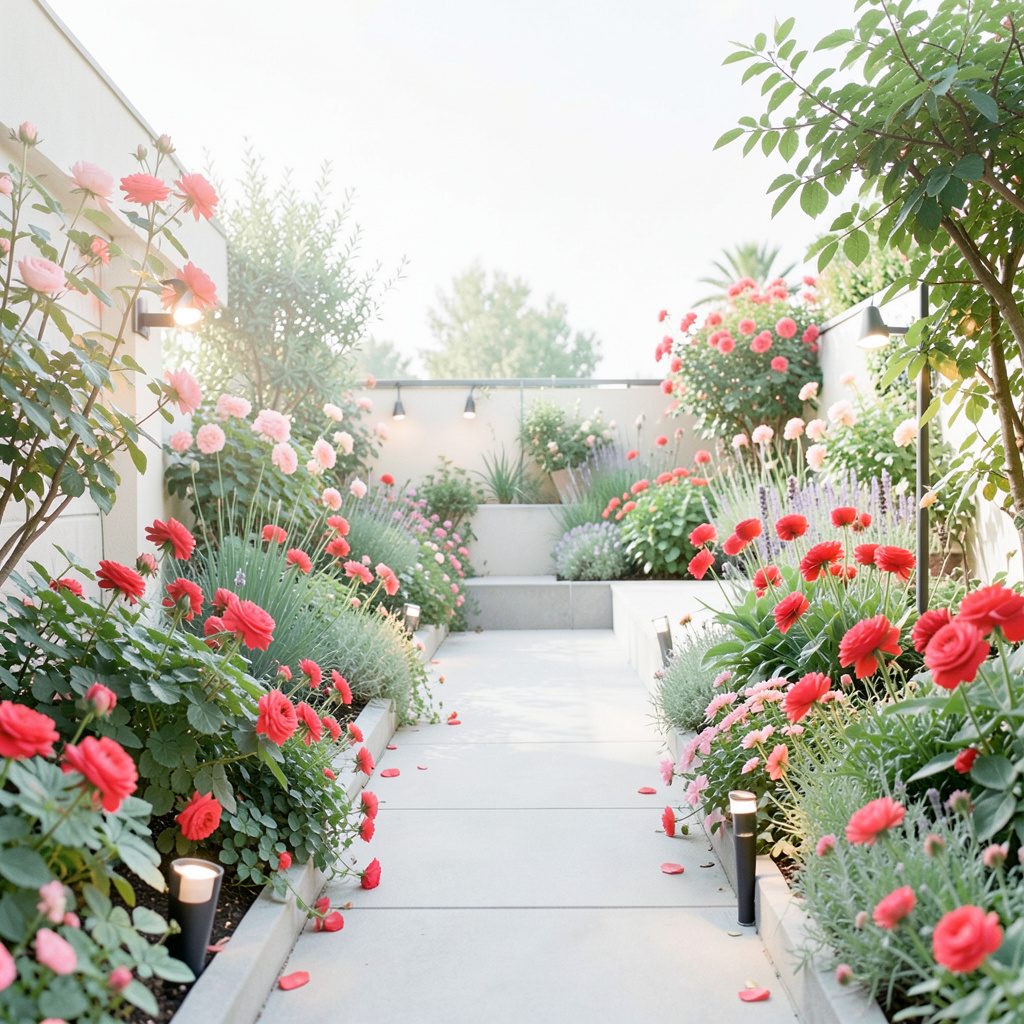
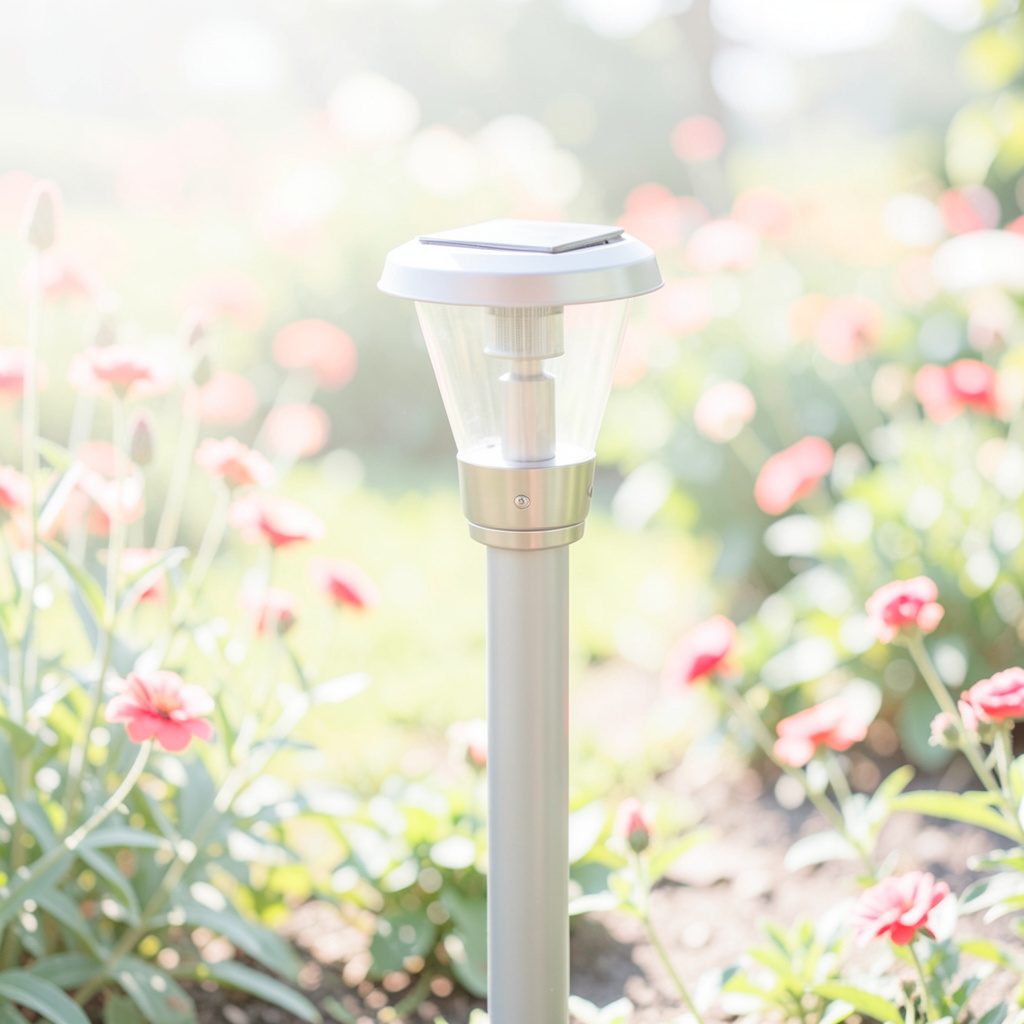
Low bollards or shielded path lights work well in the foreground because they define movement without dominating the view. In the middle ground, use gentle washes on foliage or low-level LED strips beneath benches. A tree canopy, rendered wall or sculptural plant in the distance can become the brightest visual point, giving the garden a sense of recession.
This approach is useful in narrow urban courtyards in Sydney or Melbourne, where a back fence may be only a few metres away. Lighting that draws attention beyond the immediate seating area can make the boundary feel less abrupt.
Build a comfortable ambient layer
Ambient lighting establishes the general mood. It should provide enough glow to move around and recognise faces, while remaining softer than the lights used to highlight garden features. Covered wall lights, pendant fittings beneath a veranda and warm festoon bulbs are practical choices for entertaining zones.
Choose warm white LEDs, generally around 2200K to 3000K, for patios and dining areas. Cooler light can make paving and foliage appear harsh, especially in a garden already exposed to bright Australian skies. A dimmer or several separately switched circuits make it easier to reduce brightness when the evening becomes more relaxed.
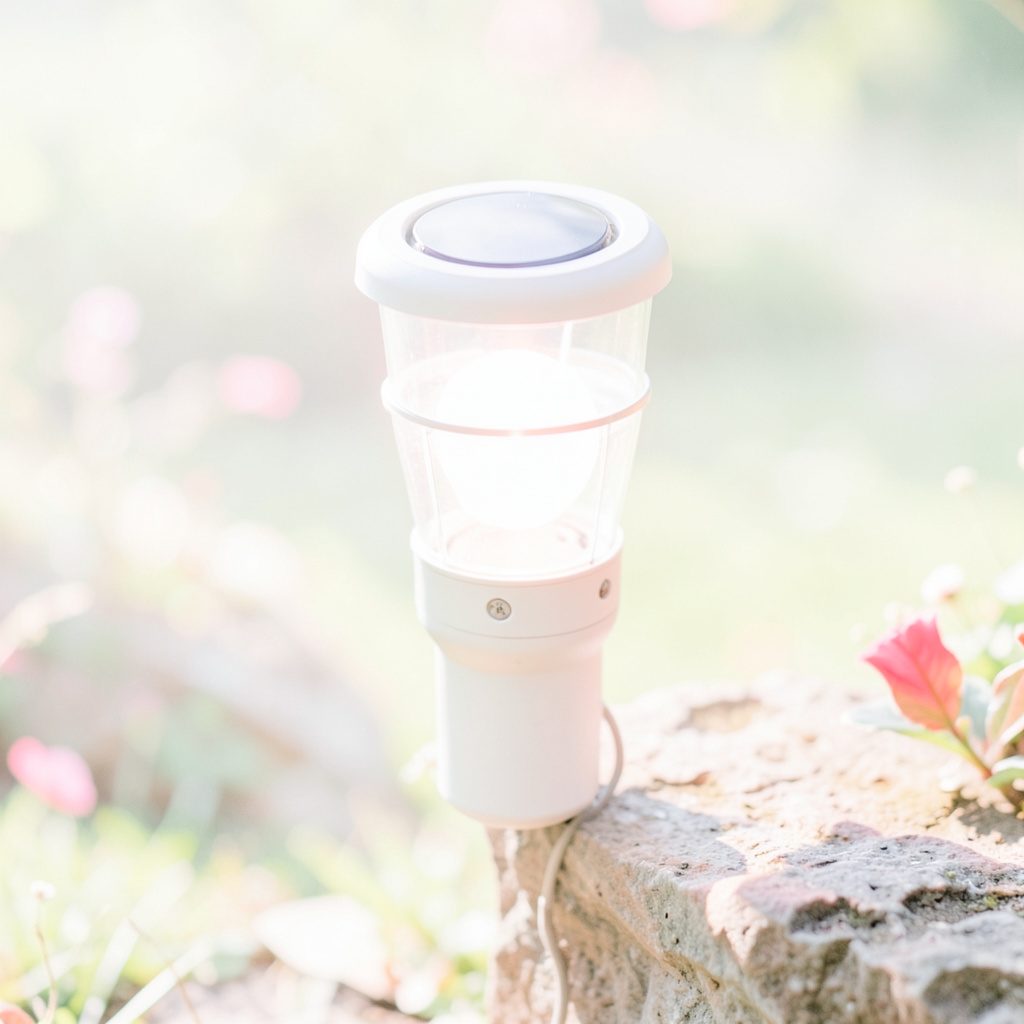
Solar lanterns can supplement fixed lighting around a lawn or terrace. However, their performance varies with season, shade and battery quality. In parts of Tasmania or during a run of cloudy winter days, a small solar fitting may provide decorative sparkle but not dependable pathway illumination.
Use task lighting where people move
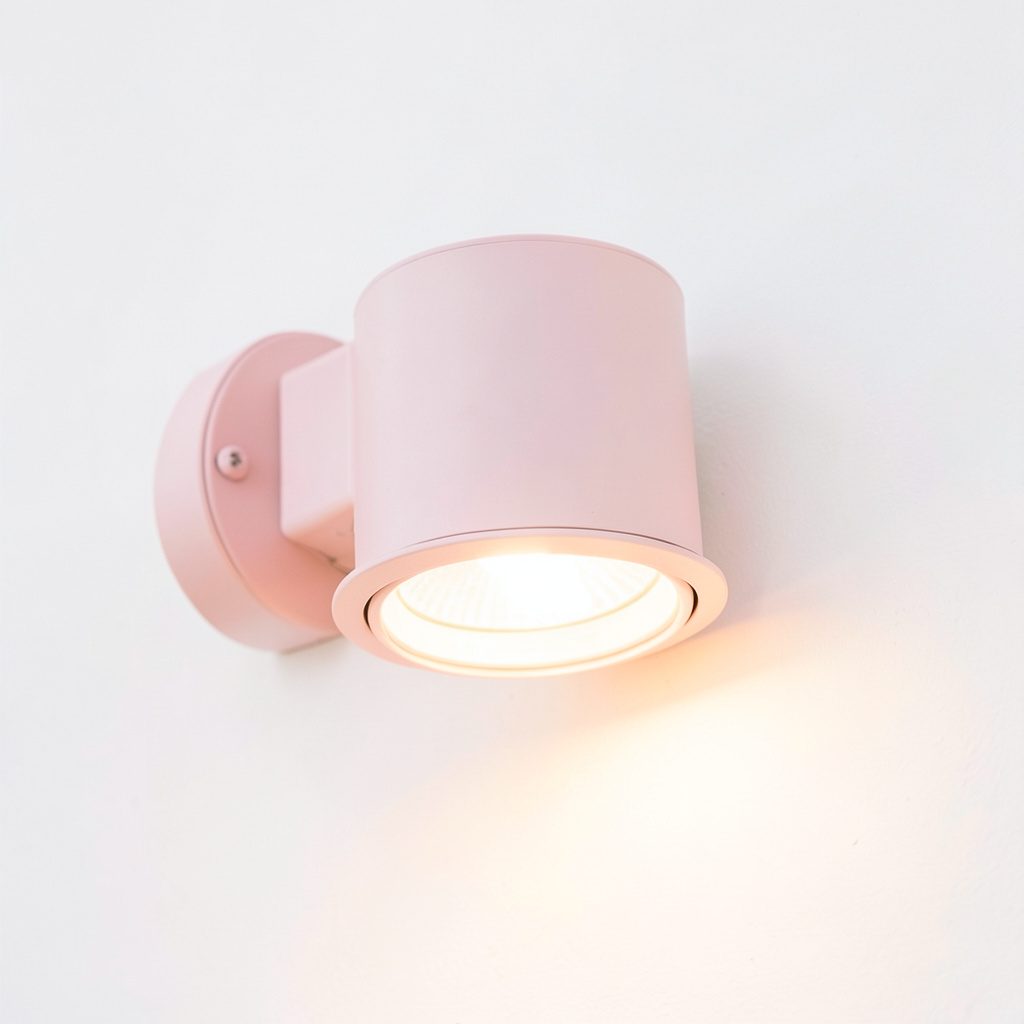
Task lighting is designed for action: climbing steps, preparing food, opening a gate or walking beside a pool. It should be directed at the surface being used, not into someone’s eyes. Recessed step lights, downward-facing wall fittings and low-glare path fixtures are reliable options.
Space lights evenly rather than placing them in a straight, runway-like line. Alternating fixtures along a path creates a more natural rhythm and reduces the chance of bright spots followed by dark gaps. For stairs, illuminate each change in level clearly, with cables and fittings protected from irrigation equipment and foot traffic.
Outdoor safety also includes electrical installation. Fixed mains-powered fittings should be installed by a licensed electrician, with weatherproof connections and suitable residual-current protection. Plug-in and solar products still need to be positioned away from standing water and checked for damaged housings.
Add accent lighting for depth and character
Accent lighting gives the garden its visual focus. A narrow beam aimed upward can reveal the branching structure of a gum tree, while a wider beam can graze a hedge or textured sandstone wall. Placing the fitting slightly away from the feature often creates more attractive shadows than mounting it directly against the trunk or wall.
Avoid lighting every plant equally. Select two or three features that deserve attention, then allow surrounding areas to remain quieter. This contrast makes the highlights feel intentional and preserves a view of the night sky.
Philips outdoor LED products are often useful where consistent colour and long operating life matter, while compact InnoGear solar lights can suit renters or gardeners who want flexible placement. Check the IP rating, battery specifications and warranty before buying through Amazon, Bunnings or another local retailer.
Balance light and shadow
Darkness is an important part of garden design. If every corner is illuminated, the eye has nowhere to rest and the garden can look flat. Shadow behind foliage, beneath a pergola or along a boundary creates mystery and makes brighter areas appear more luminous.
Try cross-lighting larger features from two subtle directions rather than aiming one intense beam straight at them. This can show the texture of a rough-barked tree or layered planting without producing a harsh silhouette. Shielded fittings and downward-facing designs also help reduce glare for guests and light spill into neighbouring properties.
In bushfire-prone regions, keep fittings, cables and solar panels clear of dry leaf litter and dense combustible growth. Local council rules and bushfire guidance may affect where garden structures and electrical equipment can be placed, so a decorative idea should never override site safety.
Coordinate lighting with outdoor living
Garden lighting should support how the space is used. A dining setting needs comfortable face-level illumination, while a lounge corner may suit a lower glow from lanterns or concealed strip lighting. A barbecue bench needs focused task light, but it should be positioned so the cook is not working in their own shadow.
For a relaxed evening with friends, combine a dimmed overhead or wall source with low-level planting lights. If the garden also hosts a casual game night, keep the main table evenly lit and avoid reflective glare on cards or glassware; these poker game ideas can complement an outdoor entertaining setup without making the whole yard overly bright.
Consider the view from inside the house as well. Lights seen through a living-room window should be soft and carefully aimed. A bright fitting beside a sliding door can become irritating after dark, whereas a warmly lit tree or distant planter can extend the room visually into the garden.
Plan controls, maintenance and energy use
Separate lighting into zones such as paths, entertaining, feature planting and security. Timers, motion sensors and smart controls allow each zone to operate only when needed. A motion sensor is sensible near a side gate, but constant activation among trees may disturb wildlife and create unnecessary glare.
LEDs generally use less electricity than older halogen lamps and produce less heat around plants. Solar lighting can reduce cabling for remote areas, but panels need a clear view of the sky and should be wiped clean periodically. In shaded gardens, low-voltage wired LED systems may be more dependable.
Before finalising a layout, test temporary fittings after sunset. Move them a metre at a time, lower the brightness and inspect the garden from the patio, kitchen and street-facing areas. For further design references, browse this collection of lighting ideas, then adapt the look to your own plants, paving and local weather.
Practical recommendations for a deeper garden glow
- Begin with safe movement routes, then add ambient and feature lighting.
- Use warm white LEDs for patios, paths and planting beds unless a specific feature needs cooler light.
- Aim accent fittings across foliage or textured surfaces instead of directly at windows or seating.
- Keep some areas dark to preserve contrast, privacy and views of the night sky.
- Select outdoor products with suitable IP ratings and materials for coastal or exposed locations.
- Put paths, entertaining areas, security points and feature lights on separate controls.
Make the scheme feel natural
The strongest layered lighting schemes are usually quiet rather than spectacular. A few well-placed sources can reveal the shape of a garden, make steps safer and create a welcoming setting for dinner without competing with the stars. Test the view from different positions, especially from inside the home, because a fitting that looks subtle beside a plant may appear glaring from a sofa.
Maintenance keeps that balance intact. Trim foliage that blocks a beam, clear dirt from solar panels, check cable covers and replace damaged seals before wet weather. In salt-exposed areas such as Perth, Adelaide or coastal Queensland, inspect metal housings regularly and choose corrosion-resistant finishes where possible.
For a coherent result, plan the garden as a nighttime composition: guide movement at ground level, create comfort around living spaces, highlight a few distant features and leave breathing room between them. The practical takeaway is simple: layer light from the path to the patio to the planting beyond, then dim anything that distracts from the garden itself.