Featured Topics

Best motion-activated floodlights for dark corners
Dark corners can make an otherwise welcoming garden feel unfinished after sunset. A side passage, rear gate, shed wall or covered patio may need stronger illumination than decorative path lights can provide, especially when you want the light to switch on only when someone approaches.
The right motion sensor floodlight combines a wide LED beam, dependable detection and weather resistance without turning the whole backyard into a stadium. For Australian homes, solar exposure, coastal air, sudden storms and local electrical requirements all deserve consideration before choosing a fitting.
Where floodlights make the biggest difference
Start with the areas that are difficult to see from inside the house. A narrow passage beside the garage, bins near a side gate, steps leading to a lower terrace and the space behind a garden shed are all good candidates. A bright burst of light can help residents identify visitors, spot animals and move safely without leaving a porch light running all night.
Motion-activated floodlights are also useful around outdoor entertaining zones. A sensor above a barbecue area or pergola can illuminate the space when someone walks in from the lawn, while a lower-power setting keeps the fitting from overpowering the atmosphere. Decorative solar lanterns can handle ambience, but a directional LED flood beam is better for a genuine blind spot.
For design ideas, browse outdoor lighting designs that balance practical brightness with planting, paving and architectural lines. The goal is to light the route and nearby surfaces rather than point a harsh beam directly at eye level.
Sensor performance matters as much as brightness
A passive infrared, or PIR, sensor detects changes in heat and movement. Look for adjustable sensitivity, detection distance and a time-delay control. These settings make a real difference: high sensitivity may trigger the light whenever a possum crosses the fence, while a short timer can leave you walking back into darkness before reaching the door.
A wide detection angle suits open lawns and driveways, while a narrower field is better for a side passage where you want movement from one direction to activate the fitting. Mounting height also affects performance. Too high, and the sensor may miss slow movement beneath it; too low, and passing pets or garden activity can cause nuisance activation.
The brightness figure is usually given in lumens. Around 700 to 1,500 lumens is often enough for a small side area, while a driveway or broad rear garden may benefit from a brighter two-head unit. Adjustable heads are valuable because they let you cover a gate and a path from one fitting instead of creating glare across a neighbour’s yard.
Solar, wired and battery-powered options
Solar floodlights are appealing for Australian gardens because many homes receive strong sunlight for much of the year. A separate solar panel is usually preferable to an integrated panel when the fitting sits beneath an eave or on a shaded wall. Place the panel where it receives several hours of direct light, keeping in mind that winter sun sits lower and trees may cast longer shadows.
Solar performance can drop after several overcast days, during winter in southern states or when the panel becomes dusty. That does not make solar a poor choice; it simply means it is best suited to security illumination that activates occasionally rather than a light expected to run continuously. A product from InnoGear, for example, may suit a smaller path or shed corner where installation without wiring is the priority.
Hardwired LED floodlights deliver consistent output and are a stronger option for large driveways, frequently used entrances and homes where reliable overnight performance matters. Any new mains-powered outdoor installation should be handled by a licensed electrician in Australia. Battery models sit between the two, offering simple placement but requiring periodic battery checks and replacement.
Weather resistance and Australian conditions
Check the IP rating before installing a light outdoors. An IP65 fitting is protected against dust and water jets, making it suitable for many exposed walls, while a lower rating may be more appropriate only under a well-sheltered roof. Sealed joins, corrosion-resistant screws and a robust polycarbonate or aluminium housing will help the unit cope with wind and rain.
Local conditions vary considerably. A coastal home in Newcastle, Adelaide or Perth may need better corrosion resistance because salt-laden air can attack cheap metal hardware. In Brisbane and the tropical north, humidity and heavy summer rain make weather sealing especially important. In dry regions, dust can collect on the solar panel and reduce charging, so a quick wipe should be part of routine garden maintenance.
Choose a warm or neutral white colour temperature if the light sits close to bedrooms, seating areas or wildlife habitat. Cooler white light can improve visual contrast around a driveway, but it often feels stark in a planted garden. Aim the beam down and across the ground to reduce spill into windows and neighbouring properties.
Smart controls and practical buying choices
Smart outdoor lights can add useful control through an app, schedules, brightness adjustments and notifications. They are worthwhile when you want a light to activate at set times or coordinate several fittings around a patio and side entrance. Before buying, confirm whether the unit requires 2.4 GHz Wi-Fi, a separate hub or a subscription service.
A useful smart light guide can help compare compatibility with common home platforms. For a simpler setup, a standalone Philips LED sensor light may be the better choice, particularly for a shed or carport where dependable physical controls matter more than app features.
Australian shoppers will find solar and sensor options through Amazon Australia, Bunnings and specialist lighting suppliers, while Home Depot listings can provide useful model comparisons but may involve different plugs, voltage specifications or limited local warranty support. Check the warranty period, replacement battery availability and return policy before judging a bargain by its price alone.
Floodlight placement should also support the garden itself. If you are improving a no-dig bed or reshaping soil near a path, avoid burying cables where future work may damage them; these broadfork garden insights show why keeping cultivation shallow and planned can protect established areas. For broader outdoor lighting inspiration, garden lighting ideas can help connect security fittings with softer illumination elsewhere in the yard.
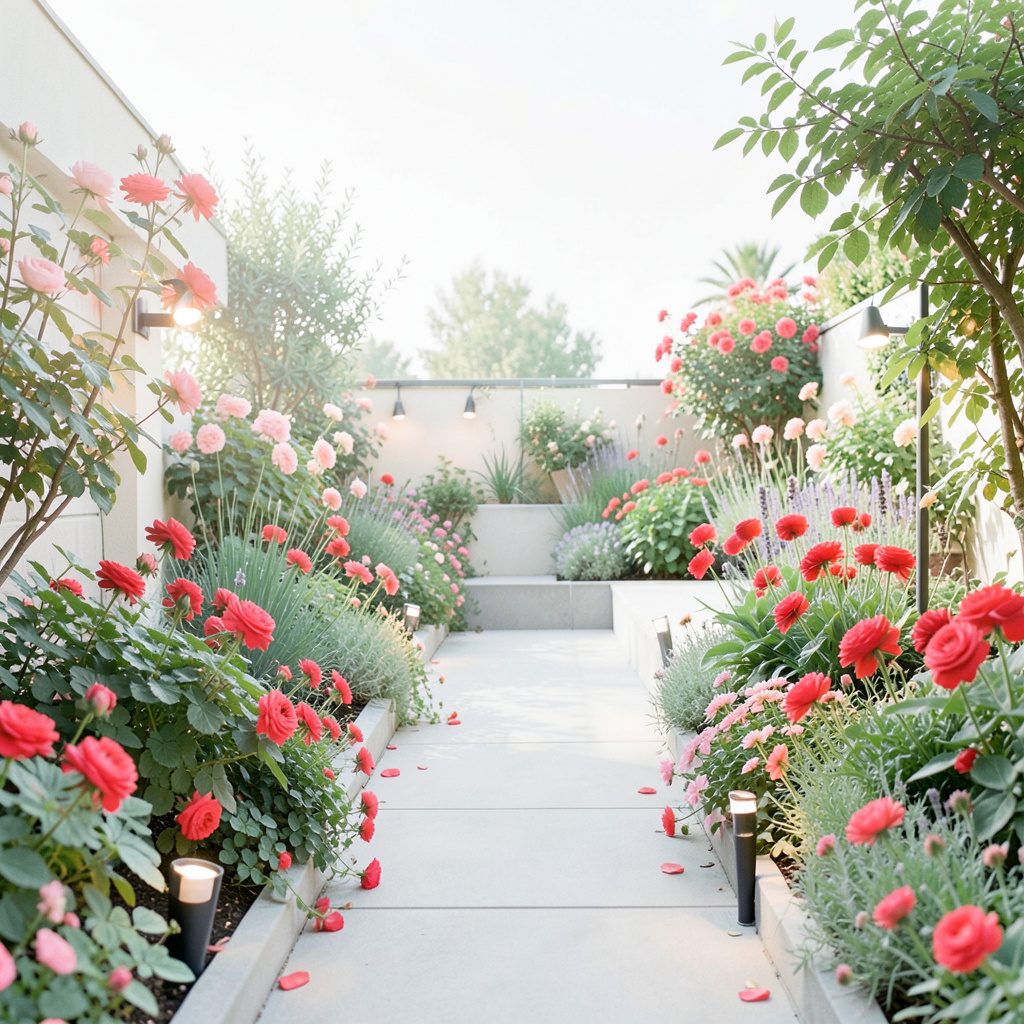
A fair dinkum setup usually uses layers: a motion floodlight for the genuinely dark corner, low-level LEDs along the route and a softer decorative fixture near the entertaining area. This approach is more comfortable than installing one extremely bright fitting and hoping it covers everything.
Before ordering, walk around the property after dark and mark the exact blind spots, then choose one sensor floodlight with adjustable heads, an outdoor-rated enclosure and a mounting position that keeps the beam below neighbouring windows.